Best Ways to Create an NFT-Based Subscription Box
 by
by 
Best Ways to Create an NFT-Based Subscription Box | Top Strategies for 2025
The world of e-commerce has been fundamentally reshaped by the concept of the subscription box—a recurring delivery of curated products that builds customer loyalty and predictable revenue. Simultaneously, the emergence of Non-Fungible Tokens (NFTs) has proven the immense value consumers place on digital ownership, provable scarcity, and exclusive community access. The convergence of these two powerful models gives rise to the NFT-based subscription box, a revolutionary hybrid that is setting a new standard for customer-brand interaction.
An NFT-based subscription box transcends the traditional model by replacing a standard sign-up or digital key with a unique, provably owned digital asset: the NFT. This NFT acts as the perpetual access pass, granting the holder not just a monthly physical delivery or digital download, but a bundle of utility: exclusive product drops, access to private events, perpetual discounts, and a stake in a dedicated community. For businesses, this model provides a powerful layer of verifiable ownership and loyalty that is unprecedented. In 2025, as both the creator economy and Web3 mature, the NFT-based subscription box is becoming the ultimate strategy for brands looking to establish a highly exclusive, self-governing, and deeply engaged audience.
Understanding the Basics
What is an NFT?
At its core, an NFT is a unique, unchangeable unit of data stored on a blockchain, a distributed digital ledger. Unlike cryptocurrencies like Bitcoin, which are fungible (meaning one coin is identical to any other), an NFT is non-fungible, meaning it is one-of-a-kind and cannot be interchanged. While early NFTs gained notoriety as digital art, their utility has expanded dramatically. Today, NFTs function as digital deeds, membership passes, licenses, and much more. For a subscription model, the NFT is not just a digital collectible; it is the key—a permanent, transferable proof of membership. Common types used in subscriptions include Utility NFTs (which grant access or discounts) and Membership NFTs (which define tiers of privilege).
What is a Subscription Box?
Traditionally, a subscription box is a curated selection of products delivered to a customer on a recurring basis (e.g., monthly). This model thrives on convenience, discovery, and personalization, establishing a reliable, recurring revenue stream for the business. The evolution of the model includes “digital subscription boxes” for software, educational courses, or digital assets. The core value lies in the relationship and the predictable cadence of value delivery.
Why Combine Them?
The marriage of NFTs and subscription boxes creates a synergistic model with powerful benefits:
- Recurring Revenue + Blockchain Utility: The business gains the stability of subscription revenue, while the customer gains a digital asset with secondary market value (the NFT). If the brand’s community grows, the NFT—the membership pass itself—can appreciate in value.
- Exclusivity & Verifiable Ownership: The NFT acts as a decentralized access token. Only wallet addresses holding the specific NFT can access the benefits, creating a provably exclusive club that can’t be replicated by simple password protection or email lists.
- Community Building: NFT holders are often more engaged, forming tighter-knit communities (often on platforms like Discord) around their shared digital asset, which acts as a powerful loyalty engine for the brand.
Choosing a Niche or Theme
The foundation of any successful subscription box, NFT-based or traditional, is a meticulously chosen and highly focused niche. The addition of the NFT layer means the niche must support both a tangible/digital value and a compelling community narrative.
Popular Categories for NFT Subscriptions:
- “Phygital” Art & Collectibles: This merges physical goods with a digital provenance. An NFT acts as the Certificate of Authenticity for a limited-edition art print, a rare action figure, or a collectible sneaker. The subscription delivers the physical item, while the NFT unlocks a digital twin or perpetual loyalty benefits.
- Fashion & Luxury Drops: Brands use NFTs as a pre-access pass (a “whitelist”) for exclusive monthly apparel or luxury goods. The NFT holder gets the guaranteed right to purchase, bypassing public queues. Adidas’s early movements into this space demonstrated the demand for such gated access.
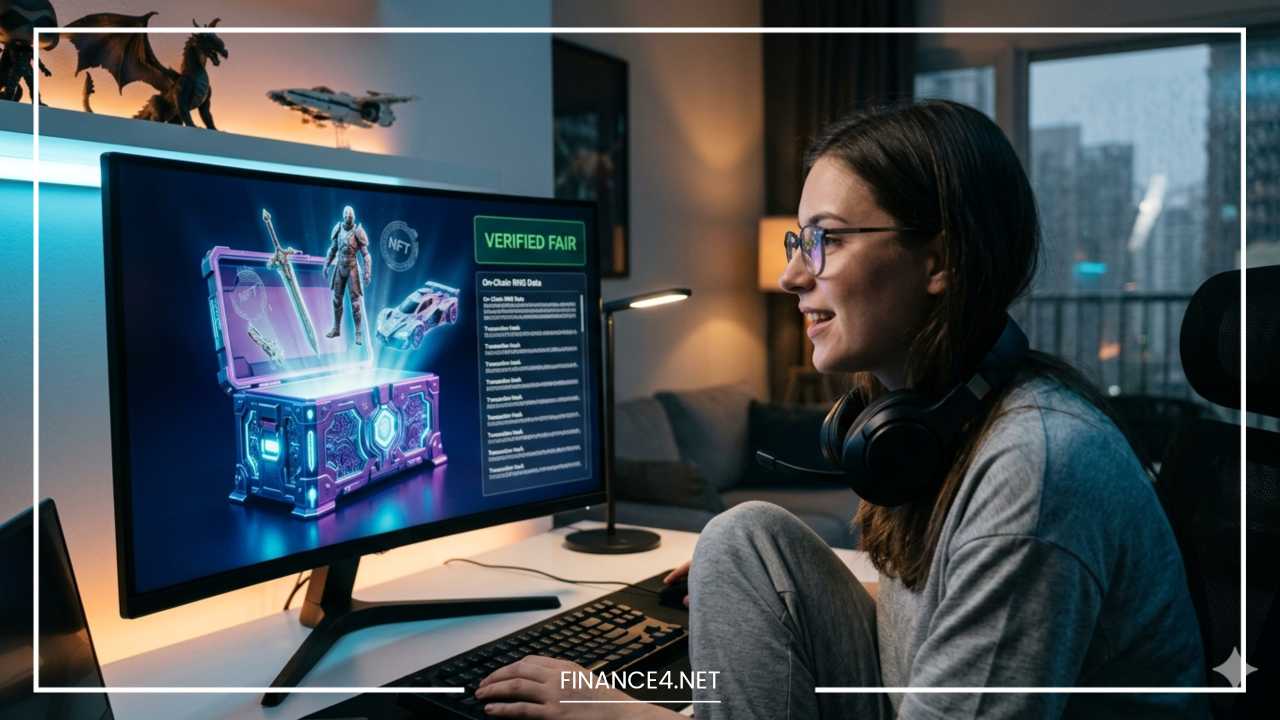
- Gaming & Digital Items: A monthly drop of in-game assets, character skins, or virtual land plots. This category naturally aligns with NFTs, offering subscribers new items directly to their connected wallets, often with added utility in a metaverse or blockchain game.
- Creator/Music Access: The subscription NFT grants access to a musician’s unreleased tracks, a content creator’s private Discord, or even royalty splits on future projects, as explored by platforms like Royal.io. This elevates the subscriber to a stakeholder.
- Educational/Learning Resources: The NFT is a permanent membership badge for a Web3 bootcamp or a private masterclass series. It provides continuous access to new modules, live Q&As, and an authenticated network of alumni.
Matching NFTs with Value
A successful theme matches the inherent utility of the NFT (provable ownership, transferability, scarcity) with the value provided in the box. Your NFT should not be a gimmick; it must solve a problem (e.g., counterfeiting, lack of exclusivity, friction in access) or unlock a new tier of customer experience. Community alignment is critical: your audience must be motivated by the ability to own, trade, or publicly display the NFT, treating the digital asset as a status symbol or a financial asset.
Designing Your NFT Utility
The utility is the lifeblood of the NFT subscription box. It is the answer to the question: “Why should I hold this token?” A well-designed utility stack ensures the subscriber holds onto the NFT, preventing a ‘flip-and-ditch’ mentality, which is vital for sustained royalty revenue and community health.
Types of Utility to Include:
- Monthly Unlockable Content (The “Box” Utility): This is the core transactional value. The NFT must be verified at the beginning of each cycle to unlock the new drop. This could be a unique digital art piece, a private podcast link, or a redemption code for the physical box.
- Exclusive Product Drops & Discounts: This is a powerful, loyalty-driving utility. The NFT grants an immediate, perpetual discount on all store purchases or, even better, the guaranteed right to purchase limited-edition items before anyone else. This is a crucial distinction: the NFT is the right, not the item itself.
- Access to Private Communities/Events (The “Vibe” Utility): Use token-gating tools (see Building the Subscription Mechanism) to create private channels on platforms like Discord or Telegram. This fosters a sense of belonging and allows the brand to directly communicate with its most loyal subscribers. Physical meetups, VIP event access, and private online workshops are also premium options.
- Governance & Voting Perks (The “Ownership” Utility): Allow subscribers to vote on the next box’s theme, which products to include, or even which creator the brand should collaborate with. This DAO-lite structure gives the community a sense of true ownership and investment in the project’s success.
- IP Rights/Commercial Use: Granting the NFT holder a license to use the underlying artwork or character in a limited commercial capacity can be a huge value-add, transforming a collector into a brand partner.
Structuring Tiers and Rarity
Subscription models excel with tiers. NFTs naturally support this through rarity:
- Common Tier NFT: Grants basic subscription access (the monthly box, 10% discount).
- Rare Tier NFT (or a different, limited collection): Grants all Common benefits plus deeper perks (25% discount, VIP Discord access, guaranteed purchase of 1/1 annual drop).
- Legendary Tier (e.g., a “Lifetime” NFT): Grants perpetual, premium access without any ongoing fiat payment, and possibly a share of secondary royalties from all tiers.
Smart Contract Basics: ERC-721 vs. ERC-1155
- ERC-721: Best for unique 1-of-1 membership passes (e.g., “Legendary Access Key #123”). Each token is entirely distinct.
- ERC-1155 (The Recommended Choice): Ideal for subscription boxes. It allows a single smart contract to manage multiple types of NFTs (the Common and Rare tiers) and allows for batch minting, making it significantly more efficient and cheaper for mass distribution and renewals.
Sourcing Physical and/or Digital Items
The execution of the subscription box hinges on the consistent delivery of high-quality value. The blend of physical and digital items (often called “phygital”) offers the richest utility.
Options for Physical Box Components (If Hybrid)
If your model includes physical goods, logistics are paramount. The NFT acts as the purchase/access trigger, but the fulfillment remains traditional.
- In-House Production: Best for highly custom, branded goods (e.g., unique t-shirts, handcrafted jewelry). Provides maximum quality control but demands high overhead.
- Dropshipping/Third-Party Logistics (3PL): Scalable and allows for hands-off fulfillment. You focus on the NFT and the brand, while a partner handles packaging and shipping. This is essential for international fulfillment.
- On-Demand/Print-on-Demand: Items are only created after the NFT holder redeems their monthly perk, reducing inventory risk.
Digital-Only Alternatives
A purely digital NFT subscription box bypasses complex logistics, focusing entirely on Web3’s strengths.
- Digital Collectibles and Artwork: Monthly 1/1s, generative art drops, or exclusive wallpaper packs.
- E-books, Courses, and Premium Content: Gated access to premium educational content or digital-first media.
- Music and Audio: Exclusive audio tracks, stems for remixing, or limited-run mixtapes.
- Software Licenses: The NFT grants a time-bound license key for a piece of software, or perpetual access to a Web3 tool.
Partnering with Creators or Brands
This is a powerful scaling strategy. Collaborate with other established creators or Web2 brands to include their products as monthly drops. This increases the perceived value of your box and introduces your community to a wider ecosystem. The NFT is proof of access, and the partnership provides the curated value, significantly easing the burden of continuous content creation.
Choosing the Right Blockchain & NFT Platform
The blockchain is the infrastructure of your subscription box—it must be reliable, cost-effective for mass transactions, and aligned with your target audience’s current activity.
Factors to Consider:
- Gas Fees (Transaction Costs): For subscription boxes that involve monthly token verification or drops, high gas fees are a project killer. Low fees are essential for recurring, high-volume transactions.
- Ecosystem/Community: Where does your target audience already hold their assets? Choosing a chain with an active community in your niche (e.g., gaming on Solana, high-value art on Ethereum) reduces onboarding friction.
- Marketplace Support: Ensure the NFTs can be easily bought, sold, and traded on major, reputable marketplaces like OpenSea or Magic Eden, preserving the value and liquidity of the membership pass.
- Sustainability: Choosing an eco-friendly Proof-of-Stake (PoS) chain is increasingly important for brands focused on ethical or environmentally conscious consumers.
Popular Platform Recommendations (Current as of 2025):
| Blockchain | Primary Advantage | Best Use Case for Subscriptions |
| Polygon (L2 on Ethereum) | Low Gas Fees, Ethereum Compatibility, High Adoption. | Recommended for most businesses. Offers the security and liquidity of Ethereum without the prohibitive mainnet fees for recurring transactions. |
| Solana | Ultra-Low Fees, High Transaction Speed. | Ideal for gaming, high-volume mass-market collectibles, and frequent, cheap drops. |
| Ethereum (L1) | Highest Liquidity, Prestige, and Decentralization. | Best for high-value, exclusive Legendary Tier NFTs where prestige and unshakeable security matter more than the cost of a single transaction. |
| Tezos | Excellent Sustainability/Low Energy, Art-Focused. | Recommended for creative or eco-conscious projects where brand ethics are a core selling point. |
Recommended Marketplaces and Tools
While you can deploy a custom smart contract, launching on existing, audited platforms drastically reduces development risk.
- OpenSea/Magic Eden: The largest, most liquid marketplaces. Ensure your NFTs’ utility data is properly displayed in the metadata.
- Manifold/Zora: Tools that allow creators to deploy highly customized smart contracts, giving maximum control over things like royalty structure, minting mechanics, and NFT-gating features.
- Thirdweb/Moralis: Developer tools that provide easy-to-use kits for creating, deploying, and integrating NFT access into a website without deep blockchain expertise.
Building the Subscription Mechanism
The greatest technical challenge in an NFT subscription box is replicating the predictability and automation of a Web2 recurring payment while leveraging the security and decentralization of Web3. The system needs to check, verify, and deliver utility on a recurring basis.
The Two-Step User Subscription Process
- Wallet Connect & Payment: The user connects their crypto wallet (e.g., MetaMask, Phantom). The initial subscription is paid either:
- Fiat-to-NFT: The user pays with a credit card, and a back-end service (like a cross-chain payment processor) uses that fiat to mint the NFT and send it to the user’s wallet. This offers a seamless, Web2-style onboarding.
- Crypto Payment: The user pays directly with a cryptocurrency, and the smart contract immediately mints and transfers the subscription NFT (the Key).
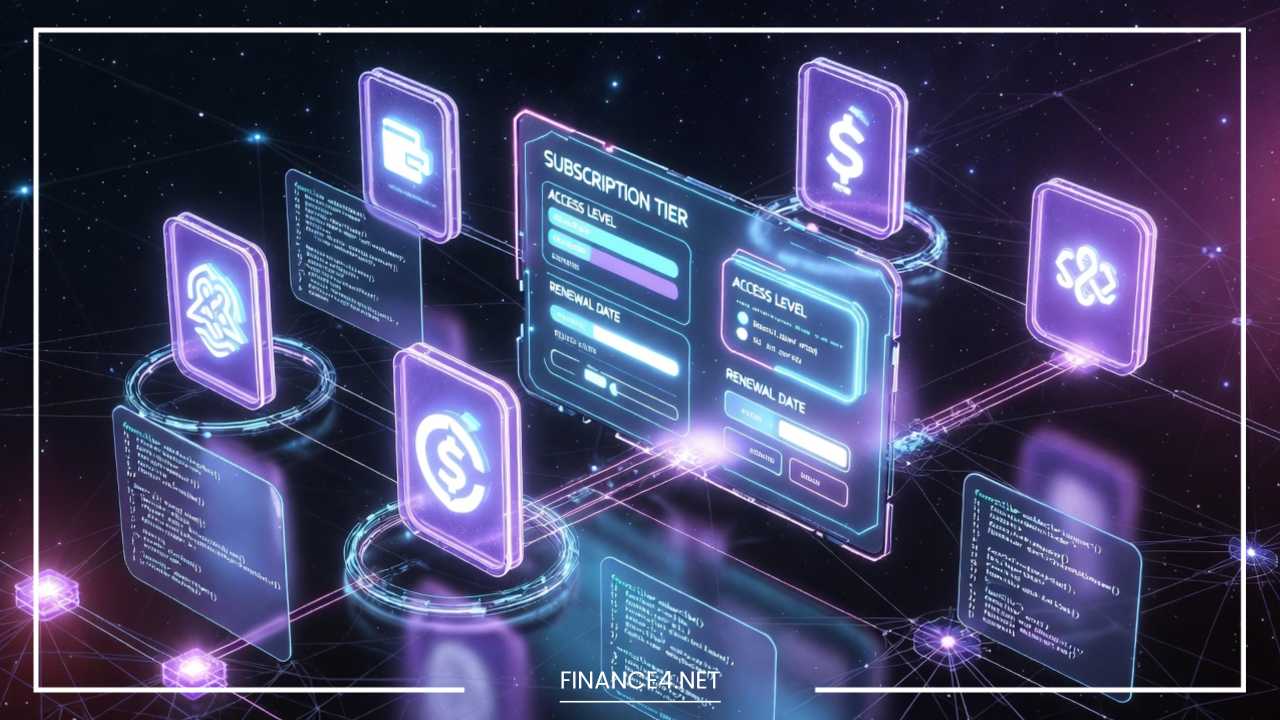
- NFT-Based Authentication (The “Gating”): Once the NFT is in the wallet, it becomes the perpetual access token. The brand’s website, Discord, or content platform checks two things to verify the subscription status:
- Does the connected wallet own the specific subscription NFT?
- If the NFT has a time constraint (e.g., 30 days), is it still valid (i.e., not expired)?
Managing Renewals and Expirations
The most sophisticated mechanism uses a custom smart contract or a protocol designed specifically for time-based access.
- Using Dedicated Platforms (The Recommended Approach): Services like Unlock Protocol are purpose-built for NFT memberships. They allow you to deploy smart contracts (often called “Locks”) with built-in time constraints, enabling:
- Expirations: The NFT expires after a set period (e.g., 30 days).
- Renewals: The system can automatically check if the user has paid the recurring fee and then “renew” the NFT’s validity on-chain, or it can be renewed manually by the user burning the old token and minting a new one upon payment.
- The ‘Burn to Stop’ Model (For Physical Boxes): The subscription is technically a one-time NFT purchase that grants 12 months of boxes. If the customer wishes to cancel, they are required to burn (permanently destroy) their subscription NFT. This offers proof of cancellation and forces the customer to relinquish the utility and secondary market value of the token, incentivizing them to think twice before canceling.
- Hybrid Integration: Tools like Salesforce Web3 offer solutions to monitor real-time blockchain data (like NFT ownership and transaction history) and integrate it with traditional CRM systems, allowing for a mix of fiat and token-gated access control.
Marketing Your Subscription Box
Traditional marketing won’t be enough; an NFT-based subscription requires a blended, utility-focused Web3 strategy that appeals to both collectors and convenience-seeking consumers.
Building Anticipation and Scarcity
The most effective marketing leverages the innate scarcity of NFTs:
- Early Access/Whitelist: Reward your most active community members with a guaranteed spot to mint the subscription NFT. This creates immediate demand and validates the loyalty of your core audience.
- Pre-Reveal Utility: Announce a vague but valuable utility that the subscription NFT will grant before the collection launches. This drives speculation and excitement.
- Airdrop Incentives: Airdrop a related NFT (e.g., a “Founders Pass”) to influential wallets or early community members. This acts as a viral marketing mechanism by seeding the ecosystem with your brand.
Influencer & Community Marketing
Your community platforms are your primary sales channels.
- Discord & Telegram: These are non-negotiable. Use them for AMAs (Ask Me Anything), sneak peeks of the monthly box contents, and direct engagement with potential subscribers. Token-gating your most valuable channels is a form of pre-sale marketing—only those who own a pre-access or test NFT can even see the full pitch.
- Twitter/X: Use it to announce drops, highlight the secondary market value of your NFT, and showcase the real-world utility received by current holders.
- Utility-Focused Storytelling: Do not market the NFT as a JPEG. Market it as a “Membership to the Future” or “Permanent Access to Exclusivity.” Focus your messaging on the 10x ROI potential of the utility bundle, not just the aesthetic.
Web3 PR vs. Traditional Channels
Engage Web3-native PR firms and publications (e.g., NFT-focused news sites, crypto newsletters) to communicate the technical novelty of your subscription model. For mass-market appeal, traditional channels (Instagram, Facebook) can focus on the physical/digital products, while subtly directing users toward the NFT-gated access.
Legal, Environmental & Ethical Considerations
Operating in the NFT and subscription space requires vigilance, as the regulatory landscape is fluid.
Regulatory Awareness (NFTs as Securities?)
A major risk is the classification of your subscription NFT as a security, which is subject to strict regulation. To mitigate this risk, focus the messaging and utility on:
- Consumption/Access: The NFT’s value is derived from the immediate utility (the box, the access) and not the expectation of future profits from the company’s efforts.
- No Fractionalization: Avoid giving holders a direct stake in future company earnings (unless fully compliant with security laws).
- Transparency: Clearly label the NFT as an access pass or collectible.
Transparency in Smart Contracts and Billing
The promise of Web3 is transparency. Your smart contracts should be fully audited and publicly verifiable. For the subscription component, especially when using fiat for renewals, ensure all billing details, auto-renewal mechanisms, and cancellation procedures are compliant with standard e-commerce and consumer protection laws.
Sustainability in NFT Minting
Many major NFT projects now favor environmentally friendlier chains. By choosing Proof-of-Stake (PoS) blockchains like Polygon, Solana, or Tezos, you can significantly reduce the environmental impact of your minting process, which is a powerful ethical marketing point. Always be prepared to disclose the energy usage of your chosen chain.
Case Studies or Examples
Examining successful models provides crucial blueprint insight into how to structure utility and sustain community engagement.
1. VeeFriends Gift Goat
- Model: This is a premium tier within the broader VeeFriends ecosystem (Gary Vaynerchuk’s project). The Gift Goat NFT is one of the most exclusive tokens.
- Utility: Holding the Gift Goat NFT guarantees the holder receives a physical gift box (often high-value collectibles, luxury items, or experiences) every month for three years.
- Insight: This model proves that a perpetual access pass combined with a high-value, recurring physical utility justifies a high entry price and sustained floor price for the NFT itself. The NFT acts as a non-cancellable, high-ticket loyalty program that is valuable enough to be traded on the secondary market.
2. Royal.io (Music Subscriptions)
- Model: Royal allows users to purchase fractional ownership (as NFTs) in a musician’s song rights.
- Utility: While not a traditional “box,” the token acts as a subscription to music royalties. Holders receive monthly or quarterly payouts based on the song’s streaming performance.
- Insight: This demonstrates the power of NFT subscriptions to convert customers into stakeholders, turning a passive fan into an active participant who receives recurring, passive value (revenue) based on the asset’s performance.
3. DAOs Creating Monthly Member Drops
- Model: Decentralized Autonomous Organizations (DAOs) often issue a membership token to grant voting rights and access to the organization’s treasury.
- Utility: Many DAOs use this token to distribute a monthly “drop” of co-created digital assets, physical merchandise (DAO swag), or exclusive investment opportunities to token holders.
- Insight: This is the purest form of community-driven subscription, showing that the best utility is often collective decision-making combined with valuable, shared rewards.
Final Thoughts
The NFT-based subscription box is not a temporary trend; it is the natural evolution of e-commerce loyalty. By migrating the core element of the subscriber relationship—the access pass—from a centralized database to a decentralized, tradable asset (the NFT), brands unlock a new paradigm of verifiable exclusivity and community ownership.
To succeed in this burgeoning space, start small, focusing maniacally on the value your NFT delivers. Choose a low-cost, eco-friendly blockchain like Polygon to minimize friction for your users. Most importantly, leverage the Web3 ethos: build in public, communicate transparently, and treat your NFT holders not merely as customers, but as valuable, invested members of your brand’s future. The best subscription box is one where the membership pass itself becomes a desirable, high-value asset.