How to Manage Multiple NFT Collections
 by
by 
How to Manage Multiple NFT Collections: A Comprehensive Guide for Creators and Investors
The non-fungible token (NFT) space has rapidly evolved from a niche corner of the crypto world into a global creative and financial powerhouse. Today, success is often measured not by a single hit project, but by the ability to launch, sustain, and strategically manage an entire portfolio of digital assets. Whether you are a prolific digital artist, a gaming studio, a branding agency, or an ambitious investor, the challenge remains the same: how do you manage multiple NFT collections without succumbing to chaos, burnout, or brand dilution?
Managing a single, successful collection is difficult enough; scaling that success across multiple projects demands discipline, robust infrastructure, and a finely tuned strategy. This comprehensive guide will walk you through the essential steps, from foundational planning and technical setup to advanced community and marketing management, ensuring your multiple NFT ventures thrive.
Introduction to Managing Multiple NFT Collections
The current NFT ecosystem is a competitive landscape where depth and diversity offer a significant advantage. Creators and collectors are increasingly finding themselves handling more than one collection for several reasons:
- Creator Diversification: Artists may explore different styles (e.g., PFP vs. generative art), or game studios may launch character assets separate from in-game items.
- Investor Portfolio Balance: Investors often seek to spread risk and reward across collections with varied utilities (e.g., high-art collections, utility tokens for DAOs, and gaming assets).
- Strategic Utility Layering: A base collection might grant access to a second, more exclusive collection, creating an ecosystem.
The sheer volume of assets, smart contracts, social media accounts, and community channels involved can quickly become overwhelming. The core importance of effective multi-collection management boils down to three pillars:
- Organization: Systematic tracking of collection status, financials, and technical architecture.
- Branding: Maintaining clear, consistent, yet distinguishable identities for each project to avoid brand confusion.
- Strategy: Ensuring each collection contributes to a larger, cohesive goal, whether that is maximizing profit, building intellectual property, or enriching a specific community.
Failing to manage these elements can lead to audience fatigue, financial tracking nightmares, and technical vulnerabilities. The foundational step to success is establishing a clear purpose for every asset under your management.
Defining Your NFT Collections
Before launching the second, third, or tenth collection, you must clearly articulate its value proposition and relationship to existing projects. This differentiation is the bedrock of your marketing and community strategy.
What Makes Each Collection Unique?
Every NFT collection should be defensible by a unique combination of its Theme, Utility, and Audience:
- Theme: The visual style, narrative, or artistic statement (e.g., cyberpunk cityscapes vs. pastel portraits).
- Utility: The function or benefit it provides to the holder (e.g., a PFP for social identity, a key for software access, or an asset for a game).
- Audience: The specific demographic or interest group it targets (e.g., Web3 developers, high-end art collectors, or casual mobile gamers).
Differentiating by Purpose
Collections often fall into distinct categories, and knowing where each project sits is vital for managing expectations:
- PFP (Profile Picture) & Identity: Focus on social capital, holder perks, and community membership.
- Art/Generative: Focus on artistic merit, scarcity, and collector provenance.
- Utility/Access Tokens: Focus on granting specific, tangible benefits (e.g., event tickets, software subscriptions, DAO voting rights).
- Game Assets/Metaverse: Focus on interoperability, in-game function, and play-to-earn mechanics.
Establishing a clear narrative for each collection—why does this exist, and why is it separate?—is the first and most crucial step in preventing audience confusion and optimizing resource allocation.
Setting Up the Right Infrastructure
The technical backbone supporting multiple collections must be robust, secure, and scalable. Decisions made here directly impact minting costs, transaction speed, and long-term security.
Choosing the Right Blockchain
The choice of blockchain is rarely “one size fits all” when managing diverse collections:
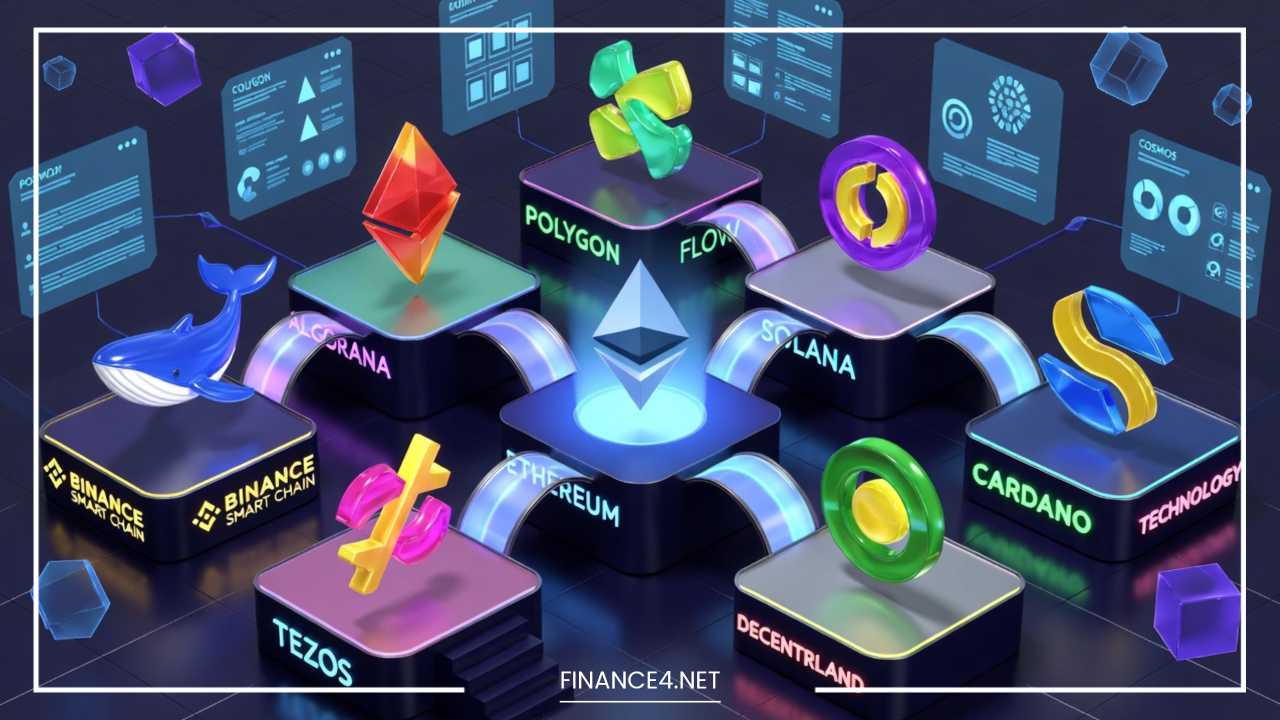
- Ethereum (ETH): Best for high-value art, identity-based PFPs, and established blue-chip projects where security and a massive, established collector base are paramount.
- Polygon (MATIC): Excellent for utility tokens, smaller community collections, or collections with high transaction frequency due to its low gas fees and EVM compatibility.
- Solana (SOL): Ideal for gaming assets and highly scalable, fast-moving projects requiring near-instantaneous transaction finality and lower costs.
You may elect to use a multi-chain strategy, placing different collections on different chains based on their specific needs, but this requires advanced wallet and bridging management.
Wallet and Account Organization
Security and clear separation of funds are non-negotiable:
- Separate Hot Wallets: Dedicate an individual “hot” wallet (e.g., MetaMask, Phantom) for the operational transactions of each specific collection. This limits the blast radius if one wallet is compromised.
- Central Cold Storage: All major revenue and high-value treasury assets should be immediately moved to a dedicated “cold” hardware wallet (e.g., Ledger, Trezor) that is isolated from the internet.
- Multisig for Teams: For any treasury or contract deployment wallet shared by a team, use a multisignature (multisig) solution (e.g., Gnosis Safe). This requires multiple key holders to authorize any transaction, eliminating the risk of a single point of failure or malicious actor.
Smart Contract Strategy
- Separate Contracts: For almost all scenarios, using a separate smart contract for each NFT collection is the industry best practice. This ensures distinct metadata, clear royalty splits, isolated token IDs, and minimizes the risk of a bug in one collection’s contract affecting another.
- Shared Contract (for Advanced Users): Only consider a shared contract (with multiple token standards or collections within it) if you are building an interconnected ecosystem where assets must interact on a fundamental, programmatic level, and you have a highly skilled developer team.
Metadata and Hosting
Reliable, permanent metadata storage is crucial for long-term collection value:
- IPFS (InterPlanetary File System): The standard decentralized storage for most collections. Use a service like Pinata or dedicated nodes to ensure your metadata is perpetually pinned.
- Arweave: Offers a “perma-web” solution with a one-time fee, ensuring even greater longevity and immutability for critical asset files.
- Avoid Centralized Hosting: Never store metadata on a simple cloud server (e.g., AWS S3, Google Cloud) without an IPFS or Arweave layer, as this defeats the purpose of decentralization and creates a single point of failure.
Branding and Visual Identity Management
The greatest danger in managing multiple collections is brand confusion or audience cannibalization. You must achieve a delicate balance: consistent quality under the parent entity, but distinct identity for each project.
The Parent/Child Branding Model
Treat your overarching creative entity (e.g., your studio or collective) as the Parent Brand, and the individual NFT collections as Child Brands.
- Parent Brand Consistency: The parent should have a professional, high-level identity, assuring collectors of quality, reliability, and long-term vision. All child collections should subtly align with this (e.g., a shared font, a specific tone of voice, or a small, common watermark).
- Child Brand Distinction: Each collection needs its own distinct visual language:
- Logos and Mascots: A unique visual symbol for each collection.
- Color Palettes: Use entirely different, contrasting colors to signal a new theme immediately.
- Art Style: If one is pixel art, the next should be 3D rendered, or vice versa. The thematic separation must be immediate and clear.
Social Media and Digital Presence
- Separate Social Channels (Recommended): Each collection should have its own dedicated Twitter/X account, website domain, and Discord/Telegram channel. This allows for hyper-focused content and community building.
- Cross-Promotion Strategy: Use the Parent Brand’s channels and the established collections’ channels solely for strategic, high-impact announcements about the new project, directing followers to the dedicated channels. The primary focus of a collection’s channel should always be that collection.
- SEO & Domain Strategy: Ensure the domain names and social media handles are clean, memorable, and distinct for each project to aid search engine optimization and word-of-mouth promotion.
Project Management Tools & Systems
Attempting to track multiple, complex launches using spreadsheets and sticky notes is a recipe for disaster. Professional-grade project management is essential for synchronization and deadline adherence.
The Centralized Dashboard
Implement a single, shared project management suite that serves as the “source of truth” for all projects:
- Tools of Choice:
- Notion: Excellent for documentation, structured data organization (databases for asset rarity, contract details), and linking technical specifications to marketing plans.
- Airtable: Powerful for relational databases, ideal for tracking individual asset status, holder wallets for airdrops, and financial transactions linked to specific collections.
- Trello/Asana: Best for task management, defining workflows (Art > Review > Metadata > Contract Deployment), and tracking developer sprints.
Tracking Collection Status
Your dashboard must track the following for every collection:
- Technical Status: Smart contract audit completion, metadata finalization, hosting verification, and deployment status.
- Release Calendar: Coordinated, non-overlapping drop dates, pre-sale/whitelist windows, and reveal dates.
- Marketing Assets: Status of trailer creation, press release drafts, influencer outreach, and Twitter thread content.
- Budget & Finance: Dedicated budget tracking for marketing, development, gas fees, and estimated revenue/profit for each collection.
Building a Content Calendar
A unified content calendar is crucial for preventing platform fatigue. Use it to:
- Schedule Releases: Ensure no two major announcements or drops overlap, unless part of a deliberate, coordinated event.
- Batch Content Creation: Streamline the creation of tweets, blog posts, and Discord updates across collections by planning themes or weeks in advance.
- Allocate Team Resources: Ensure designers, community managers, and developers are not over-committed across competing project demands in the same week.
Community Management Across Collections
The community is the lifeblood of an NFT project. Managing multiple communities—each with its own culture, expectations, and tolerance for promotion—is the hardest challenge.
Separate vs. Unified Discord Servers
This is a critical decision with trade-offs:
- Separate Servers (Recommended for most):
- Pros: Allows for a highly focused, authentic culture in each collection; easier moderation; distinct communication channels.
- Cons: Requires more moderator power; risk of community fatigue if users must join five different Discords.
- Best Use: For collections with vastly different audiences or purposes (e.g., a professional art collection vs. a loud, meme-heavy PFP collection).
- Unified Server (with Channel Separation):
- Pros: Centralizes the community, making cross-promotion easier; scales moderation and administrative efforts.
- Cons: Risk of collection A’s community being annoyed by too much news about collection B; difficult to maintain distinct cultures.
- Best Use: For highly interconnected ecosystems where Collection B’s utility relies entirely on holding Collection A.
The Golden Rule: Regardless of the setup, dedicate specific, clearly labeled channels for each collection and set strict rules against unauthorized cross-promotion outside of those channels.
Managing Different Audience Segments
Use token-gating software (e.g., Collab.Land) to assign roles based on what tokens a user holds. This allows you to:
- Target Communication: Send announcements only to holders of a specific collection.
- Reward Loyalty: Create special “OG” or “Loyalist” channels for users who hold tokens from multiple collections, making them feel valued for their support of the entire ecosystem.
- Control Access: Gate specific perks (e.g., whitelist spots, exclusive content) only to the relevant token holders.
Avoiding Community Fatigue & Cannibalization
- Value-First Communication: Never promote a new collection in an existing collection’s channel unless the announcement explicitly grants a benefit or advantage to the existing holders (e.g., a free airdrop, a guaranteed whitelist, a discount).
- Cross-Promotion Strategy: Use a structured “Ambassador” or “Alliance” program where the established collection’s team promotes the new one, offering concrete, measurable incentives to the existing community for supporting the launch.
- Respect the Vibe: Ensure the tone and communication style in each community is authentic to that project’s specific brand.
Marketing and Promotion Strategies
Marketing multiple drops requires coordination, leverage, and surgical precision to avoid diluting the impact of any single campaign.
Coordinated Marketing for Multiple Drops
- The Ecosystem Reveal: Position each launch not as an isolated event, but as the next chapter in a grander narrative. The marketing should always hint at the connective tissue, creating a “fear of missing out on the full picture.”
- Staggered Campaigns: Do not run full-scale marketing campaigns for two projects simultaneously. The new collection’s campaign should only begin in earnest after the previous collection has solidified its secondary market and community.
- The A-B-C Strategy: Launch a major collection (A), follow it with a smaller, utility-focused collection (B) that grants A-holders a benefit, and then follow that with a new art collection (C) that appeals to a different demographic. This creates momentum without direct competition.
Leveraging Past Collections (The Power of Holder Rewards)
The most effective marketing tool for a new collection is the existing collector base.
- Free Mints/Airdrops: Give holders of Collection A a free mint of Collection B. This is the ultimate show of utility and loyalty reward, immediately securing a strong initial holder base for the new project.
- Guaranteed Whitelist (GWL): Offer a guaranteed spot on the whitelist for a new collection, often at a discounted price, to existing holders. This incentivizes holding and rewards loyalty.
- Collaborative Utility: Integrate the past collection into the new one (e.g., Collection A assets can “breed” or “upgrade” with Collection B assets).
Influencer and Collab Management
- Separate Outreach: Keep distinct databases of influencers. An influencer specializing in PFP drops may not be the right fit for an art-focused collection.
- The “Network” Pitch: When pitching to major influencers, sell them on the entire ecosystem—not just the single drop. They are more likely to support a long-term, multi-collection vision than a one-off project.
- Twitter/X Spaces: Use Spaces to bring leaders from multiple collections together, using the combined clout of the ecosystem to attract larger audiences.
Analytics, Reporting, and Growth Tracking
You cannot manage what you do not measure. A multi-collection strategy requires advanced analytics to understand which collections are performing, which are lagging, and where capital is best allocated.
Custom Analytics Dashboards
Do not rely solely on simple marketplace data. Use specialized tools to build custom dashboards:
- Dune Analytics: Ideal for creating custom SQL queries to compare collection performance side-by-side, tracking unique holder growth, and monitoring the movement of “whale” wallets across your entire ecosystem.
- Nansen/Etherscan Pro: Used for deeper on-chain analysis, identifying smart money flow, and tracking gas spending across your different smart contracts.
- Custom Spreadsheets: Essential for tracking off-chain KPIs like social media engagement rate, Discord member churn, and conversion rates from marketing campaigns.
Tracking Collection-Specific KPIs (Key Performance Indicators)
Each collection must be measured against its own success metrics:
- PFP Collection: Track unique holder count, social media sentiment, and the percentage of tokens listed for sale (listing ratio).
- Utility/Game Asset: Track daily/weekly active users (DAUs/WAUs) of the utility, transaction volume of the asset, and the adoption rate within the ecosystem.
- Art Collection: Track average sale price (rather than floor), major auction sales, and the provenance (the history of ownership) of high-value pieces.
Financial Health Reporting
Establish a system to track all financial flows tied to a collection:
- Revenue: Separate tracking for primary sales, secondary royalties (by contract), and external funding rounds (if applicable).
- Expenses: Dedicated buckets for development costs, gas/deployment fees, and marketing spend for each collection.
- Treasury Management: A clear ledger of how much of the multisig treasury is allocated to sustaining and growing each specific project.
Legal and Financial Considerations
Managing multiple lines of digital intellectual property brings complex legal and tax obligations that require professional advice.
IP Ownership Across Multiple Collections
- Clear Licensing: If using external artists or contributors, ensure the smart contracts and legal documentation clearly define who retains the Intellectual Property (IP) for the art versus the brand and the utility.
- Licensing Model: Decide if each collection will have its own licensing model (e.g., CC0/Public Domain vs. full commercial rights to the holder). The model must be clearly stated in the contract metadata and terms of service.
- Global Trademark: As your portfolio grows, consider filing formal trademarks for your most successful collection names and Parent Brand to defend against copycats globally.
Tax Implications and Financial Tracking
- Separation of Accounts: Maintain separate bank accounts or fiat equivalents for each major collection’s operational revenue to simplify accounting.
- Cost Basis Tracking: Meticulously track the cost basis (all associated gas fees, development costs, and marketing spend) for each collection to accurately calculate taxable profits upon sale.
- Jurisdiction: Consult a tax professional regarding how NFT sales and cryptocurrency holdings are treated in your jurisdiction, especially considering the different royalty streams from multiple contracts.
DAO or LLC Structures
As your collections grow, incorporating a formal structure becomes necessary:
- LLC (Limited Liability Company): Often the starting point, providing legal separation between the business and personal assets. You may need a parent LLC with sub-entities for major collections.
- DAO (Decentralized Autonomous Organization): For collections focused on community ownership and governance, a DAO structure can manage the treasury and future decisions, often with tokens from each collection having weighted voting power.
Common Challenges and How to Overcome Them
Even with the best planning, managing multiple NFT collections introduces unique friction points.
| Challenge | Impact | Mitigation Strategy |
| Burnout/Resource Limits | Decreased quality, missed deadlines, team turnover. | Hire dedicated, collection-specific community managers. Outsource development for non-core features. Enforce a strict, shared content calendar. |
| Overlapping Audiences | Members from Collection A feel spammed or confused by Collection B. | Aggressive token-gating and community segmentation. Reward holders of both collections with an exclusive benefit to encourage loyalty. |
| Floor Price Cannibalization | The launch of a new collection causes the floor price of a previous, related collection to drop. | Ensure the new collection offers a clear upgrade or utility to the old one (e.g., a free mint), incentivizing holders to keep the old token. Stagger launch dates widely. |
| Brand Dilution | Lack of a coherent vision; collectors lose faith in the Parent Brand’s direction. | Maintain a clear, unified artistic and strategic vision overseen by the creative director. Every launch must make sense in the ecosystem’s narrative. |
Case Studies or Real-World Examples
Looking at successful multi-collection entities provides invaluable lessons.
Yuga Labs (Bored Ape Yacht Club Ecosystem)
- Collections Managed: BAYC, Mutant Ape Yacht Club (MAYC), Bored Ape Kennel Club (BAKC), Otherside Deeds, CryptoPunks, Meebits.
- Strategy: Used the Airdrop/Utility Model. The original BAYC token became the Access Key to all future utility. MAYC and BAKC were given as free airdrops to BAYC holders, instantly rewarding loyalty and creating two new high-value collections without an initial capital raise. This strategy successfully layered utility, making the original BAYC highly valuable due to the sheer volume of associated perks.
- Lesson: The greatest reward for supporting the first project should be a benefit to the second. Utility-first management creates an interconnected, self-supporting ecosystem.
Proof Collective (Moonbirds & Oddities)
- Collections Managed: Proof Collective Pass, Moonbirds, Moonbirds Oddities.
- Strategy: Used a strict Tiered Access Model. The original Proof Collective Pass (very expensive) granted the exclusive right to mint Moonbirds. Moonbirds were then “nested” (staked) to earn a free airdrop of the Oddities collection.
- Lesson: Scarcity and layered access drives demand. By making the second and third collections a reward for holding the first, they created immense loyalty and utility for their entire portfolio.
RTFKT (Clone X, MNLTH, various fashion drops)
- Strategy: Used a Phygital/Brand Extension Model. Each collection builds on the last, often pairing a digital asset with a physical counterpart. Their success is built on the strength of the Parent Brand (RTFKT, now owned by Nike), which ensures a consistent, high-quality, and fashion-forward vision across all launches.
- Lesson: A strong Parent Brand allows for diverse collections if the core value proposition (e.g., merging fashion and digital) remains constant.
Final Thoughts
Managing multiple NFT collections is not merely about launching more assets; it is about building an interconnected, resilient, and enduring digital intellectual property. The key to navigating this complexity lies in substituting chaos with systematic, centralized management and substituting randomness with strategic, community-focused utility.
The future belongs to the ecosystem builders—those who can effectively leverage their existing community to launch the next one, reward their holders, and manage their resources with the discipline of a Fortune 500 company.
Final Management Checklist:
Define the unique purpose, audience, and utility of every collection.
Secure assets using a dedicated multisig for the treasury and separate hot wallets for each project.
Separate branding and social media channels to maintain distinct identities.
Synchronize all launches and updates using a unified project management dashboard.
Prioritize the existing community by giving them exclusive benefits for new drops.
Track performance using collection-specific KPIs and a transparent financial ledger.
By adhering to these principles, you can transform a disparate group of projects into a cohesive, thriving portfolio.