How to Mint Zero-Royalty NFTs
 by
by 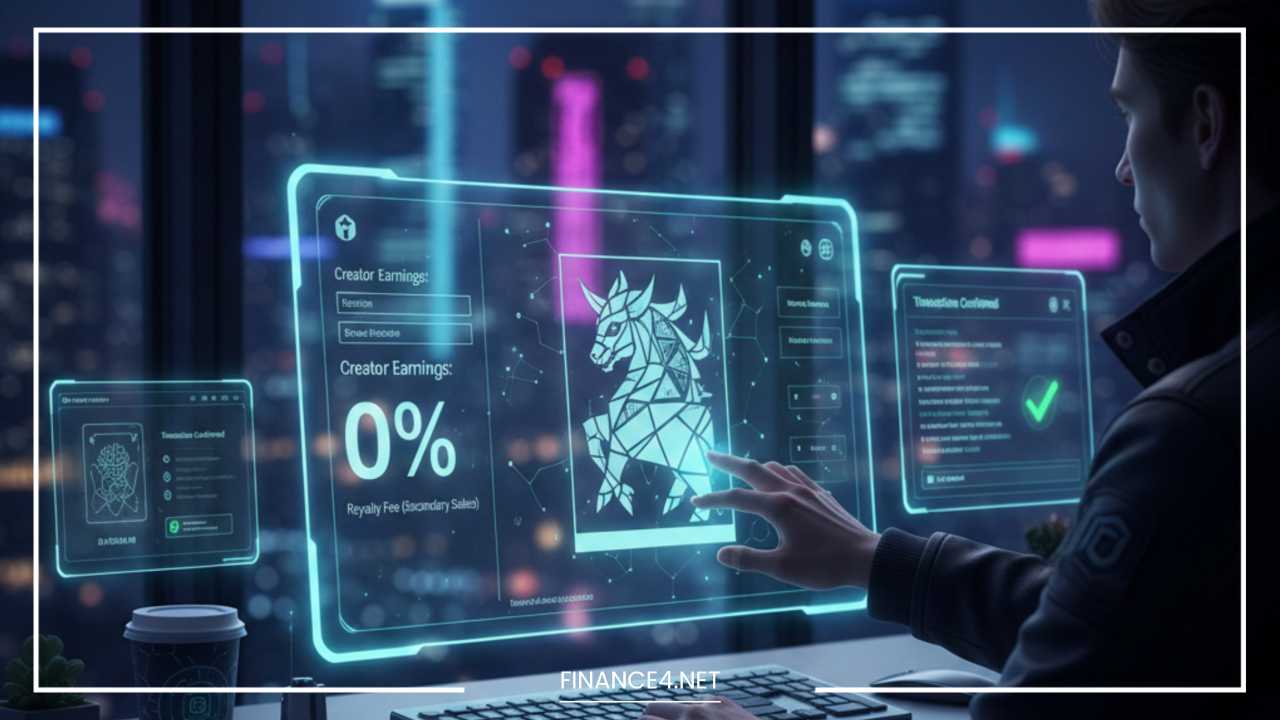
How to Mint Zero-Royalty NFTs | Step-by-Step Guide
Non-Fungible Tokens (NFTs) have fundamentally changed how digital ownership is conceived and traded. An NFT is essentially a unique digital certificate of ownership, secured on a blockchain, representing an asset ranging from digital art and music to in-game items and real-world deeds. When the NFT market boomed, one of its most celebrated innovations was the creator royalty—a mechanism intended to give artists and original creators a percentage of every subsequent secondary sale of their work.
However, the NFT landscape is dynamic, and the mechanism of royalties has become a hotly debated topic, leading to the rise of zero-royalty NFTs. These are digital collectibles where the creator forgoes any claim on secondary market sales, shifting the financial burden and incentive structure in the marketplace. This model has gained significant traction, driven by marketplaces and collectors seeking higher liquidity and lower transaction costs, challenging the established norms of creator compensation.
Zero-royalty NFTs are not just a technical workaround; they represent a fundamental economic choice. They appeal to high-volume traders, collectors seeking maximum value retention, and even certain artists whose primary revenue is derived from initial sales or other community models.
In this comprehensive guide, you will learn the mechanics behind NFT royalties, the economic rationale for opting for a zero-royalty model, and a detailed, step-by-step technical guide on how to mint your own zero-royalty NFTs across major platforms and blockchains.
Understanding NFT Royalties
What are NFT Royalties?
An NFT royalty is a percentage of the sale price that is automatically paid to the original creator’s wallet every time their NFT is sold on a secondary market. If a royalty is set at 10% and the NFT sells for 1 ETH, the seller receives 0.9 ETH and the creator receives 0.1 ETH.
How Royalties Traditionally Work
The concept of royalties in NFTs is not inherent to the basic ERC-721 or ERC-1155 token standards (the technical blueprints for most NFTs). Instead, they are implemented in one of two main ways:
-
Smart Contract Level (On-Chain): Some custom smart contracts, and especially the EIP-2981 (NFT Royalty Standard), include logic that explicitly defines the royalty percentage and the receiving wallet address. This is the most secure method, but even it requires the marketplace to honor the standard.
-
Marketplace Level (Off-Chain): For many traditional contracts, the royalty payment is simply a parameter embedded in the NFT’s metadata or an indexer maintained by the minting platform. The marketplace’s front-end code is responsible for deducting the royalty and forwarding it to the creator’s wallet.
The original intention behind royalties was revolutionary: to provide continuous, passive income to digital artists, mirroring the income streams enjoyed by musicians or writers.
Problems with Traditional Royalties
While noble, the royalty system faced two major problems:
-
Enforcement Issues: Because royalties are often enforced at the marketplace level rather than being hard-coded into the underlying blockchain logic, marketplaces are free to ignore or bypass them. This led to a “race to zero” as some trading platforms began offering zero-royalty trading to attract volume.
-
Reduced Liquidity and Friction: A 10% royalty means a trader must find a buyer willing to pay 10% more than the last sale price just to break even (before factoring in gas fees and marketplace fees). This added friction, discouraging high-volume, short-term trading (flipping) and potentially depressing market liquidity.
The desire to maximize trading volume and reduce transaction friction is the primary driver for marketplaces and collectors to prefer the zero-royalty model.
What Are Zero-Royalty NFTs?
Definition and Characteristics
A Zero-Royalty NFT is a Non-Fungible Token that is designed or traded such that the original creator receives 0% of the proceeds from all secondary market sales.
The distinction is crucial:
-
Zero-Royalty by Design (Smart Contract Choice): This is when the creator explicitly sets the royalty percentage to 0% within the underlying smart contract during deployment. This is the most definitive way to signal the zero-royalty intent.
-
Zero-Royalty Marketplaces (Marketplace Override): This occurs when an NFT with a royalty set (e.g., 5%) is listed on a marketplace that has chosen to not enforce any royalties. The contract technically specifies a royalty, but the platform’s trading mechanism ignores it, resulting in a net zero-royalty payment to the creator. This guide focuses on the former: creating NFTs designed from the start to have zero royalties.
Use Cases for Zero-Royalty NFTs
Zero-royalty models are particularly popular in specific segments of the NFT world:
-
PFPs (Profile Picture) & High-Volume Trading Collections: Where rapid, high-volume trading is incentivized by low friction.
-
Gaming Assets: In-game items and assets that are bought and sold frequently. Lower transaction costs encourage greater trade and engagement within the game’s economy.
-
Utility & Membership Tokens: NFTs whose primary value is access, not aesthetic resale. The zero-royalty model aligns with a membership where the goal is use, not trading profit.
Pros & Cons of Zero-Royalty NFTs
Choosing the zero-royalty route is a strategic economic decision with trade-offs.
Pros of Zero-Royalty NFTs
-
Higher Liquidity and Trading Volume: By removing the substantial creator tax on secondary sales, the trading costs are lower. This encourages frequent trading, which can lead to a more vibrant and liquid market for the collection.
-
Reduced Friction for Collectors and Traders: Buyers can confidently enter the market knowing their exit price doesn’t need to account for a hefty royalty deduction. This appeals directly to the trader and collector mindset.
-
Attractiveness to “Flippers” and Communities: The absence of a royalty tax attracts traders who seek quick, small profits, which in turn generates buzz and maintains a lively floor price.
Cons of Zero-Royalty NFTs
-
Lack of Creator Income from Secondary Sales: This is the most obvious drawback. The creator must rely exclusively on initial sales (the mint) or alternative revenue streams, potentially missing out on massive payouts if their collection explodes in value.
-
Potential Misalignment Between Creators and Buyers: The royalty model theoretically aligns the creator’s long-term interests with the collection’s success. Without royalties, creators must work harder to demonstrate their continued commitment to the project, as their direct financial tie to secondary success is severed.
-
Reliance on Other Revenue Models: Creators must have a robust plan for sustainable income, which may involve more complex primary sales structures (e.g., higher mint price), subscriptions, merchandise, or token-gated experiences.
Technical Requirements Before Minting
Before deploying any NFT collection, zero-royalty or otherwise, specific technical prerequisites must be met.
Wallet Setup
You need a non-custodial cryptocurrency wallet to interact with the blockchain, pay gas fees, and receive initial sales funds.
-
Ethereum/Polygon/Base: MetaMask is the industry standard.
-
Solana: Phantom or Solflare are the most common.
Ensure your wallet is funded with the native token of your chosen blockchain (e.g., ETH for Ethereum, SOL for Solana) to cover transaction (gas) fees.
Choosing a Blockchain
The choice of blockchain is critical, as each has different costs and royalty enforcement norms:
-
Ethereum (ETH): High gas fees, but maximum security and prestige. Royalties are optional at the contract level.
-
Polygon (MATIC): EVM-compatible and low-fee. Popular for utility and gaming NFTs. Royalties are optional.
-
Solana (SOL): Very fast and very low fees. Marketplaces like Magic Eden and Tensor have actively fostered a zero-royalty environment, making it a popular choice for this model.
-
Base (BASE/ETH): Built on the Coinbase ecosystem, offering low fees and a growing community.
Choosing the Right Minting Method
Your technical skill level will dictate your minting approach:
-
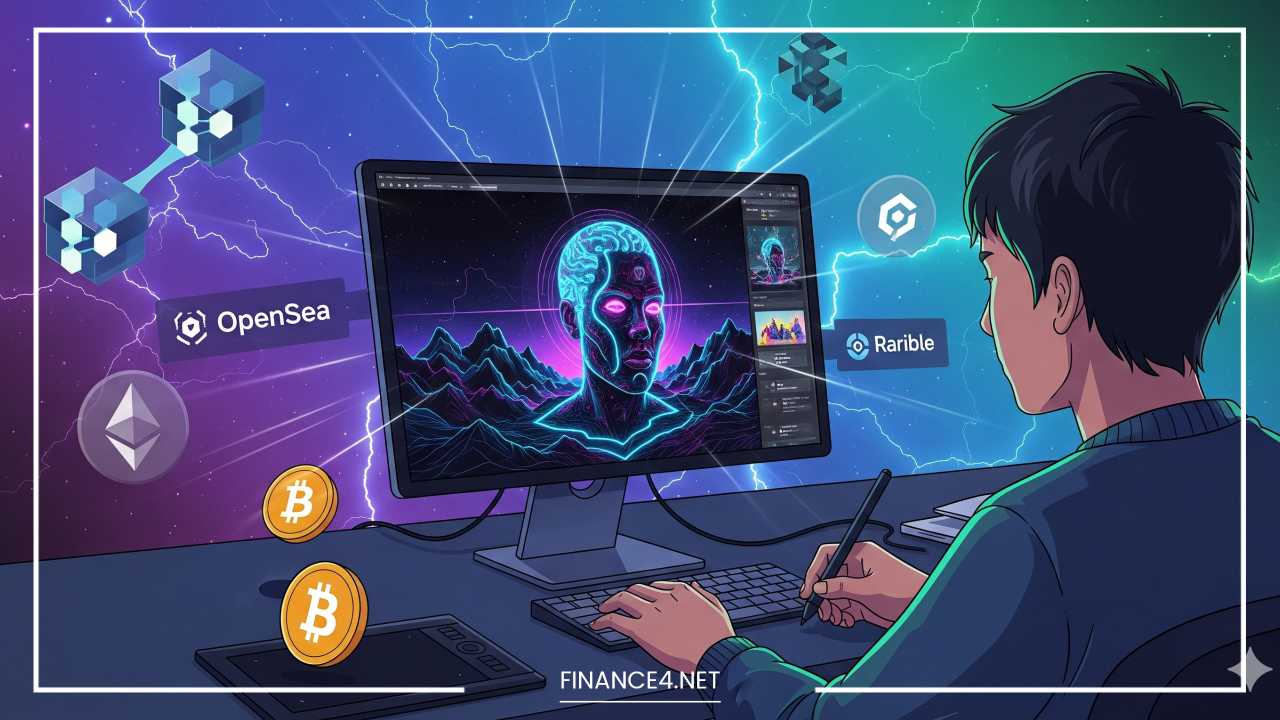
No-Code Platforms (Recommended for beginners): Use a platform like OpenSea Studio, Rarible, or Manifold. These tools generate and deploy the smart contract for you, allowing you to simply set the royalty percentage to 0% in the UI.
-
Custom Smart Contracts (Recommended for developers): Write and deploy your own contract using Solidity (for EVM chains) or Rust (for Solana). This gives maximum control over the contract logic, including the explicit setting of
royaltyFeeto zero. -
NFT Launchpads: Services designed to deploy contracts for entire collections, often with built-in tools for setting mint price, supply, and—crucially—royalties.
Gas Fee Considerations
Minting requires paying a gas fee (a transaction fee) to the blockchain network. The fee amount varies wildly based on network congestion. Zero-royalty is an economic choice, but it doesn’t eliminate the technical cost of minting. Lazy minting is an alternative, where the NFT is only minted to the blockchain upon its first sale, deferring gas costs to the buyer.
File Requirements for NFT Assets
The actual digital asset (the image, video, GIF) needs to be stored on a decentralized file storage system, typically IPFS (InterPlanetary File System) or Arweave. The NFT’s metadata file (usually a JSON file) contains the information about the token, including its name, description, attributes, and most importantly, the link to the asset’s storage location. All metadata must be accurately formatted according to the standards of the chosen blockchain and platform.
Choosing the Right Blockchain for Zero-Royalty NFTs
The blockchain you choose is fundamentally important because royalty enforcement norms differ drastically between ecosystems.
How Major Chains Handle Optional Royalties
| Blockchain | Primary Enforcement Method | Zero-Royalty Viability | Notes |
| Ethereum | EIP-2981 (Optional Standard) | High | Creators can set 0% in their EIP-2981 compatible contract. Many marketplaces respect this explicit setting. |
| Polygon | EIP-2981 / Marketplace UI | High | Low gas fees make it attractive for high-volume, low-value zero-royalty trades. |
| Solana | Metaplex/Marketplace Logic | Very High | Marketplaces like Magic Eden and Tensor have aggressively adopted optional or zero-royalty trading, making the ecosystem more conducive to this model. |
| Base | EIP-2981 / Marketplace UI | High | Low fees and EVM compatibility make it a good, lower-cost alternative to Ethereum. |
Factors to Compare
-
Marketplace Support for Zero-Royalty Trading: If you mint zero-royalty, you need to be sure there are large marketplaces where your collection can be listed and traded without interference or penalties. Solana’s ecosystem is arguably the most advanced here.
-
Gas Fees: For collections intended to be traded frequently, low gas fees (Polygon, Solana, Base) are a major advantage, making zero-royalty trading cost-effective.
-
Community and Developer Tools: Ensure the ecosystem you choose has robust tools, active communities, and resources to support your project long-term.
Platforms That Support Zero-Royalty Minting
You don’t need to be a Solidity developer to mint a zero-royalty NFT. Many leading platforms now offer this setting as an easy configuration option.
Major Platforms and Their Zero-Royalty Features
-
OpenSea (Studio): OpenSea’s creator platform allows you to deploy a contract and explicitly set the royalty percentage. Simply input 0% in the royalty fee field.
-
Magic Eden (Solana/Polygon/Ethereum): As a platform that has embraced optional royalties, Magic Eden allows creators to deploy new collections on Solana and Polygon with zero royalties configured from the start.
-
Tensor (Solana): A leading Solana-native marketplace that heavily caters to traders and zero-royalty models. It supports contract deployment with zero royalties.
-
Rarible Protocol/Rarible: Allows creators to use their tools to deploy customizable contracts. The royalty setting can be easily adjusted to 0%.
-
Manifold: A platform for deploying custom, creator-owned smart contracts (Creator Contracts). This is the best option for advanced creators who want maximum ownership and control, including setting the royalty to zero from the contract code level.
-
Zora: Known for its decentralized, on-chain tools, Zora’s protocol is creator-centric and allows for flexible fee structures, making zero royalties a viable choice for contract deployers.
What to Look for in a Platform
When choosing a platform for your zero-royalty launch, prioritize the following:
-
Contract Ownership: Ensure the platform grants you full ownership of the deployed smart contract. This guarantees you retain control over the collection’s long-term future, regardless of platform changes.
-
Royalty Enforcement Options: Verify that the platform’s creation tool allows you to input “0%” and that the resulting contract code reflects this intent (by omitting or zeroing the royalty function).
-
Marketplace Compatibility: A contract deployed on Platform A must be easily tradable on Platforms B, C, and D. This is usually the case, but it’s important to confirm.
-
Minting Cost: Compare the upfront costs and platform fees associated with deploying the contract.
Step-by-Step Guide: How to Mint Zero-Royalty NFTs
This detailed walkthrough is optimized for the no-code platform method using a generic, highly customizable tool (like Manifold or OpenSea Studio), as it is the most accessible path.
Step 1 — Prepare Your NFT Assets
The preparatory work is the same for all NFTs.
-
Organize Artwork/Files: Ensure all your digital assets (images, videos) are finalized and optimized.
-
Generate Metadata: Create a JSON file for every single NFT in your collection. This file contains the token’s specific data, including:
-
name: The name of the specific token. -
description: A short description. -
image: The link to the actual asset (e.g.,ipfs://<hash>/1.png). -
attributes: The properties/traits that define the rarity.
-
-
Upload to IPFS/Arweave: Use a pinning service (like Pinata) to upload all your assets and the corresponding JSON metadata files. Crucially, you will need the base URI (the folder link) for your metadata folder.
Step 2 — Choose Your Blockchain & Minting Platform
Based on the comparison above, select the chain (e.g., Polygon for low fees) and the no-code platform (e.g., OpenSea Studio) that aligns with your goals. Connect your funded wallet (e.g., MetaMask).
Step 3 — Create/Deploy Your Smart Contract
No-Code Method (Recommended)
-
Navigate to the contract deployment section of your chosen platform.
-
Select your contract type (e.g., ERC-721 or ERC-1155).
-
Input your collection name, symbol (ticker), and initial supply.
-
Specify the wallet address that will own the contract.
-
Crucial Step: When prompted for the Base URI or Content URI, paste the IPFS/Arweave link to your metadata folder.
-
Initiate the deployment. You will be prompted by your wallet to sign and pay the gas fee.
Custom Smart Contract (Developer Path)
Developers will use an integrated development environment (IDE) like Remix (for Ethereum) or a framework like Hardhat/Foundry. The contract deployment script will explicitly define the royalty settings. See the section below.
Step 4 — Configure Royalty Settings
This is the most critical technical step for a zero-royalty NFT.
-
Set Royalties to 0% in the Contract UI: During the deployment process on the no-code platform, you will encounter a field labeled “Creator Earnings,” “Royalty Fee,” or “Secondary Sale Royalty.” You must input 0% in this field.
-
Verify Zero-Royalty Setting: Once the contract is deployed, use a blockchain explorer (Etherscan, Solscan) to verify the contract functions. Advanced platforms like Manifold will show you the deployed code, confirming that the royalty function is either absent or returns a value of zero.
Step 5 — Mint the NFT (or Activate the Collection)
-
Finalize Asset Upload: If not done in Step 3, confirm the metadata link is correct.
-
Activate Mint: Depending on the platform, you may need to either manually mint the initial tokens to your own wallet or simply activate the public mint process.
-
Pay Gas or Use Lazy Minting: Pay the transaction fee to complete the minting. If using lazy minting, this step is skipped, and the gas cost is deferred.
Step 6 — List on a Zero-Royalty Marketplace
Even with a zero-royalty contract, you should list your NFT on a marketplace known for respecting these settings to ensure maximum trade appeal.
-
Connect your wallet to the marketplace (e.g., Magic Eden, Tensor).
-
Find your newly minted collection in your profile.
-
Select an NFT and choose “List for Sale.”
-
Set your price and choose the listing type (Fixed Price/Auction).
-
Confirm the Listing: Double-check the summary before confirming; the fee breakdown should show a 0% creator royalty fee.
How to Implement Zero-Royalties in Custom Smart Contracts
For maximum control, developers write their own contracts. The key is in how the royalty function is coded.
Solidity Example (ERC-721 with EIP-2981)
To be compatible with the most widely adopted royalty standard, you must implement the royaltyInfo function. For a zero-royalty design, the function must be coded to return a fee amount of zero:
function royaltyInfo(uint256 _tokenId, uint256 _salePrice)
    external
    view
    override
    returns (address receiver, uint256 royaltyAmount)
{
    // Receiver is set, but royalty amount is explicitly zero
    return (creatorAddress, 0);
}
The royaltyAmount is calculated based on the _salePrice. By returning 0, you are explicitly stating the royalty is zero, regardless of the sale price.
Discussion of EIP-2981 Compatibility
EIP-2981 is the voluntary on-chain standard. By implementing it and setting the fee to zero, you provide the clearest possible signal to all marketplaces that your collection is intended to be zero-royalty. Marketplaces that respect EIP-2981 will honor your explicit zero setting.
Tips for Audit and Security
Any custom contract should be professionally audited. For zero-royalty collections, ensure the auditor specifically checks that there are no backdoors or secondary fee mechanisms that can be exploited or mistakenly triggered. Security is paramount.
Best Practices for Launching Zero-Royalty NFT Collections
Since you are forgoing secondary market income, your primary revenue and community strategies must be exceptionally strong.
How to Build Sustainable Revenue Without Royalties
-
Primary Sale Pricing: Set a higher, but still justifiable, initial mint price. The initial sale is now the only guaranteed direct income stream.
-
Subscription Models: The NFT acts as a membership pass to token-gated content, exclusive Discord channels, or access to future drops. Creators charge a recurring, off-chain subscription fee for continued access.
-
Token-Gated Content/Experiences: Sell physical merchandise, concert tickets, or specialized digital assets that are only accessible to holders of the zero-royalty NFT.
-
Physical Merchandise and IP Licensing: Use the collection’s IP to generate revenue through traditional licensing and merchandise sales.
-
Membership Models and DAO Fees: Implement a small, one-time fee to join the collection’s DAO or community fund, payable upon initial mint.
Building Community Trust
The “why” behind your zero-royalty choice must be transparent:
-
Transparent Communication: Clearly state that the 0% royalty is a deliberate choice made for the community to maximize liquidity and encourage trading. Frame it as a community-first decision.
-
Commitment to Utility: Since you aren’t financially tied to secondary sales, you must double down on delivering utility and value to the holders to incentivize holding and prevent rapid abandonment.
Common Mistakes to Avoid
Successfully launching a zero-royalty collection requires vigilance against common pitfalls.
-
Forgetting to Disable Royalties in the Contract: The single biggest mistake. If you use a no-code platform, you must explicitly set the number to 0%. A blank field may default to the platform’s standard (e.g., 5% or 10%). Always verify.
-
Picking Marketplaces That Force Royalties Regardless of Settings: While less common now, some legacy marketplaces may attempt to enforce a platform-level fee regardless of your contract setting. Research the platform’s current policy before listing.
-
Mispricing the Initial Mint: Because the primary sale is your only guaranteed income, underpricing the initial mint can lead to unsustainable project economics. Price strategically to cover costs and fund the project’s roadmap.
-
Poor Metadata Structuring: Incorrect IPFS links or poorly formatted JSON files will break the NFT, rendering it unusable and untradable.
Future of Zero-Royalty NFTs
The zero-royalty movement is not a temporary anomaly; it’s a structural shift in the NFT economy.
What the Trend Means for the NFT Economy
The move toward zero or optional royalties signals a maturity in the market, transitioning from a focus purely on creator reward to an emphasis on liquidity and open market efficiency. It essentially separates the value of the NFT as a piece of art/utility from the value of the NFT as a tradable financial asset.
New Forms of Creator Monetization
This trend forces creators to innovate. The future of NFT monetization will likely rely on multi-modal revenue streams—a blend of high-value primary sales, recurring membership fees, commercial IP licensing, and ecosystem tokens—rather than the single point of failure that a secondary royalty represents.
Prediction of Royalty Systems Evolving
We will likely see the rise of hybrid royalty models where creators can dynamically adjust the royalty based on the NFT’s age, trading volume, or other on-chain metrics, allowing for more flexible, market-responsive pricing. Blockchains may also introduce native fee mechanisms that are harder for marketplaces to bypass.
Effect on Collectors, Traders, and Artists
-
Collectors/Traders: They gain greater control over their capital and lower transaction costs, likely increasing trading activity.
-
Artists: They must shift their business model from passive secondary income to active value creation and community management, ensuring their initial mint is sufficiently profitable.
Final Thoughts
Minting a zero-royalty NFT is a strategic, community-focused choice. It requires explicit technical action—setting the royalty to 0% in the smart contract or platform configuration—and a robust plan for sustainable income. While the path is challenging, the reward is a collection optimized for liquidity, lower friction, and maximum appeal to high-volume traders. Choose the model that best aligns with your long-term goals, whether that is maximum creator income or maximum market activity.
Would you like a side-by-side comparison table of the setup process on OpenSea Studio versus a custom Manifold deployment?