Top Cross-Chain NFT Launchpads
 by
by 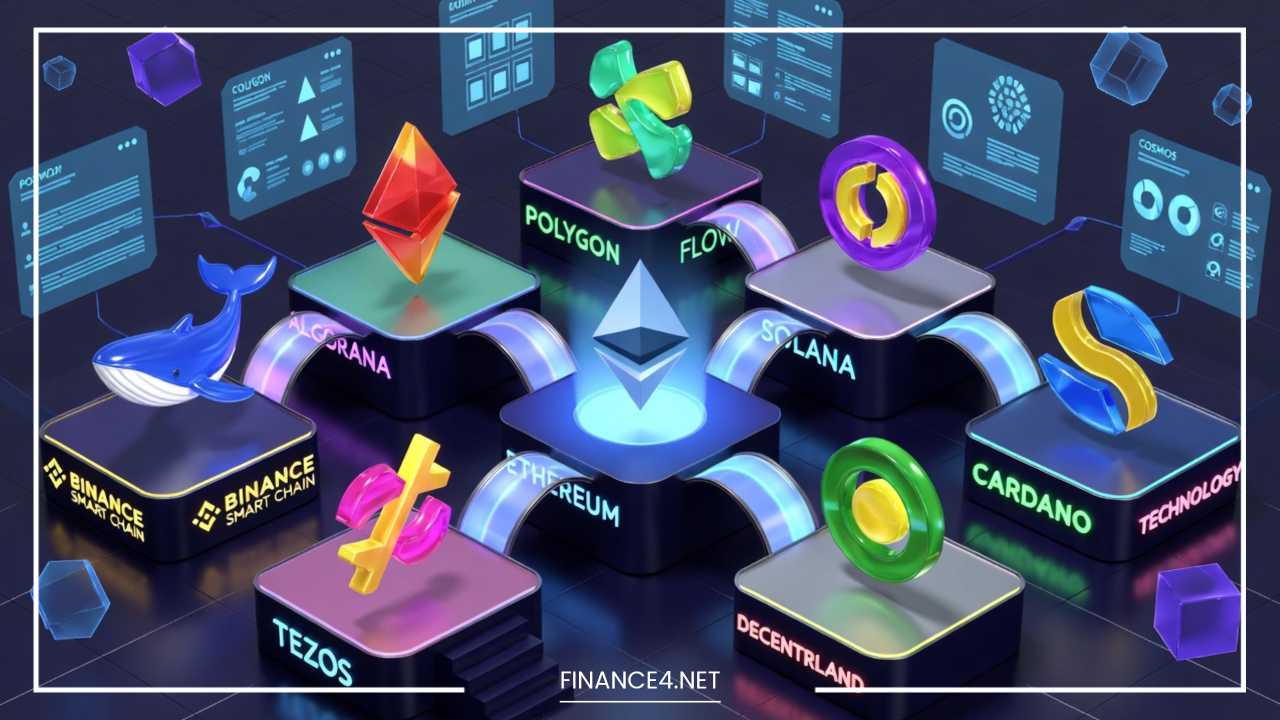
Top Cross-Chain NFT Launchpads | Best Platforms for NFT Projects
The digital asset landscape has undergone a radical transformation since the initial NFT boom. As we move through 2026, the industry has shifted from isolated ecosystems toward a unified, interoperable future. For creators and developers, the choice of where to launch a collection is no longer restricted to a single blockchain. The rise of cross-chain NFT launchpads has redefined how digital assets are minted, distributed, and traded.
Non-fungible tokens (NFTs) have evolved far beyond simple digital JPEGs. Today, they represent everything from real-world assets (RWAs) and gaming utility to decentralized identity and intellectual property. However, as the number of blockchain networks grew—ranging from the security-focused Ethereum to high-speed networks like Solana and Layer-2 solutions like Polygon—the market became fragmented. Users on one chain often found it difficult or expensive to access assets on another.
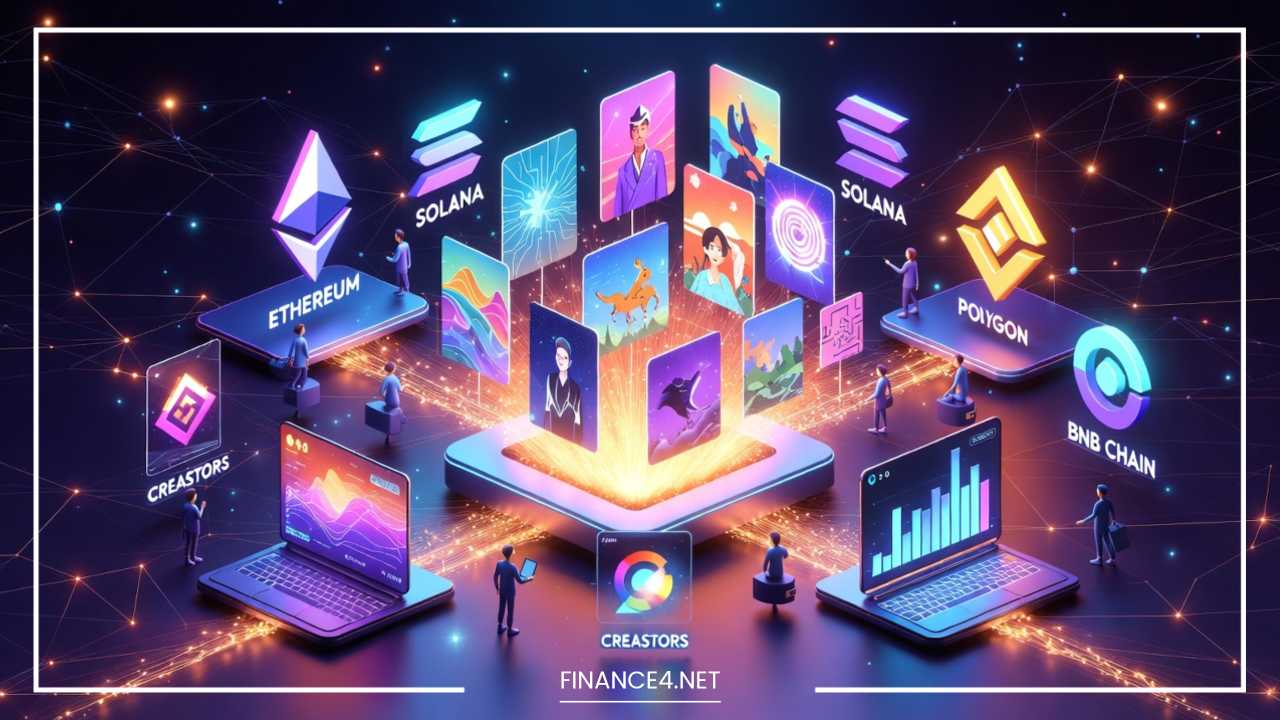
This is where cross-chain NFTs and their respective launchpads become vital. A cross-chain NFT is an asset capable of moving across different blockchains or being minted on multiple networks simultaneously. Cross-chain launchpads act as the primary gateway for this technology, providing creators with the infrastructure to reach diverse communities, minimize gas fees, and ensure long-term liquidity.
By leveraging these platforms, NFT projects can tap into the massive liquidity of Ethereum while utilizing the cost-effectiveness of networks like BNB Chain or the speed of Solana. In this article, we will explore the mechanics of these platforms, why they are essential in 2026, and the top launchpads leading the charge.
What is a Cross-Chain NFT Launchpad?
To understand a cross-chain launchpad, we must first break down its core components.
A launchpad is a specialized platform that helps early-stage NFT projects go from concept to market. It provides a structured environment for Initial NFT Offerings (INOs), handling the technical aspects of minting, whitelisting, and the initial sale. For creators, it offers a ready-made audience; for collectors, it provides a curated selection of vetted projects.
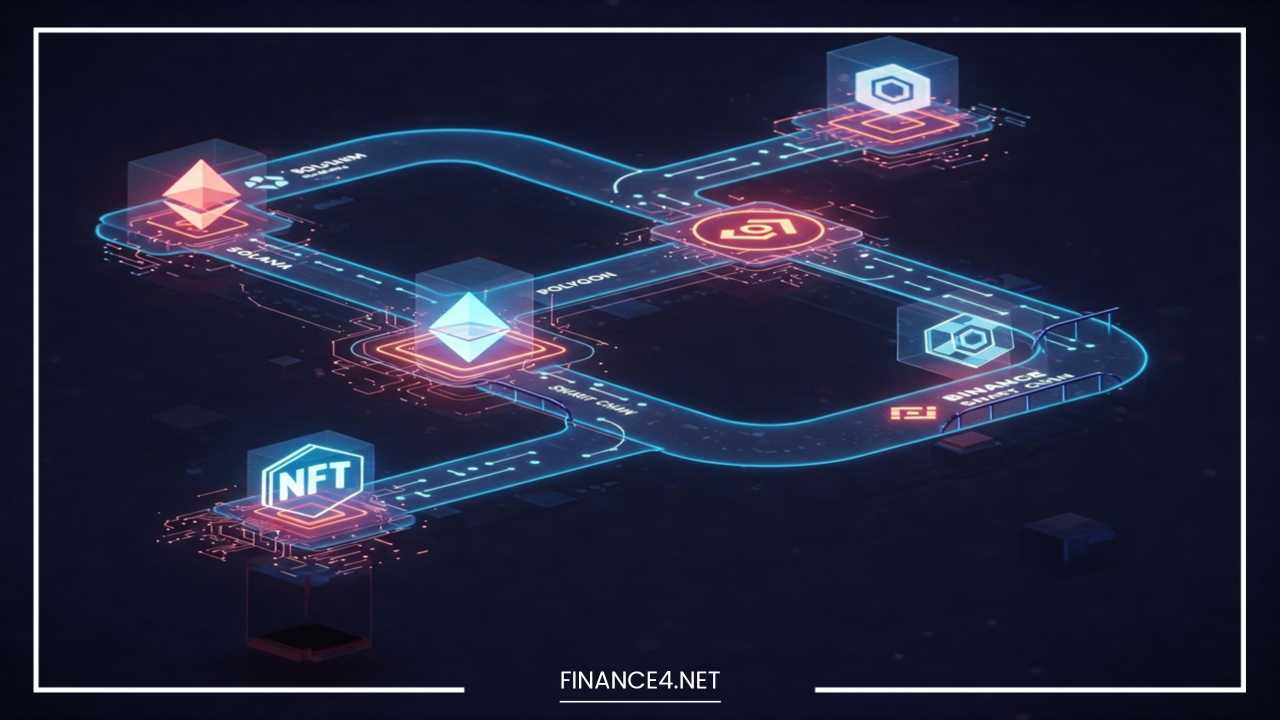
Cross-chain functionality refers to the platform’s ability to interact with multiple blockchain protocols. Unlike traditional launchpads that are locked into a single ecosystem, cross-chain launchpads utilize bridges, messaging protocols, and interoperability standards to allow a project to exist across several environments.
Benefits of Cross-Chain Platforms:
-
Interoperability: Creators can launch a project on Ethereum but allow users to mint using Solana or Polygon.
-
Wider Audience: Projects are not limited to the silo of one community. They can attract liquidity from every supported network.
-
Economic Efficiency: By offering minting on low-fee chains, launchpads make NFTs accessible to retail investors who might be priced out by Ethereum’s high gas costs.
-
Flexibility: Creators can choose the best chain for their specific utility.
Technical Challenges:
While powerful, these platforms face complexities. Ensuring that an NFT remains unique while moving between chains requires sophisticated lock-and-mint or burn-and-mint smart contract logic. Security is paramount, as bridges have historically been targets for exploits.
Why Cross-Chain NFT Launchpads Are Gaining Popularity
In 2026, the multi-chain approach is no longer a luxury; it is a necessity for project survival. Several market drivers have pushed cross-chain launchpads into the spotlight.
1. Market Saturation and Competition
With thousands of new projects launching monthly, standing out on a single chain is difficult. Cross-chain exposure allows a project to be everywhere at once, increasing its visibility in the global marketplace.
2. The Rise of Phygital and RWA Tokens
As real-world assets like real estate and luxury goods are tokenized, they require a level of liquidity that a single chain cannot provide. Cross-chain launchpads allow these high-value assets to be traded across institutional-grade networks and retail-friendly chains alike.
3. Enhanced Collector Experience
Modern collectors use multi-chain wallets. They expect to view and manage their portfolio in a single dashboard regardless of where the asset was minted. Launchpads that support this seamless experience see much higher retention rates.
4. 2026 Market Trends
Current statistics show that over 40% of NFT trading volume now occurs on Layer-2 networks and alternative Layer-1s. Projects that fail to offer cross-chain accessibility effectively ignore nearly half of the potential market.
Key Features of Top Cross-Chain NFT Launchpads
When evaluating a launchpad, both creators and investors should look for specific technical and community-driven features.
-
Multi-Chain Support: The platform should ideally support a mix of EVM-compatible chains (Ethereum, BNB Chain, Polygon, Avalanche) and non-EVM chains (Solana, Bitcoin, or Sui).
-
Seamless User Experience (UX): The best platforms abstract away the complexity of bridging. A user should be able to click mint and have the platform handle the backend cross-chain communication.
-
Security and Audits: Top launchpads conduct rigorous due diligence on the projects they host and ensure their own smart contracts are audited by reputable firms.
-
Community Engagement Tools: Features like staking to earn whitelist spots or Discord-integrated verification are essential for building a loyal following.
-
Liquidity Integration: A great launchpad doesn’t just mint the NFT; it ensures the asset is immediately listable on major secondary marketplaces across all supported chains.
Top Cross-Chain NFT Launchpads
As we look at the leaders in the space, these platforms have distinguished themselves through their technical robustness, community size, and successful track records.
1. Polkastarter
Polkastarter has long been a titan in the decentralized fundraising space. While it began as an IDO (Initial DEX Offering) platform, it has evolved into a premier destination for NFT launches.
-
Platform Overview: A decentralized protocol built for cross-chain token pools and auctions.
-
Supported Chains: Ethereum, BNB Chain, Polygon, Solana, Polkadot, Avalanche, and Celo.
-
Unique Features: It uses a Fixed Swap pool model that prevents front-running and ensures a fair distribution. Its POLS Power system rewards long-term token holders with priority access to top-tier NFT drops. In 2026, it introduced AI-powered trading tools to help users analyze the rarity and potential of upcoming NFT collections.
-
Pros: High level of trust, massive existing community, and excellent marketing support for projects.
-
Cons: Very high barrier to entry for creators; projects must pass a strict curation committee.
-
Best For: High-budget, premium NFT projects and gaming ecosystems looking for institutional-grade exposure.
2. Binance NFT Launchpad
Leveraging the world’s largest exchange ecosystem, Binance NFT provides unparalleled liquidity and user reach.
-
Platform Overview: A centralized but highly efficient launchpad integrated directly into the Binance exchange.
-
Supported Chains: BNB Chain, Ethereum, Polygon, and Bitcoin (for Ordinals).
-
Unique Features: The Subscription Mechanism ensures that even users with smaller holdings have a fair chance at winning a minting spot through a transparent lottery system. It offers direct fiat on-ramps, allowing non-crypto natives to participate using credit cards.
-
Pros: Instant access to millions of users, high security, and seamless integration with the Binance exchange wallet.
-
Cons: Centralized nature; projects must comply with strict corporate and regulatory standards.
-
Best For: Large-scale brands, gaming studios, and projects targeting a mainstream, global audience.
3. Magic Eden
Originally a Solana-native marketplace, Magic Eden has transformed into the most influential cross-chain NFT engine in the world.
-
Platform Overview: A multi-chain NFT marketplace and launchpad that focuses on gaming and digital collectibles.
-
Supported Chains: Solana, Bitcoin, Ethereum, Polygon, and Base.
-
Unique Features: Magic Eden’s launchpad is known for its Lucky Buy and Packs features, which gamify the minting process. Its cross-chain wallet allows users to manage assets across Bitcoin (Ordinals), Solana, and EVM chains in one place.
-
Pros: Massive cultural influence, high transaction speeds on Solana, and a leading role in the Bitcoin Ordinals market.
-
Cons: Market is highly competitive; smaller projects may struggle to get noticed among major gaming titles.
-
Best For: Gaming projects, Bitcoin Ordinals creators, and high-volume retail collections.
4. EnjinStarter
EnjinStarter focuses specifically on the gaming, metaverse, and entertainment sectors, building on the foundation of the Enjin ecosystem.
-
Platform Overview: A specialized launchpad for the Enjin blockchain and its Efinity para-chain, with broad cross-chain integrations.
-
Supported Chains: Enjin (Efinity), Ethereum, BNB Chain, and Polygon.
-
Unique Features: It offers incubation services, helping developers design their NFT utility and tokenomics. It specializes in the ERC-1155 standard, which is the gold standard for gaming items that require both fungible and non-fungible properties.
-
Pros: Deep expertise in Web3 gaming; strong focus on NFT utility rather than just art.
-
Cons: Niche focus; may not be the best fit for pure fine art collections.
-
Best For: Game developers and metaverse builders who need technical guidance on NFT integration.
5. DAO Maker
DAO Maker is a community-driven powerhouse known for its Social Mining and Venture Yield models. It has become a leader in launching projects that require strong community governance.
-
Platform Overview: A fundraising platform that pioneered the Strong Holder Offering (SHO) model.
-
Supported Chains: Ethereum, BNB Chain, Polygon, Avalanche, Solana, and XDC Network.
-
Unique Features: The Venture Bill launch in 2026 introduced a near-zero-risk investment product for retail users, allowing them to participate in NFT launches with protected capital. Its 2Earn mechanism rewards users for engaging with project socials.
-
Pros: Advanced tokenomics support and a very active investor base that favors long-term holding.
-
Cons: The platform’s interface can be complex for beginners; high competition for slots.
-
Best For: Community-centric projects and DAO-governed NFT collections.
How to Choose the Right Cross-Chain NFT Launchpad
For a creator, choosing a launchpad is a strategic decision that affects the project’s entire lifecycle. Consider the following factors:
Where is your community?
If your target audience is mostly retail traders on a budget, a launchpad with strong Polygon, BNB Chain, or Solana support is vital. If you are targeting whales and high-end collectors, Ethereum-centric platforms or those with high entry requirements like Polkastarter are better.
What is the project utility?
Gaming projects should look toward Magic Eden or EnjinStarter. Projects focused on DeFi or DAO governance should look at DAO Maker. If you are launching a luxury brand or a massive global collectible, Binance NFT offers the best reach.
What is your technical capability?
Some launchpads are hands-off, providing only the minting contract. Others offer full-service incubation, including marketing, smart contract audits, and post-launch strategy. Smaller teams often benefit from the white-glove service of specialized incubators like EnjinStarter.
What is the cost of entry?
Launchpads usually take a percentage of the funds raised or a portion of the NFT supply. Additionally, some require the project to provide liquidity for a native token. Ensure the financial trade-offs align with your long-term budget.
Step-by-Step Guide: Launching an NFT on a Cross-Chain Platform
While every platform differs, the general workflow for a cross-chain launch in 2026 follows a standard path.
Step 1: Application and Vetting
Most top-tier launchpads require an application. You will need to provide a whitepaper, team verification (doxxing), a roadmap, and proof of art/utility. Curation is much stricter in 2026 to prevent scams and maintain platform reputation.
Step 2: Integration and Smart Contract Setup
Once accepted, you will work with the platform to set up cross-chain smart contracts. This includes deciding which chain will be the home chain and which will serve as satellite chains for minting. Technical teams will ensure that metadata is consistent across all chains.
Step 3: The Whitelisting Phase
Launchpads use various mechanisms to manage demand. This often involves community tasks (following socials, joining Discord) or staking the launchpad’s native token (e.g., POLS, DAO, or EJS).
Step 4: The Minting Event
During the sale, the launchpad handles the incoming traffic. In a cross-chain scenario, the platform’s backend ensures that as an NFT is minted on Chain A, the total supply is updated across all other chains to prevent over-minting. Users can often pay in multiple currencies (ETH, SOL, stablecoins).
Step 5: Post-Launch Support
After the sale, the launchpad helps facilitate listing on secondary markets. They may also assist with bridging services, allowing your collectors to move their NFTs between chains for different utilities—for example, moving a character from Ethereum to a Solana-based game.
Future Trends in Cross-Chain NFT Launchpads
The technology is moving fast, and several emerging trends will define the next two years of NFT launches.
-
AI-Enhanced Curation: In 2026, launchpads are increasingly using AI to scan for rug pulls and fraudulent art. This increases buyer confidence and helps platforms maintain a high-quality roster.
-
Layer-2 Dominance: While cross-chain often implies different Layer-1s, the biggest growth is in Layer-2 to Layer-2 interoperability. Launchpads that can move assets seamlessly between Arbitrum, Optimism, Base, and ZK-Sync will lead the market.
-
Zero-Knowledge Proofs (ZKP): Launchpads are beginning to use ZK-tech to allow for private whitelisting. This allows users to prove they meet certain criteria (like age or location) without revealing their personal data or full wallet history.
-
Gamified Minting: The click-and-buy model is being replaced by interactive experiences. Future launchpads will offer mint-through-play mechanics where users must complete a small on-chain challenge to earn the right to mint.
-
Real-World Asset (RWA) Integration: Launchpads are becoming bridges for tokenized physical goods. We are seeing platforms specifically designed to launch NFTs that represent ownership in fractionalized real estate or fine wine, requiring cross-chain liquidity for global trading.
Deep Dive: The Technical Backbone of Cross-Chain Interoperability
To appreciate why these launchpads are revolutionary, one must understand the technology that allows them to function. In earlier years, an NFT was essentially a prisoner of its own blockchain. If you minted on Ethereum, that NFT lived in an Ethereum smart contract and could only be seen by Ethereum-compatible wallets.
In 2026, cross-chain launchpads utilize several layers of technology to break these barriers:
1. Cross-Chain Messaging Protocols
Protocols like LayerZero and Chainlink CCIP act as the postal service for blockchains. When a user on Solana wants to mint an NFT from a project originally based on Ethereum, these protocols send a message between the chains. They confirm that the user has paid the fee on Solana and instruct the Ethereum contract to either lock a token or authorize a minting event.
2. Universal NFT Standards
While ERC-721 and ERC-1155 remain the standards for EVM chains, cross-chain launchpads are adopting universal metadata standards. This ensures that the traits, image, and rarity data of an NFT look exactly the same whether viewed on a Bitcoin Ordinals explorer or a Solana marketplace.
3. Liquidity Aggregators
Top launchpads are now linked to liquidity aggregators like Jupiter (on Solana) or Uniswap (on EVM). This allows users to pay for a mint using any token they own. The launchpad automatically swaps the user’s token for the project’s required currency in the background, making the minting process feel like a standard e-commerce checkout.
The Role of Community and Governance
A common mistake new creators make is viewing a launchpad purely as a technical tool. In reality, the best cross-chain launchpads are community hubs. Platforms like DAO Maker and Polkastarter have built-in audiences of tens of thousands of verified investors.
When a project launches on these platforms, it isn’t just getting a minting page; it is getting an endorsement. This social proof is invaluable in a market where trust is the most expensive commodity. Many launchpads now require projects to undergo a community vote before they can launch. This democratic process ensures that only projects with genuine interest and viable roadmaps reach the public sale stage.
Furthermore, many launchpads are transitioning into Decentralized Autonomous Organizations (DAOs). This means that the users who hold the launchpad’s native tokens have a say in which projects get listed, what the fee structures are, and how the platform’s treasury is spent on ecosystem growth. For a project creator, being part of a DAO-led launchpad means gaining a community that is financially and emotionally invested in the project’s success.
Challenges and Risks in the Cross-Chain Space
Despite the advantages, the cross-chain NFT world is not without its pitfalls. Creators and investors must remain vigilant about several risks:
1. Bridge Vulnerabilities
Cross-chain movement often relies on bridges. If a bridge is exploited, the link between the original NFT and its cross-chain representation can be severed, potentially rendering the asset worthless or stuck in limbo.
2. Regulatory Compliance
As NFTs represent more real-world value, global regulators are taking a closer look. Launchpads like Binance and DAO Maker have implemented strict KYC (Know Your Customer) and AML (Anti-Money Laundering) procedures. Projects must ensure they are not accidentally issuing unregistered securities, especially when offering fractionalized assets or profit-sharing models.
3. Fragmentation of Metadata
If a project is not careful, an NFT’s metadata can become de-synced across chains. For example, if an NFT character gains experience points in a game on one chain, those changes must be reflected on all other chains where the NFT exists. This requires a robust, decentralized metadata management system, which can be costly and technically demanding.
Final Thoughts
The shift toward cross-chain NFT launchpads represents the maturation of the digital asset industry. We have moved past the era of tribalism, where a project had to choose a side between Ethereum or Solana. Today, the most successful projects are those that embrace the entire ecosystem, meeting collectors wherever they choose to transact.
For creators, these platforms provide the tools to scale globally while minimizing technical friction. They offer a pathway to liquidity that was previously unimaginable, allowing a single art collection or game asset to reach every corner of the blockchain world simultaneously.
For collectors and investors, cross-chain launchpads offer a curated gateway to the highest quality projects. They provide a layer of security, vetting, and simplified access that makes participating in the Web3 economy safer and more enjoyable.
As you plan your next NFT venture or investment, remember that the chain is just the infrastructure—the community and the utility are the heart of the project. Choosing a launchpad that understands this balance is the first step toward a successful launch in 2026 and beyond.