Best Cross-Chain NFT Launchpads
 by
by 
Best Cross-Chain NFT Launchpads for NFT Projects & Creators
The digital asset landscape has undergone a seismic shift as we enter 2026. What was once a market dominated by single-chain maximalism—where creators were forced to choose between the prestige of Ethereum or the speed of Solana—has evolved into a fluid, interconnected ecosystem. Today, the most successful NFT collections aren’t confined to a single ledger; they are “omnichain,” existing wherever their community lives and moving seamlessly between environments.
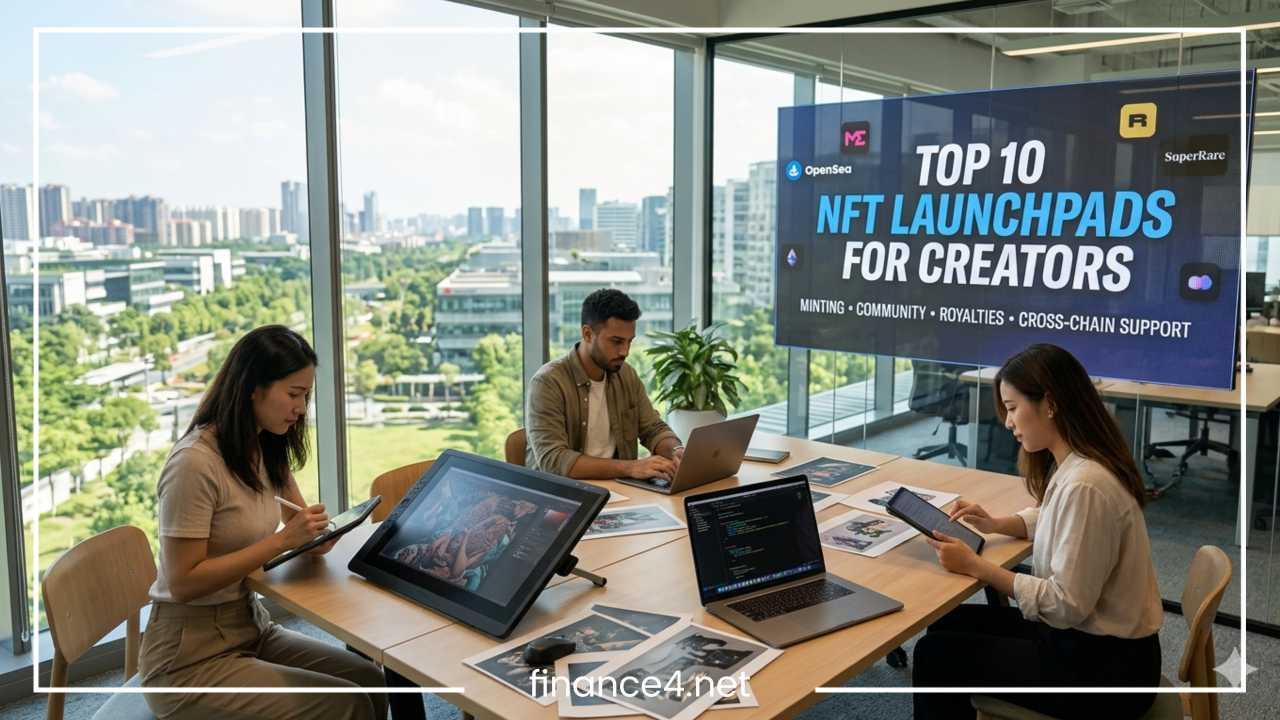
For creators, the “launchpad” remains the most critical gateway to this world. However, the definition of a great launchpad has changed. It is no longer just a minting page or a simple smart contract deployer; it is a strategic partner that bridges liquidity, users, and technology across multiple blockchains. This guide explores the best cross-chain NFT launchpads in 2026, helping artists, game studios, and brands navigate the complexities of a multi-chain future.
What Is a Cross-Chain NFT Launchpad?
To understand the value of a cross-chain launchpad, one must first understand the fundamental role of a launchpad in the Web3 space. An NFT launchpad is a specialized platform that helps creators mint, promote, and sell their digital collections. It provides the technical infrastructure (smart contracts, minting engines) and the marketing reach (community access, whitelisting) required for a successful drop.
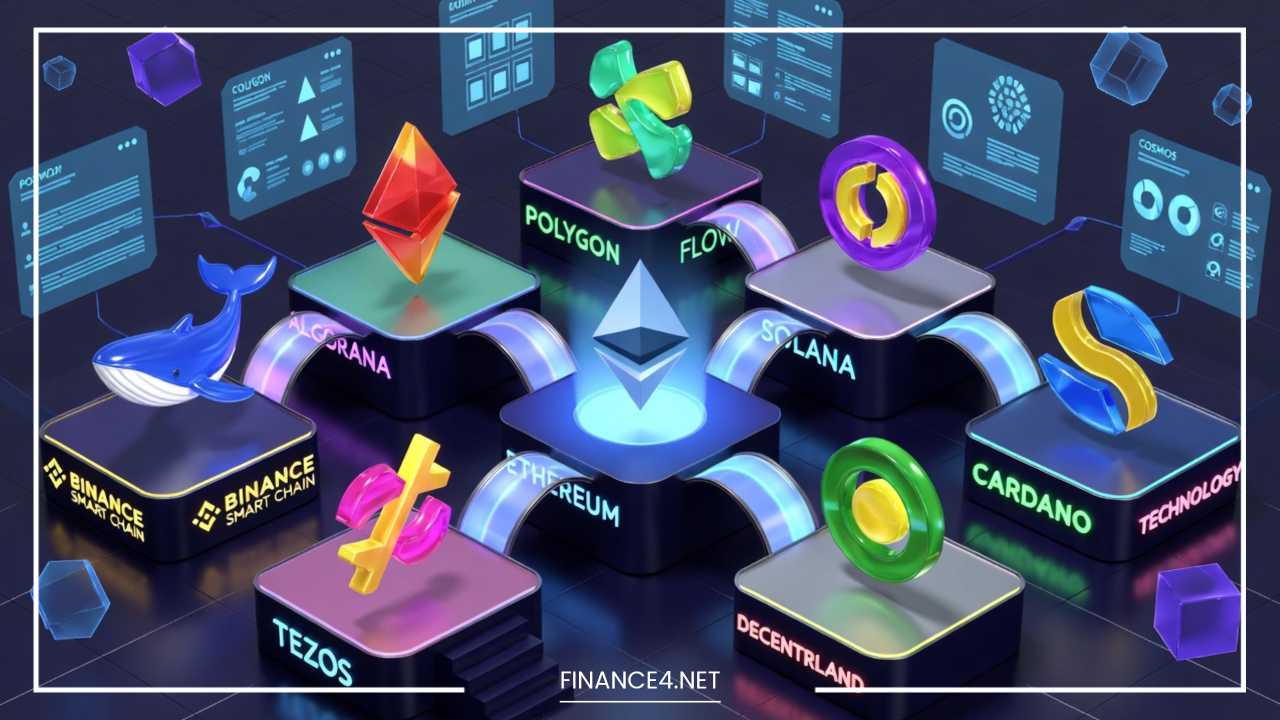
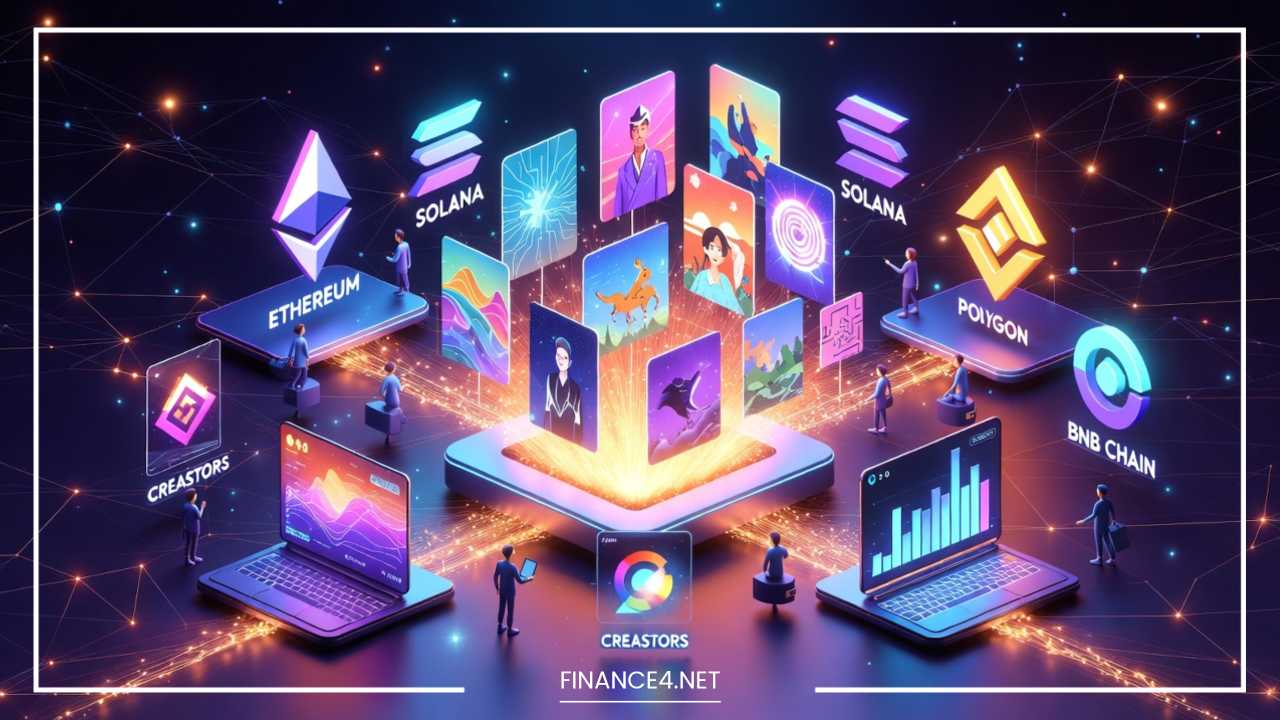
A cross-chain NFT launchpad, however, takes this a step further. Instead of being locked into one network, these platforms support simultaneous or sequential launches across diverse blockchains like Ethereum, Polygon, BNB Chain, Solana, Arbitrum, Sui, and Avalanche.
The Evolution of Interoperability
In the early days of NFTs, a creator launching on Ethereum was invisible to the user base on Solana. If a user wanted to buy that NFT, they had to go through a grueling process of setting up a new wallet, finding a bridge, and swapping assets—often losing significant value to fees and slippage along the way.
In 2026, cross-chain interoperability is powered by advanced messaging protocols and LayerZero technology. This allows a creator to host a single “Master Mint” where collectors can pay in ETH on Arbitrum but receive an NFT that is natively compatible with Solana or Polygon. This “mint-anywhere” philosophy removes the technical friction that previously forced users to bridge their funds manually. Modern launchpads act as the “translation layer,” ensuring that the smart contracts on Chain A can talk to the assets on Chain B without the user ever needing to know the underlying mechanics.
Why NFT Projects & Creators Need Cross-Chain Launchpads
The transition to cross-chain is not just a trend; it is a necessity for project scalability and survival. Here is why creators are moving away from single-chain launches:
1. Access to Fragmented Communities
Every blockchain has its own “vibe” and user base. Ethereum remains the home of high-value “blue-chip” art and institutional collectors. Solana and Polygon are hubs for gaming and high-frequency trading. By launching cross-chain, a project can tap into the DeFi-heavy crowd on Arbitrum, the gaming community on Immutable X, and the luxury collectors on Ethereum Mainnet simultaneously.
2. Lowering the Barrier to Entry
High gas fees on Ethereum have historically “priced out” smaller collectors. If an artist wants to sell a piece for $30, but the minting fee is $50, the project is effectively dead on arrival. Cross-chain launchpads allow creators to offer minting on low-fee Layer 2s or alternative Layer 1s, ensuring that the cost of entry remains accessible to everyone, regardless of their budget.
3. Risk Diversification
If a specific network experiences a technical outage, a sudden drop in liquidity, or a regulatory crackdown, a cross-chain project remains unaffected. Your assets and your community are distributed. By spreading a 10,000-item collection across three chains, you ensure that the project’s heart continues to beat even if one limb is temporarily paralyzed.
4. Marketing and Visibility Advantages
Being featured on a cross-chain launchpad often means being promoted across multiple ecosystem newsletters and social channels. Instead of just getting a “shoutout” from the Polygon Foundation, you might get featured by the Arbitrum and Avalanche teams as well. This exponential increase in visibility is something a single-chain launch simply cannot match.
Key Features to Look for in a Cross-Chain NFT Launchpad
When choosing where to host your project, you must look beyond the user interface. A professional launchpad should offer a suite of tools that manage the lifecycle of an NFT from inception to secondary trading.
Smart Contract Security & Audits
Security remains the number one concern in Web3. The best launchpads provide audited, battle-tested smart contract templates. In 2026, look for platforms that offer upgradable contracts, allowing you to fix bugs or add utility to your NFTs post-launch without requiring a painful migration process for your holders.
Cross-Chain Bridges & Interoperability
Check if the launchpad uses “Lock-and-Mint” or “Burn-and-Mint” bridging. Ideally, you want a platform that supports Omnichain Fungible Tokens (OFTs) and Omnichain Non-Fungible Tokens (ONFTs). These standards allow the NFT to move between chains without the need for a central bridge, which is often a point of failure for hackers.
Minting Tools (Lazy Minting & Batch Minting)
-
Lazy Minting: This is a godsend for independent artists. The NFT is only minted (and gas is only paid) when a buyer actually purchases it. This allows creators to list 1,000 items without spending a cent upfront.
-
Batch Minting: For large-scale PFP (Profile Picture) projects, the ability to mint hundreds of items in a single transaction saves thousands of dollars in gas fees.
Creator Support & Onboarding
Does the platform offer a “no-code” dashboard? While developers are comfortable with CLI tools, many artists are not. High-tier launchpads offer dedicated account managers and technical support to guide projects through the deployment phase, metadata generation, and IPFS (InterPlanetary File System) hosting.
Best Cross-Chain NFT Launchpads for NFT Projects & Creators
The following platforms represent the gold standard for NFT launches in 2026. Each has been selected for its unique strengths, chain compatibility, and track record.
1. Magic Eden (Launchpad)
Originally the king of Solana, Magic Eden has transformed into the premier cross-chain hub. Its launchpad is now a “one-stop shop” for high-end PFP collections and gaming assets.
-
Overview: Magic Eden has moved aggressively to capture the Bitcoin Ordinals market alongside its traditional EVM and Solana presence.
-
Chains Supported: Solana, Ethereum, Polygon, Bitcoin (Ordinals), and Base.
-
Key Strengths: Unmatched user traffic and a highly curated selection process. They offer a comprehensive “Creator Hub” with analytics and whitelist management.
-
Limitations: Their curation process is extremely strict; only the top 1-2% of applicants are accepted.
-
Best For: High-profile PFP projects and Web3 games looking for maximum exposure and a “prestige” label.
2. Enjinstarter
Enjinstarter focuses heavily on the “Initial Game Offering” (IGO) and metaverse sectors. It isn’t just a launchpad; it’s an incubator that helps projects with tokenomics and long-term sustainability.
-
Overview: Built by veterans of the gaming industry, Enjinstarter understands that game NFTs need more than just a mint—they need a roadmap for utility.
-
Chains Supported: Ethereum, BNB Chain, Polygon, and Efinity.
-
Key Strengths: Deep expertise in gaming utility. They provide a “pathway” for projects to integrate with the broader Enjin ecosystem and use the Enjin SDK for in-game asset management.
-
Limitations: Very niche. If your project isn’t a game or a metaverse project, you might not fit their community’s profile.
-
Best For: Indie game developers and metaverse startups.
3. Polkastarter (NFT)
Known for its rigorous vetting process and decentralized nature, Polkastarter is where the “blue-chip” projects go to raise funds and launch collections.
-
Overview: Polkastarter uses a fixed-swap auction model that ensures a fair distribution of assets, preventing whales from snapping up the entire supply.
-
Chains Supported: Ethereum, BNB Chain, Polygon, Avalanche, Celo, and Arbitrum.
-
Key Strengths: A massive, loyal community of “POLS” token holders who get priority access. They have some of the best anti-bot measures in the industry.
-
Limitations: The requirement for users to hold or stake POLS tokens to gain access can be a barrier for some retail collectors.
-
Best For: Established brands and large-scale Web3 startups that want a “vetted” seal of approval and a fair launch.
4. Seedify (NFT Space)
Seedify has carved out a niche as the leading launchpad for blockchain gaming and AI-powered NFT projects.
-
Overview: Seedify doesn’t just launch NFTs; they provide a launchpad for tokens (IDOs) as well, allowing for a dual-launch strategy.
-
Chains Supported: BNB Chain, Polygon, Solana, and Arbitrum.
-
Key Strengths: Strong focus on AI-integrated NFTs. Their “Seedify NFT Space” marketplace provides immediate secondary liquidity for any project launched through them.
-
Limitations: The platform is heavily focused on “GameFi,” which might not be ideal for fine art or photography projects.
-
Best For: Projects at the intersection of AI, Gaming, and NFTs.
5. Rarible (White-Label Launchpads)
Rarible’s white-label solution is the best for creators who want to maintain their own branding. Instead of launching on “Rarible.com,” you launch on your own custom domain powered by their tech.
-
Overview: Rarible has pivoted toward providing infrastructure for the “sovereign creator.”
-
Chains Supported: Ethereum, Polygon, Tezos, Immutable X, and Flow.
-
Key Strengths: Complete brand control. You get a custom-branded minting site and a community marketplace where you can set your own royalty fees.
-
Limitations: You are responsible for driving your own traffic; you don’t get the same “built-in” audience as Magic Eden.
-
Best For: Luxury brands, fashion houses, and established artists who want a “sovereign” experience without Rarible branding everywhere.
6. BlueMove
BlueMove is the leading NFT launchpad for the Move-language ecosystems, specifically Aptos and Sui.
-
Overview: As the “Move” ecosystem grows, BlueMove has become the primary entry point for creators looking to explore these high-speed, secure blockchains.
-
Chains Supported: Aptos and Sui.
-
Key Strengths: First-mover advantage on Aptos and Sui. They offer an integrated mobile app for minting and trading.
-
Best For: Early adopters who want to be big fish in the rapidly growing Move-ecosystem pond.
How to Launch an NFT Project on a Cross-Chain Launchpad
Launching a collection is a marathon, not a sprint. To succeed on a cross-chain platform, you need a structured approach.
Step 1: Choosing the Right Launchpad
Don’t just go for the biggest name. Align the launchpad’s community with your project’s goals. If you are building a game, Seedify or Enjinstarter is better than Rarible. If you are a fine artist, look at platforms that support Ethereum and Tezos.
Step 2: Preparing NFT Assets and Metadata
Consistency is key. Ensure your traits are properly balanced (rarity) and your metadata is hosted on a decentralized provider like Pinata (IPFS) or Arweave. In a cross-chain context, ensure your metadata follows the standards of all targeted chains (e.g., ERC-721 for EVM and Metaplex for Solana).
Step 3: Selecting Blockchains for Minting
You don’t need to be on every chain. A common strategy in 2026 is the “Tri-Chain Launch”:
-
Ethereum: For prestige and whales.
-
Polygon or Base: For mass-market retail.
-
Solana: For the high-velocity trading community.
Step 4: Smart Contract Setup
Work with the launchpad’s technical team to ensure your contracts are optimized. This includes setting up Royalty Registry entries so you get paid on secondary sales across all chains.
Step 5: Community Building (The Pre-Launch)
Start at least 2–3 months before the mint. Use Discord and X to build a “white-list” (allow-list). Most launchpads will give you access to their community, but you must have a “hook” to keep them engaged.
Step 6: Marketing and Whitelist Strategies
In 2026, “collaboration mints” are popular. Offer a portion of your whitelist to holders of other successful cross-chain projects. This creates a cross-pollination of communities.
Step 7: Post-Launch Support and Scaling
The mint is just the beginning. Use the funds raised to deliver on your roadmap. Many launchpads offer post-launch “staking” or “breeding” modules to keep your community engaged.
Cross-Chain NFT Launchpads vs. NFT Marketplaces
It is common to confuse these two, but they serve different roles in the NFT lifecycle.
-
NFT Launchpads are the “Primary Market.” They are used for the initial sale (minting) of the NFT. They are highly curated, provide marketing support, and are designed to build a community from zero.
-
NFT Marketplaces are the “Secondary Market.” This is where users go to buy and sell NFTs after they have been minted. Marketplaces like OpenSea or Blur are generally “permissionless,” meaning anyone can list any NFT.
Why use a launchpad instead of just listing on a marketplace?
A launchpad provides a “moment” for your project. It creates a sense of urgency and exclusivity. Simply listing a collection on a marketplace is like putting a painting in a giant warehouse and hoping someone finds it; a launchpad is like having a grand opening at a prestigious gallery.
Challenges & Risks of Cross-Chain NFT Launchpads
While cross-chain is the future, it is not without its hurdles. Creators must be aware of the following:
Bridge Security Risks
Most cross-chain launchpads rely on “bridges” to move assets. Bridges are high-value targets for hackers. If a bridge is exploited, the “wrapped” version of your NFT on the secondary chain could become worthless. To mitigate this, look for launchpads using native cross-chain standards (like LayerZero’s ONFT).
Liquidity Fragmentation
If you launch 10,000 NFTs and spread them across five chains, you might find that while there is high demand on Ethereum, the Avalanche side of the collection is “dead” with no buyers. This can lead to price discrepancies across chains, which requires arbitrageurs to fix.
Technical Complexity for Beginners
Managing different wallet types (MetaMask for EVM, Phantom for Solana) can be confusing for your community. If your launchpad doesn’t have a “unified” wallet experience, you may lose less-technical collectors.
Regulatory Uncertainty
Different chains may be subject to different regulatory pressures. A launchpad that is fully compliant in one jurisdiction may struggle in another. Always ensure the launchpad has a robust KYC/AML (Know Your Customer) process if you are launching a high-value or utility-heavy project.
Future of Cross-Chain NFT Launchpads
As we look toward 2027, several trends are set to redefine the launchpad experience:
-
Omnichain NFTs (ONFTs): We are moving toward a world where the “chain” is invisible. You will simply own an NFT, and you can move it from your “Ethereum pocket” to your “Solana pocket” as easily as moving a file between folders on a computer.
-
AI-Powered Minting and Curation: Launchpads will use AI to analyze wallet behavior and automatically suggest new drops to users based on their historical tastes—similar to how Netflix recommends shows.
-
Integration with Web3 Gaming and Metaverse: Launchpads will become “portals.” When you mint an NFT on a launchpad, it will automatically appear in your inventory in a partner metaverse or game, regardless of which chain the game runs on.
-
Wallet Abstraction: Users will eventually log into launchpads using an email or social media account (FaceID/TouchID), with the cross-chain “heavy lifting” happening in the background via smart-contract wallets.
How to Choose the Best Cross-Chain NFT Launchpad for Your Project
To make the final decision, use this simple framework:
-
Audience Fit: Where does your target audience spend their time? If they are DeFi users, choose a launchpad strong on Arbitrum/Ethereum. If they are gamers, choose Solana/Polygon.
-
Budget: Can you afford the setup fees and commission of a top-tier pad like Magic Eden? If not, look at Rarible’s white-label tools.
-
Technical Support: Do you have a developer? If not, you must choose a platform with a robust “no-code” suite.
-
Reputation: Check the “secondary market performance” of previous projects launched on the platform. If most projects go to zero within a week, the launchpad’s community might just be “flippers” rather than long-term supporters.
Final Thoughts
The decision to launch an NFT project is a monumental task. In 2026, choosing a cross-chain launchpad is the single most effective way to future-proof your creation. By removing the silos of single-chain ecosystems, you open your project to a global, liquid, and diverse audience.
The goal is no longer just to “mint out”; the goal is to build a brand that can exist anywhere in the digital world. The launchpads mentioned in this guide—from the gaming focus of Enjinstarter to the prestige of Magic Eden—provide the tools to make that possible. The multi-chain future is no longer a distant dream; it is the current reality. It’s time to stop thinking about which chain to choose and start thinking about how to reach everyone.