Best Bridging Service for BSC to Ethereum
 by
by 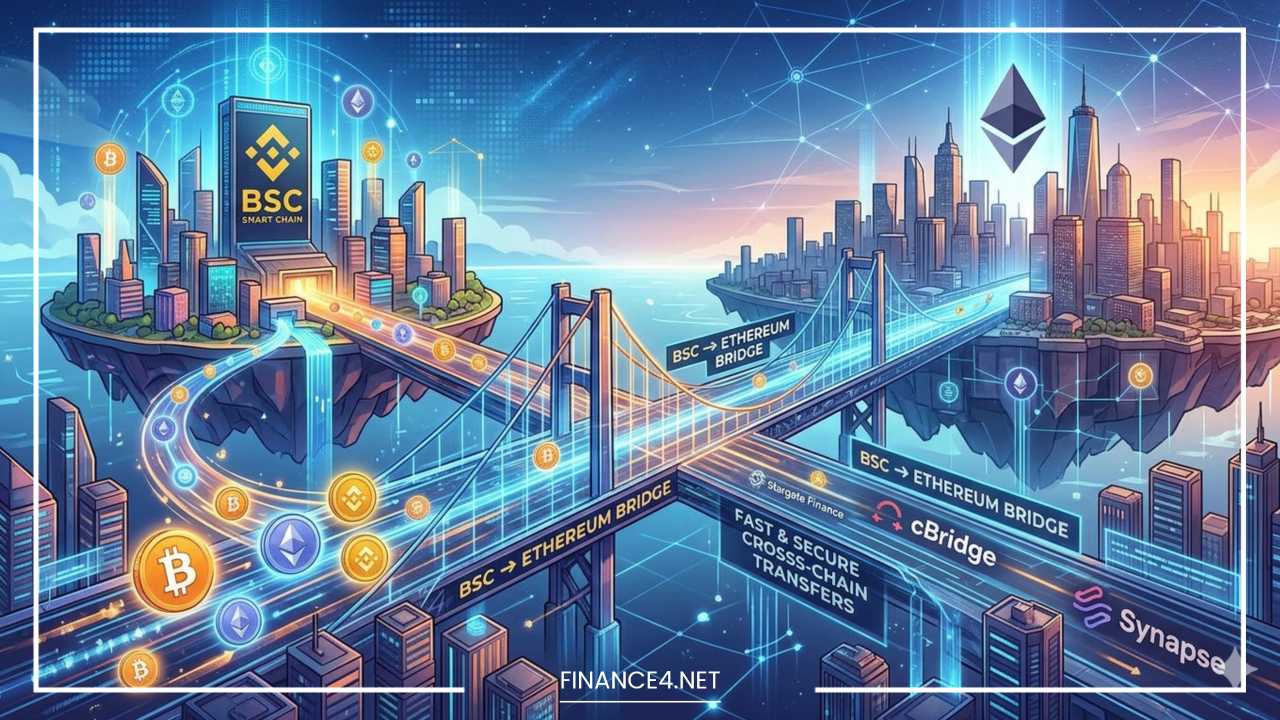
Best Bridging Service for BSC to Ethereum | Fast & Secure Cross-Chain Transfers
The blockchain landscape is no longer a collection of isolated islands. As the decentralized finance (DeFi) and NFT sectors have matured, the ability to move assets across different networks has become a fundamental necessity for traders, yield farmers, and developers alike. Specifically, the corridor between Binance Smart Chain (BSC)—now known as BNB Chain—and Ethereum remains one of the most active in the industry.
Whether you are looking to move your BNB profits into a high-security Ethereum vault, participate in a blue-chip DeFi protocol like Aave, or purchase a rare NFT on OpenSea, finding the right bridge is critical. A bridge is the specialized tool that makes this movement possible. However, not all bridges are created equal. Some prioritize speed, others focus on rock-solid security, and some offer the lowest fees at the cost of decentralization.
In this comprehensive guide, we will break down the best bridging services for BSC to Ethereum transfers, helping you navigate the trade-offs between cost, safety, and efficiency.
Overview of BSC and Ethereum
To understand why bridging is necessary, one must first understand the two ecosystems being connected.
Binance Smart Chain (BSC)
Binance Smart Chain was designed to address the scalability issues that once plagued the early days of DeFi. It is compatible with the Ethereum Virtual Machine (EVM), meaning it can run the same smart contracts as Ethereum. Its primary advantages are high speed and extremely low transaction fees, often costing just a few cents. This has made it a massive hub for retail users and high-frequency traders who find Ethereum’s costs prohibitive.
Ethereum
Ethereum is the pioneer of smart contract blockchains. It boasts the largest developer ecosystem, the highest Total Value Locked (TVL), and an unparalleled level of decentralization. While it has historically struggled with high gas fees and slower transaction times compared to BSC, it remains the standard for security. Most institutional-grade DeFi protocols and high-value NFT collections call Ethereum home.
Key Differences at a Glance
-
Fees: BSC is significantly cheaper (cents vs. dollars).
-
Speed: BSC blocks are produced every 3 seconds; Ethereum varies but is generally slower and requires more confirmations for finality.
-
Security: Ethereum is more decentralized, with thousands of independent nodes, whereas BSC uses a more concentrated Proof of Staked Authority (PoSA) model.
What is a Crypto Bridge?
A crypto bridge is a protocol that allows for the transfer of data or assets between two different blockchain networks. Because blockchains have different rules, consensus mechanisms, and data formats, they cannot “talk” to each other directly. A bridge acts as the translator and courier.
How Bridging Works
Most bridges utilize one of two primary mechanisms:
-
Lock-and-Mint: You “lock” your native tokens (e.g., USDT on BSC) in a smart contract on the source chain. The bridge then “mints” an equivalent amount of wrapped tokens (e.g., bUSDT) on the destination chain (Ethereum).
-
Burn-and-Release: When moving back, you “burn” the wrapped tokens on the destination chain, which triggers the “release” of the original native tokens on the source chain.
-
Liquidity Pools: Some modern bridges use liquidity pools on both sides. You deposit USDT into a pool on BSC, and the bridge pays you out from a pre-funded USDT pool on Ethereum.
Types of Bridges
-
Centralized (Trusted) Bridges: These are managed by a single entity (like an exchange). You trust them to hold your funds.
-
Decentralized (Trustless) Bridges: These rely on smart contracts and decentralized networks of validators or oracles to verify transactions.
Risks Involved: Bridging is a high-risk activity. Smart contract vulnerabilities are the most common threat, as bridge contracts often hold massive amounts of liquidity, making them prime targets for exploits.
Why Bridge from BSC to Ethereum?
The flow of capital from BSC to Ethereum is usually driven by a search for quality, security, and utility.
-
DeFi Ecosystem Depth: Ethereum is home to battle-tested protocols like MakerDAO, Uniswap, and Curve. Many users move funds to Ethereum to access these “blue-chip” financial primitives.
-
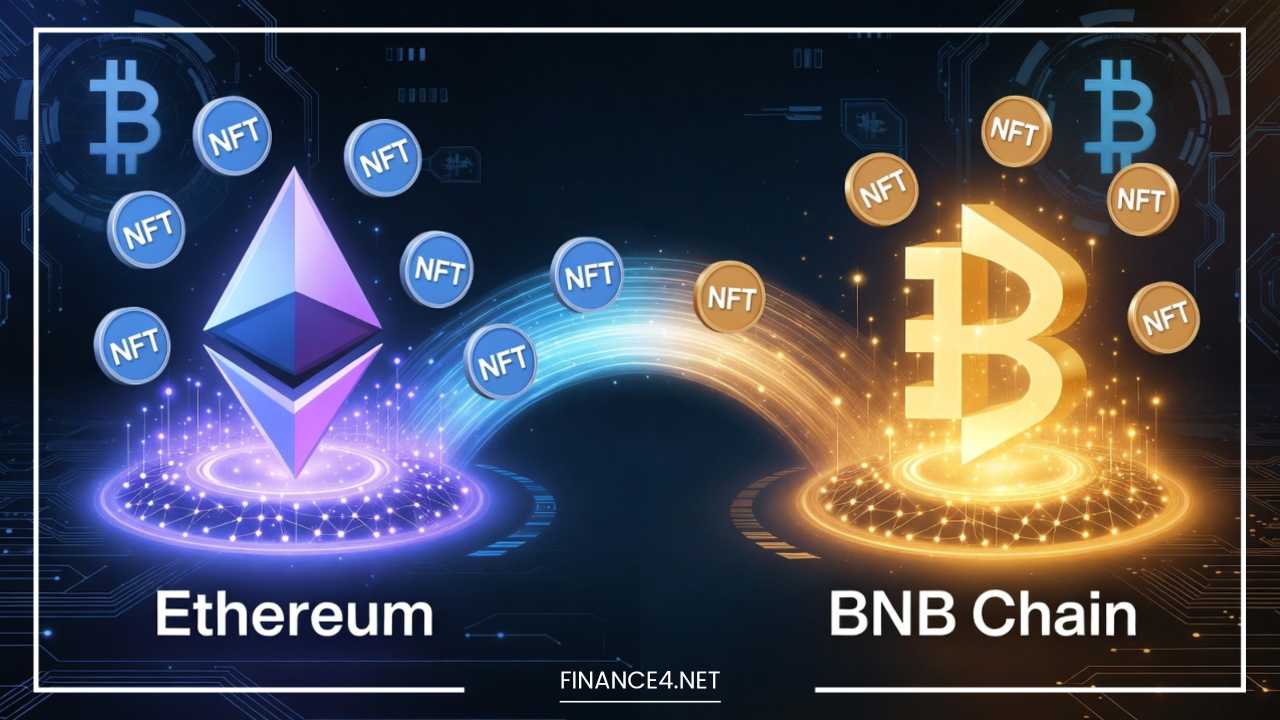
NFT Marketplaces: While BSC has its own NFT scene, the highest-valued art and profile picture (PFP) collections (e.g., CryptoPunks, Bored Ape Yacht Club) exist exclusively on Ethereum.
-
Higher Liquidity: For large-scale traders, Ethereum offers deeper liquidity pools, which results in lower slippage for multi-million dollar trades.
-
Token Utility: Certain governance tokens or specific stablecoins might have more utility or higher yield opportunities on Ethereum-based lending platforms.
Key Factors to Consider When Choosing a Bridge
Before clicking “Transfer,” evaluate your options based on these seven pillars:
-
Security: Does the bridge have a history of hacks? Is the code audited by reputable firms? Security is the most important factor, as a “cheap” bridge is worthless if your funds are stolen.
-
Transaction Fees: You must account for the bridge fee (usually a percentage or flat fee) plus the gas fees on both the source (BSC) and destination (Ethereum) chains.
-
Speed: Some bridges take minutes, while others can take up to an hour depending on the number of required confirmations and the underlying architecture.
-
Supported Tokens: Ensure the bridge supports the specific asset you want to move (BNB, ETH, USDT, etc.).
-
User Experience (UX): Is the interface intuitive? Does it clearly show you the expected output after fees?
-
Liquidity Availability: Does the bridge have enough funds on the destination side to fulfill your request? Large transfers might suffer from “insufficient liquidity” errors on smaller bridges.
-
Decentralization Level: Are you comfortable with a centralized custodian, or do you require a decentralized validator set to ensure no single point of failure?
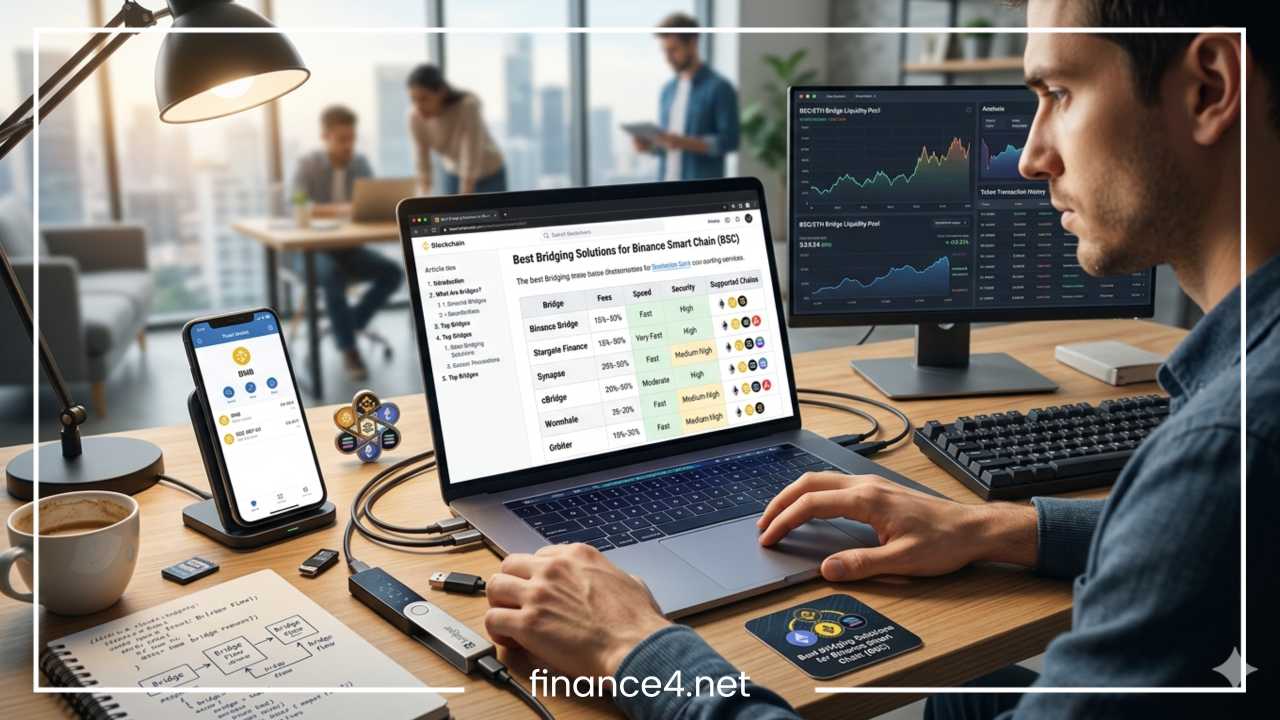
Best Bridging Services for BSC to Ethereum
The following protocols represent the current leaders in cross-chain technology, each offering a unique value proposition.
1. Binance Bridge (Official Integration)
While the standalone “Binance Bridge” website was sunsetted, its functionality is now integrated directly into the Binance Exchange and the Binance Web3 Wallet.
-
Features: Direct integration with the world’s largest exchange.
-
Pros: Highly trusted; if something goes wrong, there is a centralized support team to assist. It is the most “user-friendly” for beginners.
-
Cons: It is a centralized (custodial) service. You are not using a decentralized protocol; you are trusting Binance as the intermediary.
-
Fees: Low, often just the standard withdrawal fee for the destination network.
-
Speed: Very fast, usually determined by the exchange’s internal processing time.
-
Best Use Case: Users who already have a Binance account and prefer a “one-click” experience.
2. Stargate Finance
Built on the LayerZero protocol, Stargate Finance has revolutionized bridging by solving the “bridging trilemma”: achieving instant guaranteed finality, unified liquidity, and native asset swaps.
-
Features: Allows for the transfer of native assets (no wrapped tokens) across chains. It uses a unified liquidity pool that spans multiple blockchains.
-
Fees: Extremely competitive, usually a 0.06% fee plus gas.
-
Speed: Fast; once the source chain transaction is confirmed, the funds are guaranteed on the destination side.
-
Security: High security through LayerZero’s decentralized oracle and relayer system.
-
Best Use Case: Users moving stablecoins (USDC, USDT) who want to avoid the risks associated with “wrapped” or “synthetic” assets.
3. cBridge (Celer Network)
Celer’s cBridge is a decentralized non-custodial asset bridge that has processed billions in volume. It uses a unique “State Guardian Network” to secure transfers.
-
Features: Supports a massive array of tokens and over 40 different blockchains.
-
Fees: Dynamic fees based on liquidity. Often provides the best rates for popular assets.
-
Speed: One of the fastest bridges in the market, often completing transfers in under 5 minutes.
-
Security: Multi-layered security with frequent audits and a bug bounty program.
-
Best Use Case: High-speed transfers for active traders who value a clean, fast UI and low slippage.
4. Synapse Protocol
Synapse is a cross-chain liquidity layer that enables seamless swaps between dozens of EVM and non-EVM chains.
-
Features: Uses an optimistic security model and cross-chain AMM (Automated Market Maker).
-
Fees: Variable; utilizes “nAssets” (intermediate tokens) to facilitate swaps across disparate liquidity pools.
-
Speed: Typically 2–4 minutes.
-
Security: Moving toward an increasingly decentralized validator set.
-
Best Use Case: Users looking for deep liquidity when moving large amounts of stablecoins or ETH.
5. Wormhole (Portal Bridge)
Wormhole is a generic message-passing protocol that powers the Portal Bridge. It is one of the most widely used bridges for moving assets between Ethereum, BSC, and Solana.
-
Features: Supports a massive variety of tokens and NFTs. It doesn’t just move value; it can move arbitrary data.
-
Fees: Low bridge fees, but you must pay gas on both ends.
-
Security: After a major historical exploit, Wormhole underwent a massive security overhaul, becoming one of the most audited and “bounty-protected” protocols in crypto.
-
Best Use Case: Moving NFTs or niche tokens that aren’t supported by standard liquidity-pool bridges.
Step-by-Step Guide: How to Bridge BSC to Ethereum
Regardless of which bridge you choose, the process generally follows these steps:
-
Prepare Your Wallet: Ensure you have MetaMask or a similar Web3 wallet. You must have BNB in your wallet to pay for gas on the BSC side.
-
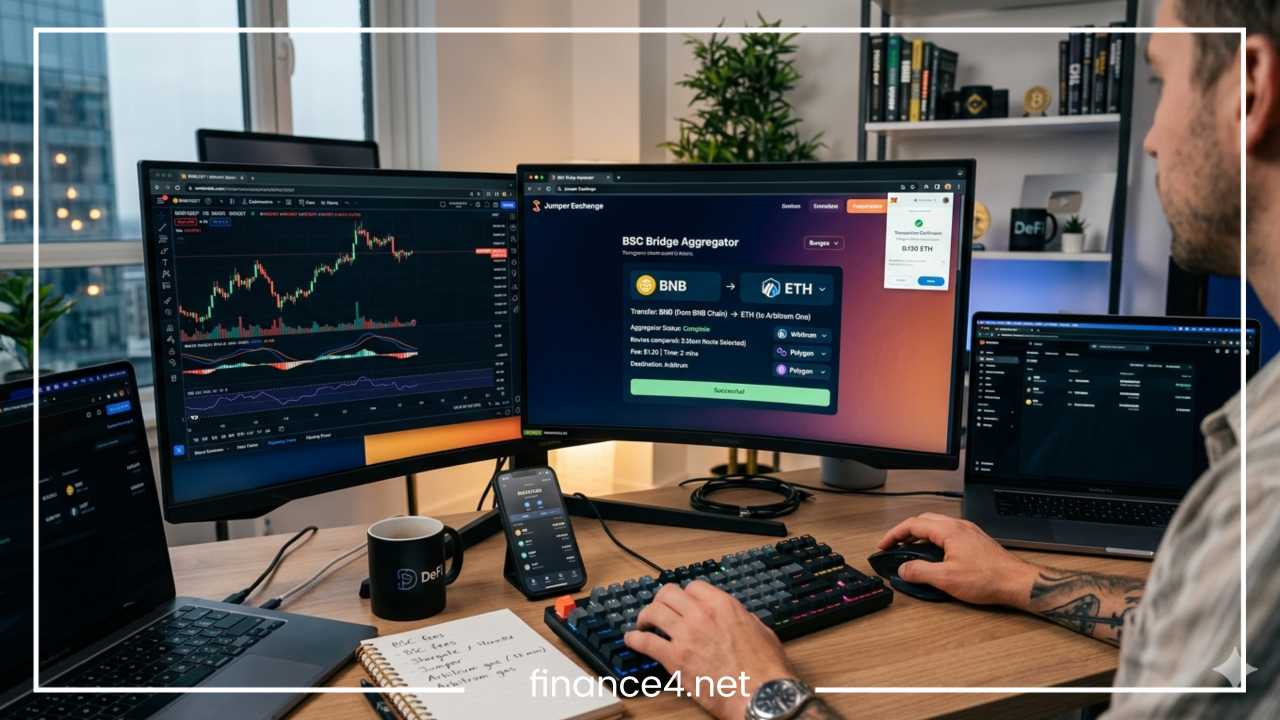
Connect to the Bridge: Visit the official website of the bridge (e.g., Stargate.finance). Click “Connect Wallet” and select BSC as your starting network.
-
Select Your Parameters:
-
From: BNB Smart Chain (BSC)
-
To: Ethereum
-
Asset: (e.g., USDT or ETH)
-
-
Enter Amount: Type in the amount you wish to send. The bridge will show you the “Estimated Receive” amount after fees.
-
Approve Token: If this is your first time using the bridge for that token, you must click “Approve” and sign a transaction in your wallet. This allows the bridge contract to move your funds.
-
Confirm Transfer: Once approved, click “Transfer” or “Swap.” You will need to sign a second transaction to initiate the actual bridge.
-
Wait and Verify: The bridge will provide a transaction hash. Once the required confirmations are met on BSC (usually a few minutes), the bridge will process the transfer. Use Etherscan to verify the arrival of your assets on the Ethereum side.
Fees & Costs Breakdown
Bridging is not a “free” service. You must account for several types of costs:
-
Gas Fees (Source): Paid in BNB to initiate the transfer. Usually very cheap ($0.10 – $0.50).
-
Bridge Service Fee: A percentage of the total amount (typically 0.05% to 0.1%).
-
Gas Fees (Destination): This is the most expensive part. When the bridge releases your funds on Ethereum, an Ethereum transaction must be paid for. Some bridges deduct this from your transfer amount automatically, while others require you to have ETH in your destination wallet to “claim” the funds.
-
Slippage: If the bridge uses an AMM (like Synapse), you might lose a small amount due to price impact if the liquidity pool is shallow.
Security Risks & How to Stay Safe
Bridges are high-value targets for hackers because they act as massive honeypots of locked liquidity.
-
Smart Contract Vulnerabilities: Even audited bridges can have bugs.
-
Centralization Risk: If a bridge is controlled by a small number of validators, those validators could collude to steal funds.
-
Phishing: Always double-check the URL. Many scammers create fake versions of “Stargate” or “cBridge” to steal your private keys.
Safety Tips:
-
Use Reputable Bridges: Stick to the ones mentioned in this guide.
-
Start with Small Transactions: Always send a $10 test amount first to ensure the bridge is working and you understand the process.
-
Use Hardware Wallets: Keep your main funds on a Ledger or Trezor for added security.
-
Revoke Permissions: Once your transfer is complete, use a tool like Revoke.cash to remove the bridge’s ability to access your tokens.
Alternatives to Bridging
If the technical steps of bridging feel overwhelming, you can use a Centralized Exchange (CEX) as a bridge:
-
Deposit your assets (e.g., USDC) from your wallet to your Binance account using the BSC (BEP20) network.
-
Once the deposit is confirmed, go to the “Withdraw” section.
-
Withdraw the USDC to your Ethereum wallet using the Ethereum (ERC20) network.
-
Pros: No smart contract risk for the user; simpler interface.
-
Cons: Requires an exchange account and KYC; withdrawal fees on exchanges can sometimes be higher than decentralized bridge fees.
Future of Cross-Chain Bridging
The industry is moving toward “intent-based” bridging and “cross-chain messaging.” In the near future, you won’t need to manually bridge assets. You will simply interact with a dApp on Ethereum, and it will automatically pull the necessary funds from your BSC account using protocols like Chainlink CCIP or LayerZero V2. This will make the user experience seamless and significantly safer by abstracting the complex “lock-and-mint” mechanics.
Final Thoughts
Bridging from BSC to Ethereum is a vital skill for anyone navigating the modern crypto landscape. If you prioritize speed and ease of use, the Celer cBridge or Synapse are fantastic choices. If you are moving large amounts of stablecoins and want the highest security, Stargate Finance is currently the industry leader.
Always remember that Ethereum gas fees are much higher than BSC fees. Ensure you have enough ETH in your destination wallet to actually use your tokens once they arrive. By choosing the right bridge and following safety protocols, you can move your capital efficiently and securely across the multi-chain universe.