How to Create an NFT-Based Marketing Funnel
 by
by 
How to Create an NFT-Based Marketing Funnel: A Comprehensive Guide
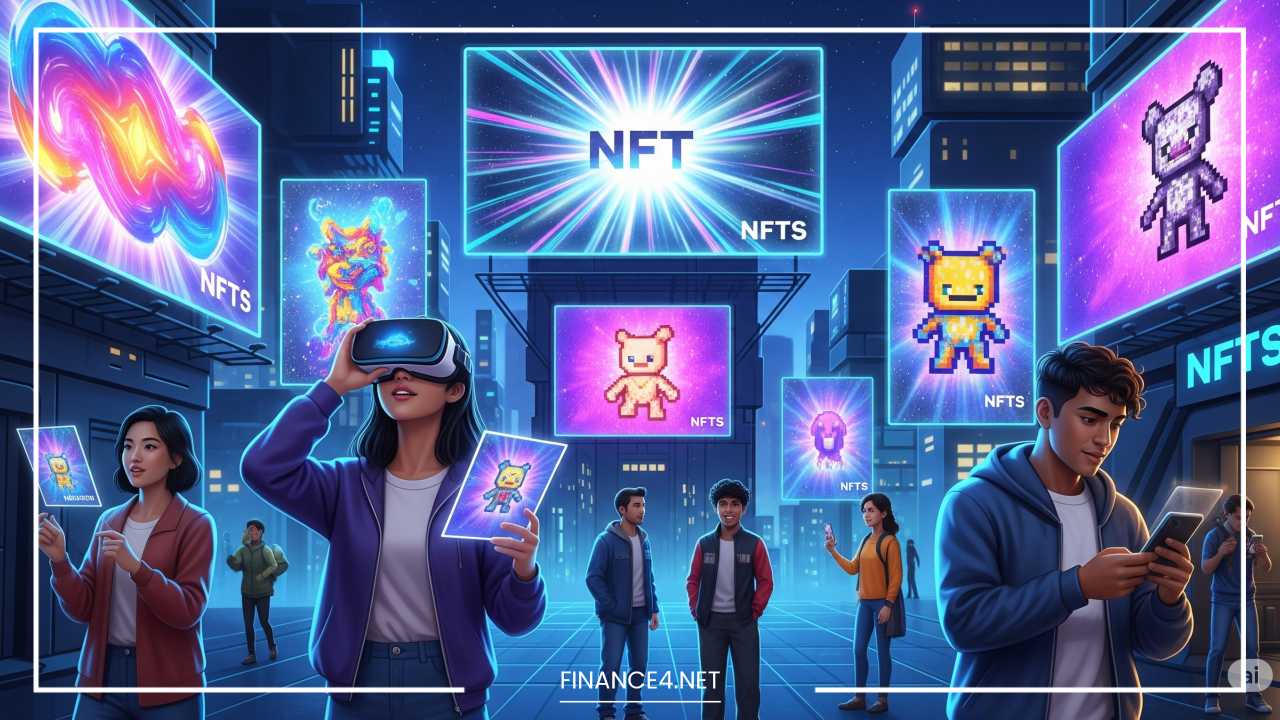
The digital marketing landscape is in constant flux, with new technologies and trends emerging at an unprecedented pace. Among the most disruptive and transformative innovations in recent years are Non-Fungible Tokens (NFTs). Initially gaining prominence in the art and collectibles space, NFTs have rapidly transcended these boundaries, carving out a significant role in how brands and creators connect with their audiences.
This article delves deep into the world of NFT-based marketing funnels, providing a comprehensive guide on how to leverage these unique digital assets to attract, engage, and convert your target market.
1. Introduction: Understanding NFT Marketing Funnels
An NFT-based marketing funnel is a strategic process that integrates Non-Fungible Tokens into each stage of a traditional marketing funnel, from initial awareness to final conversion and beyond.
-
What is an NFT-based marketing funnel? At its core, a marketing funnel outlines the customer journey, guiding potential customers through various stages: awareness, interest, desire, and action. NFTs, on the other hand, are cryptographic assets on a blockchain with unique identification codes and metadata that distinguish them from each other.1 They represent ownership of digital or physical items. An NFT-based marketing funnel strategically employs these unique digital assets to enhance each stage of this journey. The integration can range from using NFTs as rewards for engagement in the awareness stage to offering exclusive NFT-gated content in the interest and desire phases, culminating in the sale or utilization of NFTs as the action or conversion. The inherent properties of NFTs – scarcity, ownership, and potential for utility – make them powerful tools for modern marketing.
-
The evolution of digital marketing and how NFTs fit in. Digital marketing has evolved significantly, from basic banner ads and email campaigns to sophisticated social media strategies, content marketing, and personalized experiences. The latest iteration sees the rise of Web 3.0 technologies, with NFTs at the forefront. Traditional digital marketing often focuses on creating ephemeral experiences or relying on centralized platforms. NFTs offer a paradigm shift by providing verifiable ownership, fostering community, and enabling entirely new forms of customer interaction and loyalty. They represent a move towards more decentralized, user-owned digital experiences.
-
Why you should consider NFT-based funnels for your brand or project. Implementing NFT-based marketing funnels offers numerous compelling benefits:
- Exclusivity: NFTs can represent access to exclusive content, communities, events, or products, creating a sense of premium value for holders.
- Enhanced Engagement: Gamified NFT drops, interactive experiences tied to NFT ownership, and community-driven initiatives can significantly boost audience engagement and participation.
- Community Building: NFTs can serve as membership tokens to exclusive online or offline communities, fostering a strong sense of belonging and shared identity among your audience.
- New Revenue Streams: NFTs can be sold directly, traded in secondary markets (potentially generating royalties for the creator), or used to unlock premium features or services, creating new monetization opportunities.
- Brand Differentiation: Embracing NFTs positions your brand as innovative and forward-thinking, attracting a tech-savvy audience and setting you apart from competitors.
- Data and Insights: NFT ownership and activity can provide valuable insights into your audience’s preferences and behaviors.
2. The Basics of NFTs and Their Role in Marketing
Before diving into building an NFT-based funnel, it’s crucial to have a solid understanding of what NFTs are and how they function within the marketing ecosystem.
-
What are NFTs? Non-Fungible Tokens (NFTs) are unique digital assets that exist on a blockchain. Unlike fungible assets like cryptocurrencies or traditional currencies, where one unit is interchangeable with another (e.g., one Bitcoin is equal to any other Bitcoin), each NFT is distinct and has its own unique identifier.
- Blockchain Explained: A blockchain is a decentralized, distributed ledger that records transactions across many computers. This distributed nature makes it highly secure and transparent, as no single entity controls the information. When an NFT is “minted” (created), its unique information and ownership history are permanently recorded on the blockchain.
- Uniqueness and Ownership: The non-fungible nature of NFTs is key. This uniqueness is typically established through metadata stored within the NFT, which can point to a digital file (like an image, video, audio, or even code) or represent ownership of a physical item. The blockchain securely tracks who owns each specific NFT, providing verifiable proof of ownership.
-
NFTs in the marketing landscape. The application of NFTs in marketing is rapidly expanding, demonstrating their versatility and potential for creating novel customer experiences.
- Examples of NFT Marketing: Several prominent brands and creators have successfully integrated NFTs into their marketing strategies:
- Nike: Acquired RTFKT, a virtual sneaker and collectibles company, and launched Cryptokicks, NFTs linked to physical sneakers, blurring the lines between the physical and digital.
- Music Artists: Artists like Kings of Leon and Grimes have released limited-edition NFTs that include unique music, artwork, or even exclusive experiences like meet-and-greets.
- Celebrities: Many celebrities are launching their own NFT collections, often offering fans unique access or digital collectibles related to their brand.
- Bored Ape Yacht Club (BAYC): While starting as a collection of digital art, BAYC evolved into a powerful community and brand, with NFT ownership granting access to exclusive online and offline events, merchandise, and even the ability to create and commercialize derivative works.
- NBA Top Shot: This platform utilizes NFTs to represent iconic NBA moments, allowing fans to collect and trade these digital collectibles, creating a new form of sports engagement.
- Potential for Unique Customer Experiences: NFTs enable marketers to create experiences that were previously impossible. They can offer:
- Loyalty Programs: NFTs can function as loyalty cards, granting holders exclusive benefits and rewards.
- Gated Content: Access to premium content, online communities, or virtual events can be restricted to NFT holders.
- Personalized Interactions: NFTs can be linked to personalized experiences or rewards based on individual ownership or engagement.
- Digital Collectibles with Utility: NFTs can be more than just digital art; they can unlock real-world benefits or digital functionalities.
- Examples of NFT Marketing: Several prominent brands and creators have successfully integrated NFTs into their marketing strategies:
3. Core Components of an NFT-Based Marketing Funnel
An effective NFT-based marketing funnel mirrors the traditional funnel but leverages the unique characteristics of NFTs at each stage.
-
Awareness Stage: Attracting Attention with NFTs This initial stage focuses on making your brand or project visible to a wider audience and sparking their curiosity.
- NFTs for Brand Visibility:
- Giveaways and Airdrops: Offering free NFTs (airdrops) or running contests with NFTs as prizes can generate significant buzz and attract attention, particularly within the crypto and NFT communities.
- Promotional NFTs: Creating limited-edition NFTs related to a specific campaign or product launch can create novelty and encourage sharing.
- Interactive Content: Embedding clues or access to exclusive information within an NFT can drive engagement and exploration.
- Examples to Spark Interest:
- A clothing brand airdrops a limited-edition digital wearable NFT to early sign-ups for their new collection.
- A game developer holds a contest where participants can win rare in-game item NFTs.
- An artist releases a series of visually striking NFTs with a hidden message or future utility.
- Social Media and NFT Events:
- Social Media Marketing: Platforms like Twitter, Discord, and dedicated NFT marketplaces are crucial for promoting NFT-related initiatives. Engaging with NFT communities, participating in relevant conversations, and showcasing your NFTs are essential.
- NFT-Related Events: Attending or sponsoring NFT conferences, online summits, and virtual gallery openings can provide opportunities to network and gain exposure within the NFT ecosystem.
- NFTs for Brand Visibility:
-
Interest Stage: Engaging the Audience Once you’ve captured initial attention, the interest stage focuses on providing more information and creating compelling reasons for the audience to learn more.
- Enticing Offers (Limited Edition NFTs):
- Scarcity and Exclusivity: Offering limited quantities of NFTs with unique designs or benefits creates a sense of urgency and desirability.
- Utility-Driven NFTs: NFTs that offer tangible benefits, such as early access to products, discounts, or access to exclusive content, are more likely to pique interest.
- NFTs for Data Collection and Engagement Rewards:
- Gated Content: Offering exclusive blog posts, webinars, or behind-the-scenes content accessible only by holding a specific NFT can incentivize engagement and provide valuable insights into interested users.
- Proof of Attendance Protocols (POAPs): Distributing free NFTs as proof of attendance at virtual or physical events can build community and track engaged individuals.
- Interactive NFTs: NFTs that allow holders to participate in polls, influence project decisions, or unlock further content through interaction can deepen engagement.
- Enticing Offers (Limited Edition NFTs):
-
Desire Stage: Building Value and Exclusivity This stage aims to transform initial interest into a strong desire for your NFT offerings.
- NFT Drops, Tiered NFTs, and Exclusive Memberships:
- Strategic NFT Drops: Announcing and executing well-planned NFT drops with clear value propositions and engaging narratives can generate significant hype and demand.
- Tiered NFT Collections: Offering NFTs with varying levels of rarity and associated benefits (e.g., silver, gold, platinum tiers with increasing access or rewards) caters to different audience segments and price points.
- NFT-Gated Memberships: NFTs can act as membership passes to exclusive online or offline communities, granting access to special channels, events, or resources.
- Creating a Sense of Urgency and Scarcity:
- Limited Supply: Clearly communicate the limited nature of your NFT offerings.
- Time-Sensitive Drops: Implementing deadlines for NFT sales or minting periods can encourage quicker decision-making.
- Dynamic Pricing: Utilizing mechanisms like Dutch auctions (where the price decreases over time) can create excitement and a sense of opportunity.
- NFT Drops, Tiered NFTs, and Exclusive Memberships:
-
Action Stage: Conversion with NFTs The final stage of the traditional funnel, action in an NFT context often involves the purchase or acquisition of your NFTs.
- Closing the Deal (Purchasing or Owning an NFT):
- Direct Sales: Offering NFTs for direct purchase on your website or through NFT marketplaces.
- Auctions: Utilizing auction formats to drive up demand for highly sought-after NFTs.
- Whitelist Opportunities: Providing early or guaranteed access to NFT sales for specific community members or early supporters.
- Integrating a Simple Purchasing Process:
- User-Friendly Platforms: Choosing NFT marketplaces with intuitive interfaces and clear instructions is crucial.
- Wallet Integration: Ensuring seamless integration with popular cryptocurrency wallets (e.g., MetaMask, Coinbase Wallet) simplifies the purchasing process.
- Clear Communication: Providing detailed guides and support for first-time NFT buyers is essential to reduce friction.
- Closing the Deal (Purchasing or Owning an NFT):
4. Creating the Funnel: Step-by-Step Guide
Building a successful NFT-based marketing funnel requires careful planning and execution. Here’s a step-by-step guide:
-
Step 1: Define Your Goals and Target Audience
- What Do You Want to Achieve? Clearly outline your objectives for using NFTs in your marketing. Are you aiming to increase brand awareness, drive sales of physical or digital products, build a loyal community, or create new revenue streams? Your goals will dictate the types of NFTs you create and how you integrate them into your funnel.
- Understanding Your Audience: Research your target audience’s familiarity with NFTs and cryptocurrencies. Are they seasoned collectors, curious newcomers, or entirely unfamiliar with the space? Tailor your messaging, NFT design, and platform choices to their level of understanding and preferences. Consider their interests, what motivates them, and what kind of value they seek from NFTs.
-
Step 2: Design Your NFTs and Offerings
- Creating Resonant NFTs: Your NFTs should be visually appealing (if applicable), aligned with your brand identity, and offer genuine value to your target audience. Consider the artistic style, rarity, and potential utility of your NFTs. Think about the story you want to tell with your collection.
- Types of NFTs to Offer:
- Art and Collectibles: Digital artwork, generative art, trading cards, and other collectible items.
- Access Tokens: NFTs that grant access to exclusive content, communities, events (online or offline), or future product releases.
- Utility NFTs: NFTs that unlock specific features, discounts, or benefits within your ecosystem or partner platforms.
- Membership Tokens: NFTs that represent membership in a decentralized autonomous organization (DAO) or exclusive community, often granting voting rights or other governance privileges.
-
Step 3: Build Your Funnel Using Platforms and Tools
- NFT Creation and Minting Platforms: Choose platforms that align with your technical expertise and budget. Popular options include:
- OpenSea: A large and established marketplace with various tools for creating and selling NFTs.
- Rarible: Another popular platform with a focus on creator control and community features.
- Foundation: A curated platform often featuring higher-quality digital art.
- Mintable: Offers a gasless minting option for certain types of NFTs.
- Manifold Studio: Provides more advanced tools for creators looking for greater control over their NFT contracts.
- Funnel Automation Tools: Integrate your NFT strategy with traditional marketing tools:
- Email Marketing Platforms (e.g., Mailchimp, Sendinblue): To nurture leads, announce NFT drops, and provide updates to your audience.
- Landing Page Builders (e.g., Unbounce, Leadpages): To create dedicated pages for your NFT projects, providing information and facilitating sales.
- Social Media Management Tools (e.g., Hootsuite, Buffer): To schedule posts, engage with your audience, and track the performance of your NFT campaigns.
- Blockchain Integration: Understand how your chosen NFT platform interacts with the underlying blockchain. Consider factors like gas fees (transaction costs) and the security of your smart contracts (self-executing agreements that govern your NFTs). Explore bridging solutions or Layer-2 scaling solutions if gas costs are a concern for your audience.
- NFT Creation and Minting Platforms: Choose platforms that align with your technical expertise and budget. Popular options include:
-
Step 4: Promote and Launch Your NFT Funnel
- Leveraging Influencers and Partnerships: Collaborate with NFT influencers, crypto enthusiasts, and complementary projects to reach a wider audience. Consider sponsoring content, participating in joint giveaways, or cross-promoting each other’s NFT drops.
- Utilizing Social Proof and Testimonials: Showcase positive feedback, testimonials from early adopters, and the strength of your community to build trust and credibility around your NFT offerings. Highlight any notable collectors or partners involved in your project.
- NFT Collaborations: Partner with artists, other brands, or creators to release collaborative NFTs, tapping into their respective audiences and creating unique, sought-after assets.
5. Best Practices for NFT-Based Marketing Funnels
To maximize the success of your NFT-based marketing funnel, consider these best practices:
-
Transparency and Education
- Educating Your Audience: Many people are still new to NFTs. Provide clear and concise information about what NFTs are, how they work, how to purchase them, and the specific utility of your NFTs. Create educational content like blog posts, videos, or FAQs.
- Ensuring Transparency: Be upfront about the roadmap for your NFT project, the utility offered, and any potential risks involved. Clearly communicate how funds raised from NFT sales will be used.
-
Creating Community Engagement
- The Importance of Community: The NFT space thrives on strong communities. Foster a sense of belonging and shared purpose among your NFT holders.
- Community Building Activities:>
- Dedicated Discord or Telegram Channels: Create spaces for your community to connect, discuss your project, and provide feedback.
- Virtual Meetups and AMAs (Ask Me Anything): Host online events where you can interact directly with your community, answer questions, and build relationships.
- Exclusive Content and Perks for Holders: Provide ongoing value to your NFT holders through exclusive content, early access to new releases, or special privileges.
- Community-Driven Initiatives: Encourage community participation in shaping the future of your project through polls, contests, or even granting governance rights through your NFTs.
-
Consistency and Ongoing Value
- Post-Purchase Engagement Roadmap: Don’t let the engagement end after the initial NFT sale. Outline a clear roadmap for future utility, rewards, and updates for your NFT holders.
- Retargeting and Upselling: Consider offering new NFT drops, complementary digital assets, or even physical merchandise to existing NFT holders, rewarding their loyalty.
- Continuous Development: Regularly update your community on the progress of your project, new features, and future plans to maintain interest and value.
6. Real-World Examples of NFT Marketing Funnels
Examining successful NFT projects can provide valuable insights into effective funnel strategies.
-
Case Study 1: Bored Ape Yacht Club (BAYC)
- Funnel Elements:
- Awareness: Generated initial buzz through unique and appealing digital art.
- Interest: Created exclusivity through limited supply and airdropped additional NFTs (e.g., Bored Ape Kennel Club, Mutant Ape Yacht Club) to holders, increasing perceived value.
- Desire: Fostered a strong sense of community through exclusive Discord access and real-world events for holders. Ownership became a status symbol.
- Action: Initial sale of the NFTs, followed by a thriving secondary market where prices soared. Utility expanded to include commercial rights for holders.
- Lessons Learned: Focus on building a strong brand identity, fostering a passionate community, and continuously adding value for NFT holders beyond the initial purchase.
- Funnel Elements:
-
Case Study 2: NBA Top Shot
- Funnel Elements:
- Awareness: Leveraged the popularity of the NBA to attract sports fans to digital collectibles.
- Interest: Offered officially licensed video highlights (“Moments”) as NFTs, creating scarcity and collectibility.
- Desire: Implemented tiered rarity levels and challenges that required specific Moments, driving demand for rarer NFTs.
- Action: Direct sales of NFT packs and a robust marketplace for buying and selling individual Moments.
- Lessons Learned: Partnering with established brands or entities can significantly accelerate adoption. Creating a compelling use case (collecting iconic moments) and a dynamic marketplace are crucial for success.
- Funnel Elements:
7. Challenges and Pitfalls in Creating an NFT-Based Marketing Funnel
While NFT marketing offers significant potential, it’s important to be aware of the challenges and potential pitfalls.
-
Technical Complexity
- Blockchain Understanding: Implementing NFT strategies requires a basic understanding of blockchain technology, smart contracts, and cryptocurrency wallets, which can be a barrier to entry for some marketers.
- Security Concerns: Ensuring the security of your smart contracts and protecting your audience from scams and fraud is paramount. Thorough testing and audits are essential.
- User Experience: The process of setting up crypto wallets, understanding gas fees, and navigating NFT marketplaces can be complex for newcomers. Streamlining the user experience is crucial for wider adoption.
-
Market Saturation
- Standing Out: The NFT space is becoming increasingly crowded. Creating unique and valuable offerings with a clear differentiator is essential to capture attention.
- Marketing Noise: Cutting through the noise and reaching your target audience requires a well-defined marketing strategy and consistent effort.
-
Regulatory Considerations
- Evolving Legal Landscape: The legal and regulatory landscape surrounding NFTs is still evolving. Be aware of potential regulations related to securities, intellectual property, and consumer protection in your jurisdiction.
- Intellectual Property Rights: Ensure you have the necessary rights to the digital assets you are tokenizing as NFTs. Clearly define the ownership and usage rights granted to NFT holders.
8. The Future of NFT Marketing Funnels
The future of NFT marketing funnels is brimming with possibilities as the technology matures and consumer adoption grows.
- Emerging Trends in NFTs and Marketing
- Augmented Reality (AR) NFTs: NFTs that can be integrated into AR experiences, allowing users to interact with their digital assets in the real world.
- Interactive NFTs: NFTs with dynamic properties that change based on certain conditions or user interactions.
- NFTs in the Metaverse: Utilizing NFTs as avatars, land ownership, or access keys within virtual worlds and metaverses.
- Decentralized Loyalty Programs: Leveraging NFTs to create transparent and user-owned loyalty programs that reward engagement across different platforms.
- Impact of Web 3.0: Web 3.0, the next iteration of the internet focused on decentralization, blockchain technologies, and user ownership, will further empower NFT-based marketing funnels. NFTs will likely play a central role in digital identity, data ownership, and the creation of decentralized online communities.
- Evolving Consumer Expectations: As consumers become more familiar with NFTs, their expectations for utility and value will increase. NFT marketing funnels will need to adapt by offering increasingly sophisticated and engaging experiences.
- Final Thoughts on Implementing NFT Funnels: Implementing an NFT marketing funnel requires a blend of creativity, technical understanding, and strategic planning. Start by clearly defining your goals and understanding your audience. Experiment with different types of NFTs and funnel strategies, and continuously iterate based on feedback and results.
9. Final Thoughts
NFTs represent a powerful new tool in the digital marketer’s arsenal. By strategically integrating them into your marketing funnel, you can unlock unprecedented levels of engagement, build thriving communities, and create new avenues for revenue generation. While the landscape is still evolving, understanding the fundamentals and embracing a forward-thinking approach will position your brand or project for success in the exciting world of NFT marketing. Now is the time to explore the possibilities and chart your course in this transformative digital frontier.