NFT Membership Passes Explained
 by
by 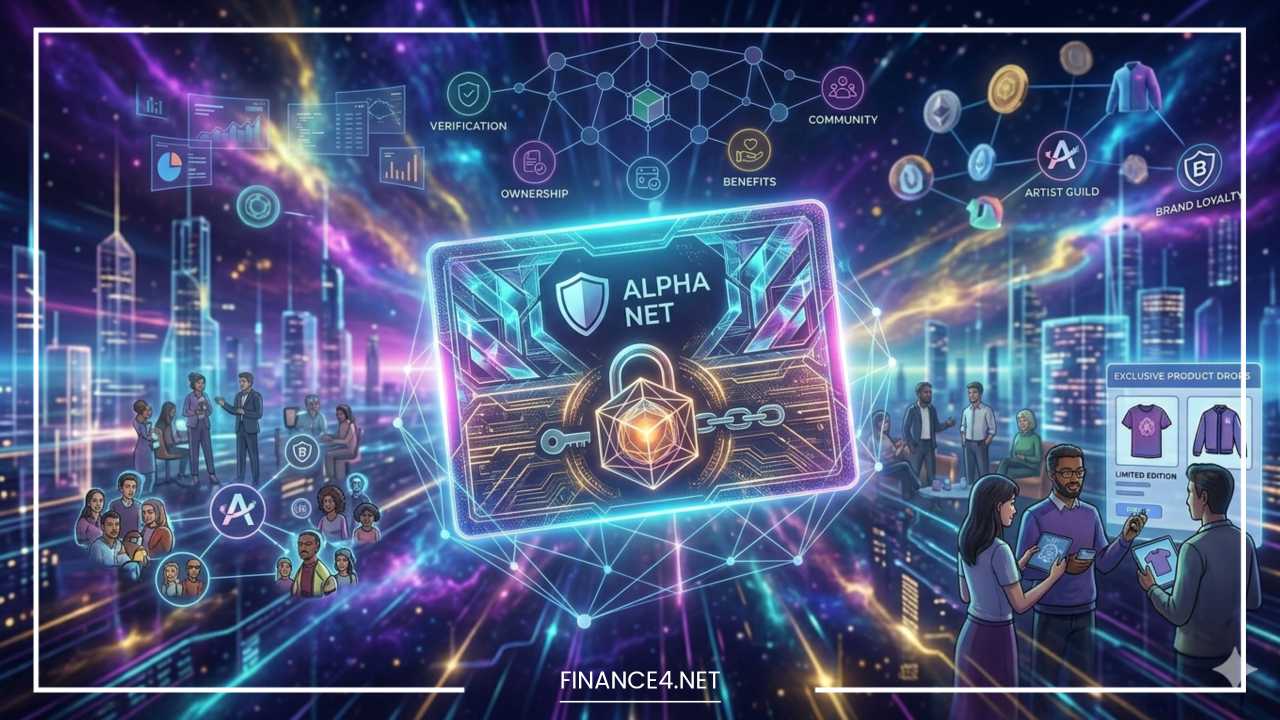
NFT Membership Passes Explained | Guide to Digital Access & Benefits
The digital landscape is undergoing a fundamental shift in how we define ownership, community, and access. At the heart of this transformation is the Non-Fungible Token (NFT), a technology that has moved far beyond simple digital art collectibles. Today, one of the most practical and disruptive applications of blockchain technology is the NFT Membership Pass. These digital assets are redefining the relationship between creators, brands, and their audiences by providing a secure, transparent, and programmable way to manage exclusive access and benefits.
What is NFT Membership Passes
An NFT membership pass is a unique digital asset held in a user’s blockchain wallet that grants the holder specific rights, privileges, or access to a community, service, or physical location. Unlike a standard JPEG or digital image, the value of a membership NFT is derived primarily from its utility—the “gates” it opens for the holder.
Defining the Digital Key
In technical terms, these passes use the ERC-721 or ERC-1155 standards (on Ethereum) or similar standards on other blockchains like Solana or Polygon. Because each NFT is unique and verifiable on a public ledger, it serves as an unforgeable digital key. When a user connects their wallet to a website or presents it at an event, the system checks for the presence of the specific NFT to grant entry.
How They Differ from Traditional Memberships
Traditional memberships, such as gym passes, credit card rewards programs, or country club entries, typically rely on centralized databases. You pay a recurring fee, and the organization holds your data, controlling your access. NFT memberships introduce several radical shifts:
-
True Ownership: In a traditional system, you “rent” access. If the club closes or cancels your membership, you have nothing. With an NFT, you own the asset. If you no longer want the membership, you can often sell or trade the pass on a secondary market.
-
Interoperability: Traditional memberships are silos. An NFT pass can be recognized by multiple different platforms simultaneously. A single pass might grant you access to a Discord server, a private website, and a physical lounge in a major city.
-
Transparency: The rules of the membership, the total number of members, and the transaction history are all visible on the blockchain. This eliminates the “black box” nature of exclusive clubs.
The Rise of NFT-Based Communities
The surge in NFT memberships coincided with the growth of decentralized autonomous organizations (DAOs) and “token-gated” ecosystems. Communities realized that by issuing a limited number of tokens, they could align the incentives of the members with the success of the project. As the community becomes more desirable, the demand for the limited supply of membership passes increases, creating a self-sustaining ecosystem of value and engagement. This shift marks a move from passive consumption to active participation and shared upside.
How NFT Membership Passes Work
To understand why NFT membership passes are effective, one must look at the underlying mechanics of blockchain technology and wallet-based authentication.
The Blockchain Backbone
Every NFT membership pass exists on a blockchain, which acts as a decentralized record-keeper. When a brand or creator issues these passes, they “mint” a specific number of tokens. Each token has a unique identification number and metadata that describes what it is. Because the blockchain is immutable, no one can create a “fake” pass that would pass a digital verification check, nor can the issuer unilaterally take the pass out of your wallet without your permission.
Ownership and Verification via Wallets
The “User Interface” for an NFT membership is the digital wallet.
-
Storage: The user stores their pass in their private wallet.
-
Authentication: Instead of a username and password, the user performs a “Wallet Connect.”
-
Signature: The user signs a cryptographic message to prove they control the wallet address holding the NFT. This process does not require sharing personal data like emails or home addresses unless the provider specifically asks for it.
How Access is Granted
The term for this mechanism is Token-Gating. Software tools scan the user’s wallet for a specific contract address. If the NFT is present, the gate opens. This applies to various environments:
-
Digital Content: Premium articles, research reports, or video content that only “unlocks” when the wallet is connected.
-
Communication Channels: Exclusive “holders-only” channels in platforms like Discord or Telegram, where the most high-value discussions or networking take place.
-
Exclusive Events: Digital “town halls” or physical VIP areas at conferences where a QR code linked to the NFT is scanned for entry.
-
Perks and Airdrops: The smart contract can be used to automatically distribute rewards, such as free “merch” or additional tokens, directly to the holders’ wallets.
Benefits of NFT Membership Passes
The transition from “subscription-based” models to “asset-based” models offers significant advantages for both the issuer and the holder.
Exclusive Digital and Real-World Experiences
The primary draw for most members is the curated experience. This might include “behind-the-scenes” access to a creator’s process, private webinars with industry experts, or invitations to high-end mixers. Because the membership is global, these experiences often transcend borders, allowing a holder in Tokyo to enjoy the same digital benefits as a holder in New York. This democratization of access is a cornerstone of the Web3 ethos.
Early Access and “Allowlists”
For many in the space, the greatest benefit is being “first.” Membership passes often serve as a master key for future releases. This is frequently seen in “allowlists,” where holders of a membership NFT are guaranteed the right to purchase new products, art drops, or limited-edition merchandise before the general public. This reduces the friction of “gas wars” and bot interference during popular launches.
Networking Opportunities
An NFT membership pass is often a signal of status or shared interest. Holding a specific pass immediately identifies you as part of a “tribe.” This leads to high-level networking opportunities that are often more effective than traditional platforms. Within these gated communities, members often find business partners, investors, or specialized talent because the “cost of entry” acts as a filter for commitment and quality.
Potential for Resale and Value Appreciation
This is the most distinct advantage over traditional memberships. If you buy a gym membership and move away, that money is gone. If you buy an NFT membership pass to a professional network and later decide to retire, you can list that NFT on a secondary marketplace. If the community has grown in prestige, you might even sell the pass for more than you originally paid, effectively getting your membership for free or making a profit while enjoying the benefits.
Use Cases of NFT Membership Passes
The versatility of smart contracts allows for NFT memberships to be applied across virtually every industry that relies on loyalty and community.
Art and Entertainment
Musicians are using NFT passes to replace traditional fan clubs. A “Backstage Pass” NFT might grant a fan a lifetime of early-access concert tickets, exclusive vinyl pressings, and access to a private chat with the artist. For filmmakers, NFT passes can be used to fund a project, giving holders a front-row seat to the production process and even voting rights on certain creative decisions. This creates a circular economy where fans directly support the creators they love.
Gaming Guilds and Online Platforms
In the gaming world, membership passes are essential. Gaming guilds issue NFTs that grant members access to a shared treasury of in-game assets, specialized training, and a portion of the guild’s collective earnings. Esports teams use them to offer fans exclusive skins, digital meet-and-greets, and specialized tournament entry. The pass often acts as a digital resume within the gaming ecosystem.
Professional Networks and Clubs
Professional organizations are moving away from yearly dues toward NFT-based models. These communities focus on high-value information sharing, such as investment research, coding boot camps, or entrepreneurial masterminds. The NFT acts as a verifiable credential of the member’s status and contribution to the network. Unlike a LinkedIn badge, it is an asset that represents a tangible stake in the group’s success.
Brand Loyalty Programs
Major global brands are experimenting with “Tokenized Loyalty.” Instead of a plastic card that collects points, a brand issues an NFT. High-tier holders might get free shipping for life, early access to limited edition drops, or invitations to flagship store launch parties. This turns a customer from a passive consumer into an active stakeholder, fostering deeper brand affinity and reducing churn.
Risks and Considerations
While the benefits are substantial, the NFT membership model is not without its hurdles. Prospective members must approach the space with a critical eye.
Market Volatility
Unlike a flat-fee subscription, the price of an NFT membership pass can fluctuate wildly. If you purchase a pass for a significant amount of cryptocurrency and the project’s reputation declines—or the broader crypto market crashes—the resale value of your membership could drop to nearly zero. One should view the purchase primarily through the lens of the utility provided rather than as a pure financial investment.
Security and Wallet Management
The “Self-Custody” nature of NFTs means that the user is solely responsible for their security. If a user’s wallet is compromised through a phishing link or a lost private key, the membership pass is gone. There is no “Forgot Password” button to reclaim an NFT. This requires a higher level of technical literacy and the use of hardware wallets for high-value memberships.
Legal and Regulatory Uncertainties
The legal status of NFTs is still evolving. Some jurisdictions may view certain membership NFTs—especially those that promise a share of profits or voting rights on financial matters—as securities. This could lead to sudden changes in how a project is allowed to operate or who is allowed to hold the tokens based on their geographic location. Compliance is a moving target for many decentralized projects.
Scams and “Rug Pulls”
The ease of creating NFTs has led to many bad actors entering the space. A “Rug Pull” occurs when a team promises a roadmap of incredible benefits, sells out a membership mint, and then disappears with the funds without delivering. Due diligence is required to research the team’s background, their track record, and the feasibility of their goals before committing capital.
How to Get an NFT Membership Pass
Acquiring your first membership pass involves a few steps that differ from a standard online checkout process.
Choosing the Right Project
Research is the most critical step. Look for:
-
The Team: Are they publicly identified (doxxed)? Do they have experience in their field?
-
The Utility: Are the benefits clearly defined and currently available, or are they all “planned for the future”?
-
The Community: Join their Discord or follow their social media. Is the conversation healthy, or is it just speculation about the price?
Setting Up a Crypto Wallet
You will need a non-custodial wallet compatible with the blockchain the project is using. Ethereum and Polygon are common, while Solana also hosts many vibrant communities. Always ensure you download these extensions or apps from official sources and never share your recovery phrase with anyone.
Buying, Minting, or Claiming
There are two primary ways to get a pass:
-
Minting: Buying directly from the project when they first launch. This is often the cheapest way but involves the most risk as the project is unproven.
-
Secondary Market: Buying from a previous holder on a marketplace. Here, you can see the history of the project and the current “floor price” (the lowest price at which a pass is currently listed).
Securing the Asset
Once the NFT is in your wallet, consider using a hardware wallet for long-term storage. You can still use the NFT for digital access by using delegation services that allow a “hot wallet” to prove ownership of an asset held in a “cold wallet” without putting the actual NFT at risk of being stolen during a malicious signature request.
Future of NFT Membership Passes
The current state of NFT memberships is just the beginning. As the technology matures and becomes more user-friendly, we can expect several trends to take hold.
Integration with the Metaverse
As virtual worlds become more robust, NFT membership passes will act as the “key” to these spaces. Your NFT might grant you a specific avatar skin, access to a private island, or the ability to attend virtual concerts in a VIP section. The pass becomes a bridge between your digital identity and your presence in these immersive environments.
Dynamic and Evolving NFTs
Future membership passes will likely be “dynamic.” Using data feeds from the real world, an NFT could change its appearance or its benefits based on the holder’s actions. For example, if you attend five physical events, your NFT could “level up,” unlocking a higher tier of rewards. This creates a gamified loyalty experience that keeps members engaged over the long term.
Mass Adoption through “Invisible” Web3
The complexity of wallets and “gas fees” is a barrier to entry. We are moving toward a future where the “NFT” part is hidden in the background. Users might sign up with an email, and a wallet is created for them automatically. They might pay with a credit card, but the “receipt” is an NFT membership pass that gives them all the benefits of blockchain ownership without the technical headache. This “abstraction” is key to reaching the next billion users.
Cross-Brand Collaborations
Because NFTs are interoperable, we will see more “cross-gating.” For example, holding a membership pass to a specific outdoor brand might automatically grant you a discount at a partner hotel chain or access to a private trail map app. This creates a web of interconnected value that traditional loyalty programs struggle to replicate.
Final Thoughts
NFT membership passes represent a pivot from the “Platform Economy” to the “Ownership Economy.” By turning access into an asset, they empower both creators and consumers. Creators can build sustainable, direct-to-community business models that aren’t dependent on social media algorithms, while members gain true ownership of their status and the ability to exit a community with tangible value still in hand.
While the risks of volatility and security are real, the underlying utility of token-gated access is undeniable. As we move further into a digital-first world, the NFT membership pass will likely become a standard tool for any organization looking to build a deep, loyal, and engaged community. Whether it is for a professional guild, a fan club, or a global brand, these digital keys are reshaping how we interact, network, and belong in the digital age.