NFT Marketplace for Photography
 by
by 
NFT Marketplace for Photography: Buy, Sell & Collect Digital Art
The digital landscape has undergone a seismic shift in how we perceive value, ownership, and art. For decades, photographers struggled with a fundamental problem: how do you maintain the value of a medium that is infinitely replicable? In the age of the internet, a high-resolution image can be right-clicked, saved, and shared millions of times in seconds. While this accessibility helped with exposure, it decimated the scarcity required for a high-end art market.
Enter the Non-Fungible Token (NFT). At its core, an NFT is a digital certificate of authenticity stored on a blockchain. It transforms a digital file from a generic copy into a unique, provable asset. For photography, this technology represents the most significant evolution since the transition from film to digital sensors. It allows a photographer to issue a “digital print” that is just as verifiable as a signed physical manifestation of their work.
Photography fits perfectly into the NFT ecosystem because it is inherently a medium of “editions.” Just as traditional photographers sell limited darkroom prints, digital photographers can now sell limited digital tokens. This has birthed a vibrant creator economy where the relationship between the artist and the collector is direct, transparent, and global. In this guide, we will explore the mechanics of NFT photography marketplaces, the process of navigating these digital galleries, and how both creators and collectors can thrive in this new frontier of the visual arts.
What Is an NFT Marketplace for Photography?
An NFT marketplace is a decentralized digital platform that facilitates the minting, buying, selling, and trading of non-fungible tokens. Unlike traditional stock photo sites where you license the right to use an image for a specific purpose, an NFT marketplace allows you to purchase the ownership of the digital asset itself.
Definition and Infrastructure
Technically, an NFT marketplace is a layer built on top of a blockchain (like Ethereum or Solana). It provides a user interface for interacting with smart contracts. When you “list” a photo, you are essentially telling a smart contract to display your metadata and listen for price offers.
General vs. Photography-Focused Platforms
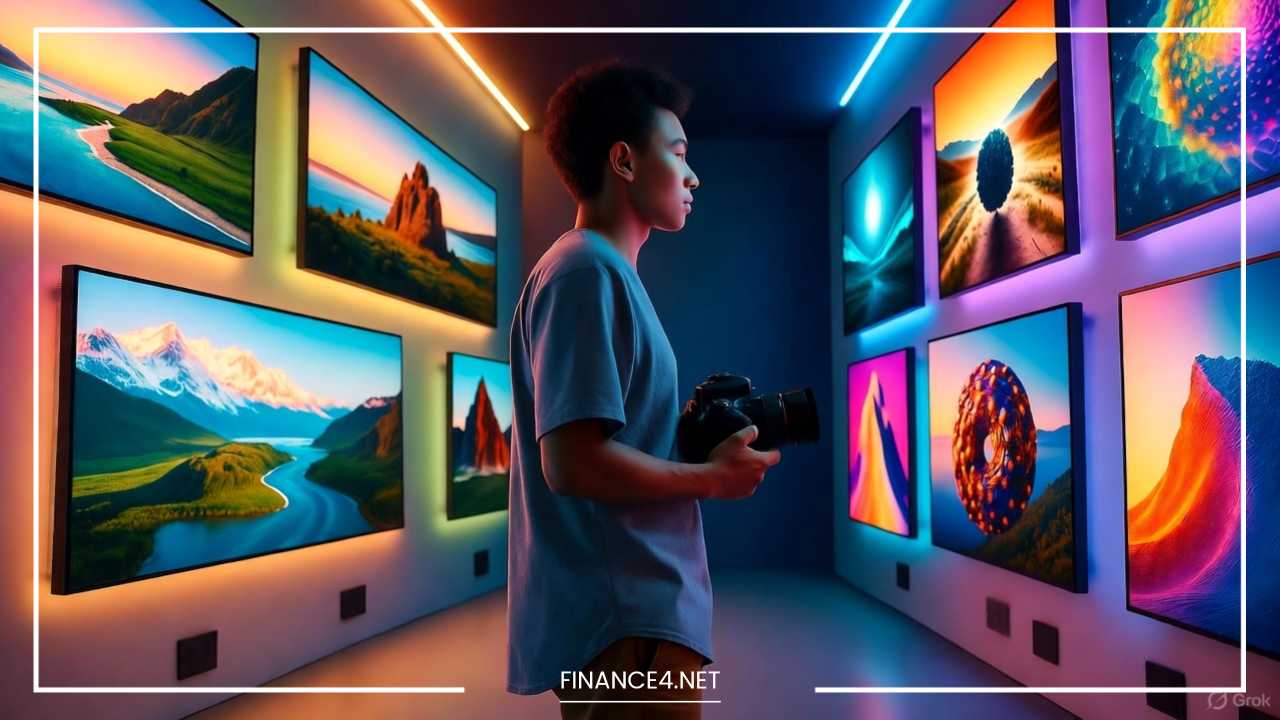
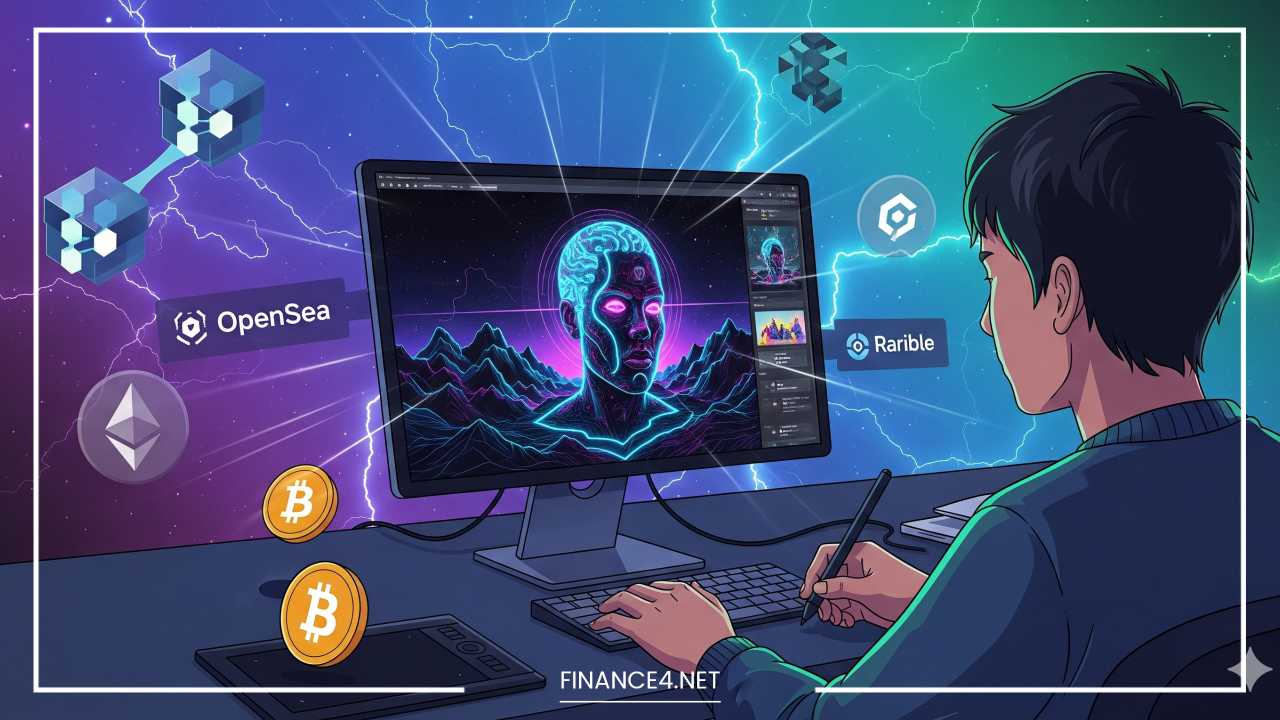
While general marketplaces like OpenSea host everything from virtual land to gaming items, photography-focused platforms or curated art galleries (like Foundation or SuperRare) treat the medium with more reverence. On these specialized sites, the user interface is often designed to showcase high-resolution imagery, and the community is specifically tuned into the nuances of composition, lighting, and visual storytelling.
Role of Blockchain in Verifying Ownership
The backbone of these marketplaces is blockchain technology—a distributed ledger that records every transaction. When a photograph is “minted” as an NFT, it is written into this ledger. This record is immutable, meaning it cannot be altered or forged. This creates a permanent “provenance”—a history of who created the work and every person who has owned it since.
Smart Contracts and Royalties
The most transformative element of this technology is the smart contract. This is a self-executing contract with the terms of the agreement directly written into lines of code. For photographers, smart contracts enable “programmed royalties.” This means the original creator can receive a percentage of the sale price every single time the NFT is resold on the secondary market—a feat nearly impossible in the traditional art world.
Why Photographers Are Turning to NFTs
The migration of world-class photographers toward blockchain technology isn’t just about the “hype”; it solves several legacy issues in the industry.
-
Direct Monetization: In the traditional world, photographers often rely on galleries that take 50% commissions or stock agencies that pay pennies per download. NFT marketplaces allow for a peer-to-peer connection, significantly reducing the “middleman” tax.
-
Royalties on Resales: Historically, if a photographer sold a print for $500 and it later sold at an auction for $50,000, the photographer saw $0 of that appreciation. With NFTs, that same photographer can earn a 10% royalty on every subsequent sale, providing a form of passive income that rewards their growing reputation.
-
Global Audience Reach: A photographer in a remote village can sell their work to a collector in a major financial hub without ever needing to ship a physical frame or deal with international customs.
-
Proof of Authenticity & Scarcity: Metadata attached to the NFT provides a “provenance” trail. Collectors can see exactly when the photo was taken, when it was minted, and every person who has owned it since. This solves the “right-click-save” dilemma by distinguishing the owner from the viewer.
-
Creative Freedom vs. Stock Platforms: Stock platforms often require “commercial” or “generic” imagery to satisfy wide markets. NFT collectors, however, often seek unique, raw, and highly personal artistic expressions, giving photographers the freedom to shoot what they love rather than what “sells.”
How to Buy Photography NFTs
Buying your first photography NFT can be intimidating, but the process is straightforward once you understand the infrastructure.
Step 1: Set Up a Crypto Wallet
You need a digital wallet to store both your currency and your NFTs. MetaMask is the industry standard for Ethereum-based platforms, while Phantom is popular for the Solana ecosystem. These wallets exist as browser extensions or mobile apps. Always remember to secure your “seed phrase”—the 12 or 24 words that act as your master key.
Step 2: Buy Cryptocurrency
Most photography NFTs are priced in Ethereum (ETH), Solana (SOL), or Tezos (XTZ). You can purchase these on a centralized exchange and transfer them to your personal wallet address. Ensure you have a little extra to cover network transaction costs.
Step 3: Choose a Marketplace and Browse
Connect your wallet to a marketplace. You can filter by “Photography” to see the latest drops. Take your time to explore different styles—from street photography and landscapes to conceptual digital composites.
Step 4: Evaluate the Asset
Before clicking “buy,” consider these three pillars:
-
Artist Credibility: Look at their history. Do they have a consistent body of work? Are they active in the community?
-
Rarity: Is this a 1-of-1 (the only one in existence) or part of an edition of 50? 1-of-1s generally command higher prices and represent the “fine art” tier of the market.
-
Utility: Some photographers offer “perks” to owners, such as a physical print, access to workshops, or a high-resolution RAW file.
Tips for Buyers
-
Avoid Scams: Never share your wallet’s “seed phrase.” If someone asks for it, they are trying to steal your assets.
-
Check Verified Creators: Most reputable marketplaces use blue checkmarks to verify that an artist is who they claim to be. Always check the artist’s social media links to ensure the wallet address matches.
-
Understand Gas Fees: On the Ethereum network, you must pay a “gas fee” to the network to process the transaction. These fees can fluctuate based on network traffic.
How to Sell Photography as NFTs
For the creator, “selling” is a multi-step process that combines technical execution with digital marketing.
Step 1: Create and Prep Your Digital Asset
High quality is non-negotiable. Ensure your files are exported in a format the marketplace supports. Pay attention to the color profile—sRGB is generally safest for web viewing. Consider including “unlockable content,” such as a link to the full-resolution TIFF or a behind-the-scenes video of the shoot.
Step 2: Choose Your Blockchain
The “Big Three” for photography are:
-
Ethereum: The highest liquidity and most serious collectors, but higher fees.
-
Solana: Fast, cheap, and growing in popularity for large-scale editions.
-
Tezos: The “indie” favorite, known for its low fees and experimental art scene.
Step 3: Mint the NFT
Minting is the act of publishing your work on the blockchain. You will upload your file, give it a title, and write a compelling description. This description is your “artist statement.” Tell the story of the shot—where were you? What was the weather like? What does this image represent to you?
Step 4: Set Pricing
-
Fixed Price: Best for beginners or for high-volume editions.
-
Auction: Ideal for highly anticipated 1-of-1 pieces where you want the market to decide the value. “Reserve auctions” only begin once a minimum bid is met.
Branding and Storytelling
In the NFT world, you aren’t just selling an image; you are selling a piece of your journey. Collectors buy into the artist’s brand. Consistent engagement on social platforms and a clear, recognizable “style” will do more for your sales than any technical specs will.
Top NFT Marketplaces for Photography
OpenSea
The world’s largest general NFT marketplace.
-
Features: Huge volume, multi-chain support.
-
Pros: Massive audience; easy for beginners.
-
Cons: High “noise” level; work can be buried by low-quality spam.
Foundation
A curated, “creators-first” platform with a sleek, gallery-like aesthetic.
-
Features: Beautiful layout; focuses on “World” building.
-
Pros: High-quality community; prestigious feel.
-
Cons: Higher fees; requires Ethereum.
SuperRare
One of the most prestigious platforms in the space.
-
Features: Highly curated; invitation-only for artists.
-
Pros: Serious collectors; high average sale prices.
-
Cons: Extremely difficult to get accepted as a creator.
KnownOrigin
An artist-driven platform that focuses on high-quality digital art.
-
Features: Strong editorial team; clear provenance.
-
Pros: Great community support; professional atmosphere.
Objkt (Tezos)
The heart of the Tezos art community.
-
Features: Very low fees; environmentally friendly.
-
Pros: Accessible for global artists; highly experimental.
How to Collect Photography NFTs (Investor Perspective)
Collecting photography for profit requires a different lens than collecting for pure pleasure.
What Makes a Photo Valuable?
-
Artist Reputation: Is the photographer a “legacy” artist or a “native” star? Both have value, but native stars often have more engaged digital communities.
-
Scarcity: A photographer who mints 1,000 photos a week is diluting their market. A photographer who mints one masterpiece a month is creating scarcity.
-
Historical Significance: Was this the first photo minted on a certain chain? Does it capture a significant global event?
-
Community Demand: Is there a “floor” of collectors who consistently buy this artist’s work? A strong community acts as a price support system.
Building a Curated Collection
Smart collectors don’t just buy random images; they build “collections” with themes—perhaps “Black and White Street Photography” or “Drone Landscapes.” A curated collection is often worth more than the sum of its parts.
Blockchain Technology Behind NFT Photography
How It Works
When you buy an NFT, the blockchain record of ownership is stored on the ledger. However, the actual high-resolution image file is often too large to be stored on the blockchain itself. Instead, the NFT contains a “pointer” to the file, usually stored on IPFS (InterPlanetary File System), a decentralized storage network.
Smart Contracts Simplified
Think of a smart contract as a digital vending machine. You put in the crypto, and it automatically transfers the ownership token to your wallet and the payment to the artist’s wallet. It removes the need for a human clerk.
Gas Fees and Transaction Costs
Every time you write to the blockchain, you must pay the “miners” or “validators” who secure the network. On busy days, these fees can be high. Using Layer 2 solutions or “Proof of Stake” networks like Solana can mitigate these costs.
Legal & Copyright Considerations
This is the area of most confusion. Buying an NFT is not the same as buying the copyright.
-
Ownership vs. Licensing: Usually, the buyer receives the right to display the image for personal use. They do not own the underlying “intellectual property.”
-
Commercial Rights: Some photographers grant commercial rights (allowing the buyer to use the image on merchandise), but this is rare in fine art photography.
-
Stolen Work: Because the blockchain is permissionless, anyone can mint a photo they don’t own. Always verify that the minting wallet belongs to the actual artist.
-
How Photographers Protect Work: Artists often use watermarks in the “preview” image while keeping the high-resolution file as “unlockable content” only for the buyer.
Benefits & Challenges of NFT Photography
Benefits
-
Decentralization: No single entity can “shut down” your art or take it away.
-
Transparency: Every cent is accounted for; you can see exactly where the money goes.
-
Passive Income: The royalty system creates a sustainable long-term career path.
Challenges
-
Market Volatility: The value of the underlying cryptocurrency can swing wildly, affecting your “real world” net worth.
-
Technical Barriers: Learning to manage wallets and gas fees has a steep learning curve.
-
Oversaturation: Standing out requires more than just a good eye; it requires a marketing strategy and a “story.”
Future of NFT Photography
Integration with the Metaverse
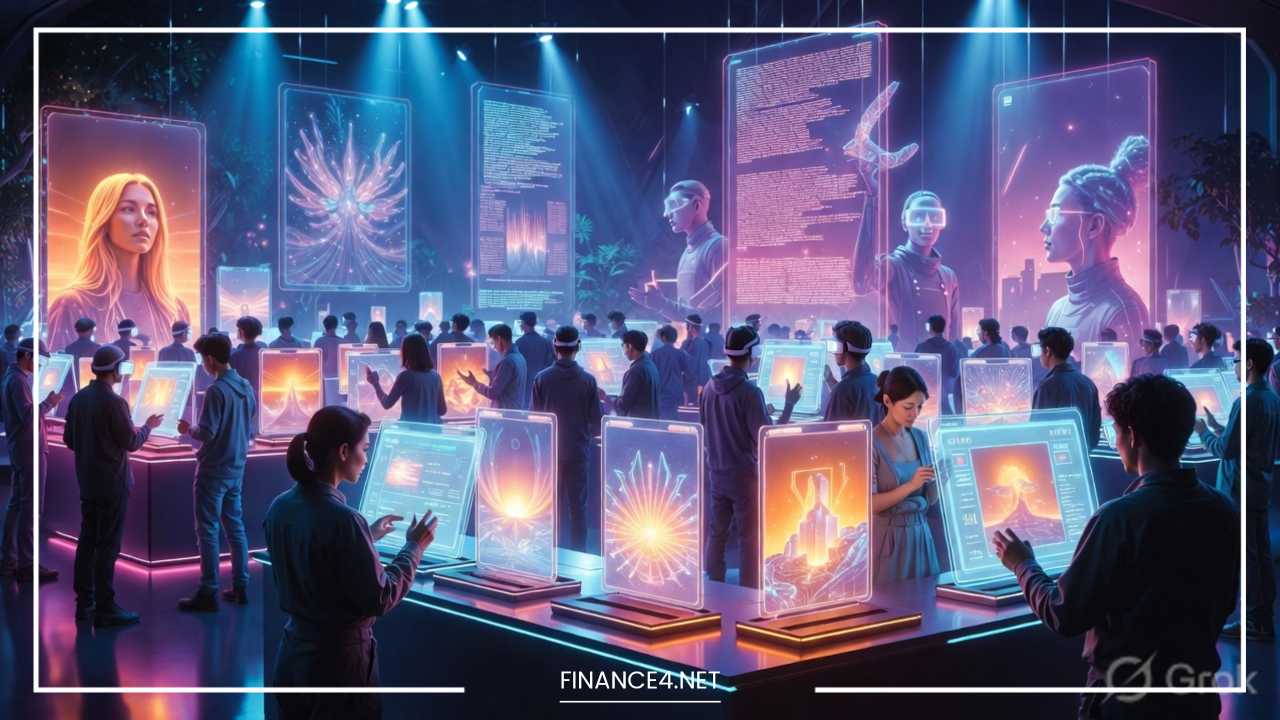
Imagine walking through a 3D virtual gallery where you can see a photographer’s work displayed at massive scale, interacting with other collectors in real-time. This isn’t science fiction; it’s already happening in digital worlds.
AI and AR/VR
We are seeing the rise of AR (Augmented Reality) frames where you can “hang” your digital NFT on your physical wall using your phone or glasses. AI is also helping photographers categorize and protect their work through advanced image recognition.
Institutional Adoption
Traditional institutions like the MoMA and Sotheby’s are beginning to acquire and auction NFTs. As digital art becomes a standard part of museum collections, the prestige of the medium will only grow.
Tips for Success in NFT Photography
-
Build a Personal Brand: Start on social media, join photography “spaces,” and meet the collectors.
-
Engage on Social Platforms: The NFT world lives on X (Twitter) and Discord. Be present and helpful.
-
Collaborate: Partner with other artists. A landscape photographer and a 3D animator might create a breathtaking “living photo.”
-
Consistency in Style: Collectors like to know what they are getting. A recognizable “look” helps build a floor price.
-
Educate Your Audience: Many of your existing fans might not know what an NFT is. Help them understand the value of digital ownership.
Final Thoughts
The NFT marketplace for photography is more than just a new way to sell pictures; it is a fundamental restructuring of the relationship between artists, their work, and their supporters. By solving the problem of digital scarcity and introducing automated royalties, blockchain technology has given photographers a seat at the high-art table.
Whether you are a creator looking to reclaim your independence or a collector looking to support the next generation of visual pioneers, the opportunity is immense. While the technology is complex and the market can be volatile, the core principle remains the same: great art has value. As the world continues to move toward a digital-first existence, the “digital print” will eventually become the standard, not the exception. The best time to understand this landscape is now, while the foundations are still being built.