Best Bridging Aggregator with Lowest Slippage
 by
by 
Find the Best Bridging Aggregator with Lowest Slippage and Speed
The blockchain landscape has transformed from a single-chain environment into a vast, multi-chain ecosystem. With the explosion of Layer 2 scaling solutions, sidechains, and independent Layer 1 networks, the need to move assets between these environments has never been higher. However, this growth has created a significant problem: fragmented liquidity. When liquidity is spread thin across dozens of different networks, moving value becomes a complex and often expensive task.
Users frequently encounter three primary pain points when trying to bridge assets manually: high slippage, slow transfer speeds, and hidden fees that are not apparent until the transaction is already processed. These hurdles can turn a simple transfer into a frustrating experience where a significant portion of the capital is lost to market inefficiencies.
Enter the bridge aggregator. A bridge aggregator is a sophisticated tool that functions as a meta-layer routing engine. Instead of requiring the user to manually research and test individual bridges, the aggregator scans the entire market, comparing multiple protocols to find the most efficient path. It routes transactions through the best possible option based on real-time data regarding cost, speed, and liquidity. Essentially, it serves as a central hub that ensures users get the most value for their cross-chain transfers.
What Is a Bridge Aggregator?
To understand a bridge aggregator, it is helpful to look at it as a meta-layer that sits on top of existing infrastructure. While a single bridge provides a direct path between two specific chains (such as Ethereum to Arbitrum), an aggregator is a routing engine that connects to dozens of these individual bridges simultaneously.
It differs from a decentralized exchange (DEX) aggregator in its scope. While a DEX aggregator like 1inch focuses on finding the best price for a swap within a single network, a bridge aggregator focuses on the movement of assets across different networks. Many modern aggregators combine these functions, allowing a user to swap Token A on Chain X for Token B on Chain Y in a single click.
The simplest way to visualize this is by comparing it to travel search engines. If a single bridge is like a specific airline’s website, a bridge aggregator is Google Flights. You enter your origin and destination, and the aggregator scans every available flight, compares the prices, checks the duration of the trip, and presents you with the best options.
When a user submits a request to a bridge aggregator, the engine performs several tasks in the background. It identifies which bridges support the specific token pair, checks the current liquidity available in those bridge pools, and calculates the expected fees. By providing a unified interface, aggregators eliminate the need for manual comparison, significantly improving the quality of execution for both retail and institutional users.
How Bridge Aggregators Work
The technical process behind a bridge aggregator involves a complex series of steps designed to ensure the user receives the best possible quote. This process happens in a matter of seconds before the user ever clicks the confirm button.
The Step-by-Step Flow
The journey begins when a user inputs their desired parameters, including the source chain, the destination chain, the specific token, and the amount they wish to transfer. Once this information is provided, the aggregator’s route discovery algorithm goes to work.
The algorithm queries various bridge protocols and liquidity providers. It analyzes the depth of liquidity on both the source and destination chains to determine how much the price will move during the trade. This is followed by a pricing analysis that accounts for gas fees, bridge provider fees, and any potential intermediary swap fees.
Once the optimal routes are identified, the aggregator provides a slippage estimation. This tells the user exactly how much of their asset they should expect to receive on the other side. Finally, once the user approves the transaction, the aggregator executes the logic via the selected bridges and smart contracts.
Advanced Routing Concepts
As the technology has matured, aggregators have moved beyond simple one-to-one routing. Some now utilize split routing, where a large transaction is broken into smaller pieces and sent through multiple bridges simultaneously to minimize price impact.
Another emerging trend is intent-based execution. In this model, the user expresses a desired outcome (e.g., I want 1000 USDC on Optimism) rather than a specific path. Professional market makers, known as solvers, then compete to fulfill this intent in the most efficient way possible. This often results in faster speeds and lower costs than traditional on-chain routing because solvers can use off-chain liquidity and sophisticated hedging strategies.
Furthermore, these platforms often combine bridging with local swaps. If a user wants to move ETH from Ethereum to SOL on Solana, the aggregator might use a DEX on Ethereum to swap ETH for a bridgeable stablecoin, move that stablecoin across a bridge, and then use a DEX on Solana to swap the stablecoin for SOL. This integrated approach ensures the entire path is optimized for the best final output.
Understanding Slippage in Cross-Chain Transfers
One of the most misunderstood aspects of bridging is slippage. In the context of decentralized finance, slippage is the difference between the expected price of a trade and the price at which the trade is actually executed. While users are often used to small amounts of slippage on a single-chain DEX, bridging introduces new variables that can make slippage much more aggressive.
Why Slippage Is Worse in Bridging
Slippage is primarily driven by liquidity. Many bridges operate using liquidity pools on both the source and destination chains. If you are trying to bridge a large amount of an asset and the pool on the destination chain is relatively small, your trade will move the price significantly, resulting in high slippage.
Furthermore, bridging is a multi-step process that takes time. During the minutes (or sometimes hours) it takes for a bridge to confirm, the market price of the assets involved can change. This volatility during the confirmation window can lead to an executed price that is far worse than the original quote.
For example, if you are moving a large amount of USDC from Ethereum to buy ETH on an L2, and the bridge takes ten minutes to finalize, a sudden spike in the price of ETH could mean you receive significantly less ETH than you expected. This silent erosion of capital is why choosing an aggregator with sophisticated slippage protection is vital for anyone moving substantial volume.
Why Speed Matters in Bridging
In the fast-moving world of crypto, time is often money. The speed of a bridge is determined by its underlying architecture. There are generally two types of bridges: lock-and-mint bridges and liquidity-based bridges. Lock-and-mint bridges often involve waiting for several block confirmations on the source chain before minting a representation of the asset on the destination chain, which can be a slow process. Liquidity-based bridges use pre-funded pools and can often complete transfers much faster.
Speed is critical for several reasons. First, it reduces the window of exposure to market volatility. The faster a transaction completes, the less time there is for the price to move against the user. Second, for users looking to take advantage of arbitrage opportunities between different chains, speed is the deciding factor in whether the trade is profitable or not. Finally, from a general user experience perspective, waiting for hours to access your funds on a different network is a major friction point that aggregators aim to solve by prioritizing the fastest available routes.
Key Features of the Best Bridge Aggregators
When evaluating which aggregator to use, there are several key features that distinguish a high-quality tool from a mediocre one. These features are designed to maximize efficiency and protect the user from common pitfalls.
Multi-Bridge Routing and Deep Liquidity
The most basic requirement is the ability to access a wide variety of bridges. A good aggregator should connect to all major protocols, including native bridges, third-party liquidity bridges, and specialized cross-chain messaging protocols. This ensures that the platform has access to the deepest possible liquidity at all times.
Real-Time Comparison and Finality Estimation
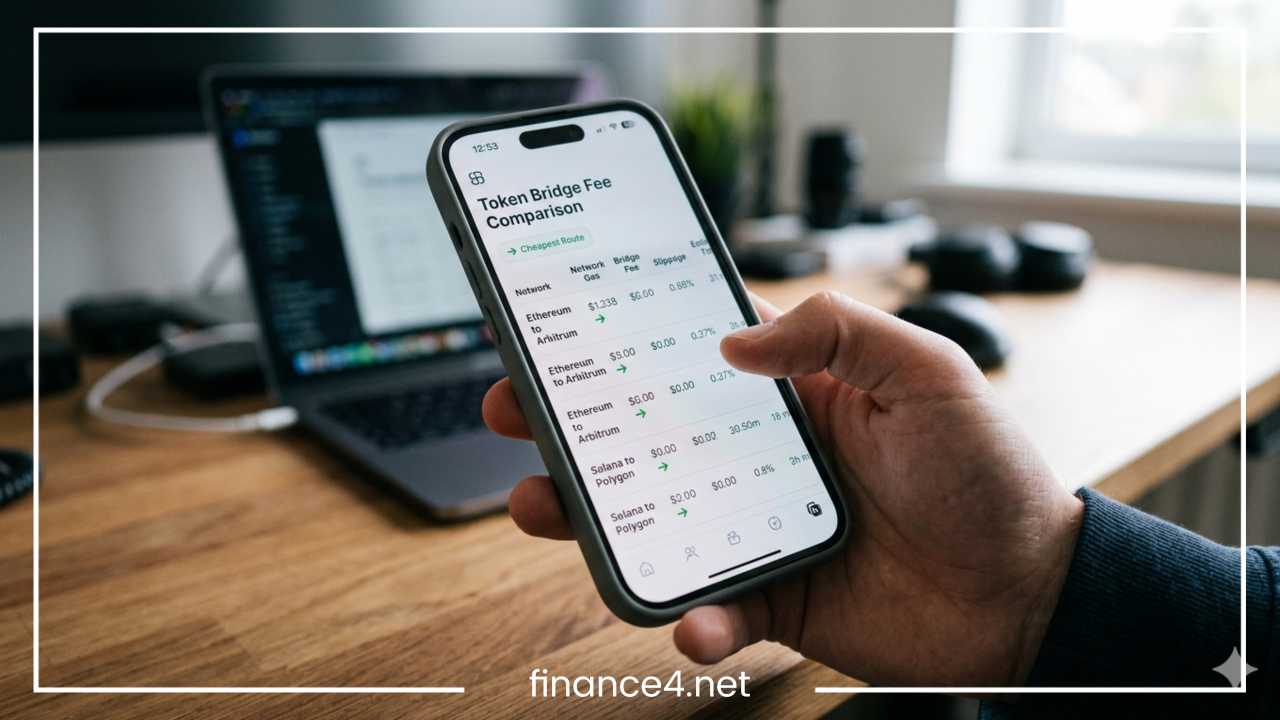
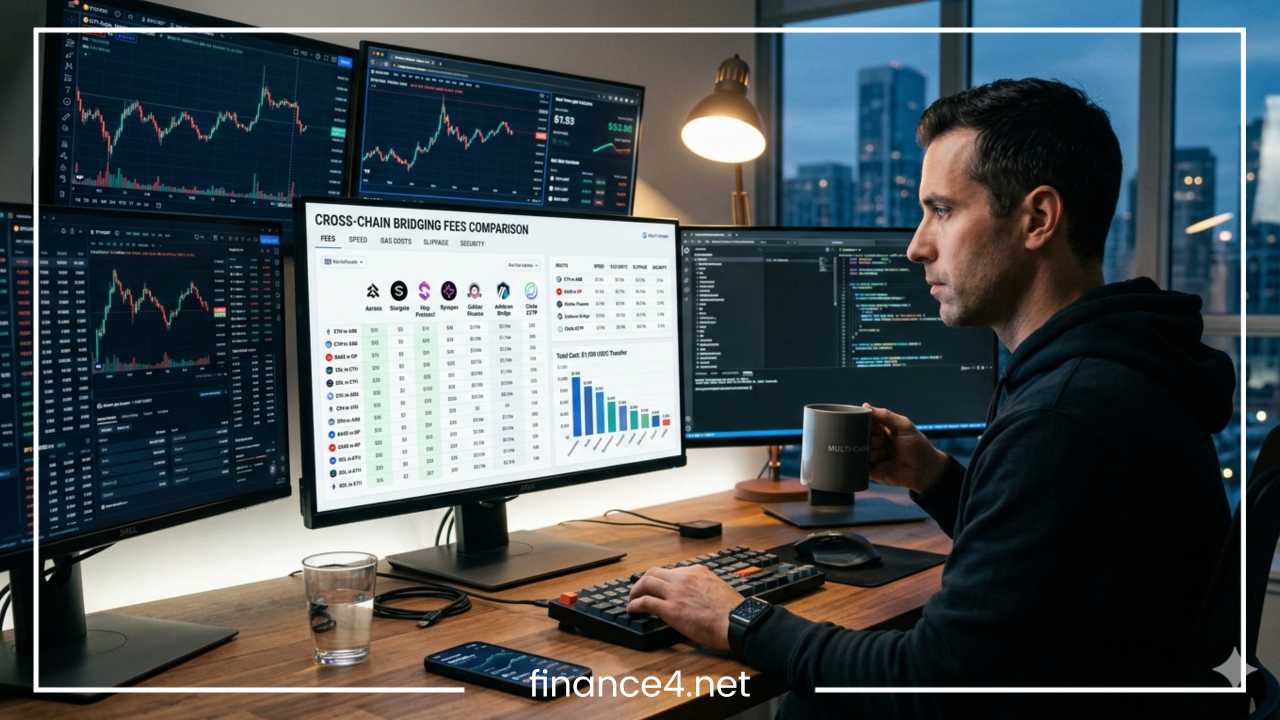
A transparent UI is essential. The best aggregators provide a detailed breakdown of fees, including gas costs and service fees, in real-time. They should also provide an accurate estimation of “time to finality.” Knowing whether a transaction will take 2 minutes or 20 minutes allows the user to make an informed decision based on their current needs.
Security Scoring and Audits
Security is the most important factor in cross-chain activity. Top-tier aggregators often include security scores for the bridges they recommend. They prioritize bridges that have undergone multiple audits and have a proven track record of safety. Some even allow users to filter out bridges that do not meet a certain security threshold.
Smart Routing and MEV Protection
Advanced aggregators use smart routing algorithms that can handle complex, multi-hop paths. Additionally, some platforms have begun integrating MEV (Maximum Extractable Value) protection. This prevents predatory bots from front-running your bridge transaction and worsening your slippage, ensuring that the value stays in the user’s pocket.
Best Bridging Aggregators
Several platforms have established themselves as leaders in the aggregation space. Each has unique strengths and caters to different types of users.
Jumper Exchange
Jumper is powered by the LI.FI protocol and is widely considered one of the most comprehensive aggregators in the market. It excels at finding the most cost-effective routes by tapping into an extensive network of bridges and DEXs. Its interface is clean and provides a wealth of data, making it a favorite for both beginners and power users. Jumper is particularly strong for users who need to swap and bridge simultaneously across a vast number of EVM-compatible chains.
LI.FI
While Jumper is the consumer-facing interface, LI.FI is the underlying infrastructure that powers many other applications. It is a bridge and DEX aggregation protocol that provides a high degree of customization. For developers or advanced users, LI.FI offers deep technical flexibility and a robust stack of integrated bridges like Stargate, Hop, and Across. Its performance in terms of finding low-slippage routes is among the best in the industry.
Socket
Socket (formerly known as Movr) is another heavyweight in the aggregation space. It focuses on providing a seamless “plug-and-play” experience for developers while offering a powerful dashboard for retail users via Bungee. Socket is known for its speed and its ability to optimize for the lowest gas fees. It categorizes routes by “Cheapest,” “Fastest,” and “Best Return,” allowing users to prioritize what matters most to them.
Rango Exchange
Rango is unique because it goes beyond just EVM chains. It is a multi-chain aggregator that connects EVM, Cosmos, Solana, and even Bitcoin. If you are looking to move assets from a specialized ecosystem like Juno or Osmosis to an Ethereum Layer 2, Rango is often the best choice. Its ability to aggregate across vastly different technical architectures makes it an essential tool for the truly multi-chain user.
Across
While Across functions primarily as a bridge, it often acts like an aggregator in terms of its efficiency and its use of a competitive intent-based model. It is frequently one of the cheapest and fastest options for moving assets between Ethereum and its major Layer 2s. Its “filler” model allows for nearly instant transfers with minimal slippage, making it a top contender for users focused on speed.
Squid Router
Squid is built on the Axelar Network and specializes in cross-chain swaps and liquidity routing. It is particularly effective for users who want to perform complex actions—like buying an NFT on one chain with a token from another—in a single transaction. Squid’s integration with Axelar provides a high level of security and access to a growing number of non-EVM chains.
Comparison Table for Quick Reference
| Aggregator | Speed | Slippage | Main Chains Supported | Best For |
| Jumper | Very Fast | Very Low | All major EVM, L2s | General multi-chain swaps |
| Socket | High | Low | Ethereum, L2s, Polygon | Finding lowest gas fees |
| Rango | Moderate | Variable | EVM, Cosmos, Solana, BTC | Non-EVM cross-chain moves |
| Across | Instant | Minimal | Ethereum, Arbitrum, Optimism | Fast L2 to L1/L2 transfers |
| Squid | Fast | Low | EVM, Cosmos | Complex cross-chain logic |
Bridge Aggregator vs Single Bridge
Choosing between an aggregator and a single bridge often comes down to the trade-off between simplicity and optimization.
A single bridge provides a fixed, predictable environment. If you always use the Arbitrum Native Bridge to move funds from Ethereum, you know exactly what the security model is and what to expect. However, you are locked into their fixed fees and their specific speed. You might be missing out on a much cheaper or faster route available through a third-party liquidity bridge.
An aggregator provides flexibility and cost optimization. It doesn’t lock you into one protocol. Instead, it constantly scans for the best deal. If a new bridge launches with higher incentives or better liquidity, the aggregator will automatically start routing you through it. For the vast majority of users, the aggregator is the superior choice because it handles the difficult task of market research in real-time, ensuring you never pay more than necessary.
Risks and Limitations
While bridge aggregators offer immense benefits, they are not without risks. It is important for users to understand the trade-offs involved in using these tools.
Smart Contract Risk
The primary risk in DeFi is always smart contract vulnerability. When you use an aggregator, you are interacting with the aggregator’s contracts, which in turn interact with the underlying bridge’s contracts. This adds a layer of complexity and increases the “attack surface.” If either the aggregator or the bridge it selects has a bug, your funds could be at risk.
Bridge Vulnerabilities
Historically, bridges have been one of the largest sources of exploits in the decentralized finance space. Large liquidity pools are attractive targets for hackers. While aggregators try to filter for the most secure bridges, they cannot eliminate the inherent risk of the underlying protocols they route through.
Liquidity Fragmentation
In some cases, an aggregator might suggest a route through a bridge with very low liquidity if the user does not set their slippage tolerances correctly. This can lead to a “partial fill” or a transaction that gets stuck if the liquidity disappears before the transaction is finalized. Users should always double-check the route transparency provided by the aggregator before signing the transaction.
How to Choose the Best Aggregator
Finding the right aggregator depends on your specific needs for a given transaction. Here is an actionable checklist to help you make the best choice.
Consider the Trade Size
For small trades, gas fees are the biggest concern. Look for an aggregator that allows you to sort by “Cheapest Gas.” For large trades, slippage is your main enemy. You should prioritize an aggregator that uses split routing or intent-based solvers to ensure you don’t get hit by massive price impact.
Check the Chain Pair
Not all aggregators support every chain. If you are moving between popular L2s like Base and Arbitrum, almost any aggregator will work. If you are moving from a more obscure chain, you may need a specialized aggregator like Rango.
Verify Route Transparency
A good aggregator will show you exactly which bridges it is using and what the fees are at each step. If an aggregator is “black-boxing” the process and not showing you the breakdown, it is better to use a different tool.
Checklist Before You Click:
-
Have you set a reasonable slippage tolerance (usually 0.5% to 1%)?
-
Is the estimated time to finality acceptable for your needs?
-
Are you using a reputable aggregator with a history of security audits?
-
Did you compare the quote against at least one other aggregator?
Future of Bridge Aggregators
The future of bridging is moving toward a “frictionless” experience where the user doesn’t even realize they are bridging. This concept, often called chain abstraction, relies heavily on the evolution of aggregators.
We are seeing a shift toward intent-based bridging, where users simply state what they want to happen, and a network of solvers handles the technical complexity in the background. Additionally, the integration of zero-knowledge (zk) technology into bridges is expected to increase security significantly, reducing the reliance on trusted intermediaries.
As AI routing becomes more sophisticated, aggregators will become even better at predicting gas fluctuations and liquidity shifts, allowing for even tighter slippage and faster execution. The ultimate goal is a unified liquidity layer where moving assets across chains is as simple and fast as sending an email.
Final Thoughts
In a fragmented multi-chain world, bridge aggregators are no longer just a luxury—they are an essential tool for anyone interacting with decentralized finance. By consolidating liquidity, providing real-time price comparisons, and offering sophisticated routing, they allow users to minimize slippage and maximize speed.
However, the power of these tools comes with the responsibility of due diligence. While aggregators simplify the user experience, you must always balance the desire for the lowest fees with the need for security. By choosing reputable platforms, checking slippage settings, and understanding the underlying risks, you can navigate the cross-chain landscape with confidence and efficiency. Whether you are a casual user moving small amounts or a whale moving millions, the right aggregator will ensure your capital reaches its destination in the most optimal way possible.
Frequently Asked Questions
Which bridge has the lowest fees?
Fees change constantly based on gas prices and liquidity incentives. Using an aggregator like Jumper or Socket is the best way to find the current lowest fee for your specific route in real-time.
Are bridge aggregators safe?
Aggregators add a layer of smart contract risk, but they generally route through the most reputable bridges in the industry. Always check for security audits and start with smaller amounts when using a new platform.
How can I reduce slippage when bridging?
To reduce slippage, bridge during periods of low volatility, avoid moving very large amounts of illiquid tokens in a single transaction, and use aggregators that offer split-routing or intent-based execution.
Why is my bridge transaction taking so long?
Delays are usually caused by network congestion on either the source or destination chain, or because the specific bridge protocol requires a high number of block confirmations for security. Aggregators usually provide a “time to finality” estimate to help you avoid slow routes.