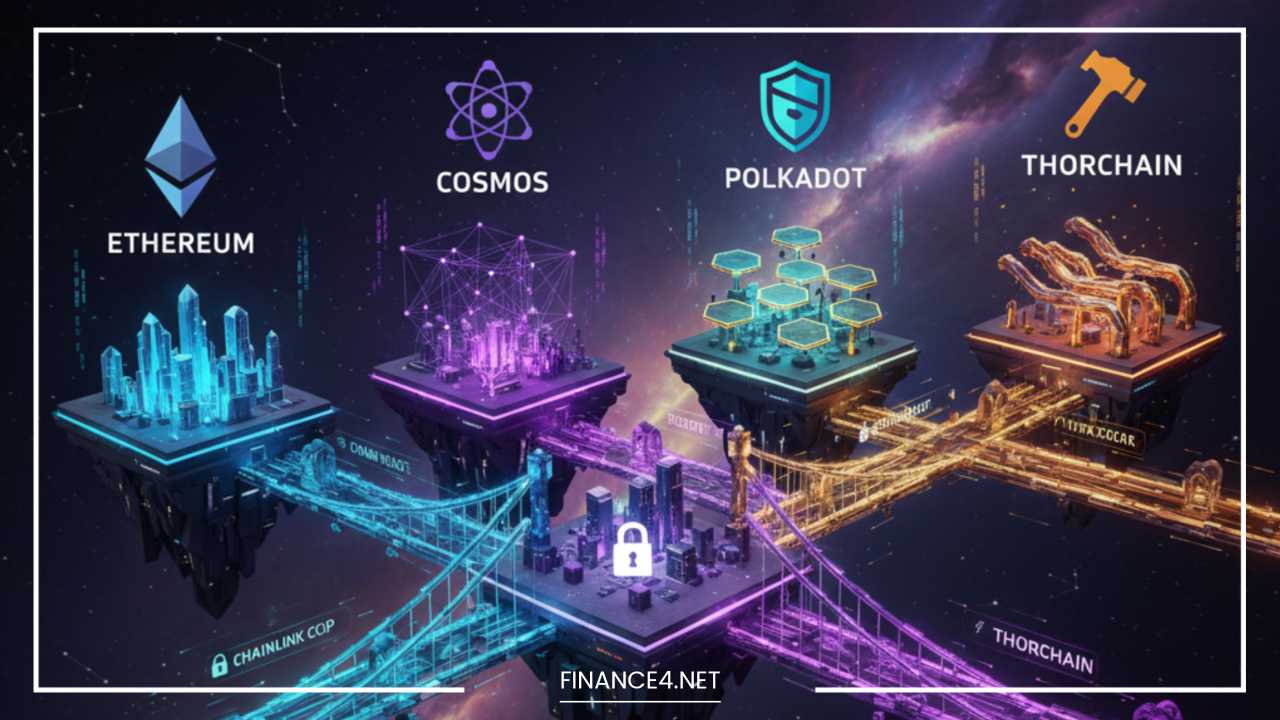
Top Bridging Aggregator for Polkadot Ecosystem
 by
by 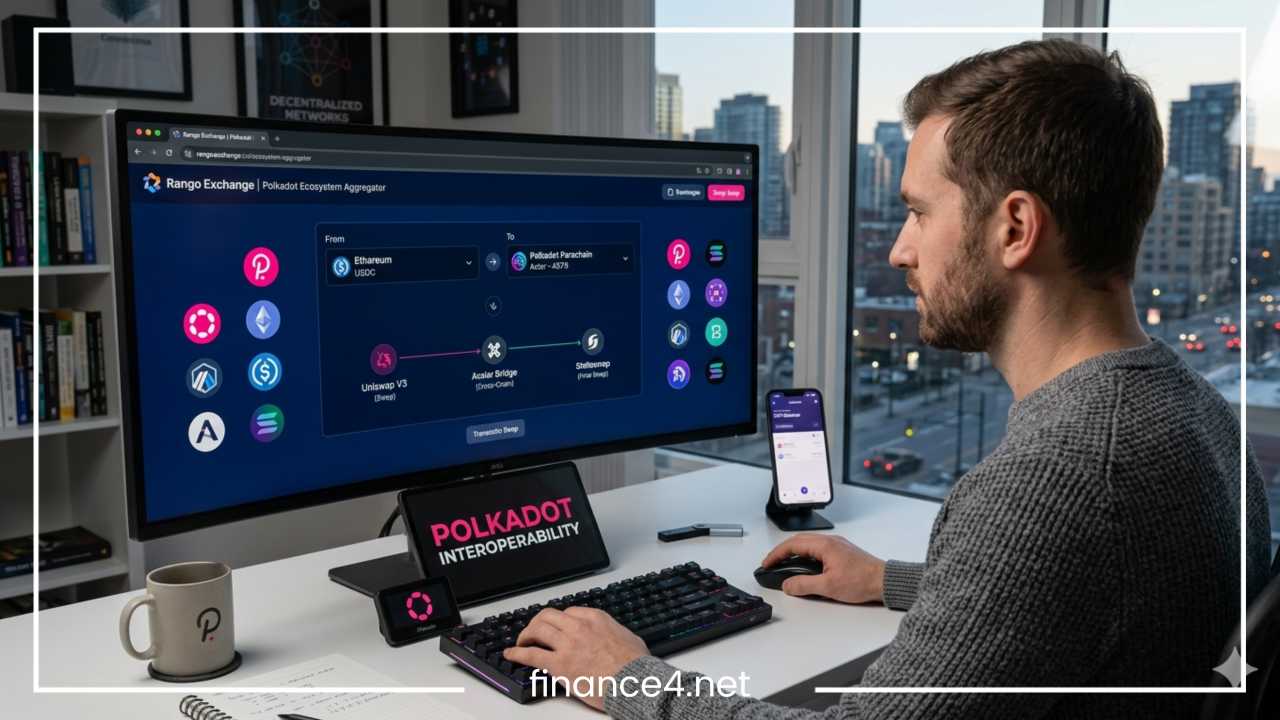
Best Polkadot Bridge Aggregators: Top Cross-Chain Tools
Cross-chain interoperability has evolved from a luxury into an absolute necessity for the decentralized finance (DeFi) ecosystem. As the blockchain landscape expands into a web of layer-1 networks, layer-2 scaling solutions, and application-specific networks, the ability to transfer data and value seamlessly between isolated ecosystems dictates the success of Web3. Without proper cross-chain bridges, liquidity remains locked in silos, fracturing capital efficiency and forcing users to navigate complex, fragmented interfaces just to move their assets.
Polkadot was designed from inception with native interoperability as its foundational architectural pillar. Through its unique relay chain and parachain model, Polkadot allows a diverse array of independent blockchains to co-exist and communicate securely under a shared security umbrella. Within the Polkadot network, the Cross-Consensus Message Format (XCM) enables trustless, secure, and lightning-fast communication between individual parachains without relying on traditional wrapped assets or third-party intermediaries.
However, a pressing issue remains for multi-chain DeFi users: connecting Polkadot’s highly optimized internal network to external layer-1 and layer-2 ecosystems like Ethereum, Solana, Cosmos, Base, and Arbitrum. Relying on standalone, manual bridges to execute these external transfers introduces substantial friction. Users are forced to manually research which bridge supports their target asset, calculate gas costs across multiple networks, assess the liquidity depth on individual protocols, and execute separate transactions on independent decentralized exchanges (DEXs) before and after bridging. This manual routing often results in high slippage, excessive gas expenditures, and a highly disjointed user experience.
This is precisely where cross-chain bridge aggregators become essential infrastructure. A bridge aggregator functions as an intelligent routing layer for the multi-chain web. Instead of forcing users to interface with individual bridges, these platforms automatically compare dozens of different bridge protocols and DEX routes simultaneously. By synthesizing data from multiple messaging layers and liquidity pools, aggregators instantly calculate the most cost-effective, secure, and rapid path for any cross-chain swap, simplifying complex multi-step processes into one-click user interactions.
What Is a Polkadot Bridge Aggregator?
To fully grasp the utility of a bridge aggregator within the Polkadot ecosystem, it is vital to distinguish it from standard infrastructure tools like independent bridges and standalone decentralized exchanges. Each of these three technologies serves a distinct purpose in the lifecycle of a digital asset transaction, and their roles are outlined below:
| Tool Type | Purpose |
| Bridge | Transfers a specific asset or message between two distinct blockchain networks. |
| DEX | Executes asset-to-asset swaps on a single, isolated blockchain network. |
| Aggregator | Dynamically scans, bundles, and selects the most efficient route across multiple bridges and DEXs simultaneously. |
A traditional cross-chain bridge operates as a point-to-point pipeline. If you want to move USDC from Ethereum to a Polkadot parachain, a dedicated bridge takes your Ethereum-based tokens, locks or burns them on the source network, and mints or releases a corresponding wrapped version of that asset on the destination parachain. A DEX, such as Uniswap or a native Polkadot parachain exchange like HydraDX, processes trades within its own local liquidity pools, allowing a user to swap native tokens on that single chain.
A bridge aggregator sits on top of this infrastructure, acting as an orchestrator that unifies these services. Top-tier aggregators like LI.FI, Rango, Rubic, Socket, and deBridge do not manage local liquidity pools or operate proprietary bridging infrastructure. Instead, they write smart contracts that plug directly into dozens of individual bridges, cross-chain messaging layers, and decentralized exchanges across scores of blockchains.
When a user initiates a cross-chain swap through an aggregator, the underlying routing engine performs an instant calculation. It evaluates available liquidity, potential slippage, current network gas fees, and bridge provider overhead. For example, if a user wants to swap native ETH on Arbitrum for a native Polkadot ecosystem asset on a parachain, the aggregator might route the transaction through a DEX on Arbitrum to convert ETH to a bridge-optimized stablecoin, pass that stablecoin through an external bridge provider to reach a Polkadot EVM-compatible parachain, and then execute a final swap on a native parachain DEX to deliver the exact asset requested. Modern aggregators condense this highly intricate, multi-layered journey into a single transaction with automated route optimization, maximized slippage reduction, optimized gas spending, and broad liquidity sourcing.
Why Polkadot Needs Cross-Chain Aggregators
Polkadot’s internal architecture is a masterpiece of blockchain engineering. By utilizing a central Relay Chain that provides validation and shared security to a web of connected parachains, Polkadot avoids many of the security flaws that plague traditional cross-chain systems. Communication between these parachains is handled via XCM, a rich, flexible, and trustless messaging framework that enables assets and data to traverse the ecosystem natively without the need for risky asset wrapping or centralized multisig operators.
Despite these inherent internal strengths, Polkadot does not exist in a vacuum. The broader crypto landscape features a massive amount of capital, user activity, and developer talent spread across external networks like Ethereum, Solana, Cosmos, Base, and Arbitrum. To capture this external liquidity and foster true multi-chain DeFi utility, Polkadot must maintain highly functional, open channels with these external networks.
This is where the distinction between internal interoperability and external bridging becomes apparent, creating a clear need for external bridge aggregators. While Polkadot’s internal XCM connections are trustless and uniform, connections to external, non-substrate chains require independent, third-party bridge infrastructure. Because dozens of independent bridge protocols have built separate pathways between external chains and various Polkadot parachains, severe liquidity fragmentation occurs.
Without an aggregator, a user looking to enter the Polkadot ecosystem from Ethereum must manually determine which specific parachain has a direct bridge link, which external bridge offers the lowest asset wrapping risk, and how to successfully navigate the user experience of moving funds over to the Substrate runtime environment. Bridge aggregators eliminate this fragmentation. They bridge the structural divide between Polkadot’s specialized, native XCM network and the external world of EVM and non-EVM chains, allowing external capital to flow into Polkadot parachains with minimal friction.
Key Features to Look for in a Bridge Aggregator
Selecting a cross-chain bridge aggregator requires a nuanced understanding of the metrics that determine the safety, efficiency, and overall quality of a transaction route. Crypto users and developers must look beyond simple marketing interfaces and carefully evaluate several critical pillars of performance.
Security
Security is the single most important variable in cross-chain operations. Because bridges hold massive pools of locked capital, they are frequent targets for highly sophisticated exploits. When evaluating an aggregator, you must scrutinize its underlying security integrations. This includes analyzing the regular smart contract audits performed on the aggregator’s routing contracts, as well as the security profiles of the individual bridges it includes in its routing paths.
A premium aggregator evaluates the validator models, trust assumptions, and historical exploit records of the bridges it utilizes. It should allow users to filter out bridges that rely on centralized multi-signature wallets or insecure validator setups, prioritizing routes that utilize decentralized, trust-minimized messaging layers.
Supported Chains
An aggregator is only as valuable as the breadth and depth of its connected networks. A high-quality tool must support a diverse mix of environments, including legacy EVM networks like Ethereum, layer-2 networks like Arbitrum and Base, non-EVM networks like Solana and Cosmos, and multiple core Polkadot parachains. The depth of integration matters just as much as the overall number of chains; the aggregator should link deep into the primary decentralized exchanges of each supported network to ensure that asset swaps before and after bridging suffer minimal execution loss.
Routing Engine Quality
The core intelligence of an aggregator resides within its routing engine. Advanced routing engines do not just find a straight line from chain A to chain B; they evaluate thousands of prospective permutations in milliseconds. The highest-performing engines offer split routing, which divides a single large transaction across multiple different bridges or liquidity pools to mitigate price impact and slippage, ensuring the user achieves the absolute best execution price possible.
Fees and Slippage
Every cross-chain transaction incurs several layers of costs: source chain gas fees, bridge provider protocol fees, destination chain execution fees, and native asset swap slippage. A transparent aggregator clearly breaks down these fees before a user confirms a transaction, illuminating any hidden spreads embedded in the token exchange rates. The routing engine must actively calculate whether a slightly more expensive bridge route might ultimately save money by avoiding high-slippage DEX routes on the destination side.
Speed
The time required to achieve absolute finality varies wildly across different bridging technologies. Optimistic bridges may offer lower fees but require extended challenge windows that can delay transaction completion for hours or days. Conversely, instant-execution bridges or intent-based networks finalize transfers within minutes or seconds. A robust aggregator provides clear estimates of finality times for every prospective route, allowing users to make an informed trade-off between transaction speed and economic cost.
UX and Wallet Support
Navigating across completely different blockchain architectures requires a user interface that gracefully handles distinct wallet ecosystems. For Polkadot transactions, an aggregator must feature native compatibility with Substrate-based wallets like SubWallet and Talisman, while simultaneously interfacing with EVM wallets like MetaMask and general connection standards like WalletConnect. The user interface should present a unified tracking dashboard, giving the user real-time status updates on every leg of their multi-chain journey.
Native vs. Wrapped Assets
A major pain point in bridging is the creation of wrapped assets (e.g., wrapped USDC from a specific bridge vendor), which are often illiquid and carry distinct smart contract risks compared to native assets issued directly by the parent company. Superior aggregators explicitly label whether a route delivers a native asset or a wrapped token variant on the destination chain, helping users avoid getting stuck with unbackable or un-swappable synthetic assets.
Best Polkadot Bridge Aggregators
As the multi-chain paradigm has matured, several prominent cross-chain aggregators and interoperability protocols have emerged, each offering unique strengths, architectural layouts, and optimization strategies for navigating the Polkadot ecosystem and external networks.
Rango Exchange
Rango Exchange stands out as a premier multi-chain aggregator, particularly for users looking for a single, comprehensive gateway that connects the Substrate architecture of Polkadot with EVM networks, Bitcoin, Cosmos, and Solana. Rango excels at handling transactions across completely distinct blockchain runtimes, making it a highly effective tool for comprehensive multi-chain routing.
The platform functions by integrating a massive array of bridges, cross-chain messaging solutions, and local DEX aggregators into a singular, highly cohesive interface. When a user wishes to enter or exit the Polkadot ecosystem, Rango’s advanced routing engine maps out the entire trajectory, explicitly managing the wallet handoffs between Substrate extensions like Talisman and EVM tools like MetaMask.
Rango focuses heavily on non-custodial swaps and deep liquidity access, ensuring that even large-volume capital transfers incur minimal price impact. Its clean user experience abstracts away the underlying complexities of gas tokens, automated conversions, and bridge execution times, providing a reliable and unified cross-chain experience for mainstream traders and advanced DeFi participants alike.
LI.FI
LI.FI has established itself as an essential infrastructure provider in the web of blockchain interoperability. Rather than targeting retail traders through a consumer-facing frontend, LI.FI functions primarily as a business-to-business developer integration layer, offering an incredibly powerful API, SDK, and customizable widget framework.
At its core, LI.FI aggregates a comprehensive selection of cross-chain bridges and decentralized exchanges across dozens of networks. For the Polkadot ecosystem, this means developers building dApps on parachains can embed LI.FI directly into their applications, allowing users from Ethereum, Solana, or Arbitrum to interact with their protocol natively without ever leaving the host dApp interface.
LI.FI’s smart routing engine continuously monitors the liquidity conditions, transaction speeds, and security health of its underlying bridges. By acting as a developer-centric abstraction layer, LI.FI powers the back-end infrastructure of many prominent DeFi wallets and dashboards, making it one of the most trusted names in automated multi-chain asset routing and cross-chain execution.
Rubic
Rubic is engineered with an emphasis on simplifying the multi-chain onboarding process, making it an excellent option for beginners or casual DeFi users who find the technical nuances of cross-chain bridging intimidating. The platform offers a clean, intuitive, and highly straightforward user experience that eliminates unnecessary jargon.
Despite its accessible presentation, Rubic features a highly robust backend that connects to over 90 different blockchain networks. It aggregates a broad array of bridges and native decentralized exchanges to offer seamless cross-chain swaps. Rubic provides comprehensive wallet support, allowing users to connect their Polkadot Substrate wallets side-by-side with EVM tools.
The interface guides users step-by-step through their transactions, providing highly transparent estimates of expected fees, slippage parameters, and execution speeds. For retail participants looking to move assets into Polkadot parachains without managing the intricacies of multiple independent bridging applications, Rubic provides an optimized and beginner-friendly portal.
deBridge
deBridge takes a fundamentally different architectural approach by leveraging a high-performance, intent-based infrastructure layer designed to maximize execution speed and drastically reduce latency. Instead of relying on traditional locked-liquidity pools that are prone to slippage and smart contract exploits, deBridge operates via a network of institutional market makers and liquidity underwriters known as solvers.
When a user initiates a cross-chain transfer through deBridge to enter or exit a Polkadot-compatible environment, they are effectively publishing an on-chain intent. Solvers compete in a real-time auction to fulfill this intent, instantly providing the requested native asset directly on the destination chain using their own capital. Once the solver proves execution on the destination chain, the user’s source funds are unlocked to them.
This intent-based model reduces cross-chain finality times to mere seconds and completely mitigates the risk of stuck transactions or slippage. For institutional capital allocators or high-frequency traders requiring rapid, low-overhead transfers between EVM networks, Solana, and Polkadot access points, deBridge offers an exceptionally fast and highly secure pathway.
Socket Protocol
Socket Protocol approaches cross-chain interaction from a modular framework, positioning itself as a developer toolkit designed to achieve comprehensive chain abstraction. Socket does not look at bridging as merely moving a token from one chain to another; it views interoperability as a unified layer where assets, data, and user intents can flow across any application layer unhindered.
Socket’s developer tooling and cross-chain messaging architecture allow creators to build unified dApps where the concept of underlying blockchain placement becomes invisible to the end user. Through its aggregation layer, Socket enables fine-grained control over how assets are converted, which messaging layers are utilized for security validation, and how state transitions are communicated across diverse execution environments. This makes Socket highly attractive for developers within the Polkadot ecosystem who are building complex, multi-layered applications that require deep, structural synchronization with external layer-2 execution systems and EVM dApps.
Symbiosis Finance
Symbiosis Finance focuses heavily on providing a fluid, one-click user experience for execution of any-to-any token swaps across disparate blockchain environments. Symbiosis resolves the common issue where a user possesses a specific, obscure token on a source chain but requires a completely different, highly specialized asset on a target Polkadot parachain.
The platform achieves this by tightly bundling localized decentralized exchange liquidity aggregation with its cross-chain bridging engine. When a swap is ordered, Symbiosis automatically converts the source token into a highly liquid intermediate stablecoin asset, routes that stablecoin through an optimized cross-chain corridor, and performs the final conversion into the destination token on the target network. This entire multi-step progression is executed automatically within a single user click, eliminating the need for manual intermediate trades and offering an incredibly fluid, streamlined cross-chain asset management portal.
1inch Fusion+
1inch is historically renowned as a premier decentralized exchange aggregator within the EVM landscape, and its specialized cross-chain framework, Fusion+, brings that optimization engine into the realm of interoperability. Fusion+ relies on a highly sophisticated, intent-based routing system backed by a decentralized Dutch auction model.
When executing cross-chain swaps through Fusion+, users are fully protected against Maximum Extractable Value (MEV) exploits, front-running bots, and toxic slippage. Professional market makers, known as Resolvers, bid to fill the user’s order, with the price automatically adjusting over the course of the auction to guarantee optimized execution pricing. Furthermore, Fusion+ introduces gasless execution for the user on the destination network, as the gas overhead is absorbed directly into the resolver’s fulfillment parameters. This advanced routing and safety framework provides a highly secure, MEV-protected environment for moving substantial volume into compatible Polkadot networks.
Axelar Network
Axelar Network represents a foundational tier of generalized interoperability infrastructure. While many platforms operate strictly as routing aggregators on the software application layer, Axelar is a dedicated, decentralized consensus network designed specifically to connect diverse blockchain ecosystems.
Axelar utilizes a robust validator set running a secure, Proof-of-Stake consensus mechanism to perform Generalized Message Passing (GMP) across EVM networks, Cosmos, and Substrate-based systems like Polkadot. This allows Axelar to go far beyond simple asset bridging; it enables the creation of true omnichain applications. Through Axelar, a smart contract on a Polkadot parachain can trigger complete function calls, state updates, and governance votes on external networks like Ethereum or Avalanche completely natively. For enterprise integrations and developers requiring a highly secure, battle-tested, and fully decentralized cross-chain communication backbone, Axelar provides a robust infrastructural foundation.
Comparison Table
To help synthesize the unique value propositions, geographic operational limits, and primary strengths of these top-tier platforms, the following comprehensive matrix provides a direct side-by-side comparison.
| Aggregator | Best For | Chains Supported | Key Strength |
| Rango Exchange | Multi-chain routing | 70+ (EVM, Substrate, Cosmos, Solana) | Deep cross-architecture liquidity |
| LI.FI | Developers and dApps | 40+ (EVM, Layer-2s, Core Parachains) | Advanced API and SDK infrastructure |
| Rubic | Beginners and casual users | 90+ (Massive multi-chain coverage) | Straightforward, accessible interface |
| deBridge | Fast transfers and institutions | EVM networks and Solana ecosystems | Intent-based, zero-slippage speed |
| Socket Protocol | App-layer interoperability | Multi-chain developer ecosystems | Modular chain abstraction toolkits |
| Symbiosis Finance | One-click cross-chain swaps | Broad selection of EVM and non-EVM | Fluid any-to-any asset conversion |
| 1inch Fusion+ | Advanced routing and security | Core EVM networks and expansions | Intent-based MEV protection |
| Axelar Network | Interoperability infrastructure | Deep cross-chain network alignment | Generalized Message Passing validation |
Security Risks of Cross-Chain Aggregators
While bridge aggregators drastically improve efficiency and user experience, interacting with cross-chain infrastructure introduces distinct security variables that every participant must thoroughly comprehend. Aggregators consolidate multiple layers of technology, meaning a vulnerability in any underlying component can impact the security of your transaction.
Smart Contract Exploits
Aggregators rely on their own custom smart contracts to route user funds across distinct decentralized exchanges and underlying bridge protocols. If a programming vulnerability or logic error exists within the aggregator’s routing contract, malicious actors can exploit it to drain user approvals or divert assets during execution. Even if the underlying bridges are perfectly secure, a flaw in the aggregator layer itself represents a serious attack vector.
Validator Compromise
Many traditional bridges incorporated by aggregators rely on proof-of-authority or multi-signature consensus models, where a small, designated set of external validators are trusted to secure the assets locked in the bridge. If an attacker successfully compromises a majority of these validator private keys through social engineering, phishing attacks, or infrastructure vulnerabilities, they can authorize fraudulent asset minting or drain the underlying collateral pools entirely.
Wrapped Asset and Liquidity Risks
When bridges lack deep, native asset reserves, they often resort to issuing synthetic wrapped assets on the destination chain. These wrapped assets carry systemic risk; if the source chain vault holding the true collateral is hacked or drained, the wrapped asset on the destination network loses its backing, instantly rendering it worthless. Furthermore, if a bridge suffers a liquidity failure or bank run, users may find themselves holding un-swappable tokens that cannot be converted back to native assets.
Best Practices for Cross-Chain Interaction
To successfully mitigate these pervasive security hazards, users should adhere strictly to a set of battle-tested security protocols:
-
Execute Test Transactions: Always execute an initial test transaction with a very small capital amount before moving substantial volume to verify that the destination wallet address is functioning correctly and the route is clear.
-
Utilize Audited, Established Protocols: Restrict your bridging choices to highly reputable, extensively audited aggregators and prioritize routing paths that utilize decentralized, trust-minimized messaging frameworks.
-
Regularly Revoke Smart Contract Approvals: Use tools like Revoke.cash to systematically clear out unlimited token spending allowances given to bridging smart contracts once your specific swap is finalized.
-
Verify Destination Asset Labels: Double-check the exact contract addresses and asset labels on the destination network to guarantee you are receiving native, highly liquid tokens rather than illiquid, risky wrapped variants.
-
Incorporate Hardware Wallets: Ensure all large-scale capital allocations are secured by hardware wallet setups, requiring physical verification for every stage of the source-chain transaction authorization.
How to Choose the Right Tool
There is no singular, universal cross-chain aggregator that fits every scenario perfectly. The optimal choice depends heavily on your specific user persona, technical proficiency, and transactional goals.
For Beginners
If you are relatively new to the decentralized finance ecosystem or find managing multiple wallet extensions across disparate chains overwhelming, platforms like Rubic or Symbiosis Finance are highly recommended. These platforms focus heavily on abstracting away the underlying complexities of gas tokens and multi-step routing, providing a straightforward interface that handles any-to-any token swaps within a simple, highly transparent interface.
For Active Traders
If your primary objective is maximizing capital efficiency, reducing slippage, and capturing the absolute best execution pricing across deep liquidity pools, tools like Rango Exchange or 1inch Fusion+ are the premium choices. Rango offers unparalleled cross-architecture routing that naturally hooks into Substrate and EVM frameworks simultaneously, while 1inch Fusion+ provides advanced, intent-based Dutch auction pricing models coupled with robust protection against front-running MEV bots.
For Developers
If you are a protocol creator or dApp architect looking to integrate seamless multi-chain onboarding directly into your local application framework, LI.FI or Socket Protocol are the premier infrastructure options. These platforms offer highly advanced, deeply documented developer toolkits, APIs, and modular SDKs that allow you to build native chain abstraction, giving your users access to external liquidity without forcing them to exit your host interface.
For Institutions and High-Volume Allocators
If you are managing institutional-grade capital allocations where transactional speed, absolute finality security, and zero slippage are paramount, infrastructure like deBridge or Axelar Network should be your primary channels. deBridge’s intent-based solver network ensures ultra-low latency execution backed by professional liquidity providers, while Axelar’s fully decentralized consensus layer provides a highly secure framework for enterprise-grade cross-chain communication.
Future of Cross-Chain Interoperability in Polkadot
The paradigm of blockchain interoperability is undergoing a massive structural shift, moving away from fragmented, user-managed bridging pipelines toward a model of completely unified chain abstraction. In this evolving landscape, users will no longer need to manually know which specific chain they are holding assets on or which network an application is executing its code within; the underlying infrastructure will handle these parameters behind the scenes.
Polkadot is uniquely positioned to lead this evolution. With its native architectural developments like the Polkadot Join-Accumulate Machine (JAM) upgrade and the continuous refinement of the XCM framework, internal cross-chain communication is becoming faster, more secure, and highly generalized. JAM merges the flexible smart contract capabilities of execution systems with the robust, shared security layout of Polkadot, creating a highly scalable foundation for synchronous multi-chain execution.
Simultaneously, the broader cross-chain aggregation landscape is moving decisively toward intent-based bridging models. Rather than relying on rigid, smart contract-locked liquidity reservoirs that remain vulnerable to systemic exploits, future systems will increasingly leverage decentralized networks of competitive solvers to fulfill user requests across chains near-instantaneously. As omnichain applications mature, bridge aggregators will transform from basic front-end tools into invisible, high-performance background infrastructure. They will weave together Polkadot’s secure, substrate-based parachain web with external layer-1 and layer-2 networks, creating a completely seamless, friction-free global Web3 financial engine.
Final Thoughts
Cross-chain bridge aggregators have graduated from specialized utility applications into foundational infrastructure for the modern multi-chain Web3 ecosystem. As capital, liquidity, and development continuously spread across diverse blockchain networks, the capacity to efficiently navigate these environments determines the boundaries of DeFi utility. While Polkadot delivers native, trustless interoperability internally through its secure XCM architecture, connecting this optimized ecosystem to external networks requires the intelligence of advanced aggregation layers.
When choosing a cross-chain aggregator, users must look beyond mere aesthetic interfaces and carefully balance execution speed, smart contract security profiles, transactional fee overheads, and the native status of destination assets. By selecting the correct tool mapped specifically to your operational risk tolerance and technical objectives, you can confidently unlock the vast liquidity of the multi-chain financial landscape while ensuring your digital assets remain secure.
FAQ
What is the best crypto bridge for the Polkadot ecosystem?
The best crypto bridge setup for Polkadot depends on where your assets are starting. For transferring funds directly from external networks like Ethereum, Solana, or Cosmos, a multi-chain bridge aggregator like Rango Exchange or Rubic is highly efficient. If you are executing transfers purely inside the network between individual Polkadot parachains, you do not need an external third-party bridge; instead, you should utilize Polkadot’s native Cross-Consensus Message Format (XCM) framework, which allows trustless, native asset transfers without wrapping risks.
How do I use a cross chain bridge to transfer assets to Polkadot?
To move assets to Polkadot using a cross-chain bridge aggregator, connect your source wallet (such as MetaMask for EVM networks or Phantom for Solana) along with your destination Substrate wallet (such as SubWallet or Talisman) to the aggregator platform. Select the asset you wish to send on the source network and choose your target token on a Polkadot parachain. The aggregator’s underlying routing engine will automatically calculate the fastest, lowest-fee pathway across multiple bridges and decentralized exchanges, allowing you to sign the transaction and complete the transfer with a single click.
What are the main security risks when using a Polkadot bridge?
The primary security risks associated with cross-chain bridging include smart contract exploits within the bridge infrastructure, private key compromises among the bridge validators, and systemic wrapped asset failures. Because traditional bridges hold large pools of locked capital as collateral, they are prime targets for highly sophisticated hacks. If a bridge’s source collateral pool is drained, the wrapped tokens issued on the destination chain can instantly lose their backing and become entirely worthless.
How do cross chain swap aggregators lower transaction fees and slippage?
Cross-chain swap aggregators minimize overall transaction fees and execution slippage by utilizing advanced, automated routing algorithms that scan dozens of liquidity pools and bridge protocols simultaneously. Instead of routing a large transaction through a single pool with shallow liquidity—which causes heavy price impact and slippage—an aggregator can split the order across multiple paths or identify the specific bridge corridor offering the lowest base protocol fees and optimal asset conversion rates.
Can I bridge native DOT directly to Ethereum or EVM layers?
Yes, you can transfer DOT to Ethereum and various EVM layer-2 scaling solutions, but it is important to understand the structural asset type changes. When you move native DOT across an external bridge to an EVM network, the native Substrate token is locked in a secure source-chain vault, and a synthetic wrapped variant (such as wrapped DOT or xcDOT) is minted on the destination chain. For a more direct and unified ecosystem approach, you can route your transfers through specialized system bridges connected to the Polkadot Bridge Hub.