How to Swap Cross-Chain Stablecoins Quickly
 by
by 
How to Swap Cross-Chain Stablecoins Quickly: Step-by-Step
The decentralized finance landscape has expanded far beyond its original boundaries. What began as a ecosystem centered almost entirely on a single primary blockchain network has evolved into a thriving, multi-chain universe. Today, capital efficient networks, layer-two scaling solutions, and high-throughput alternative protocols run side by side. While this explosion of networks offers users unmatched speed, variety, and cost savings, it has also created a major challenge: liquidity fragmentation.
Assets are often trapped within their native ecosystems, isolated by the unique technical architecture of the hosting blockchain. Because of this fragmentation, moving capital between different networks has become one of the most vital operations for participants in the modern decentralized market.
At the very center of this multi-chain movement are stablecoins. Digital assets pegged to fiat currencies, such as United States Dollar Tether (USDT), USD Coin (USDC), and Dai (DAI), serve as the foundational bedrock of decentralized finance. They provide the reliable pricing, collateralized lending power, and risk-managed safety nets that allow the digital economy to function smoothly.
Whether a user wants to capture a high yield on an emerging network, execute a time-sensitive arbitrage trade, or simply rebalance a digital asset portfolio, stablecoins are almost always the vehicle chosen to transport that value.
However, moving these stablecoins across distinct blockchain ecosystems has historically been a painful process. Traditional bridging methods are notoriously sluggish, often requiring users to wait anywhere from tens of minutes to several days for a transaction to achieve finality across chains.
Worse, these methods can be incredibly expensive due to multiple layers of network transaction fees, and they expose users to significant security flaws inherent in poorly designed infrastructure. It is common for users to find their assets stuck in limbo, wrapped in un-tradeable formats, or heavily diminished by hidden conversion fees.
This comprehensive guide is designed to solve those exact problems. By understanding the underlying mechanics of cross-chain infrastructure and leveraging the latest advancements in decentralized routing, you can securely move your stablecoins across networks in a matter of seconds rather than hours. This article provides a deep, technical yet accessible breakdown of the fastest, most cost-effective methods available to swap cross-chain stablecoins safely, alongside a rigorous step-by-step walkthrough to ensure your capital arrives exactly where it needs to go without unnecessary friction.
Understanding Cross-Chain Stablecoin Swaps
To successfully navigate the multi-chain ecosystem, it is critical to first understand what actually happens when you move an asset from one blockchain to another. A cross-chain stablecoin swap is not a simple transfer in the traditional sense. Because individual blockchains are completely separate cryptographic ledgers, an asset cannot literally leave its native chain and travel down a wire to another network. Each blockchain operates under its own consensus rules, virtual machines, and security protocols, meaning they are inherently blind to the internal states of other networks.
This structural isolation creates a need for specialized terminology and mechanisms to distinguish between a standard asset bridge and a true cross-chain swap.
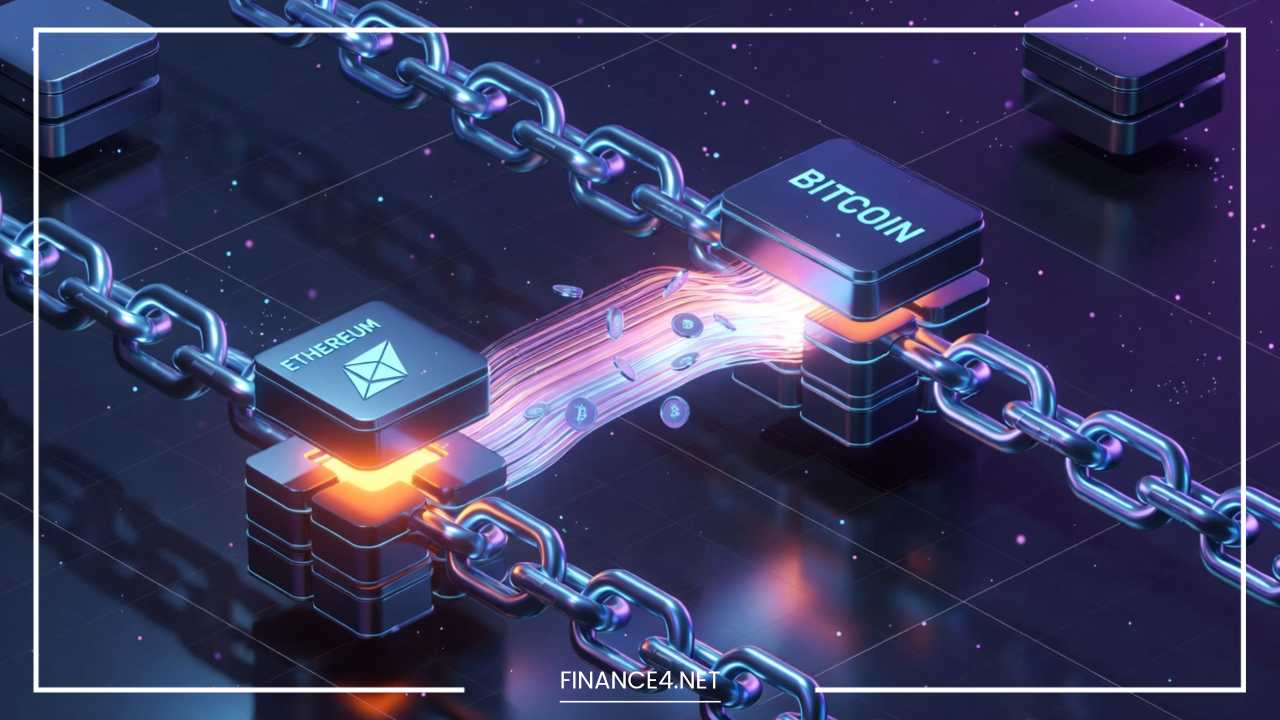
A traditional bridge transfer typically involves moving a specific asset from Chain A to Chain B by interacting with a smart contract on the source network that locks or destroys the token, which then triggers a mechanism on the destination network to mint or release an identical amount of that exact same token. For instance, sending native USDC from the Ethereum mainnet to an alternative network via a canonical bridge yields a bridged version of that asset on the new chain.
A cross-chain stablecoin swap goes a massive step further by combining the bridging process with an asset exchange process into a single, seamless transaction. Instead of forcing a user to manually bridge a token from the source chain and then visit a decentralized exchange on the destination chain to swap it for the desired local asset, a cross-chain swap executes both steps automatically.
For example, a user holding USDT on the BNB Chain can initiate a single cross-chain swap that converts that USDT, routes it across networks, and delivers native USDC to their wallet on Arbitrum or Solana. This unified process removes immense operational friction, eliminates the need to hold multiple gas tokens for intermediate steps, and radically lowers the time required to reposition capital.
Stablecoins are uniquely suited for these cross-chain movements because of their low volatility. When a user attempts to bridge a highly volatile asset like Ether or Bitcoin across networks, they face substantial price risk during the transit period. If the network experiences congestion and the bridge takes twenty minutes to confirm the transaction, the market value of the asset could shift dramatically, causing unexpected liquidations or severe slippage upon arrival.
Stablecoins largely eliminate this market anxiety. Because their value remains pegged to a fiat baseline, liquidity providers can maintain deep, highly balanced pools across multiple chains with minimal fear of permanent loss caused by asset divergence. This price stability allows protocols to offer tighter spreads, predictable fees, and highly efficient routing configurations.
The practical use cases for executing fast cross-chain stablecoin swaps span across the entire spectrum of decentralized activity:
-
Yield Farming Optimization: Yield opportunities within decentralized finance are highly dynamic. A protocol on an alternative layer-two network might briefly offer an elevated return on stablecoin deposits. Fast cross-chain swaps allow users to instantly migrate their idle stablecoins to capture these high-yielding positions before the liquidity pool dilutes.
-
Arbitrage Execution: Price discrepancies frequently occur between identical assets across different decentralized exchanges or independent blockchain networks. Arbitrageurs rely entirely on speed to exploit these differences; executing a rapid cross-chain swap allows them to buy an undervalued stablecoin on one chain, send it to a chain where it is trading slightly above peg, and lock in a risk-free profit before the market corrects.
-
Cross-Chain Payments: As merchants and decentralized platforms increasingly accept stablecoins across various networks, users need the ability to pay for services using whatever stablecoin balances they currently hold, regardless of which specific network the merchant prefers.
-
Portfolio Rebalancing and Risk Management: If a specific blockchain network experiences technical stability issues, a smart contract exploit, or sudden governance uncertainty, investors must have the capability to instantly pull their capital off that chain and place it into a safer, more stable alternative environment.
How Cross-Chain Infrastructure Works
Behind the simple interface of a one-click cross-chain swap lies a complex framework of interconnected smart contracts, cryptographic proofs, and decentralized messaging layers. To safely evaluate which tools to use, you must understand the underlying plumbing that makes these transfers possible. At its core, cross-chain infrastructure relies on four fundamental pillars: cross-chain liquidity pools, token wrapping mechanics, decentralized messaging protocols, and the active participation of validators, relayers, or liquidity networks.
The most intuitive model for rapid asset movement is the cross-chain liquidity pool. Instead of trying to structurally move a token across networks, protocols place large reserves of identical stablecoins into specialized smart contracts on multiple supported blockchains. When you initiate a swap to send USDT from Polygon to Optimism, the protocol accepts your USDT on its Polygon smart contract and immediately signals its contract on Optimism to release an equivalent amount of USDT from its local reserve directly to your destination wallet address.
Because the stablecoins already exist on both chains, no new tokens need to be minted or burned, resulting in an incredibly fast and capital-efficient settlement.
When direct, unified liquidity pools are not available or are temporarily depleted, infrastructure protocols rely on wrapped tokens. Wrapped tokens serve as digital certificates or claims representing an underlying asset held securely on another blockchain. For instance, if a network does not have an official, native deployment of USDC, developers will create a bridged version often denoted as USDC.e or wrapped USDC.
In this lock-and-mint model, your original native token is safely locked inside a smart contract on the source chain, and an equivalent amount of wrapped surrogate tokens is minted on the target chain. If you ever want to return to the source chain, the wrapped tokens are sent back to the bridge contract, where they are permanently burned, which automatically unlocks the original native assets on the primary ledger.
To coordinate these actions across completely isolated ledgers without relying on a centralized intermediary, platforms utilize cross-chain messaging protocols. These protocols act as generalized communication pathways that allow a smart contract on one blockchain to securely write data to or read data from a smart contract on an entirely different blockchain.
When a user initiates an action on the source chain, the messaging layer packages the transaction details, cross-references the state changes, and transmits a cryptographic proof across space to the destination network, confirming that the initial conditions have been met.
This transmission and validation process is handled by a combination of validators, relayers, and decentralized liquidity networks, which operate under two primary operational models:
The Lock-and-Mint vs. Burn-and-Mint Models
The lock-and-mint model requires a centralized or decentralized custodian to hold assets on a base layer while issuing synthetic representations on secondary layers. While widely compatible, this model creates huge honey pots of locked capital that are prime targets for malicious exploits, and it leaves users holding wrapped assets that carry structural smart contract risks.
In contrast, the burn-and-mint model permanently destroys the native token on the source network and commands an official contract on the destination network to mint an authentic, native token in its place. This method is highly secure and prevents asset fragmentation, but it requires deep, direct integration with the token’s original issuer.
Liquidity-Based Bridging vs. Canonical Bridges
Canonical bridges are the official pathways built by the core architectural teams of a specific blockchain network, such as the official Arbitrum or Optimism roll-up bridges. These bridges offer maximum security because they are tied directly into the consensus mechanics of the network itself. However, they are often incredibly slow—especially when moving assets back to the Ethereum mainnet, which can take a full seven-day challenge period due to fraud-proof verification designs.
Liquidity-based bridging protocols bypass these structural delays entirely. Private market-makers and decentralized networks step in to provide immediate liquidity on the target chain in exchange for a small convenience fee. They take on the waiting period themselves, allowing the retail user to walk away with their settled funds in under a minute.
Methods to Swap Cross-Chain Stablecoins
When deciding how to execute a cross-chain stablecoin swap, users can choose from several distinct operational pathways. Each method offers a unique trade-off between execution speed, financial cost, user complexity, and underlying security risks. Choosing the right mechanism depends heavily on your specific needs for a given transaction.
Using Cross-Chain Swap Aggregators
Cross-Chain Swap Aggregators represent the pinnacle of modern decentralized user experience. Much like travel search engines that scan hundreds of airlines to find the absolute cheapest and fastest flight route, cross-chain aggregators scan dozens of underlying bridges, liquidity networks, and decentralized exchanges simultaneously.
When a user inputs a desired swap, the aggregator calculates every possible path, combining multiple bridging steps and token conversions into a seamless, one-click interface. Many of these modern platforms leverage advanced generalized messaging systems, such as LayerZero architecture, or modular infrastructure stacks like LiFi to handle routing logic behind the scenes.
Pros
-
Unmatched Execution Speed: Aggregators dynamically select the single fastest operational bridge route available at the exact moment of your transaction.
-
Optimized Financial Routing: By checking multiple liquidity providers simultaneously, these tools find the path with the lowest overall slippage and the best exchange rates, frequently saving users money on large transactions.
-
Drastically Lower Overhead Fees: Aggregators often bundle contract approvals and complex routing paths together, reducing the total amount of gas spent across multiple networks.
Cons
-
Limited Protocol Support: If you are trying to swap to a highly niche, newly launched alternative blockchain, major aggregators may not yet have integrated the local liquidity pools or localized bridging infrastructure.
-
Routing Dependency Risk: Because aggregators sit on top of multiple underlying third-party protocols, you are fundamentally exposed to the smart contract vulnerabilities of both the aggregator itself and whatever specific bridge it chooses to route your funds through.
Using Native Bridges + DEX Swaps
The manual, multi-step route involves using a blockchain’s official canonical bridge to move your stablecoins across networks, followed by a manual visit to a local Decentralized Exchange (DEX) to swap for your final desired token. For example, if you want to swap Ethereum-based USDT for Polygon-based USDC using this classic method, you would first bridge your USDT across the official Polygon PoS Bridge, wait for the transaction to fully clear, change your wallet network configuration to Polygon, and then execute a standard trade on a local platform like QuickSwap or Uniswap.
Pros
-
Complete Granular Control: You know exactly which smart contracts your funds are interacting with at every point in the journey, eliminating unexpected intermediary routing risks.
-
Maximum Historical Support: This method works for virtually every active blockchain in existence, making it the reliable fallback option when automated aggregators fail to support a specific network pair.
Cons
-
Exhausting Two-Step Process: The user must manually manage multiple transactions, monitor separate blockchain explorers, and constantly switch their wallet network configurations back and forth.
-
Compounded Transaction Fees: You must pay native network gas fees on the source chain for the initial bridging action, and then turn around and pay a second network gas fee on the target chain to execute the decentralized exchange trade.
-
Significant Execution Time: Relying on canonical architecture means you are bound by the native finality constraints of the network, which can easily take anywhere from fifteen minutes to several hours or days depending on the underlying consensus design.
Using Centralized Exchanges
The Centralized Exchange (CEX) route leverages the massive internal liquidity books and multi-chain wallet infrastructure of regulated custodial platforms. To execute a cross-chain swap via this method, a user deposits a stablecoin from a source wallet into their personal account on a centralized exchange, ensuring they select the correct deposit network.
Once the deposit credits, the user can instantly swap the asset for a different stablecoin on the exchange’s internal trading platform, or simply initiate a withdrawal of the exact same asset while selecting a completely different destination network for the payout.
Pros
-
Extreme Structural Simplicity: The user does not need to understand smart contracts, manage web3 wallet connectivity, or worry about decentralized slippage.
-
Highly Cost-Efficient for Small Transfers: Internal trades within a centralized exchange often cost mere pennies, and many platforms offer highly competitive, fixed withdrawal fees for alternative networks and layer-two systems.
Cons
-
Total Custodial Counterparty Risk: You must completely surrender ownership of your assets to a third-party corporation during the transfer window. If the exchange suffers a sudden regulatory freeze, technical outage, or insolvency event, your funds can be lost entirely.
-
Strict Identity Verification Requirements: Most reputable centralized exchanges enforce rigorous Know Your Customer (KYC) compliance policies, making this route unavailable to users who wish to preserve their financial privacy or who live in restricted jurisdictions.
-
Not Truly Instant: While internal exchange trading is instantaneous, the manual processing queues for deposits and withdrawals can introduce unpredictable delays, sometimes taking hours if the platform places a transaction under a manual compliance review.
Liquidity Network Protocols
Liquidity networks are specialized peer-to-peer or router-to-user systems built solely for rapid, native asset transfers. These systems do not rely on minting synthetic wrapped tokens or passing complex state messages over long periods. Instead, they rely on independent routers or market makers who maintain deep balances of native assets on multiple chains.
When you want to swap, you enter an agreement where you pay a router on Chain A, and that router instantly signs a cryptographic release allowing you to claim an equivalent amount of native tokens from their reserve on Chain B.
Pros
-
Extreme Speed: Because these networks operate via direct peer-to-peer intent fulfillment or localized pool matching, transactions often settle completely within thirty seconds to a minute.
-
Superior Capital Efficiency: Users receive authentic, native stablecoins directly, avoiding the systemic risks and lack of utility associated with holding strange wrapped or canonical synthetic tokens.
Cons
-
Highly Restrained Liquidity Capacity: Because these systems rely entirely on the available active capital deposited by individual routers, they can quickly run out of depth during periods of intense, one-way market volatility.
-
Heightened Slippage Risks: If you attempt to route an incredibly large stablecoin order through a liquidity network with shallow reserves, you can face severe execution penalties that diminish your final payout.
Step-by-Step Guide
To execute a cross-chain stablecoin swap with the highest degree of speed and the lowest possible financial overhead, leveraging a decentralized cross-chain swap aggregator is the premier choice for most users. Below is an exhaustive, practical walkthrough detailing exactly how to safely prepare, execute, and verify a rapid cross-chain stablecoin transfer using an automated aggregation platform.
Step 1: Establish Your Source and Destination Capital Footprint
Before opening any web3 applications, clearly define the parameters of your transaction. Determine exactly which blockchain network your stablecoins currently reside on (the source network, such as the Ethereum Mainnet or BNB Chain) and exactly which asset you are holding. Next, pinpoint your target network (the destination network, such as Arbitrum, Polygon, or Solana) and the specific stablecoin asset you wish to receive upon arrival.
Ensure that you possess a small balance of the source network’s native asset to cover the initial transaction gas fees. For instance, if you are swapping stablecoins out of Ethereum, you must hold a fraction of Ether (ETH); if you are swapping out of the BNB Chain, you must hold Binance Coin (BNB).
Step 2: Configure and Authenticate a Multi-Chain Web3 Wallet
Ensure your digital wallet is fully updated and capable of securely interacting with multiple blockchain networks simultaneously. Modern browser extension wallets like Rabby or MetaMask are highly recommended for this purpose because they seamlessly handle automatic network switching and provide clear, human-readable breakdowns of smart contract interactions.
Open your wallet, confirm that your source stablecoin balance displays correctly on the appropriate network, and make a secure copy of your public wallet destination address.
Step 3: Access a Trusted Cross-Chain Swap Aggregator
Navigate directly to a verified, highly secure cross-chain aggregation platform. Always input the official URL manually or utilize a trusted, audited directory link to prevent landing on a malicious phishing site. Once on the platform’s user interface, locate the prominent “Connect Wallet” button, usually positioned in the upper right-hand corner of the screen.
Select your specific wallet provider from the secure pop-up prompt, review the requested application permissions carefully, and authorize the connection.
Step 4: Configure the Asset Input and Destination Parameters
Locate the primary swap interface configuration module on the screen. In the “From” or source section, click the network dropdown menu and select your starting blockchain. Next, click the asset selector menu and select the specific stablecoin you currently hold (such as USDC). Input the exact numerical amount you wish to swap.
Move down to the “To” or destination section, select your target blockchain network from the dropdown list, and choose the final stablecoin asset you wish to receive (such as USDT).
Step 5: Review, Analyze, and Compare Calculated Routing Options
Once your swap parameters are entered, the aggregator’s underlying calculation engine will automatically analyze dozens of pathways in real-time. Within a few seconds, the user interface will present a detailed breakdown of the optimal routes found. The application will explicitly display the estimated time to completion, the total network transaction fees broken down in fiat value, the expected amount of slippage, and the precise name of the underlying bridge protocols chosen to handle the transfer.
Carefully compare these paths; the default route is typically optimized for the absolute best financial return, but you can manually select an alternative path if you prioritize outright speed over minor fee differences.
Step 6: Execute the Smart Contract Asset Allowance Approval
Before a decentralized protocol can move an asset out of your self-custodial wallet, you must grant the platform’s smart contract explicit, legal permission to spend those tokens on your behalf. This is known as an asset approval or allowance. Click the “Approve Token” button on the interface. Your connected wallet will instantly display a security confirmation window.
For maximum safety, customize the spending limit to match the exact amount of stablecoins you are transferring today, rather than granting an infinite allowance. Review the network gas fee required for this approval signature, and click “Confirm.”
Step 7: Initiate and Confirm the Cross-Chain Swap Transaction
Once the token approval transaction has been permanently processed and validated by the source blockchain ledger, the main “Swap” or “Bridge” button on the aggregator interface will become active. Click this button to launch your transfer. Your wallet will generate a final, comprehensive transaction window detailing the ultimate cross-chain swap command.
Verify that the destination address is exactly correct, review the final total gas fee cost for execution, and sign the cryptographic transaction to broadcast it to the network.
Step 8: Actively Monitor and Track the Bridge Status
The moment your transaction is successfully broadcast, the aggregation platform will display a dedicated, live tracking dashboard directly on the user interface. This module typically breaks the transaction down into three distinct visual phases:
-
Source Confirmation: Waiting for the source blockchain network to successfully package and achieve irreversible finality for your initial deposit.
-
Intermediary Bridging/Message Passing: The time during which validators or liquidity networks verify the transaction and safely pass data messages across ecosystems.
-
Destination Settlement: The final execution contract on the target blockchain confirming the release and distributing the native stablecoins into your destination wallet.
Step 9: Validate Final Asset Receipt and Ledger Balance Updates
Once the tracking dashboard indicates a status of “Complete” or “Success,” open your web3 wallet extension. Manually toggle your wallet’s active network configuration to match your destination blockchain. Review your token balances to confirm that the correct amount of stablecoins has safely arrived.
If the new tokens do not immediately display visually in your wallet user interface, copy the official smart contract address of the stablecoin for that specific network from a verified data aggregator, and click “Import Token” within your wallet to force the user interface to display your new balance accurately.
Fees, Speed, and Efficiency Comparison
Optimizing cross-chain stablecoin movements requires an objective, structural understanding of how different execution pathways handle expenses and settlement times. When you move an asset across networks, you are subject to three distinct types of financial overhead: native network gas fees, structural protocol bridge fees, and automated market maker slippage.
Gas fees are determined entirely by the computational congestion of the source and destination blockchains; transferring assets off the Ethereum mainnet will always cost orders of magnitude more than executing a transaction on an optimized layer-two rollup or an alternative high-throughput network, regardless of the bridging tool you select. Bridge fees are the service premiums charged by protocols to sustain their liquidity providers, while slippage represents the value lost when an order shifts the local asset ratio within a decentralized liquidity pool during execution.
The following comprehensive comparison table provides a systematic breakdown of the typical performance benchmarks, costs, and structural attributes across the four primary cross-chain stablecoin swap methodologies.
| Method | Speed | Cost | Complexity | Risk |
| Cross-Chain Aggregators | Extremely Fast (30 seconds to 3 minutes) | Moderate (Optimized gas + low aggregator routing fee) | Very Low (Unified, one-click interface) | Medium (Exposed to combined smart contract risks) |
| Native Bridges + DEX Swaps | Slow to Very Slow (15 minutes to several days) | High (Requires paying independent double gas fees) | High (Requires multiple manual steps and network toggles) | Low to Medium (Utilizes highly secure, audited canonical paths) |
| Centralized Exchanges | Highly Variable (5 minutes to several hours) | Low to Medium (Low internal trade fees; fixed network withdrawal fees) | Moderate (Requires manual deposit and withdrawal handling) | High (Complete reliance on a centralized custodial counterparty) |
| Liquidity Networks | Near Instantaneous (20 seconds to 1 minute) | Low to Moderate (Higher liquidity provider fees; zero wrapping gas cost) | Low (Direct pool-to-pool execution) | Low to Medium (Systemic risk minimized by avoiding wrapped assets) |
Risks and Security Considerations
While cross-chain infrastructure has unlocked immense capital efficiency, it remains historically one of the most vulnerable and heavily targeted sectors within the decentralized finance landscape. Because bridges act as massive, centralized or decentralized storehouses of liquidity connecting completely separate security domains, they face constant scrutiny from malicious actors. Operating safely across chains requires a deep understanding of these structural risks and a strict adherence to defensive wallet habits.
Smart Contract and Protocol Exploits
The most significant threat vector stems from smart contract vulnerabilities within the bridging infrastructure itself. Multi-chain applications require incredibly intricate code to handle the locking, minting, burning, and unlocking of millions of dollars across entirely different virtual machine environments. If a protocol developer makes a minor logic error or leaves a vulnerability open within a smart contract’s access control parameters, attackers can exploit it to drain the entire liquidity reserve of the platform.
When a bridge is completely drained of its backing capital, any wrapped tokens issued by that bridge on secondary networks instantly lose their underlying value, crashing to zero and leaving holders with completely un-tradeable, un-redeemable digital assets.
Phishing and Malicious Interface Scams
Because decentralized finance relies heavily on front-end web interfaces to help users interact with underlying smart contracts, malicious actors frequently launch highly sophisticated phishing campaigns. These scammers build identical visual clones of popular cross-chain aggregators and market them heavily via search engine ads, compromised social media channels, or fake developer groups.
If a user connects their wallet to a fraudulent interface, the application will inject a highly malicious contract approval mechanism instead of a standard token allowance. The moment the user signs this transaction, they grant the attacker complete, unilateral permission to empty every single asset contained within that wallet.
Token Specification and Network Mismatches
Another frequent source of capital loss is completely operational and user-driven. Stablecoins are not uniform across different blockchains. For example, there are multiple fundamentally distinct versions of USDT and USDC circulating across the digital economy.
There are native versions issued directly by official parent corporations, and there are dozens of independent, bridged versions issued by alternative network groups.
If a user manually transfers a specific bridged stablecoin to an exchange or a wallet that exclusively accepts the native variant of that token, the receiving platform may be technically incapable of recognizing or processing the asset. In many circumstances, recovery is impossible, resulting in a permanent loss of capital.
To maintain absolute safety when executing cross-chain stablecoin swaps, strictly implement the following operational defense protocols:
-
Establish Rigorous External URL Verification Processes: Never click on sponsored advertising links when searching for cross-chain applications. Bookmark the official, authenticated domain addresses of trusted aggregators, and always verify the exact spelling of the domain before signing any wallet permissions.
-
Deploy the Small Test Transfer Strategy Systematically: Never attempt to move your entire capital balance in a single, massive transaction—especially when interacting with a new blockchain network or an unfamiliar aggregation tool for the first time. Always execute a small, non-consequential test transfer of a nominal amount first. Verify that the test funds safely arrive at the destination wallet and can be successfully utilized before routing the remainder of your funds.
-
Maintain Active Control Over Smart Contract Allowances: Cultivate the habit of reviewing and revoking active token allowances regularly. Use built-in wallet security dashboards to see which protocols have permission to spend your stablecoins. Once a cross-chain swap is completed, immediately revoke the platform’s spending allowance to ensure that if that specific protocol suffers an exploit in the future, your wallet remains completely insulated from the blast radius.
Best Practices for Fast Cross-Chain Swaps
To consistently achieve the absolute highest speeds and lowest fees when transferring stablecoins across blockchain networks, experienced market participants rely on a series of tactical optimization frameworks. Implementing these habits into your standard operational workflow will eliminate unnecessary costs and drastically improve execution reliability.
Prioritize Native Layer-Two Systems Over Ethereum Mainnet
Whenever you are planning out a decentralized strategy or moving capital between ecosystems, make every effort to route your transactions entirely within layer-two scaling networks and optimized high-performance alternative blockchains. Avoid touching the Ethereum base ledger directly unless it is structurally mandatory for a specific high-value institutional position.
By keeping your stablecoins within ecosystems like Arbitrum, Optimism, Base, Polygon, or BNB Chain, your initial approval transactions and final swap interactions settle for a fraction of a cent rather than tens of dollars, preserving your principal capital.
Avoid High-Congestion Network Peak Hours
Blockchain networks operate under dynamic pricing models where gas costs scale up dramatically based on real-time computational demand. When a major market liquidation event occurs, a highly anticipated token launch takes place, or a popular NFT distribution goes live, network utilization spikes violently. During these peak hours, gas fees can increase tenfold, and transaction confirmation times slow down significantly as validators prioritize users who pay the highest premiums.
To ensure rapid execution, monitor gas tracking applications and execute your large cross-chain stablecoin swaps during periods of known global market quiet, such as late evenings or weekends across major financial time zones.
Analyze Route Depth and Pool Liquidity Proactively
Before clicking confirm on a large cross-chain transaction, always pay close attention to the specific route depth and estimated price impact displayed by the swap aggregator interface. If you are moving a large volume of stablecoins through a route with shallow, under-capitalized pools, the transaction can suffer from high slippage, causing you to receive noticeably fewer tokens on the target chain.
If the aggregator warns of a negative price impact greater than a fraction of a percent, consider breaking your large transfer down into several smaller, spaced-out transactions, or alter your path to route through an alternative network pair that possesses deeper capital reserves.
Keep Small Native Gas Token Balances Across Multiple Chains
One of the most frustrating experiences in multi-chain finance occurs when a user successfully executes a lightning-fast cross-chain swap, opens their wallet on the target chain, sees their stablecoins sitting safely in their account, but realizes they are completely paralyzed and unable to spend them because they hold zero native tokens on that new chain to pay for gas. To prevent getting your funds stuck in this state, intentionally maintain a permanent, small reserve of native gas tokens (such as ETH, BNB, or MATIC) across every single blockchain network you frequently visit.
Many modern cross-chain aggregators now offer specialized feature options that allow you to automatically swap a tiny portion of your incoming stablecoin transfer directly into the target chain’s native gas token during the bridging process, completely resolving this operational catch-22 in a single click.
Future of Cross-Chain Stablecoin Transfers
The architecture driving cross-chain stablecoin movements is undergoing a profound evolution. The early generation of fragmented, slow, and highly insecure bridging platforms is rapidly giving way to a highly streamlined, invisible infrastructure paradigm designed to abstract away the entire concept of individual blockchain networks.
The most transformative trend shaping this landscape is the rapid ascent of intent-based bridging systems. In traditional cross-chain configurations, the user must act as an explicit coordinator, manually mapping out every single technical step of the journey, selecting the exact protocols, and assuming all routing risks. In an intent-based architecture, the entire paradigm shifts. The user simply states a clear, high-level financial goal: “I want to spend 1,000 USDC on Ethereum to receive exactly 1,000 USDC on Arbitrum within sixty seconds.”
Once this intent is broadcast, private professional market makers and algorithmic solvers compete against one another to fulfill the user’s request instantly using their own capital. The solvers take on all the underlying complexity, gas management, and network transit delays behind the scenes, delivering a flawless, instant consumer experience.
Concurrently, major asset issuers are rolling out unified liquidity layers that eliminate the systemic risks of wrapped tokens entirely. Prominent infrastructure frameworks, such as Circle’s Cross-Chain Transfer Protocol (CCTP), allow authentic native USDC to move across independent blockchains via an official, highly secure burn-and-mint mechanism.
Instead of locking capital inside vulnerable third-party smart contracts, native stablecoins are destroyed on the source chain and minted fresh on the target chain under the direct cryptographic authority of the asset’s original creator. This approach completely neutralizes bridge exploit honey pots and ensures that users always receive safe, fully backed, native assets wherever they travel.
Ultimately, these combined technological advancements are driving the industry toward total chain abstraction. In the coming years, the manual process of opening a wallet, manually toggling network RPC networks, monitoring blockchain explorers, and worrying about cross-chain compatibility will become completely obsolete.
Users will interact with decentralized applications through unified balances, viewing their stablecoins as a single, consolidated pool of global capital. The underlying infrastructure will handle all multi-chain routing dynamically and invisibly, allowing value to move across the digital world with the same seamless speed and absolute safety as sending an email.
Final Thoughts
Executing rapid, cost-effective cross-chain stablecoin swaps is no longer an elite skill reserved exclusively for advanced technical developers. Through the development of advanced cross-chain aggregation engines, generalized messaging infrastructure, and peer-to-peer liquidity networks, moving digital capital across the multi-chain ecosystem has become an accessible operational procedure for any market participant.
As we have explored, while there are multiple distinct pathways available—ranging from the automated ease of decentralized aggregators and the speed of liquidity networks to the absolute control of canonical bridges and the structural simplicity of centralized exchanges—the absolute best choice ultimately depends on balancing your specific priorities regarding execution speed, total financial cost, and underlying security risks for each transaction.
Regardless of which specific methodology you choose to deploy for your next portfolio adjustment, prioritizing security must always remain your foundational guiding principle. By developing a rigorous operational routine—consistently validating smart contract domain links, implementing disciplined small test transfers before committing significant capital, and actively managing your wallet’s token spending allowances—you can confidently protect your capital from external threats.
As the decentralized financial ecosystem continues its steady march toward total chain abstraction and unified liquidity, mastering these foundational cross-chain mechanics today ensures that your digital assets remain highly dynamic, fully optimized, and ready to capture every emerging market opportunity safely and efficiently.
Frequently Asked Questions
Which is the best cross-chain stablecoin bridge for fast transfers?
The best bridge depends heavily on the specific stablecoin you are moving. For USDC transfers across major networks, platforms utilizing Circle’s Cross-Chain Transfer Protocol (CCTP) are highly optimized because they mint native assets directly rather than relying on risky wrapped tokens. For general multi-chain transfers involving both USDT and USDC across diverse networks, decentralized liquidity protocols like Across or Stargate are widely considered top choices due to their intent-based routing models that complete settlements in mere seconds.
How do I swap crypto from one chain to another without high gas fees?
To minimize transaction costs, execute your swaps entirely within layer-two rollup scaling solutions (such as Arbitrum, Base, or Optimism) or high-throughput alternative ledgers instead of interacting directly with the Ethereum mainnet. Additionally, using cross-chain swap aggregators helps reduce fees by bundling contract approvals and dynamically sourcing paths with the lowest structural slippage. Finally, avoiding peak network congestion hours will naturally prevent high gas spikes.
Can I send USDT from Ethereum to Arbitrum directly using MetaMask?
Yes, you can initiate this transfer directly through your MetaMask wallet by connecting to a trusted decentralized cross-chain swap aggregator or utilizing the native wallet swap features. However, you must ensure that you hold a sufficient balance of native Ether (ETH) in your wallet on the Ethereum network to pay for the initial smart contract approval and transaction broadcast gas fees.
What is the difference between a wrapped stablecoin and a native stablecoin?
A native stablecoin is officially issued and backed directly by the parent corporation (such as Circle for USDC or Tether for USDT) on a specific blockchain network, allowing it to be redeemed directly for fiat currency. A wrapped stablecoin is a synthetic representation or claim ticket created by a third-party bridge protocol. It represents a native token locked in a vault on another network, meaning its value is entirely dependent on the structural security of that specific bridge contract.
Why did my cross-chain stablecoin swap fail or get stuck in transit?
Cross-chain transactions typically stall or fail due to a few common reasons: a sudden spike in target network traffic causing the gas fee originally attached to your transaction to become insufficient, a sharp drop in liquidity pool depth causing your trade to exceed maximum slippage tolerances, or temporary network desynchronization within the underlying cross-chain messaging layer. In most liquidity-based routing designs, if a swap component fails, the funds are safely returned to your wallet on the destination chain in the form of the intermediate bridging asset.
How can I bridge stablecoins securely without smart contract risk?
To completely eliminate the risk of interacting with third-party smart contract liquidity pools, utilize official native issuer protocols like Circle CCTP, which completely avoids asset locking honey pots by burning and minting tokens directly. If you must use third-party applications, prioritize highly decentralized, peer-to-peer liquidity networks that have undergone multiple successful external security audits and maintain a long public track record of zero protocol exploits