How to Swap Bridging Tokens on Non-EVM Chains
 by
by 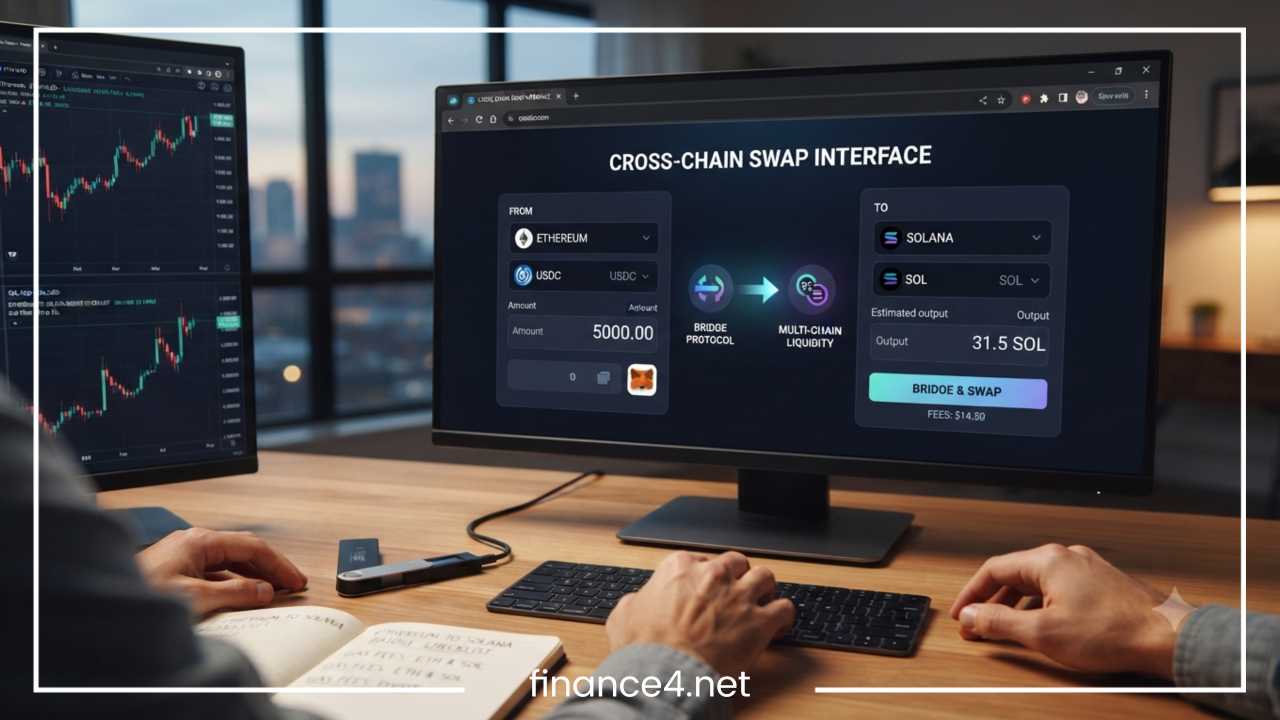
How to Swap Bridging Tokens on Non-EVM Chains: A Complete Step-by-Step Guide
The modern blockchain ecosystem has evolved far beyond a single, monolithic network. For many years, Ethereum and its Ethereum Virtual Machine (EVM) equivalents dominated the decentralized landscape. However, the continuous growth of alternative high-performance networks has accelerated the rise of multi-chain assets. Today, users frequently find themselves needing to move value across entirely different blockchain architectures, giving rise to complex cross-chain interactions that require specialized knowledge, careful planning, and precise execution.
This massive expansion has led to the rapid popularity of non-EVM chains. Networks such as Solana, Sui, Aptos, TON, NEAR, Cosmos, and Stellar offer unique consensus mechanisms, higher transaction throughput, lower latency, and distinct developer environments. Because these networks operate on separate rulesets from Ethereum, moving assets between them requires a specialized approach that deviates significantly from traditional single-chain transfers.
To participate in decentralized finance across these diverse networks, understanding how to swap bridging tokens on non-EVM chains is essential. Throughout this comprehensive guide, you will learn the fundamental mechanics of cross-chain bridges, the architectural differences of non-EVM networks, the practical steps required to execute safe token swaps, and the critical risk management practices needed to protect your digital assets against evolving threats.
Understanding Bridging Tokens
To navigate cross-chain environments successfully, it is vital to understand the basic building blocks of asset transfer. At the center of this ecosystem are blockchain bridges and the tokens they generate, which allow value to flow across boundaries that were originally designed to be completely isolated.
What is a bridge?
A blockchain bridge is a protocol or system that connects two or more disparate blockchain networks. It allows the transfer of data, state, and digital assets from one chain to another, effectively bridging isolated economic islands into an interconnected web of liquidity. Without bridges, each blockchain would remain an independent silo, unable to share utility or economic weight with the broader crypto economy.
What are bridging tokens?
Bridging tokens are the digital assets created, wrapped, or released on a destination blockchain to represent an asset originating from a source blockchain. Because blockchains cannot natively communicate with one another, a token on Ethereum cannot simply walk over to Solana. Instead, the bridge facilitates a representation of that token on the target network, managing the complex bookkeeping required to keep the assets pegged in value.
To understand how these assets function, it is helpful to distinguish between three primary token categories:
-
Native Token: An asset that is natively minted, issued, and governed on its home blockchain, such as SOL on Solana, SUI on Sui, or ETH on Ethereum. These tokens form the primary economic layer of their respective networks.
-
Wrapped Token: A token that mirrors the value of another asset at a one-to-one ratio, created by locking the original asset within a secure smart contract and minting a standardized representation on the target chain.
-
Bridged Token: A specific term often used for tokens that have traveled across a cross-chain bridge, existing as a claim on the locked underlying asset held within the bridge smart contracts or custody pools.
Bridges typically use one of three main models to manage these assets:
-
Lock-and-Mint Model: The source tokens are deposited into a secure smart contract on Chain A, where they are locked. A corresponding number of wrapped or bridged tokens are then minted on Chain B. When returning, the tokens on Chain B are burned, and the original tokens on Chain A are unlocked.
-
Burn-and-Release Model: Often used for cross-chain native assets, tokens are burned on Chain A and released from an escrow pool on Chain B, or vice versa, maintaining a constant circulating supply across all connected chains without creating inflationary synthetic tokens.
-
Liquidity Bridge Model: This approach utilizes decentralized liquidity pools on both chains. Instead of minting new synthetic tokens, the bridge trades your asset on the source chain for stablecoins or native liquidity on the destination chain via integrated automated market makers, resulting in clean, native asset delivery.
What Are Non-EVM Chains?
To fully appreciate the mechanics of swapping bridging tokens, one must understand what separates EVM chains from non-EVM chains. The Ethereum Virtual Machine is the decentralized computing engine that executes smart contracts on Ethereum and compatible layer-two networks like Arbitrum, Optimism, and Polygon. EVM chains share common programming languages, address structures, and transaction standards, making cross-chain interaction within the EVM family relatively fluid.
Non-EVM chains, by contrast, utilize completely different underlying architectures, virtual machines, and consensus designs. Prominent examples include:
-
Solana: Utilizes the Solana Virtual Machine (SVM) and a unique Proof-of-History consensus combined with Proof-of-Stake to achieve sub-second finality.
-
Sui and Aptos: Built using the Move programming language, focusing on parallel transaction execution and object-centric data models that treat digital assets as distinct programmable resources.
-
Cosmos: An ecosystem of independent, interoperable blockchains built using the Cosmos SDK and connected via the Inter-Blockchain Communication protocol, allowing sovereign chains to communicate seamlessly.
-
NEAR Protocol: Employs a sharded architecture called Nightshade for massive scalability, coupled with human-readable account models that simplify user interaction.
-
TON: Integrated deeply with modern messaging applications, utilizing an actor-model virtual machine designed to handle massive consumer user bases.
-
Stellar and Algorand: Designed for high-speed, low-cost institutional payments and asset issuance using specialized, highly efficient consensus algorithms.
These architectural differences manifest in several distinct ways:
-
Virtual Machine: The execution environment dictates how smart contracts run, meaning EVM bytecode cannot execute directly on a non-EVM runtime without translation, custom compilers, or specialized bridging middleware.
-
Wallet Formats: Non-EVM chains require entirely different wallet infrastructures. An Ethereum wallet address starting with standard hexadecimal prefixes cannot receive assets natively on Solana or Cosmos without specialized key derivation or chain-specific wallet software.
-
Smart Contracts and Token Standards: While Ethereum relies heavily on ERC-20 and ERC-721 standards, non-EVM chains use their own native token standards, such as SPL tokens on Solana, Move tokens on Sui, or CW-20 tokens in the Cosmos ecosystem.
-
Address Formats: Address structures vary wildly across non-EVM networks, increasing the risk of user error if funds are sent to an incompatible format or network endpoint.
Why Token Swaps on Non-EVM Chains Are Different
Executing token swaps within a single EVM ecosystem is relatively straightforward because uniform token standards and universal wallet providers streamline the user experience. However, performing these actions across non-EVM ecosystems introduces unique complexities that require careful navigation.
Wallet incompatibility is the first major hurdle. Users cannot use an Ethereum-centric wallet like MetaMask for every chain without network-specific configuration or external plugins, and even then, native non-EVM chains require distinct applications like Phantom, Keplr, or Sui Wallet. Managing multiple seed phrases, password setups, and address formats across different browser extensions requires meticulous personal organization.
Token standards also differ fundamentally. When you bridge an asset from an EVM chain to a non-EVM network, the resulting token is often wrapped according to the destination chain’s technical specification. Finding deep liquidity for these specific wrapped assets can be challenging, as decentralized exchanges on non-EVM chains may prioritize native ecosystem tokens over cross-chain bridge assets, leading to higher price impact during swaps.
Gas tokens present another distinct challenge. Every blockchain requires its native token to pay for transaction fees. If you bridge USDC from Ethereum to Solana, but your Solana wallet holds zero SOL, you will be unable to swap, send, or interact with your newly arrived USDC until you acquire a small amount of SOL for gas. This classic chicken-and-egg problem requires careful planning before initiating any cross-chain transfer.
Cross-chain messaging, bridge infrastructure, liquidity fragmentation, and finality differences further complicate the process. Blockchains achieve consensus at vastly different speeds. While an EVM rollup might offer fast soft finality, a non-EVM chain like Solana achieves deterministic finality in seconds, whereas other networks might require longer confirmation periods to ensure bridge security. Consequently, you cannot simply send tokens directly between disparate networks without a specialized middleware protocol managing the underlying state change.
How Cross-Chain Bridges Work
Understanding the internal lifecycle of a cross-chain transfer helps demystify why certain steps take time and why security checks are necessary. When you initiate a transfer across networks, the protocol typically follows a structured sequence of cryptographic and state-verification events.
The transfer process generally operates through a series of distinct phases:
-
Lock Tokens: The user deposits assets into the bridge smart contract on the source chain, securing the funds in escrow and triggering the initial event log.
-
Validators Verify: A decentralized network of validators, or a cryptographic threshold signature scheme, observes the deposit event on the source chain and reaches consensus on its validity.
-
Message Relayed: A cross-chain messaging protocol transmits the verified proof or message from the source chain to the destination chain through decentralized relayers or oracle networks.
-
Equivalent Token Minted: Upon receiving the verified message, the bridge contract on the destination chain mints the corresponding wrapped or bridged tokens directly to the user’s destination address.
-
Swap Executed: Once the bridged tokens arrive in the wallet, the user interacts with a decentralized exchange aggregator on the destination chain to swap the bridged asset for the desired local token.
-
Redeem if Needed: In some liquidity-based bridge models, the process concludes when local liquidity is released to the user rather than minting synthetic tokens, ensuring cleaner asset ownership.
Bridges themselves are categorized by their trust assumptions:
-
Trusted Bridges: Rely on a centralized custodian or a small federation of validators to hold funds and sign messages. While often fast and user-friendly, they present a single point of failure and counterparty risk.
-
Trust-minimized Bridges: Utilize cryptographic proofs, light clients, or decentralized validator sets to secure the transfer without relying on trusted third parties. While structurally safer, they can be more complex and subject to smart contract bugs.
-
Validator-based Bridges: Rely on external nodes that monitor both chains, stake collateral, and attest to transactions based on economic incentives.
-
Liquidity Bridges: Use pre-funded pools on multiple chains to facilitate instant swaps without wrapping assets, significantly improving capital efficiency and reducing exposure to wrapping risks.
Prerequisites Before Swapping Tokens
Before diving into a cross-chain transfer, thorough preparation prevents costly mistakes and frustrating delays. Skipping foundational checks is one of the most common reasons users lose funds or experience stuck transactions.
Choosing a compatible wallet is the primary requirement. Ensure you have installed, backed up, and secured the correct wallet for your destination non-EVM chain. If you are bridging to Solana, you need a Solana-compatible wallet; if moving to Cosmos, a Cosmos-compatible wallet is mandatory.
Having gas tokens on the destination chain is equally critical. Always verify that your destination wallet holds enough native asset to cover transaction fees for subsequent swaps. Many modern advanced bridges offer gas drop features that send a tiny amount of native gas along with your bridged tokens, but you should never rely on this feature blindly without verifying account requirements.
Network compatibility and bridge availability must be confirmed. Not every bridge supports every asset or every chain combination. Verify that the bridge you intend to use officially supports the specific token route you require.
Destination wallet addresses must be double-checked. Always ensure you are pasting the correct address format for the specific target blockchain. Sending assets to a mismatched address format can result in permanent loss of funds, as non-EVM chains often lack built-in safeguards against incompatible address strings.
Checking liquidity and supported assets prevents you from getting stuck with an illiquid token. Research the decentralized exchanges on the destination chain to ensure there is enough trading volume and depth for the asset you plan to receive and swap. Finally, verify bridge legitimacy by cross-referencing official documentation, community channels, and trusted security trackers to avoid deceptive phishing platforms.
Step-by-Step Guide to Swapping Bridging Tokens on Non-EVM Chains
Executing a cross-chain swap requires careful execution of each sequential phase. Below is a comprehensive walkthrough detailing how to move and swap assets across network boundaries.
Choose the Source Blockchain
Identify the origin chain where your current assets reside and the destination non-EVM chain you wish to move them to. For example, you might be moving assets from Ethereum to Solana, or from Sui to Cosmos. Make sure your source wallet is funded with both the asset you want to bridge and enough native gas for the initial approval transaction.
Select a Trusted Bridge
Research and select a reputable cross-chain bridge or cross-chain liquidity aggregator. When evaluating your options, look closely at supported networks, transfer fees, security audits, historical track record, available liquidity, and average transfer speed. Stick to established protocols with robust community trust and verified security records.
Connect Wallets
Navigate to the official bridge interface. Connect both your source wallet and your destination wallet when prompted. Review the permission prompts carefully to ensure the application only requests standard connection permissions without requiring malicious spending caps on unrelated assets.
Choose the Asset
Select the specific cryptocurrency or token you wish to bridge. Common bridging assets include stablecoins like USDC and USDT, as well as major blue-chip tokens like ETH, SOL, or wrapped Bitcoin variants. Ensure the bridge supports your specific token denomination without forcing unnecessary intermediate swaps.
Enter Transfer Amount
Input the exact amount you wish to transfer. Pay close attention to minimum and maximum transfer limits imposed by the bridge protocol. Review the displayed network fees, protocol fees, and anticipated slippage tolerance to ensure the transaction remains economically viable.
Review Bridge Details
Carefully inspect the summary screen provided by the bridge interface. Verify the source network, destination network, estimated arrival time, bridge fee, gas fee, liquidity fee, and the exact token you will receive on the destination end. Confirm that all details match your expectations before proceeding.
Approve Transaction
Initiate the transaction by granting the necessary smart contract approvals in your source wallet. Confirm the signing prompt. This step authorizes the bridge contract to interact with your tokens. Keep in mind that initial approvals may require a small gas fee on the source chain.
Wait for Confirmations
Allow the transaction to process across the networks. This phase involves waiting for the source chain to confirm your deposit, the bridge validators or relayers to process the cross-chain message, and the destination chain to finalize the minting or release of tokens. Do not close your browser tab or disconnect your wallet during active settlement.
Receive Bridged Token
Once the transaction status updates to complete, open your destination wallet. Verify that the correct network is selected, check your token balance, and ensure the asset matches the expected bridged token contract address.
Swap the Bridged Token
With your bridged tokens safely in your non-EVM wallet, navigate to a trusted decentralized exchange or liquidity aggregator native to that destination chain. Connect your destination wallet, select the bridged token as your input asset, choose your desired target token, and execute the swap transaction.
Verify Completion
Confirm that the swap has settled successfully. Check the destination blockchain explorer, review your wallet balance, and inspect your transaction history to ensure the final token balance is accurately reflected in your account.
Risks and Security Best Practices
Cross-chain operations inherently introduce complex attack surfaces. Because bridging protocols combine smart contracts across multiple independent networks, they are frequent targets for malicious actors. Understanding these risks is vital for preserving capital.
Bridge exploits represent one of the largest vectors for loss in decentralized finance. If a bridge’s validator mechanism or smart contract logic contains a vulnerability, attackers can drain the entire escrow pool, rendering all minted or wrapped tokens on destination chains worthless.
Smart contract vulnerabilities on either the source or destination chain can lead to unexpected token locks or fund loss. Fake bridges and phishing websites are another severe threat; malicious actors frequently purchase sponsored search ads or deploy lookalike domains to trick users into connecting their wallets to rogue applications that drain funds.
To mitigate these risks effectively, adopt rigorous security best practices:
-
Bookmark Official Websites: Always access bridge interfaces through verified links from official documentation, reputable token lists, or trusted aggregators rather than clicking search engine advertisements.
-
Verify URLs: Double-check browser URL bars for subtle character substitutions or typos indicative of phishing scams.
-
Use Hardware Wallets: Protect your private keys and seed phrases by connecting hardware wallets to your software wallet interfaces for all major cross-chain transactions.
-
Start with Small Test Transactions: When using a new bridge or interacting with a protocol for the first time, send a minimal amount first to ensure the entire pipeline functions correctly before transferring substantial capital.
-
Check Token Contract Addresses: Always verify destination token contract addresses against official lists to avoid holding counterfeit or unbacked tokens.
-
Monitor Bridge Status Pages: Keep track of active bridge health dashboards and community status channels to stay informed about ongoing network congestion or maintenance.
Common Mistakes to Avoid
Even experienced cryptocurrency users can fall victim to avoidable errors during cross-chain operations. Recognizing these common pitfalls helps ensure smoother transactions.
Sending funds to unsupported chains is a frequent error. Always verify that the destination network actually supports the token standard you are bridging. Attempting to force an incompatible asset transfer often results in permanent loss or stuck funds.
Failing to keep gas tokens on the destination chain is another major trap. Users often bridge their entire capital balance across, leaving their destination wallet with zero native gas tokens, which prevents them from swapping or moving their newly arrived funds. Always leave a small buffer of native gas on the target network.
Using unofficial bridges or ignoring bridge fees can severely impact your returns. High slippage settings, poor routing choices, and high protocol fees can drain a significant percentage of your transfer value.
Choosing the wrong wallet or attempting to use an EVM-exclusive wallet on a non-EVM chain will prevent proper network interaction. Additionally, swapping illiquid assets without checking market depth can cause massive price impact losses. Skipping test transactions when navigating unfamiliar protocols removes your safety net, making minor procedural errors irreversible.
Final Thoughts
Bridging tokens enables seamless interoperability across diverse blockchain ecosystems, breaking down traditional barriers that isolate liquidity and user activity. Non-EVM chains offer remarkable performance, innovative consensus models, and unique application environments, but they require careful navigation due to distinct wallet architectures, token standards, and gas requirements.
Successful cross-chain execution relies on thorough preparation, careful selection of verified bridge infrastructure, meticulous attention to fee structures, and strict adherence to security best practices. By understanding how underlying cross-chain mechanics operate and respecting the unique rules of non-EVM networks, participants can safely unlock the full potential of multi-chain decentralized finance. As cross-chain infrastructure continues to mature, moving assets between EVM and non-EVM ecosystems becomes increasingly streamlined, opening up broader access to the decentralized web for users worldwide.
Frequently Asked Questions
What is the difference between bridging and swapping tokens on non-EVM chains?
Bridging transfers an asset from a source blockchain to a destination blockchain while maintaining the same token type (such as moving USDC from Ethereum to Solana). Swapping exchanges one cryptocurrency for an entirely different asset (such as trading bridged USDC for SOL) on a decentralized exchange.
Why do non-EVM chains require different bridging procedures than EVM chains?
Non-EVM chains utilize completely independent virtual machines, consensus models, address formats, and native token standards (like Solana’s SPL or Cosmos CW-20). Because they cannot natively read or interact with Ethereum-based standards, cross-chain communication requires specialized middleware or validation protocols to translate state changes securely.
How do I pay gas fees on a non-EVM chain after bridging tokens?
Every blockchain requires its native token to process transaction fees. If you bridge stablecoins to a non-EVM network without holding any native gas asset, you will be unable to execute swaps. To avoid this, use bridges that offer native gas drop features, or ensure your destination wallet holds a small amount of the chain’s native token beforehand.
How long does a cross-chain token transfer take on non-EVM networks?
Transfer times vary depending on the source and destination architecture. Networks featuring high-speed deterministic finality—such as Solana—often complete the minting and delivery phase within seconds to minutes, whereas bridges relying on multi-sig validators or complex cross-chain messaging can require additional block confirmations for security.
Are cross-chain bridges safe to use for moving large amounts of crypto?
While trust-minimized and liquidity-based bridges implement strict cryptographic verifications and audits, they still introduce smart contract risk. Protecting large capital transfers requires using established protocols with clean track records, verifying contract addresses, and executing small test transactions before moving full balances.
Can I bridge and swap tokens in a single transaction across different blockchains?
Yes. Many advanced cross-chain liquidity aggregators combine bridging and swapping into a single user interface. These protocols automatically route your asset through a bridge and execute a decentralized exchange swap on the target network automatically.