Top Cross-Chain Wallet Integrations
 by
by 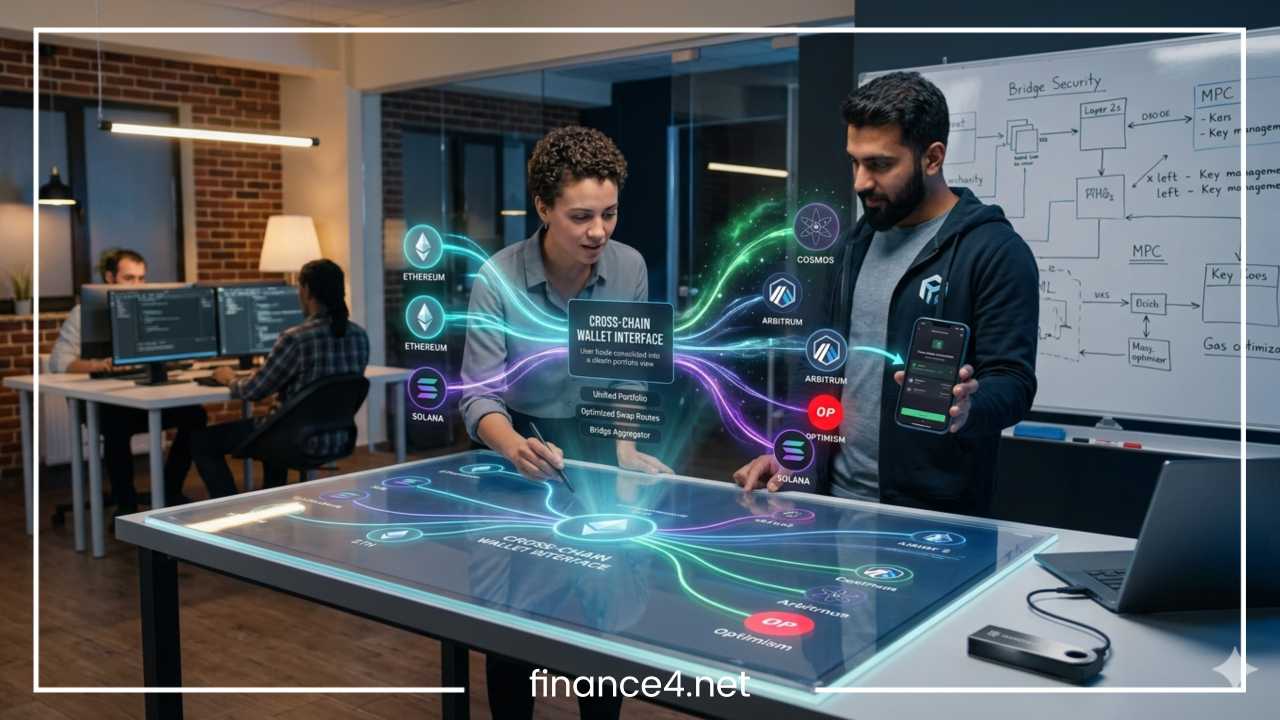
Top Cross-Chain Wallet Integrations: Best Multi-Chain Crypto Solutions
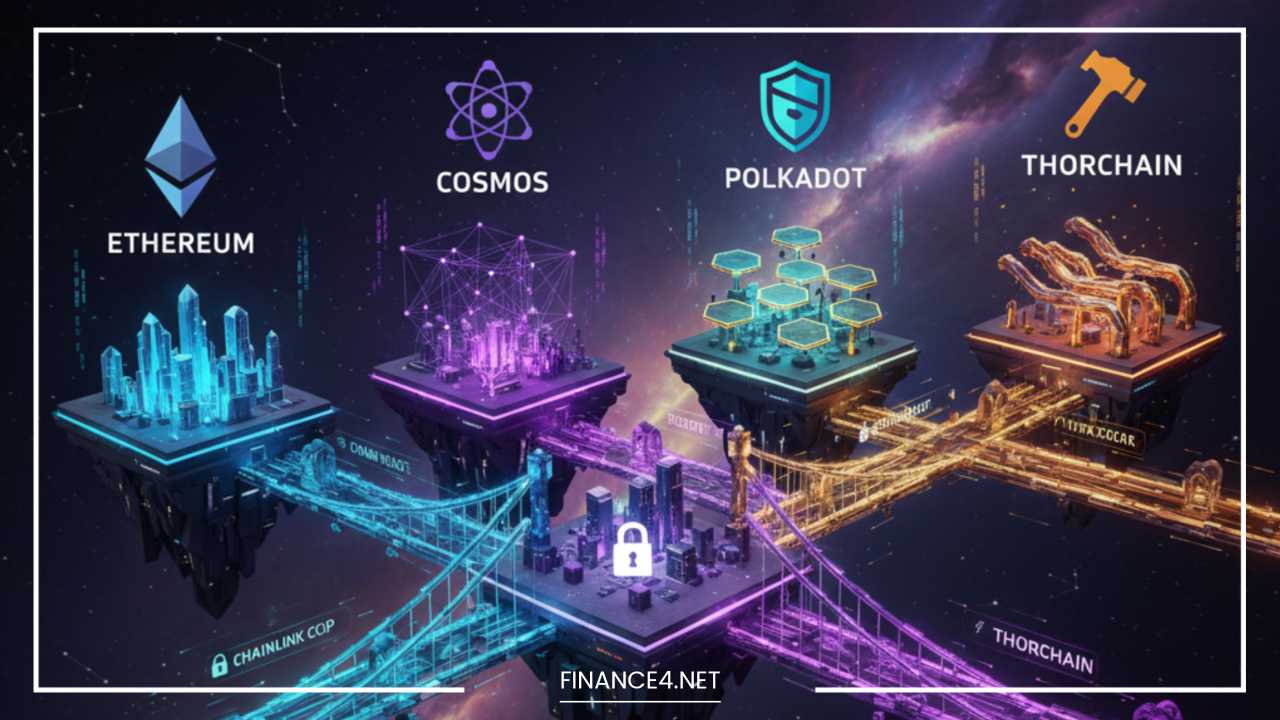
The rapid evolution of blockchain technology has led to a prolific but fragmented landscape. In the early days of cryptocurrency, a user might only need a single wallet to manage Bitcoin. However, the explosion of smart contract platforms, decentralized finance (DeFi), and non-fungible tokens (NFTs) has created a digital environment where assets are scattered across dozens of isolated networks. From the Ethereum mainnet and its various Layer 2 scaling solutions like Arbitrum and Optimism to independent ecosystems like Solana, Avalanche, and the Cosmos Inter-Blockchain Communication (IBC) network, the crypto world is more divided than ever.
This fragmentation presents a significant hurdle for the average user. Moving assets between these “silos” traditionally required technical knowledge of bridges, multiple browser extensions, and the constant risk of sending funds to an incompatible address. To solve this, the industry has pivoted toward cross-chain wallet integrations. These solutions act as a unified access layer, allowing users to interact with multiple blockchains through a single interface. By abstracting the complexity of the underlying infrastructure, cross-chain wallets are becoming the primary gateway for the next generation of Web3 users.
The Problem of Blockchain Fragmentation
To appreciate the necessity of cross-chain wallet integrations, one must first understand the fundamental problem they solve: fragmentation. Blockchains are, by their nature, designed as closed loops. An asset on the Bitcoin blockchain does not natively “know” that the Ethereum blockchain exists. As developers launched new networks to solve specific problems—such as increasing transaction speed or lowering fees—they inadvertently created a series of “walled gardens.”
For the end-user, this creates a cognitive and operational burden. If a user discovers a new DeFi protocol on a Layer 2 network but holds their capital on a Layer 1, they must navigate a gauntlet of steps. They have to find a reputable bridge, ensure they have the native gas tokens for both the source and destination chains, and manage multiple address formats. This friction is the primary reason why many retail users remain on centralized exchanges, where the exchange handles the “multi-chain” aspect behind the scenes, albeit at the cost of user self-custody. Cross-chain wallets aim to bring that same centralized ease of use to the decentralized world.
Defining Cross-Chain & Multi-Chain Wallets
While the terms are often used interchangeably, they represent different levels of technical sophistication and utility in the Web3 stack.
Single-Chain Wallets
A single-chain wallet is designed specifically for one blockchain. These are often the “official” wallets of a specific ecosystem. They are highly optimized for that specific network’s unique features, such as governance voting or specific staking mechanisms. However, they are inherently limited. A user who wants to interact with five different chains would traditionally need five different wallets, five different backups, and five different interfaces to learn.
Multi-Chain Wallets
A multi-chain wallet is a significant step forward in convenience. These wallets can hold assets from multiple different blockchains simultaneously. For example, a single recovery phrase might generate an Ethereum address, a Bitcoin address, and a Solana address all within the same application. While they offer a unified view of a portfolio, they do not necessarily allow the assets to interact with one another. In a standard multi-chain wallet, your ETH and your SOL are still on separate islands; you just happen to have a passport to both in one book.
Cross-Chain Wallets
The most advanced category is the cross-chain wallet. These wallets not only support multiple networks but also integrate features that allow for the seamless movement of value between them. A true cross-chain wallet integration includes built-in bridging or swapping capabilities, enabling a user to trade an asset on Ethereum for an asset on Avalanche without ever leaving the wallet interface.
Essentially, a wallet is a combination of an interface and a private key management system. In a cross-chain context, the wallet manages the different cryptographic standards required by various chains (such as ECDSA for Ethereum and Ed25519 for Solana) while providing a simplified front-end that makes the entire decentralized web feel like a single, cohesive network.
Why Cross-Chain Wallet Integration Matters
The primary driver behind the push for cross-chain integration is the fragmentation of liquidity. When liquidity is trapped on individual chains, it limits the efficiency of decentralized markets. For a trader, having capital stuck on a Layer 2 network when a high-yield opportunity arises on a different Layer 1 is a major friction point.
The Rise of the Multi-Chain User
Modern crypto users are no longer “maximalists” of a single chain. They might hold Ethereum for long-term value, use Solana for high-frequency NFT trading, and utilize Arbitrum or Base for low-fee DeFi yield farming. Managing these activities through five different browser extensions is not only a poor user experience but also a security risk, as it increases the surface area for phishing attacks and lost recovery phrases.
Unified Portfolio Management
Cross-chain integrations provide a “single source of truth” for a user’s net worth. Instead of manually checking multiple explorers to see their total balance, a cross-chain wallet aggregates this data. This transparency is crucial for making informed financial decisions. If a user has a debt position on an Ethereum lending protocol and their collateral is on a Layer 2, a cross-chain wallet can provide the bird’s-eye view necessary to manage risk effectively.
Expansion of Ecosystems
The growth of the blockchain space is no longer limited to a few major players. We have seen the rapid expansion of Layer 2 solutions like Polygon, zkSync, and Starknet, alongside robust Layer 1s like Avalanche and the Cosmos ecosystem. As new networks emerge, cross-chain wallets allow users to “test the waters” without a high barrier to entry. If a wallet already supports the necessary infrastructure, a user can bridge a small amount of capital to a new chain with a few clicks, fostering faster adoption of innovative protocols.
How Cross-Chain Wallets Work: A Technical Overview
Behind a simple “swap” button lies a massive amount of technical coordination. Cross-chain wallets must manage different consensus mechanisms, address formats, and communication protocols.
Private Key and HD Wallet Systems
At the foundation is the Hierarchical Deterministic (HD) wallet system, governed by standards like BIP-32 and BIP-44. This allows a single master seed phrase to generate an infinite number of keys for different blockchains. Even though an Ethereum address and a Bitcoin address look different, they are derived from the same mathematical root. The wallet software handles the complex derivation paths required to generate the correct public and private keys for each specific chain.
Chain-Specific Address Generation
Different blockchains use different cryptographic curves and hashing algorithms. A cross-chain wallet must be “multilingual” in a cryptographic sense. It must be able to sign transactions for the Ethereum Virtual Machine (EVM), handle the unique transaction structures of UTXO-based chains like Bitcoin, and interact with the account-based model of Solana.
RPC Nodes and APIs
To display balances and execute trades, the wallet connects to RPC (Remote Procedure Call) nodes for each supported blockchain. These nodes act as the bridge between the wallet interface and the blockchain’s ledger. A cross-chain wallet must maintain connections to dozens of different node providers to ensure real-time data accuracy across all integrated networks.
Cross-Chain Mechanisms
The actual movement of assets is handled by one of several mechanisms:
-
Bridges (Lock and Mint): Assets are locked in a smart contract on the source chain, and an equivalent “wrapped” version is minted on the destination chain. The wallet monitors this process and alerts the user when the new tokens are available.
-
Liquidity Networks: These systems use pools of capital on both the source and destination chains. When a user sends funds on one side, a relayer sends the equivalent funds from a pool on the other side. This is often faster and safer than traditional “lock and mint” bridges.
-
Cross-Chain Messaging Protocols: Protocols like LayerZero or CCIP allow smart contracts on different chains to “talk” to each other. This enables more complex actions, such as using collateral on one chain to borrow assets on another without the user ever manually moving the funds.
Types of Cross-Chain Wallet Integrations
Depending on the user’s needs, they may interact with different types of integrations, each offering a different balance of security and convenience.
1. Native Multi-Chain Support Wallets
Some wallets are built from the ground up to be chain-agnostic. These wallets treat every network as an equal citizen. Users can switch between networks via a simple dropdown menu, and the wallet automatically updates the available dApps and token lists. This provides a consistent experience across both EVM and non-EVM worlds.
2. Wallet + Bridge Integrations
Rather than building their own bridging technology, many wallets integrate established third-party bridges. By embedding a bridge like Wormhole or Axelar directly into the UI, the wallet provides a safe, curated environment for moving assets. This reduces the risk of users accidentally visiting a malicious bridge website or using an unverified protocol.
3. Wallet + DEX Aggregator Integration
To facilitate cross-chain swaps, wallets often connect to decentralized exchange (DEX) aggregators. When a user wants to swap ETH for SOL, the wallet queries multiple liquidity sources to find the route with the lowest slippage and fees. This “in-wallet swap” feature is one of the most used cross-chain functions today, as it eliminates the need to visit multiple trading platforms.
4. Wallet + dApp Ecosystem Integration
Advanced wallets include a built-in Web3 browser or a “dApp Store.” This allows users to discover and connect to decentralized applications across various chains without ever leaving the app. This creates a “super-app” experience similar to traditional fintech platforms, but with the added benefits of self-custody and decentralization.
Key Features of Best Multi-Chain Wallet Solutions
For a cross-chain wallet to be considered a top-tier solution, it must offer more than just a list of supported chains. The following features are essential for a robust user experience:
-
Unified Dashboard: A clean interface that shows all assets, including staked tokens and NFTs, across all chains in a single view.
-
Cross-Chain Swaps: The ability to trade assets between different ecosystems (e.g., swapping USDC on Polygon for AVAX on Avalanche) in a single transaction.
-
Gas Fee Optimization: The ability to pay for gas in the native token of the destination chain or even in stablecoins. This is a massive improvement for users who often find themselves with tokens on a new chain but no native gas to move them.
-
Seed Phrase and MPC Security: While traditional seed phrases are standard, many modern wallets are moving toward Multi-Party Computation (MPC) to eliminate the “single point of failure” of a 12-word phrase.
-
Hardware Wallet Compatibility: The ability to connect devices like Ledger or Trezor to the cross-chain interface, combining the security of cold storage with the convenience of a multi-chain UI.
-
Token Auto-Detection: Automatically identifying new tokens in a user’s wallet across different networks so they don’t have to manually import contract addresses.
-
NFT Multi-Chain Viewing: A dedicated gallery that can display NFTs from Ethereum, Polygon, Solana, and other networks side-by-side, regardless of the underlying standards (ERC-721, SPL, etc.).
Leading Technologies Powering Cross-Chain Wallets
The “magic” of cross-chain movement is powered by a stack of specialized infrastructure that operates beneath the user interface.
Cross-Chain Bridges
Bridges are the primary infrastructure for asset transfers. They can be “canonical” (built by the chain developers) or “third-party.” They use various security models, ranging from multi-sig setups to decentralized validator sets.
Messaging Protocols
Cross-chain communication layers act as the internet’s TCP/IP for blockchains. They provide the standardized language that allows an Ethereum contract to understand an event that happened on a different network. This is the backbone of “omnichain” tokens that can exist on multiple chains simultaneously without needing traditional wrapping.
Intent-Based Systems
A major trend in wallet integration is the shift toward “intents.” Instead of the user specifying every technical step (e.g., “Bridge A to B, then swap B for C”), they simply state their desired outcome (“I want to trade this for that”). The wallet and its underlying “solvers” find the most efficient and cheapest path to execute that intent.
Aggregators
Aggregators scan dozens of liquidity pools and bridges in real-time. They are the “search engines” of the cross-chain world, ensuring that when a user initiates a transfer, they are getting the best possible exchange rate across the entire fragmented market.
Security Challenges in Cross-Chain Wallets
While cross-chain integrations offer immense convenience, they also introduce new vectors for risk. It is vital for users to understand that complexity often comes at a cost to security.
Bridge Hacks
Historically, bridges have been some of the most targeted pieces of infrastructure in the crypto space. Because bridges often hold massive amounts of collateral in smart contracts, a single bug can lead to catastrophic losses. When a wallet integrates a bridge, it effectively inherits the security risks of that specific protocol.
Smart Contract Risks
Every cross-chain transaction involves interacting with multiple smart contracts across different chains. Each of these interactions is a potential point of failure. If a wallet’s swap provider has a vulnerability, the user’s funds could be at risk during the transition period between the two chains.
Fake Token Risks
The decentralized nature of blockchains means anyone can create a token with any name. In a cross-chain environment, users must be careful to ensure they are swapping for the legitimate version of a token. Malicious actors often create fake versions of popular tokens on new chains to trick unsuspecting users.
Phishing and Wallet Spoofing
The convenience of “one-click” cross-chain swaps can make users less vigilant. Malicious actors may create fake wallet extensions or mobile apps that mimic popular cross-chain solutions to steal private keys. Furthermore, the existence of “fake” tokens on different chains means users must be careful to ensure they are swapping for legitimate assets.
RPC Manipulation
If a wallet connects to an untrustworthy RPC node, that node could potentially provide false information about balances or transaction statuses. High-quality wallets mitigate this by using reputable node providers and verifying data through multiple independent sources.
Benefits of Cross-Chain Wallet Integrations
Despite the risks, the benefits of using a unified cross-chain solution are overwhelming for most participants in the digital asset economy.
-
One Wallet for All Chains: The primary benefit is simplicity. One app, one backup, and one interface for everything from Bitcoin to the smallest Layer 2.
-
Faster DeFi Access: Users can move capital to where the opportunity is in minutes, rather than the hours it might take to navigate multiple exchanges and bridges manually.
-
Reduced Friction: By automating the bridging and swapping process, wallets remove the technical hurdles that often prevent new users from exploring decentralized finance.
-
Better Portfolio Diversification: It is easier to maintain a balanced portfolio when you can see and manage all your assets in one place.
-
Lower Dependency on Centralized Exchanges: Cross-chain wallets allow users to stay in control of their private keys (self-custody) while still enjoying the trading flexibility typically associated with centralized platforms.
Limitations and Current Challenges
The industry is still in the “early adopter” phase of cross-chain technology. Several hurdles remain before the experience is truly seamless for the general public.
Cross-Chain UX Complexity
While wallets are getting better at hiding it, the backend of a cross-chain transaction is still incredibly complex. When things go wrong—such as a transaction getting stuck in a bridge—it can be very difficult for a non-technical user to resolve the issue.
Bridge Liquidity Issues
Not all chains have deep liquidity for all tokens. A user might find that swapping a large amount of an asset from a smaller chain to Ethereum results in significant price impact because there isn’t enough capital in the cross-chain pools to facilitate the trade efficiently.
Network Congestion Variability
Different chains have different speeds and fee structures. A transaction that starts on a fast, cheap chain like Solana might be delayed when it reaches a congested Ethereum network. Wallets struggle to provide accurate time estimates when dealing with multiple varying network conditions.
Fragmented Token Standards
While the EVM uses ERC-20, other chains have their own standards. This makes it difficult for wallets to provide a perfectly uniform experience across every single blockchain in existence.
The Future of Cross-Chain Wallets
The ultimate goal of the industry is “chain abstraction.” In this future state, the user will not even know which blockchain they are using. The wallet will simply show a balance, and the underlying infrastructure will handle the distribution across various chains for optimal yield and security.
Intent-Based Execution
As mentioned earlier, the shift toward “intents” will redefine how we use wallets. Instead of managing gas and bridges, users will simply state their goal, and the wallet will execute it in the background using a network of competitive solvers.
Chain Abstraction
This is the “holy grail” of Web3 UX. Chain abstraction means the end of network-switching. A user will be able to spend their “crypto” at any merchant or dApp, and the wallet will figure out which chain to pull the funds from and which bridge to use, all in a fraction of a second.
Unified Liquidity Layers
New protocols are emerging that aim to create a single pool of liquidity that is accessible from every chain simultaneously. This would eliminate the need for “wrapped” tokens and make cross-chain swaps as efficient as trading on a centralized exchange.
Account Abstraction and Web3 UX
Account abstraction (like ERC-4337) allows traditional crypto wallets to behave more like bank accounts. This includes features like social recovery, batched transactions, and the ability for third parties to pay for a user’s gas fees. When combined with cross-chain integration, this will remove the final technical barriers to mass adoption.
AI-Driven Transaction Routing
We are likely to see wallets that use machine learning to predict network congestion and gas prices, automatically timing cross-chain moves to save the user money. AI could also act as a security guard, flagging suspicious smart contract interactions before a user signs a transaction.
Final Thoughts
Cross-chain wallet integrations represent the necessary evolution of the crypto interface. As the number of blockchains continues to grow, the “siloed” model of asset management is becoming obsolete. By providing a unified dashboard, integrated bridging, and simplified security, these wallets are transforming the decentralized web from a collection of isolated islands into a connected global economy.
For the user, the choice of a wallet is no longer just about which chain it supports, but how well it integrates the entire ecosystem. While challenges regarding security and liquidity remain, the trajectory is clear: the future of Web3 is multi-chain, and the cross-chain wallet is the tool that will lead the way. Whether you are a DeFi power user or a casual NFT collector, embracing a cross-chain solution is the best way to stay flexible and secure in an ever-expanding digital landscape. Through continuous innovation in messaging protocols, intent-based execution, and chain abstraction, the complexity of the blockchain will eventually fade into the background, leaving only a seamless and powerful financial tool for the world to use.