Bridging Cardano to Avalanche
 by
by 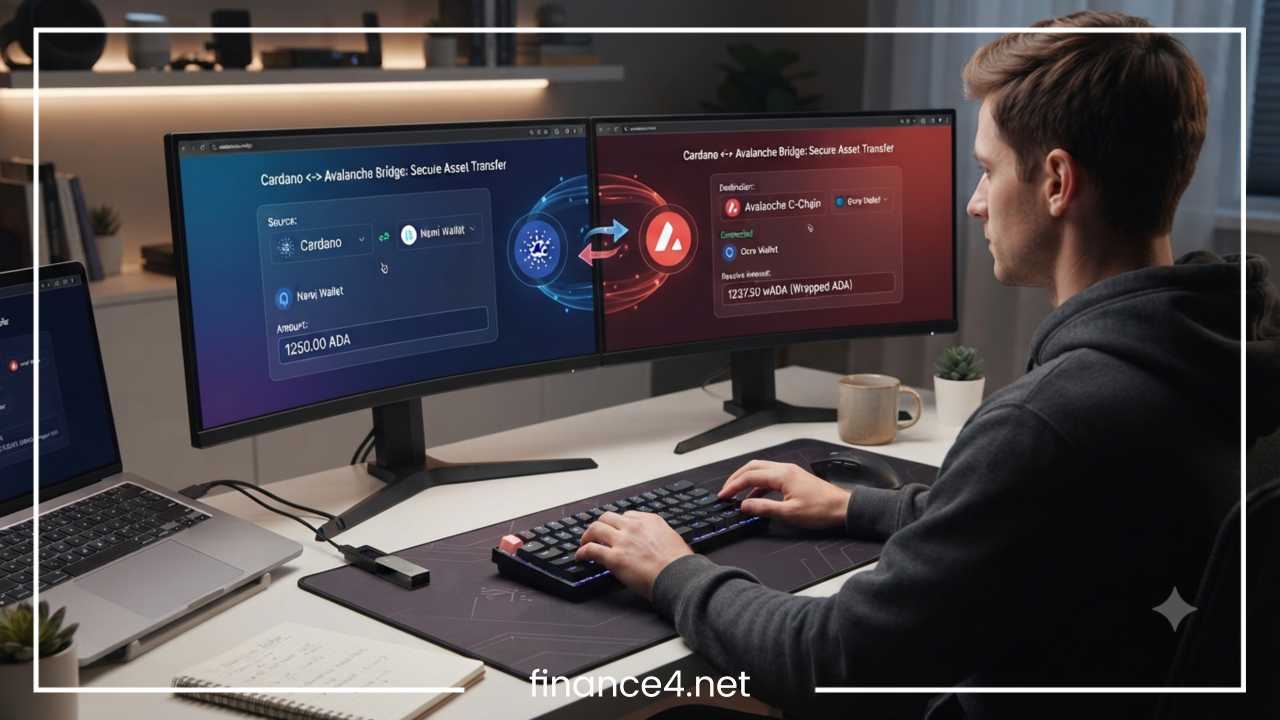
Bridging Cardano to Avalanche: Step-by-Step Guide
The decentralized finance landscape continues to evolve through the powerful concept of multi-chain interoperability. For years, distinct blockchain ecosystems operated in functional silos, making it difficult for users to move assets freely between different networks. Today, cross-chain communication protocols and decentralized bridges allow capital to flow seamlessly across diverse layer-one and layer-two environments. Among these movements, connecting the security-focused Cardano network with the high-throughput, sub-second finality of Avalanche opens up exciting new possibilities for crypto participants.
Bridging assets between Cardano and Avalanche bridges the gap between two distinctly architected ecosystems. Cardano is renowned for its academic, peer-reviewed approach, eUTXO accounting model, and robust security foundations. Conversely, Avalanche stands out for its custom subnet architecture, high throughput, and vibrant decentralized finance sector.
Throughout this guide, readers will learn what cross-chain bridging truly means, how to navigate the technicalities of moving assets between Cardano and Avalanche, the fees and timelines involved, essential security best practices, and the wide array of decentralized applications waiting on the destination network.
What Does Bridging Cardano to Avalanche Mean?
Understanding Cross-Chain Bridges
Blockchain bridges are protocols or decentralized applications that establish a communication and asset-transfer channel between two economically and technologically separate blockchain networks. Because independent ledgers cannot natively read or write state data on one another, specialized infrastructure is required to facilitate cross-chain value transfers.
The most common mechanisms utilized by bridges include lock-and-mint and burn-and-release models. In a lock-and-mint framework, a user deposits native tokens into a secure smart contract or multi-signature vault on the source chain. Once the deposit is verified, an equivalent amount of wrapped or synthetic tokens is minted on the destination chain. Conversely, when returning the asset, the wrapped tokens are burned on the destination chain, releasing the original native assets back to the user on the source chain. Another common model involves liquidity networks, where native assets are swapped directly from liquidity pools residing on both networks.
Bridges exist to solve the fragmentation of liquidity and utility across the broader web3 space. By enabling token and data transfer, they empower users to leverage the unique strengths of multiple networks without being locked into a single ecosystem.
Why Bridge Assets from Cardano to Avalanche?
Moving assets from Cardano to Avalanche provides participants with access to a rich suite of decentralized finance products and high-speed infrastructure.
-
Access Avalanche DeFi: Avalanche hosts a massive ecosystem of decentralized exchanges, automated market makers, lending protocols, and yield aggregators that offer diverse financial yield generation strategies.
-
Faster Settlement: Avalanche is engineered for sub-second transaction finality, providing an extremely responsive user experience for high-frequency trading and interactive applications.
-
Broader dApp Ecosystem: Bridging assets allows users to interact with decentralized applications, NFT marketplaces, and gaming protocols built exclusively on the Avalanche network and its custom subnets.
-
Liquidity Opportunities: Participants can supply their bridged assets to liquidity pools, earn trading fees, and participate in liquidity mining incentive programs.
-
Cross-Chain Portfolio Management: Diversifying asset exposure across multiple robust ecosystems mitigates single-chain concentration risk and optimizes capital efficiency.
Can You Bridge Directly from Cardano to Avalanche?
The technical differences between Cardano and Avalanche mean that direct, native token-to-token bridging without intermediary mechanisms is rarely straightforward. Cardano relies on the extended Unspent Transaction Output model and Haskell-based smart contracts, whereas Avalanche utilizes the Ethereum Virtual Machine compatibility layer on its C-Chain alongside its unique consensus protocol.
Direct bridges between Cardano and Avalanche depend heavily on third-party cross-chain routing protocols, liquidity networks, or trusted custodian architectures. In many instances, native ADA or Cardano-based tokens must be routed through an intermediary chain or represented as wrapped assets on Avalanche.
Wrapped ADA on Avalanche acts as a synthetic representation of native Cardano ADA, pegged 1:1 in value. This wrapping process requires users to trust the security of the bridge’s smart contracts or validator set. Understanding whether an asset is native or wrapped is vital, as it directly impacts liquidity, trading pairs, and security assumptions. Current limitations include reliance on multi-sig bridge operators, potential friction in liquidity depth, and varying degrees of decentralization across available routing protocols.
Prerequisites Before Bridging
Before initiating any cross-chain transfer, thorough preparation ensures a smooth and secure experience. Missing a single prerequisite can lead to delayed transactions, stuck funds, or exposure to security vulnerabilities.
Wallets
Users must have fully functioning, non-custodial wallets set up for both source and destination environments.
-
Cardano Wallet: A secure Cardano-native wallet (such as Eternl, Nami, Lace, or Yoroi) loaded with the assets intended for transfer.
-
Avalanche Wallet: An EVM-compatible wallet (such as Core Wallet or MetaMask) configured properly to interact with the Avalanche C-Chain.
Tokens
-
ADA Balance: Ensure there is a sufficient balance of native ADA in the Cardano wallet to cover both the transfer amount and network transaction fees.
-
Gas Tokens: The destination Avalanche wallet must hold a small balance of AVAX to pay for gas fees when interacting with smart contracts, swapping tokens, or moving funds further down the line. New users bridging to Avalanche often forget this step and find themselves unable to move their newly arrived assets.
Network Configuration
Ensure that the Avalanche C-Chain network parameters are correctly added to the EVM wallet. While most modern decentralized applications add this automatically, verifying the Chain ID, RPC URL, and currency symbol prevents routing errors.
Internet and Security Checks
Perform cross-chain transfers using a secure, private internet connection. Avoid public or unsecured Wi-Fi networks when handling private keys or interacting with high-value smart contracts.
Backup Recovery Phrase
Verify that the seed phrases for both the Cardano and Avalanche wallets are safely backed up offline on physical paper or metal backup devices. Never store seed phrases digitally in cloud storage, screenshots, or messaging apps.
Choosing the Right Bridge
Selecting a reliable bridge is the most critical decision in the cross-chain journey. Because bridges frequently target high-value liquidity pools, they remain prime targets for malicious actors. Evaluating bridge reliability requires looking at several core factors.
Factors to analyze include:
-
Supported Assets: Ensure the bridge officially supports the specific Cardano token or ADA variant you wish to transfer.
-
Security Model: Investigate whether the bridge uses decentralized validators, optimistic verification, multi-signature committees, or lock-and-mint smart contracts.
-
Total Value Locked (TVL): Higher TVL often indicates market trust and deep liquidity, though it can also attract sophisticated attackers.
-
Audits: Check if the bridge smart contracts have been rigorously audited by reputable, independent blockchain security firms.
-
Fees: Compare flat protocol fees, gas overhead, and slippage across competing bridge options.
-
Speed: Review average transfer times under normal and congested network conditions.
-
Liquidity: Ensure the bridge has sufficient liquidity on the destination side to fulfill the transfer without causing extreme price impact.
-
User Experience: Look for intuitive interfaces, clear status indicators, and responsive customer support channels.
Keep in mind that bridge availability, liquidity depth, and supported token pairs change dynamically over time as new protocols launch and older ones update their infrastructure.
Step-by-Step Guide to Bridge Cardano to Avalanche
Executing a cross-chain transfer requires careful execution of each sequential step. Take your time and double-check all information before confirming any prompts.
Step 1: Prepare Both Wallets
Open and unlock your Cardano wallet and your Avalanche EVM-compatible wallet. Ensure both wallets are updated to the latest version and that your primary tokens and gas balances are visible.
Step 2: Choose a Supported Bridge
Navigate to a reputable, audited cross-chain bridge that facilitates transfers between Cardano and Avalanche. Always verify that you are visiting the official domain URL to avoid phishing scams.
Step 3: Connect Your Cardano Wallet
Click the connect wallet button on the bridge interface and select your specific Cardano wallet provider. Approve the connection request within your wallet extension, ensuring you only grant read and interaction permissions, never exposing your secret recovery phrase.
Step 4: Connect Avalanche Wallet
Similarly, connect your Avalanche EVM wallet to the bridge interface. Switch the network within your EVM wallet to the Avalanche C-Chain if prompted by the application.
Step 5: Select ADA or Supported Asset
Choose the token you wish to transfer from your Cardano wallet. Input the exact amount you want to move, keeping minimum transfer limits in mind.
Step 6: Choose Destination Network
Select Avalanche as the destination network. Ensure the target wallet address displayed on the Avalanche side matches your personal EVM wallet address correctly.
Step 7: Review Bridge Quote
Carefully examine the bridge quote details provided on the screen before proceeding.
-
Fees: Review the total cost of bridging, including protocol fees and network transaction costs.
-
Minimum Amount: Confirm that your transfer meets or exceeds the protocol minimum limit.
-
Estimated Time: Note how long the transfer is expected to take under current network conditions.
-
Slippage: If using a liquidity pool bridge, check the acceptable slippage tolerance for wrapped or swapped tokens.
Step 8: Approve Transaction
Initiate the transaction by clicking the transfer or bridge button. Your Cardano wallet will pop up requesting approval for the outgoing transaction. Review the details one final time and sign the transaction.
Step 9: Wait for Confirmations
Allow the transaction to clear the Cardano blockchain blocks. The bridge interface will typically display a progress bar tracking source chain confirmations and relay validation. Do not close your browser tab during this window.
Step 10: Verify Funds on Avalanche
Once the bridge processes the transfer and executes the minting or release mechanism on Avalanche, open your Avalanche wallet. Add the custom token contract address if the bridged asset does not appear automatically, and verify that your funds have arrived safely.
Fees Involved When Bridging
Cross-chain transfers involve multiple layers of cost that users must account for to avoid unexpected fee depletion.
-
Cardano Transaction Fee: Every transaction submitted on the Cardano network requires a small native ADA fee to compensate stake pool operators and secure the ledger.
-
Bridge Fee: The cross-chain protocol itself usually charges a percentage-based or flat fee to cover operational costs, relay incentives, and protocol maintenance.
-
Avalanche Gas Fee: When the destination smart contract releases or mints tokens on Avalanche, a small amount of AVAX is consumed as gas to process the state change.
-
Liquidity Fee: If the bridge utilizes automated market maker pools to swap assets across chains, liquidity provider fees may apply to the transaction value.
-
Network Congestion Effects: During periods of high network activity on either Cardano or Avalanche, transaction fees can spike, increasing the total cost of executing the cross-chain transfer.
How Long Does Bridging Take?
The duration of a cross-chain transfer depends heavily on architectural design and underlying network performance.
-
Network Confirmations: Cardano requires a set number of block confirmations to guarantee transaction finality and prevent double-spending before a bridge recognizes the deposit.
-
Bridge Architecture: Decentralized validator networks and multi-signature committees require time to reach consensus and sign off on the cross-chain message passing.
-
Congestion: High transaction volume on either source or destination chains can create mempool backlogs, slowing down the processing of both source deposits and destination claims.
-
Security Waiting Periods: High-value transfers often require extended security waiting periods and additional confirmation blocks to safeguard against potential reorganization attacks or exploits.
Common Problems and How to Solve Them
Navigating cross-chain infrastructure can occasionally result in minor hiccups. Knowing how to diagnose and resolve common issues ensures peace of mind.
-
Transaction Pending: If a transaction remains stuck in a pending state, check the block explorer for the source chain to see if it has been included in a block yet. Network congestion is usually the culprit.
-
Wallet Not Connecting: Clear your browser cache, ensure your wallet extension is unlocked, and refresh the bridge application page. Reinstalling or restarting the extension often resolves stubborn connection bugs.
-
Tokens Not Appearing: If a transaction shows success on-chain but tokens are invisible in your Avalanche wallet, you likely need to import the custom token contract address manually using the official contract data.
-
Selected Wrong Network: If your EVM wallet is connected to the wrong network when interacting with a bridge, switch your network setting manually to the Avalanche C-Chain and reload the interface.
-
Insufficient Gas: If a transaction fails due to lack of gas, add a small amount of native gas tokens to your wallet before attempting the operation again.
-
Bridge Maintenance: Occasionally, bridges undergo scheduled smart contract upgrades or maintenance. Check the official social media channels or status pages of the bridge provider.
-
Liquidity Unavailable: If a bridge lacks sufficient liquidity on the destination side, the transfer may be paused until liquidity providers replenish the pools.
-
Explorer Shows Success But Wallet Does Not Update: Restart your wallet application or switch RPC endpoints within your EVM wallet to refresh the local balance cache.
Security Best Practices
Security must remain the highest priority when moving assets across distinct blockchain ecosystems. Adopting rigorous safety habits protects your capital from sophisticated threats.
-
Verify Official Bridge Website: Always access bridge platforms via verified links from trusted aggregators or official project documentation to avoid lookalike phishing sites.
-
Beware Phishing: Never click on sponsored search engine ads promoting token bridges, as malicious actors frequently buy ads to direct users to fake draining sites.
-
Double-Check Wallet Addresses: Inspect destination addresses carefully, keeping an eye out for malicious clipboard-hijacking malware that alters pasted addresses.
-
Small Test Transaction First: Always send a small test amount through the bridge before transferring your entire portfolio balance.
-
Never Share Seed Phrase: No legitimate bridge protocol, support agent, or developer will ever ask for your wallet recovery phrase or private keys.
-
Check Approvals: Regularly audit and revoke unnecessary smart contract token approvals on your wallets using dedicated revocation tools.
-
Use Hardware Wallets: Connect your software wallets to hardware devices like Ledger or Trezor to add an offline physical verification layer for signing transactions.
-
Keep Software Updated: Ensure your browser extensions, operating systems, and hardware wallet firmware are running the latest security patches.
What Can You Do After Bridging to Avalanche?
Once your assets successfully arrive on the Avalanche network, a vast array of decentralized financial tools and applications open up for utilization.
-
DeFi Lending: Deposit your bridged assets into lending markets to earn passive interest yields supplied to borrowers across the ecosystem.
-
Borrowing: Use your deposited assets as collateral to borrow stablecoins or other major cryptocurrencies without having to sell your long-term holdings.
-
DEX Trading: Swap your bridged tokens instantly for a wide variety of native Avalanche assets through decentralized exchanges and liquidity aggregators.
-
Yield Farming: Stake your liquidity pool tokens in high-yield farming smart contracts to earn protocol reward tokens.
-
Liquidity Pools: Provide dual-token liquidity to automated market maker pools to capture a share of protocol trading fees.
-
NFTs: Explore vibrant decentralized marketplaces to buy, sell, and trade digital collectibles and gaming assets built on Avalanche.
-
Gaming: Utilize fast transaction speeds to participate in web3 gaming economies and play-to-earn environments hosted on Avalanche subnets.
-
Payments: Engage in peer-to-peer commerce and merchant payment solutions utilizing low-fee transactions.
-
Cross-Chain Investments: Reallocate capital dynamically across emerging protocols within the Avalanche ecosystem to optimize overall portfolio performance.
Alternatives to Bridging
Cross-chain bridges are not the only way to move value or establish exposure across different ecosystems. Understanding alternative methods helps users choose the most efficient path for their specific goals.
-
Centralized Exchanges: Users can deposit Cardano tokens into a centralized exchange that supports both Cardano and Avalanche withdrawals, swap internally, and withdraw native or wrapped assets directly to an Avalanche wallet. This method avoids bridge smart contract risk but introduces custodial counterparty risk.
-
Cross-Chain Swaps: Specialized cross-chain swap aggregators execute atomic swaps or routed trades behind the scenes, converting assets from one chain to another in a single user action.
-
Stablecoin Routing: Converting volatile assets into widely supported multi-chain stablecoins before transferring can sometimes streamline liquidity routing across different networks.
-
Multi-Chain Wallets: Advanced web3 wallets with built-in cross-chain swapping features handle routing complexity directly within the user interface, minimizing manual steps.
-
Native Token Purchases: Purchasing Avalanche native assets directly via fiat on-ramps or alternative chains completely avoids the need to move legacy Cardano holdings.
Each alternative comes with its own set of trade-offs regarding fees, KYC requirements, speed, and counterparty trust assumptions.
Risks of Bridging Between Cardano and Avalanche
Participating in cross-chain transfers introduces specific risk factors that every user should carefully weigh before moving capital.
-
Smart Contract Risk: Bridges rely on complex smart contracts to lock, mint, burn, and release tokens. Any undiscovered bug or vulnerability in these contracts can be exploited by malicious actors.
-
Bridge Exploits: Cross-chain bridges have historically been primary targets for high-profile cyberattacks due to the massive honeypots of locked liquidity they hold.
-
Custodial Risk: Centralized or multi-sig federated bridges rely on a designated group of validators or custodians to secure funds, introducing trust assumptions.
-
Validator Risk: If a bridge relies on a federated validator set, collusion or compromise among a threshold of validators can lead to loss of funds.
-
Liquidity Shortages: Sudden surges in withdrawal demand can drain bridge liquidity pools, leaving users temporarily unable to complete their transfers.
-
Peg Risk: Wrapped assets on the destination chain can occasionally de-peg from their underlying native asset value if market confidence wavers or bridge solvency is questioned.
-
Network Congestion: Severe network traffic can delay cross-chain messaging verification, leaving transactions hanging in an uncertain state.
-
Human Error: Mistakes such as sending funds to incorrect network addresses, ignoring minimum limits, or failing to save transaction hashes can result in permanent loss of funds.
Best Practices for Successful Cross-Chain Transfers
Establishing a disciplined routine for executing cross-chain transfers drastically reduces operational risk and protects your digital assets.
-
Start with a Small Amount: Always run a preliminary test transfer with a minimal amount of funds before moving large sums.
-
Confirm Destination Chain: Verify that your target wallet network matches the destination chain parameter selected in the bridge interface.
-
Keep Gas Tokens: Always ensure your destination wallet holds a sufficient buffer of native gas tokens to handle subsequent transactions.
-
Save Transaction Hashes: Copy and securely save the transaction hash IDs for both the source deposit and destination claim steps.
-
Verify Bridge Status: Check official communication channels or status dashboards to confirm the bridge is operating normally before initiating transfers.
-
Avoid Rushing Large Transfers: Take your time to review every prompt, fee structure, and address field rather than rushing through high-value transactions.
-
Monitor Confirmations: Stay on the bridge tracking page until all required network confirmations and state updates finalize successfully.
Final Thoughts
Bridging assets between Cardano and Avalanche serves as a powerful gateway, allowing participants to access Avalanche’s high-speed decentralized finance ecosystem while retaining long-term exposure to Cardano-native assets. Successfully navigating this cross-chain journey requires careful preparation, diligent selection of reputable and audited bridge protocols, and strict adherence to fundamental security best practices.
Always prioritize safety by verifying bridge URLs, maintaining proper gas balances on both networks, and testing the transfer pipeline with a small amount before moving larger allocations. By understanding the underlying mechanics, fees, and potential risks, users can confidently explore the expanding multi-chain universe and unlock new opportunities for capital efficiency and portfolio growth.
Frequently Asked Questions
How can I bridge Cardano ADA to Avalanche C-Chain safely?
To bridge Cardano (ADA) or related tokens to the Avalanche C-Chain securely, you need a non-custodial Cardano wallet (such as Eternl, Lace, or Nami) and an EVM-compatible destination wallet (such as Core or MetaMask). Use a trusted and audited cross-chain routing protocol or multi-chain bridge platform that supports Cardano-to-EVM transfers, connect both wallets, review the live gas and bridge quotes, execute a small test transaction first, and approve the signature prompts in your extensions.
What are the main fees when transferring assets from Cardano to Avalanche?
Cross-chain transfers from Cardano to Avalanche involve several distinct fee components: network transaction fees paid in native ADA on the Cardano side, protocol or liquidity fees charged by the bridge aggregator for routing the transaction, and destination gas fees paid in native AVAX to complete the smart contract minting or release action on the Avalanche C-Chain. Network congestion on either ledger can also temporarily alter overall transaction costs.
Why is native AVAX required in my wallet before bridging?
The Avalanche C-Chain requires native AVAX to pay for transaction gas fees when interacting with smart contracts, swapping tokens, or executing trades. If you bridge assets into a fresh, empty Avalanche wallet that does not contain any AVAX, you will be unable to move, stake, or trade your newly arrived funds until a small amount of gas is sent to the address from an external source or centralized exchange.
How long does a cross-chain transfer from Cardano to Avalanche usually take?
Transfer times vary based on network block confirmation requirements, bridge architecture validation speeds, and current network traffic congestion. Cardano requires a specific number of ledger confirmations to guarantee finality before a cross-chain bridge registers a deposit, while Avalanche completes final settlement within seconds once the message is relayed. Most standard transfers settle completely within a few minutes.
What should I do if my bridged tokens do not show up in my Avalanche wallet?
If a transaction hash indicates success on-chain but your tokens are not visible in your EVM wallet interface, verify that your wallet is connected to the correct Avalanche C-Chain network ID. Next, manually import the custom token contract address using the official contract metadata provided by the bridge or token issuer so your wallet local balance cache updates correctly.