Top Bridging Solutions for Gaming Tokens
 by
by 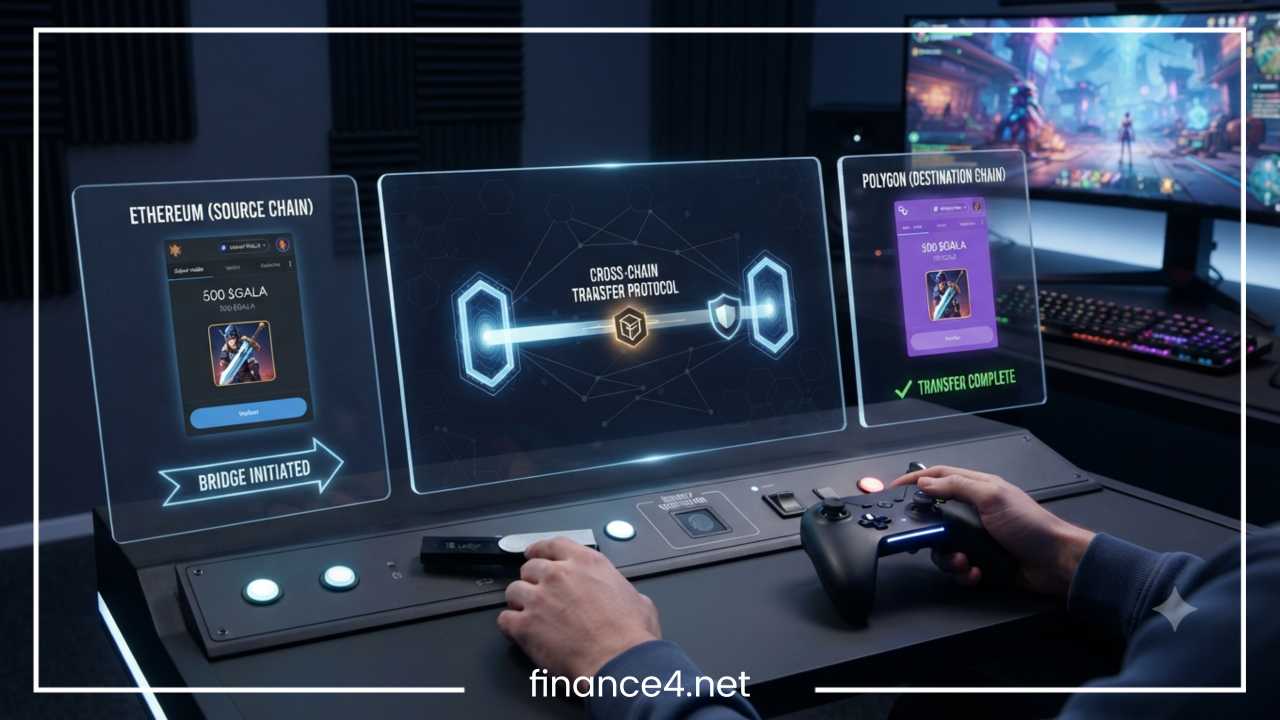
Top Bridging Solutions for Gaming Tokens Across Blockchains
Blockchain gaming has grown from a niche experiment into a sprawling ecosystem of interconnected economies, digital collectibles, and player-owned assets. As more studios launch titles on different networks, players increasingly find themselves holding gaming tokens, in-game currencies, and NFTs scattered across multiple blockchains. This fragmentation creates a real problem: an item earned in one game world often cannot be used, sold, or staked on another chain without some way to move it across the divide.
That is where bridging solutions come in. A gaming token bridge allows assets, whether fungible currencies or unique collectibles, to travel between blockchains without forcing players to abandon value or start from scratch on a new network. Cross-chain gaming depends on this infrastructure working smoothly, securely, and affordably, because players will not tolerate long delays, high gas fees, or the risk of losing assets to an exploit.
The challenges are significant. Bridges have historically been one of the most exploited components of the crypto industry, and gaming assets add extra complexity because of NFT metadata, in-game utility, and the need for near-instant settlement during gameplay. A slow or unreliable bridge can break the player experience just as easily as a hacked one can destroy trust entirely.
This article walks through how gaming token bridges function, what separates a well-built bridge from a risky one, and which platforms currently lead the space for moving gaming assets between chains. It also covers the blockchains most commonly used in Web3 gaming, the risks involved in bridging, and practical steps for protecting assets during a transfer. By the end, readers will have a clear framework for evaluating and choosing a bridge that fits their specific game, token, and destination chain.
What Are Gaming Tokens?
Gaming tokens come in several forms, each serving a different purpose within a blockchain gaming ecosystem. Understanding these categories is essential before exploring how bridges move them between networks.
Fungible gaming tokens are interchangeable units of value, similar to traditional currency. These often function as in-game currencies used to purchase items, upgrade characters, or pay for services within a game. Non-fungible gaming assets, by contrast, are unique. This category includes character skins, weapons, land parcels, and other collectibles represented as NFTs, each with distinct metadata and provenance.
Utility tokens grant access to specific features, gameplay mechanics, or premium content. A player might need a utility token to unlock a new game mode or to breed a digital creature. Governance tokens serve a different function, giving holders voting rights over decisions related to a game’s development, treasury allocation, or economic parameters.
Reward tokens are typically earned through gameplay, staking, or participation incentives, and they often carry secondary market value that players want to move to exchanges or other platforms. Because these token types are frequently issued on different blockchains depending on where a game was originally deployed, gamers often end up holding assets across Ethereum, Polygon, Solana, and other networks simultaneously. This is why cross-chain crypto bridge infrastructure has become such a critical layer for the blockchain gaming ecosystem rather than a nice-to-have feature.
Why Cross-Chain Bridging Matters for Blockchain Gaming
Cross-chain gaming is no longer a theoretical concept. Many game studios now build experiences that span multiple blockchains, either because different chains offer different advantages or because player communities are spread across ecosystems. Bridging technology is what makes this multi-chain approach workable in practice.
One of the clearest benefits is lower transaction costs. Networks like Ethereum can carry high gas fees during periods of congestion, making frequent in-game transactions impractical. Bridging gaming tokens to a faster, cheaper chain such as Polygon or Base allows players to interact with a game without paying more in fees than the value of the transaction itself.
Bridges also improve liquidity by connecting token pools across ecosystems, giving players more places to trade, stake, or spend their assets. This matters for multi-chain game ecosystems, where a single title may distribute rewards on one chain but rely on a marketplace hosted on another. Without a reliable bridge gaming tokens strategy, these separate components would function as isolated islands rather than a connected economy.
NFT compatibility is another major driver. As games introduce cross-chain NFTs representing characters, land, or equipment, players want the freedom to move those assets to whichever chain offers the best marketplace, lowest fees, or most active community. Bridging technology preserves player ownership by allowing that freedom instead of locking assets permanently to a single network.
Finally, cross-chain bridging supports the broader vision of interoperable metaverses, where a character or item created in one game world can theoretically appear or be recognized in another. While this vision is still developing, the underlying bridge gaming tokens infrastructure being built today lays the groundwork for that future.
How Gaming Token Bridges Work
Not all bridges operate the same way. Different bridging solutions use different underlying mechanisms, each with its own tradeoffs in speed, security, and cost.
Lock-and-Mint Model
In this model, the original token is locked in a smart contract on the source chain, and an equivalent representation, often called a wrapped token, is minted on the destination chain. When the player wants to move the asset back, the wrapped token is burned and the original is unlocked. This approach preserves a one-to-one backing relationship but introduces reliance on the security of the locking contract.
Burn-and-Mint Model
Rather than locking the original token, this model destroys it entirely on the source chain and mints a fresh, canonical token on the destination chain. This avoids the accumulation of locked liquidity in a single contract, which can reduce the attack surface, but it requires the destination chain’s minting authority to be tightly controlled and audited.
Liquidity Pool Bridges
Liquidity pool bridges do not lock or mint tokens directly. Instead, they rely on pre-funded liquidity pools on both the source and destination chains. When a player initiates a transfer, tokens are withdrawn from the destination pool while an equivalent amount is deposited into the source pool. This model can offer near-instant settlement since there is no need to wait for wrapped tokens to be minted, though it depends heavily on pool depth and can suffer from slippage during periods of high demand.
Message Passing Bridges
Message passing bridges focus on transmitting data and instructions between chains rather than moving tokens directly. A smart contract on the source chain sends a verified message to a smart contract on the destination chain, which then executes an action, such as minting a token or triggering a game event. This architecture underpins many omnichain gaming applications because it allows for more than simple asset transfers, including cross-chain game logic and shared state.
Validator-Based Bridges
Validator-based bridges use a network of independent validators or a designated set of guardians to observe events on one chain and confirm them on another. These validators reach consensus before a transaction is finalized, which adds a layer of decentralized verification. The tradeoff is that the security of the bridge becomes tied to the honesty and distribution of the validator set, making validator selection and decentralization an important factor to evaluate.
What Makes a Good Gaming Token Bridge?
With multiple bridging models available, evaluating the quality of a specific bridge requires looking at several practical factors that directly affect the player experience.
Security
Security is the single most important consideration for any secure token bridge, given how frequently bridge exploits have resulted in significant losses across the industry. A trustworthy bridge should have a strong audit history, a transparent security model, and ideally some form of bug bounty program that incentivizes researchers to report vulnerabilities before bad actors exploit them.
Speed
Gaming experiences often demand quick turnaround, especially when a transfer is tied to active gameplay, tournament participation, or time-sensitive marketplace listings. Bridges vary widely in settlement time, from near-instant liquidity-pool-based transfers to bridges that require multiple block confirmations across two chains before completion.
Transaction Fees
Fees directly affect whether a bridge is practical for everyday use. A bridge that charges a flat percentage or a high fixed cost may be unsuitable for moving smaller in-game currency amounts, while a low-fee bridge encourages more frequent cross-chain crypto bridge activity among casual players.
Supported Blockchains
The best bridge for a given player depends entirely on which blockchains their game and wallet actually use. A bridge with broad network coverage offers more flexibility, but a specialized bridge that deeply supports a specific gaming chain may offer better reliability for that particular ecosystem.
Wallet Compatibility
A gaming token bridge should work seamlessly with the wallets players already use, whether that is a browser extension wallet, a mobile wallet, or a hardware wallet. Bridges that require unfamiliar or obscure wallet software create unnecessary friction and increase the risk of user error.
Ease of Use
Complex interfaces discourage adoption, particularly among gamers who may not be deeply familiar with cross-chain asset transfer mechanics. A good bridge should present clear transaction previews, estimated fees, and expected completion times before a player confirms a transfer.
Liquidity
Sufficient liquidity on both sides of a bridge ensures that transfers settle smoothly without excessive slippage. This is especially relevant for liquidity-pool-based bridges, where thin pools can lead to unfavorable exchange rates during a transfer.
Reliability
Uptime and consistent performance matter as much as any single feature. A bridge that experiences frequent outages or unexplained delays undermines player confidence, even if its underlying security model is sound.
Top Bridging Solutions for Gaming Tokens Across Blockchains
Several platforms have established themselves as leading options for moving gaming tokens and NFTs between blockchains. Each takes a different technical approach and serves slightly different use cases within the Web3 gaming space.
Portal Bridge (Wormhole)
Portal Bridge, built on the Wormhole messaging protocol, is one of the most widely used tools for cross-chain asset transfer in the crypto space. It connects a large number of gaming ecosystems, including networks popular for NFT-heavy titles, and supports both fungible tokens and non-fungible assets.
Its strength lies in relatively fast transfer times and broad NFT support, making it a practical choice for players who need to move collectibles alongside in-game currency. The guardian network model underpinning Wormhole has faced scrutiny in the past following a major exploit, which led to significant security upgrades. Pros include wide chain coverage and strong NFT tooling, while the main con is that players should stay informed about the platform’s evolving security posture and any historical incidents before committing large transfers.
Axelar Network
Axelar takes a general message passing approach, allowing smart contracts on different chains to communicate directly rather than simply transferring wrapped tokens. This interoperability architecture makes it well suited for more complex gaming integrations, such as triggering in-game events or synchronizing state across chains.
Its security model relies on a proof-of-stake validator set that verifies cross-chain messages, giving it a decentralized foundation. Axelar’s best use cases involve games and platforms that need more than simple token transfers, including omnichain gaming applications that require coordinated logic across multiple networks.
LayerZero
LayerZero has become a foundational protocol for omnichain applications, and its messaging layer has been adopted by numerous gaming projects seeking true cross-chain functionality rather than isolated wrapped-token transfers. Its architecture separates message verification from message transmission, using independent oracles and relayers to reduce the risk of a single point of failure.
For cross-chain gaming, LayerZero enables tokens and NFTs to exist as unified assets across multiple chains rather than fragmented wrapped versions, which is a meaningful advantage for games built around persistent player identity. Its main advantages include flexibility for developers and growing adoption among major gaming and DeFi projects, though the complexity of its architecture means players should rely on well-audited implementations built on top of it.
deBridge
deBridge focuses heavily on high-speed transfers and has built a reputation for efficient cross-chain messaging that supports both token transfers and more complex data payloads. Its infrastructure is designed to minimize latency, which appeals to gaming applications where delays can disrupt the player experience.
Gaming applications built on deBridge benefit from its focus on capital efficiency, since it avoids some of the liquidity fragmentation issues seen in older bridge designs. This makes it a strong option for projects that need dependable, fast settlement for in-game currency and reward token distribution.
Across Protocol
Across Protocol is known for combining fast bridging with notably low fees, achieved through an intent-based architecture where relayers front liquidity to users while settlement happens later through a canonical bridge. This design allows players to receive funds on the destination chain almost immediately.
The user experience is a major selling point, with a streamlined interface that abstracts away much of the underlying complexity. For gaming applications where players want to move currency quickly without paying steep fees, Across offers a compelling balance of speed and affordability.
Synapse Protocol
Synapse Protocol supports a wide range of blockchains and is built around a combination of liquidity pools and canonical token bridging, giving it flexibility depending on which assets are being moved. It also offers token swap functionality, allowing players to bridge and exchange assets in a single transaction rather than performing two separate steps.
Its liquidity network spans many established chains used in gaming, making it a reasonable choice for players who need to move assets between well-known networks without relying on a single dedicated gaming-focused bridge.
Stargate Finance
Stargate Finance, built on top of LayerZero’s messaging infrastructure, is particularly known for enabling native asset transfers rather than wrapped-token representations. This means players receive the actual destination-chain version of a token rather than a synthetic equivalent, which can simplify downstream use of the asset.
Its unified liquidity model pools assets across multiple chains, reducing fragmentation and improving capital efficiency. For cross-chain DeFi activity tied to gaming economies, such as staking bridged tokens or providing liquidity with bridged assets, Stargate’s approach to unified liquidity is a notable advantage.
Chainlink CCIP
Chainlink’s Cross-Chain Interoperability Protocol brings an enterprise-grade approach to interoperability, leveraging Chainlink’s existing oracle network and reputation for reliability. Its secure messaging framework is designed with additional risk management features, including a separate risk management network that monitors for anomalous activity.
While CCIP has not been as widely adopted specifically for gaming as some of the other protocols listed here, its enterprise focus and rigorous security design make it a platform to watch as larger game studios seek institutional-grade infrastructure for future gaming integrations involving significant value.
Comparison of Popular Gaming Token Bridges
| Bridge | Supported Chains | Speed | Fees | Security | NFT Support | Best For |
|---|---|---|---|---|---|---|
| Portal Bridge (Wormhole) | Very broad, many gaming chains | Fast | Moderate | Improved after past incident, guardian model | Strong | Players moving NFTs and tokens across many ecosystems |
| Axelar Network | Broad, general purpose | Moderate | Moderate | Proof-of-stake validator set | Limited, message-focused | Complex cross-chain game logic |
| LayerZero | Very broad, omnichain focus | Fast | Varies by app | Oracle and relayer separation | Strong via partner apps | Omnichain gaming applications |
| deBridge | Broad | Very fast | Low to moderate | Strong messaging security | Moderate | High-speed reward and currency transfers |
| Across Protocol | Moderate, growing | Very fast | Low | Intent-based with canonical settlement | Limited | Low-cost, quick currency transfers |
| Synapse Protocol | Broad | Fast | Low to moderate | Liquidity and canonical hybrid | Limited | Multi-chain swaps and transfers |
| Stargate Finance | Broad | Fast | Low to moderate | Backed by LayerZero security | Limited | Native asset transfers and unified liquidity |
| Chainlink CCIP | Growing | Moderate | Moderate | Enterprise-grade, risk management layer | Limited currently | Institutional and future large-scale integrations |
This comparison highlights that no single bridge dominates every category. Players should weigh which factors matter most for their specific situation, whether that is NFT support, raw speed, or minimal fees.
Common Blockchains Used in Blockchain Gaming
Understanding the destination and source chains involved in a transfer is just as important as choosing the right bridge itself.
Ethereum
Ethereum remains a foundational chain for blockchain gaming, particularly for high-value NFTs and established gaming projects that prioritize security and decentralization over low fees.
Polygon
Polygon has become a popular choice for gaming due to its low transaction costs and fast confirmation times, making it well suited for frequent in-game transactions.
BNB Chain
BNB Chain offers low fees and a large existing user base, and it hosts a wide variety of gaming projects targeting cost-conscious players.
Avalanche
Avalanche’s subnet architecture allows individual games to launch dedicated chains with custom rules while still connecting back to the broader Avalanche ecosystem.
Arbitrum
As a leading Ethereum layer-two network, Arbitrum combines lower fees with strong security inherited from Ethereum, appealing to games that want scalability without leaving the Ethereum ecosystem entirely.
Base
Base has quickly attracted gaming and consumer applications thanks to its low costs and integration with a large existing user base through its underlying infrastructure.
Solana
Solana’s high throughput and low fees make it attractive for games requiring fast, frequent transactions, such as real-time in-game economies.
Immutable
Immutable is purpose-built for gaming, offering gas-free NFT minting and trading that specifically targets game developers and players.
Ronin
Ronin was created specifically to support large-scale blockchain gaming economies, offering a dedicated environment optimized for gaming transaction volume.
Sui
Sui’s object-centric data model is particularly well suited to representing complex in-game assets and has attracted growing interest from game developers.
Aptos
Aptos offers high transaction throughput and a programming model designed for safety, positioning it as another emerging option for gaming applications that prioritize performance.
Challenges of Bridging Gaming Tokens
Despite the benefits, bridging is not without risk, and players should understand the challenges before relying heavily on cross-chain transfers.
Smart contract vulnerabilities remain a persistent concern, since bridges are complex pieces of software that manage significant value. Bridge exploits have historically resulted in some of the largest losses in the crypto industry, making due diligence essential before trusting any platform with valuable gaming assets.
Liquidity shortages can affect liquidity-pool-based bridges during periods of high demand, leading to unfavorable rates or failed transactions. Unsupported assets present another obstacle, since not every gaming token or NFT collection is compatible with every bridge, requiring players to verify support before attempting a transfer.
Delays can occur even on generally fast bridges, particularly during network congestion on either the source or destination chain. Slippage is a related issue for liquidity-based transfers, where the final amount received may differ from the initial estimate. High gas fees on the underlying blockchains, separate from the bridge’s own fees, can also make small transfers impractical.
Perhaps the most dangerous challenge is not technical at all: fake bridge websites designed to mimic legitimate platforms in order to steal funds. These phishing sites have become increasingly sophisticated, making careful verification a critical habit for anyone engaging in cross-chain asset transfer.
Security Best Practices When Bridging Gaming Tokens
Given the risks outlined above, following consistent security habits can significantly reduce the chance of losing assets during a bridge transaction.
Verify Official Bridge URLs
Always access a bridge through its official website or a verified link from the project’s official channels, rather than clicking links from search ads, social media messages, or unsolicited communications.
Double-Check Wallet Addresses
Before confirming any transfer, carefully verify the destination wallet address and network, since sending assets to the wrong address or wrong chain can result in permanent loss.
Keep Native Gas Tokens Ready
Ensure the destination wallet holds enough of the native gas token to complete follow-up transactions, since receiving a bridged asset without gas to move it can leave funds temporarily stranded.
Bridge Small Amounts First
When using an unfamiliar bridge for the first time, send a small test transaction before committing larger amounts, confirming that the process works as expected end to end.
Use Hardware Wallets
For significant holdings, a hardware wallet adds a meaningful layer of protection against phishing attempts and malware that might otherwise compromise a software wallet.
Monitor Transaction Status
After initiating a transfer, track its status using the bridge’s own tracking tools or a blockchain explorer, rather than assuming completion without confirmation.
Beware of Phishing Scams
Stay alert for fake customer support accounts, cloned websites, and unsolicited direct messages offering help with a stuck transaction, since these are common tactics used to trick players into revealing private keys or seed phrases.
Choosing the Right Bridge for Your Gaming Needs
Selecting the right bridge ultimately comes down to matching platform capabilities with specific gaming needs. Consider which supported games and token compatibility a bridge offers, since not every platform integrates with every game or asset type.
The destination blockchain matters as well, since some bridges specialize in particular networks while others offer broader but potentially shallower coverage. A bridge’s security history should weigh heavily in the decision, particularly for larger transfers, since past incidents and subsequent improvements say a great deal about how a platform handles risk.
Fees and speed should be balanced against the size and urgency of a given transfer, since a slightly slower but cheaper bridge may be preferable for routine transactions, while a faster option might be worth a premium during time-sensitive events. Liquidity depth affects how much slippage a player might experience, and wallet support determines whether the bridge integrates smoothly with existing tools.
Finally, community trust and reputation offer a practical signal, since platforms with active user bases and transparent communication tend to respond more effectively when issues arise.
Emerging Trends in Cross-Chain Gaming
The bridging landscape continues to evolve alongside the broader blockchain gaming ecosystem. Omnichain games are increasingly being designed from the ground up to operate across multiple networks simultaneously, rather than treating cross-chain functionality as an afterthought.
Cross-chain NFTs are becoming more sophisticated, with metadata and utility designed to remain consistent regardless of which chain an asset currently resides on. AI-powered gaming economies are beginning to incorporate automated systems that manage in-game markets, balancing, and even asset movement across chains based on real-time conditions.
Unified player identities are emerging as a way to let a single profile carry reputation, achievements, and assets across multiple games and chains, reducing the fragmentation that has historically defined Web3 gaming. Cross-chain marketplaces are expanding to let players buy and sell assets without needing to manually bridge first, handling the technical complexity behind the scenes.
The broader vision of interoperable metaverses continues to push development toward standards that allow assets and identities to move freely between virtual worlds. Zero-knowledge interoperability is gaining attention as a way to verify cross-chain transactions with stronger privacy and efficiency guarantees, while account abstraction is making wallet management simpler for gamers who may not be familiar with traditional crypto wallet mechanics, lowering the barrier to entry for mainstream players engaging with blockchain game assets for the first time.
Frequently Asked Questions
What is the best bridge for moving NFTs between blockchains for gaming
Portal Bridge, built on Wormhole, is widely regarded as a strong option for moving gaming NFTs across chains because of its broad network coverage and dedicated NFT tooling. LayerZero-based bridges such as Stargate are also gaining traction for games that need native, non-wrapped assets on the destination chain.
How do I bridge gaming tokens from Ethereum to Polygon safely
Use the bridge’s official website, confirm the correct network is selected in your wallet, send a small test amount first, and keep enough native gas tokens on Polygon to cover any follow-up transactions before moving larger amounts of gaming currency.
Are gaming token bridges safe to use
Reputable bridges with strong audit histories and established track records are generally safe for everyday use, but bridges remain a common target for exploits. Following security best practices, such as verifying URLs and starting with small test transfers, significantly reduces risk.
Which blockchain bridge has the lowest fees for gaming transactions
Across Protocol and deBridge are typically noted for low fees and fast settlement, making them practical choices for frequent, smaller in-game currency transfers where cost efficiency matters most.
Can I bridge in-game currency without losing value to slippage
Slippage risk depends on the bridge type. Message-passing and native-asset bridges like LayerZero and Stargate tend to minimize slippage compared to liquidity-pool-based bridges, which can experience rate fluctuations during periods of low liquidity.
What happens if a gaming token bridge transaction gets stuck
Most bridges provide a transaction tracking tool or explorer link to monitor progress. If a transfer appears stuck, check the bridge’s status page or official support channels rather than trusting unsolicited help offers, since stuck-transaction scams are a common phishing tactic.
Do all blockchain games support cross-chain token bridging
Not all games support bridging, since support depends on whether the game’s smart contracts and token standards are compatible with a given bridge. Always confirm official support for a specific game and token before attempting a transfer.
Which blockchain is best for low-fee blockchain gaming
Polygon, Base, and Solana are commonly favored for low-fee blockchain gaming due to their high throughput and minimal transaction costs, making them well suited for frequent in-game actions and microtransactions.
Final Thoughts
Bridging technology has quietly become one of the most important pieces of infrastructure supporting blockchain gaming today. As game studios continue building across multiple chains and players accumulate gaming crypto tokens and NFTs across different ecosystems, the ability to move those assets safely and efficiently is no longer optional.
Choosing a bridge is not a one-size-fits-all decision. It requires balancing speed, cost, compatibility, and security against the specific needs of a given game, token, and destination chain. The platforms covered here each bring different strengths, whether that is broad NFT support, ultra-fast settlement, low fees, or enterprise-grade security architecture.
Before transferring any gaming token or NFT across chains, take the time to verify that a bridge actually supports the specific game and asset in question, confirm the official website, and consider starting with a smaller test transaction. As blockchain gaming interoperability continues to mature, the players and studios who prioritize careful, informed bridging decisions will be best positioned to benefit from an increasingly connected multi-chain gaming future.