Best Ways to Wrap and Unwrap Tokens
 by
by 
Strategic Approaches to Wrapping and Unwrapping Tokens
In the ever-expanding universe of blockchain technology, where innovation constantly pushes the boundaries of what’s possible, a seemingly simple concept—token wrapping—has emerged as a foundational pillar. Far from a mere technicality, understanding the nuances of wrapping and unwrapping digital assets is crucial for anyone navigating the complex, multi-chain landscape of decentralized finance (DeFi) and beyond.
This article delves beyond the basic “how-to,” exploring the strategic considerations, advanced methodologies, and critical best practices for optimally managing your wrapped and unwrapped tokens.
The Fundamentals Revisited: Why Wrap?
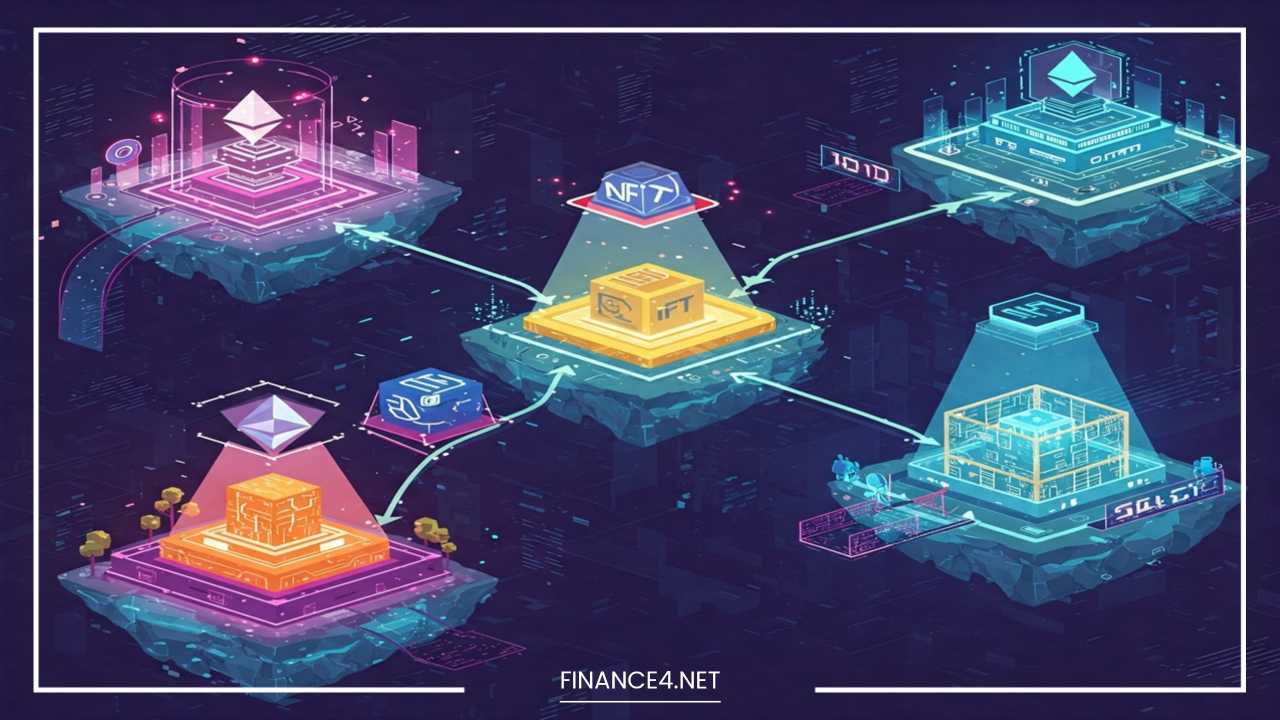
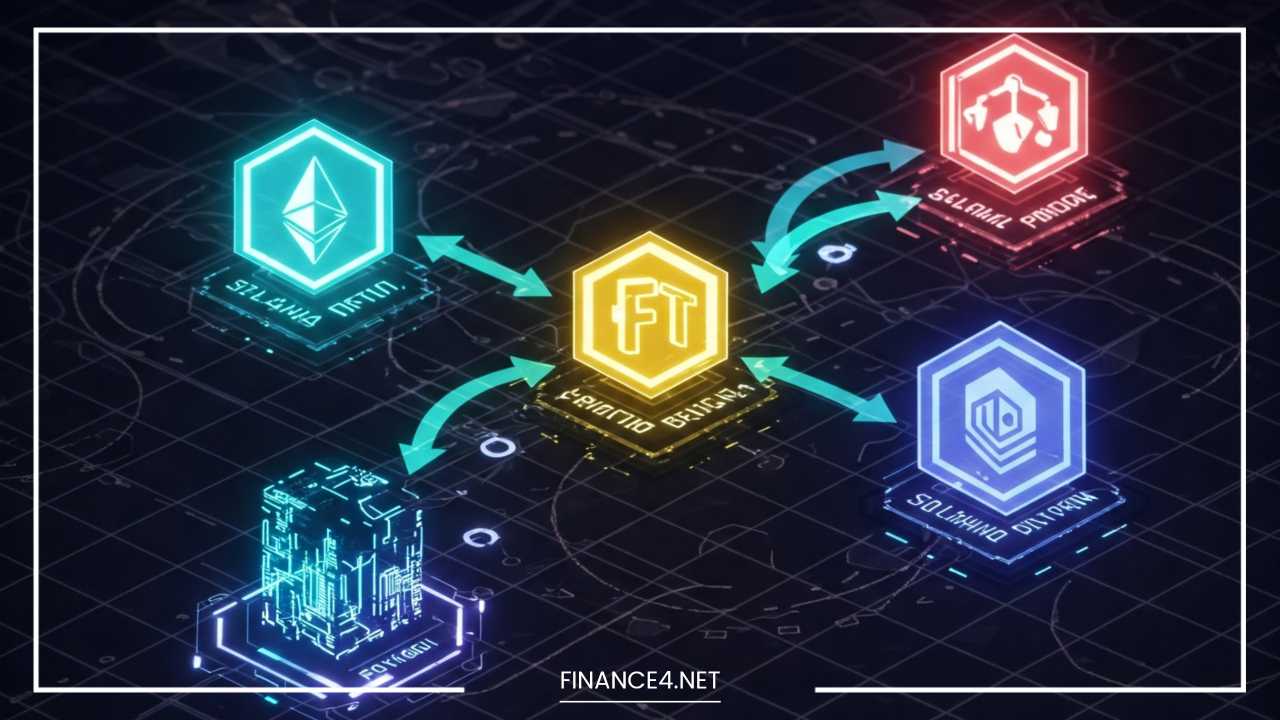
At its core, token wrapping is the process of taking a cryptocurrency from its native blockchain and “wrapping” it into a new token that conforms to a different blockchain’s standard. The original token is typically locked in a smart contract, while the wrapped version is minted on the target chain, maintaining a 1:1 peg to its underlying asset. This ingenious mechanism addresses several fundamental challenges:
1. Interoperability: Breaking Down Blockchain Silos
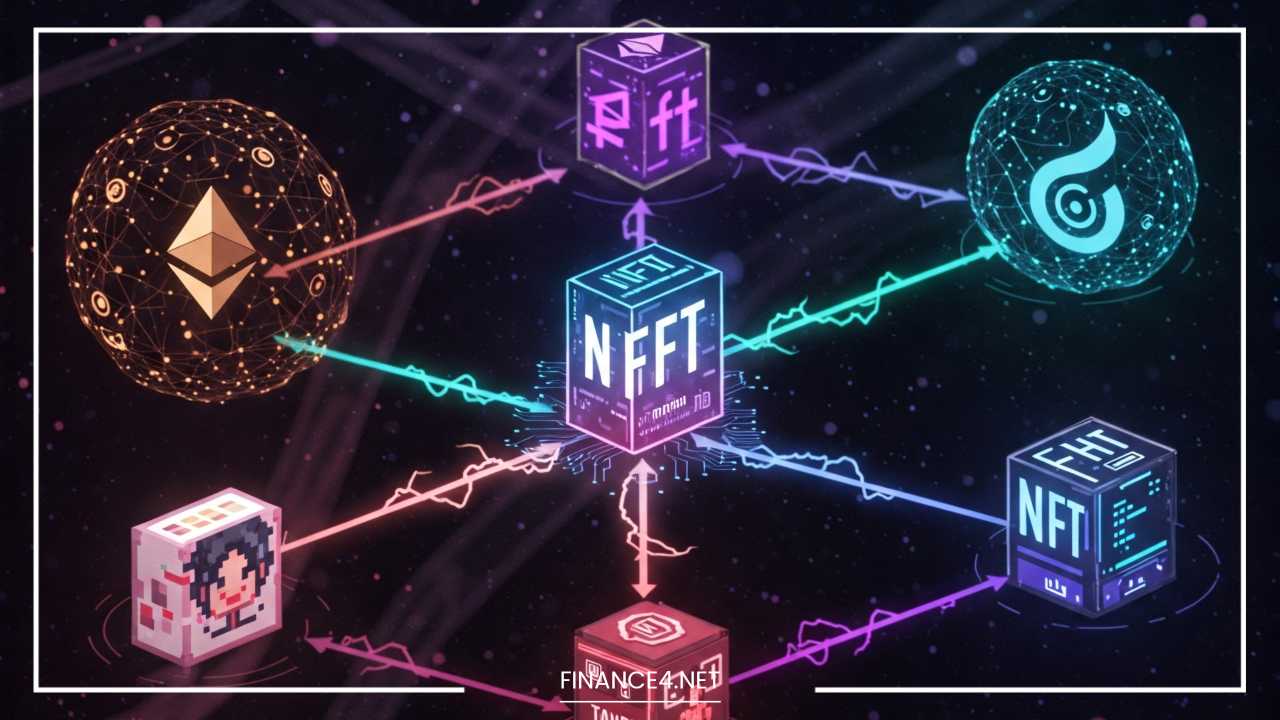
Blockchains are inherently isolated. Bitcoin’s native BTC cannot directly participate in Ethereum’s DeFi ecosystem, nor can Ethereum’s ETH directly interact with Solana’s dApps. Wrapping acts as a bridge, allowing assets from one chain to become usable on another. For instance, Wrapped Bitcoin (WBTC) is an ERC-20 token that represents Bitcoin on the Ethereum blockchain, enabling BTC holders to engage with Ethereum’s vast array of DeFi protocols.
2. Enhanced Utility & Liquidity: Unleashing Dormant Value
Many native tokens, while valuable on their own chain, may lack the infrastructure or smart contract compatibility to participate in advanced DeFi activities like lending, borrowing, yield farming, or providing liquidity on decentralized exchanges (DEXs). By wrapping these tokens into a widely accepted standard (like ERC-20 on Ethereum or BEP-20 on BNB Smart Chain), their utility explodes. This unlocks liquidity and creates new avenues for earning yield that would otherwise be inaccessible.
3. Standardization: The Language of DeFi
Token standards, such as Ethereum’s ERC-20 or BNB Smart Chain’s BEP-20, provide a common language for smart contracts and applications. When a token is wrapped into one of these standards, it becomes instantly recognizable and compatible with countless wallets, exchanges, and DeFi protocols. This standardization simplifies integration and fosters a more cohesive ecosystem.
4. Bridging & Cross-Chain Transactions: Seamless Asset Movement
While “wrapping” often refers to a token standard conversion, it’s inextricably linked to “bridging.” Cross-chain bridges utilize wrapping mechanisms to facilitate the seamless transfer of assets between disparate blockchains. This allows users to move their capital to chains offering lower fees, faster transaction times, or access to specific dApps.
Common Methods of Wrapping and Unwrapping
The process of wrapping and unwrapping tokens can vary depending on the underlying asset, the target blockchain, and the user’s technical proficiency and risk tolerance.
1. Centralized Exchanges (CEXs): The Gateway for Many
For many new to crypto, CEXs like Binance, Coinbase, or Kraken offer the simplest path to wrapping and unwrapping. Users deposit a native token (e.g., BTC), and then, with a few clicks, can withdraw its wrapped counterpart (e.g., WBTC on Ethereum) directly to their self-custodial wallet.
- Pros: User-friendly interface, high liquidity, often integrated with fiat on/off-ramps.
- Cons: Custodial risk (you don’t control your private keys until withdrawal), KYC requirements, potential withdrawal fees that can be higher than on-chain gas. This method involves trusting the exchange to hold and mint the wrapped tokens.
2. Decentralized Bridges (Official/Native): Trust Minimized Transfers
These bridges are specifically designed to facilitate cross-chain asset transfers in a more decentralized manner. A prime example is the official WBTC bridge, which involves a network of custodians who mint and burn WBTC in response to user deposits and withdrawals of native BTC. Other examples include Polygon Bridge, Arbitrum Bridge, or Optimism Bridge for moving assets to their respective Layer 2 networks.
- How it works: Typically involves locking the native asset on the source chain via a smart contract and minting an equivalent wrapped asset on the destination chain. Unwrapping reverses this process.
- Pros: Reduced reliance on a single central entity, often more transparent with on-chain verification.
- Cons: Can be slower than CEX transfers, higher transaction fees (gas costs on both chains), and require a degree of technical understanding to navigate smart contract interfaces. The security of the bridge itself is paramount.
3. Liquidity Pool-Based Wrapping/Unwrapping (DEXs/AMMs): Instantaneous Swaps
For certain common pairs, like ETH and WETH on Ethereum, wrapping and unwrapping can be performed instantaneously via decentralized exchanges (DEXs) that utilize Automated Market Makers (AMMs). On Uniswap, for instance, you can simply swap your ETH for WETH (or vice versa).
- How it works: When you “wrap” ETH to WETH on Uniswap, you’re essentially interacting with the WETH smart contract directly, which deposits your ETH and mints WETH in return. This is often an internal smart contract call rather than a “swap” against a liquidity pool. For other assets, it might involve swapping a native asset for its wrapped version if there’s a well-liquidated pair.
- Pros: Instantaneous, decentralized, high liquidity for common pairs, no KYC.
- Cons: Slippage can occur if liquidity is low for less common pairs, and traditional AMM risks (like impermanent loss) are relevant if you’re providing liquidity, though less so for simple wrap/unwrap actions.
4. Wallet-Integrated Features: Convenience at Your Fingertips
Many popular self-custodial wallets, such as MetaMask, Ledger Live, and Trust Wallet, have integrated features for wrapping and unwrapping common tokens directly within their interfaces. For example, MetaMask often allows you to wrap ETH to WETH with a single click.
- Pros: Extreme convenience, enhanced security as you remain in control of your private keys.
- Cons: Limited to common token pairs (primarily the native gas token of the chain), and under the hood, these features often utilize a simplified interface to interact with the underlying smart contracts or bridges.
Advanced Strategies and Considerations for Wrapping
Navigating the world of wrapped tokens requires more than just knowing where the “wrap” button is. Strategic decisions can significantly impact security, cost, and efficiency.
1. Choosing the Right Bridge: A Critical Decision
Not all bridges are created equal. Selecting the appropriate bridge for your assets is paramount.
- Security Audits: Always prioritize bridges that have undergone rigorous and recent security audits by reputable firms. Bridge exploits are a recurring theme in blockchain security incidents, often resulting in massive losses.
- Decentralization versus Centralization: Consider the trust assumptions. Centralized bridges involve trusting a single entity, while decentralized bridges distribute trust across multiple validators or mechanisms. The more decentralized, the fewer single points of failure.
- Fee Structures: Analyze both the direct bridge fees and the underlying gas costs on both the source and destination chains. High network congestion can make bridging prohibitively expensive.
- Speed and Finality: How long will it take for your wrapped tokens to appear on the destination chain? Some bridges offer near-instant transfers, while others can take minutes or even hours, particularly during peak times.
- Liquidity on Destination Chain: Ensure there’s sufficient liquidity for the wrapped token on the chain you’re bridging to. Without it, you might find it difficult to swap or use your assets effectively.
2. Understanding Peg Mechanisms: The Foundation of Trust
The stability of a wrapped token relies entirely on its peg to the underlying asset. Understanding how this 1:1 peg is maintained is crucial.
- Collateralization: Most robust wrapped tokens are backed by an equivalent amount of the underlying native asset held in reserve. For WBTC, custodians hold native BTC. For ETH to WETH, ETH is locked in a smart contract. Over-collateralization can add an extra layer of security.
- Arbitrage: Market participants play a vital role in maintaining the peg through arbitrage. If the wrapped token de-pegs slightly (e.g., WBTC trades at $0.999 BTC), arbitrageurs will buy it cheaply and redeem it for native BTC, profiting from the difference and pushing the peg back to 1:1.
- Cautionary Tales: While less common for simple wrapped tokens like WBTC or WETH, the algorithmic stablecoin UST’s de-pegging demonstrated the fragility of pegs not backed by sufficient collateral or robust mechanisms. Always verify the backing of any wrapped asset you use.
3. Tax Implications: A Complex Landscape
The act of wrapping and unwrapping tokens can have significant tax implications depending on your jurisdiction. In some regions, it may be considered a taxable event, triggering capital gains or losses. Similarly, using wrapped tokens in DeFi activities like lending or yield farming often creates taxable income events.
- Crucial Advice: Always consult with a qualified tax professional who specializes in cryptocurrency. Tax laws are rapidly evolving, and misinterpretations can lead to penalties. Keep meticulous records of all wrapping, unwrapping, and DeFi transactions.
4. Security Best Practices: Vigilance is Key
The interconnectedness of wrapped tokens and bridges also introduces new security vulnerabilities.
- Verify Contract Addresses: Always double-check the contract address of the wrapped token you’re interacting with. Scammers often create fake versions to trick users. Use reputable sources like CoinMarketCap, CoinGecko, or the official project website.
- Beware of Phishing: Phishing scams targeting bridge users are common. Always use official links and bookmarks, and never click on suspicious ads or emails.
- Understand the Custody Model: Know who (or what) holds your underlying assets. Is it a centralized custodian, a multi-sig smart contract, or a fully decentralized mechanism?
- Small Test Transactions: For large transfers, especially when using a new bridge or service, perform a small test transaction first to ensure everything works as expected before committing your full amount.
The Art of Unwrapping: When and How to Revert
Unwrapping tokens is the reverse process of converting a wrapped token back into its native form. While often mirroring the wrapping methods, strategic considerations remain important.
When to Unwrap:
- To Access Native Utility: If you need to participate in native staking, governance, or specific dApps only available on the original blockchain, unwrapping is necessary.
- Selling on Specific Exchanges: Some exchanges might only list the native version of a token, requiring you to unwrap before selling.
- Rebalancing Portfolio: You might unwrap assets to consolidate them on a preferred chain or to rebalance your overall portfolio strategy.
- Security Concerns: If a wrapped token or its underlying peg mechanism shows signs of instability or vulnerability, unwrapping and returning to the native asset might be a prudent risk management step.
Methods Mirroring Wrapping (with nuances):
- Centralized Exchanges: Often the most straightforward way to unwrap. Deposit your wrapped token, and withdraw the native equivalent.
- Decentralized Bridges: The same bridge used for wrapping will typically have a reverse function to send assets back to their original chain. This requires navigating the bridge’s interface, connecting your wallet, and confirming transactions on both chains.
- DEX Swaps: For common pairs like WETH/ETH, a simple swap on a DEX will convert WETH back to ETH. For other wrapped assets, you might swap the wrapped token for another asset, then use a bridge or CEX to acquire the native token.
Considerations for Unwrapping:
- Fees: Unwrapping incurs transaction fees (gas) on both the destination and source chains, plus any bridge-specific fees. Factor these into your decision.
- Time: Bridging back can take time, similar to the wrapping process. Plan accordingly, especially if you need immediate access to your native assets.
- Market Conditions: If you’re using DEX swaps, consider slippage, particularly if you’re unwrapping a large amount or if liquidity is thin.
- Security: The same security best practices apply. Verify addresses, use official links, and confirm all transaction details.
Emerging Trends and the Future of Wrapping
The landscape of interoperability is rapidly evolving, with new technologies and approaches constantly emerging that will shape the future of token wrapping:
- Layer-2 Solutions: Optimistic and ZK rollups on Ethereum (e.g., Arbitrum, Optimism, zkSync) are significantly reducing the need for cross-chain wrapping between Layer 1 and Layer 2 for assets already on Ethereum. Instead, assets are “bridged” directly to the L2, inheriting its security.
- Interoperability Protocols: Projects like LayerZero, Wormhole (post-recovery, with enhanced security), and IBC (Inter-Blockchain Communication) are moving beyond simple asset wrapping. They aim to enable more native, arbitrary message passing between chains, potentially allowing dApps on one chain to interact directly with dApps or assets on another without a wrapped token intermediary. This promises a more seamless and integrated multi-chain experience.
- Account Abstraction: This ongoing development, particularly on Ethereum, could abstract away many of the complexities of wallet management and token standards. It might simplify how users interact with wrapped tokens, making the process less technical and more intuitive.
- Cross-Chain DeFi: A growing number of DeFi protocols are being built to natively support assets from multiple chains, reducing the constant need for users to wrap and unwrap assets themselves. This creates a more fluid user experience within the DeFi ecosystem.
Final Thoughts
Token wrapping and unwrapping are more than just technical processes; they are strategic maneuvers crucial for navigating the complex and interconnected world of blockchain. By understanding the underlying mechanisms, recognizing the diverse methods available, and diligently adhering to security best practices, users can unlock enhanced utility for their digital assets, participate more broadly in DeFi, and efficiently manage their multi-chain portfolios.
As the blockchain ecosystem continues its rapid evolution, so too will the methods and nuances of interoperability, demanding continuous learning and adaptation from every participant. The future promises an even more seamless and integrated experience, but for now, mastering the art of wrapping and unwrapping remains a vital skill for the discerning crypto enthusiast.