Top NFT Aggregator Sites
 by
by 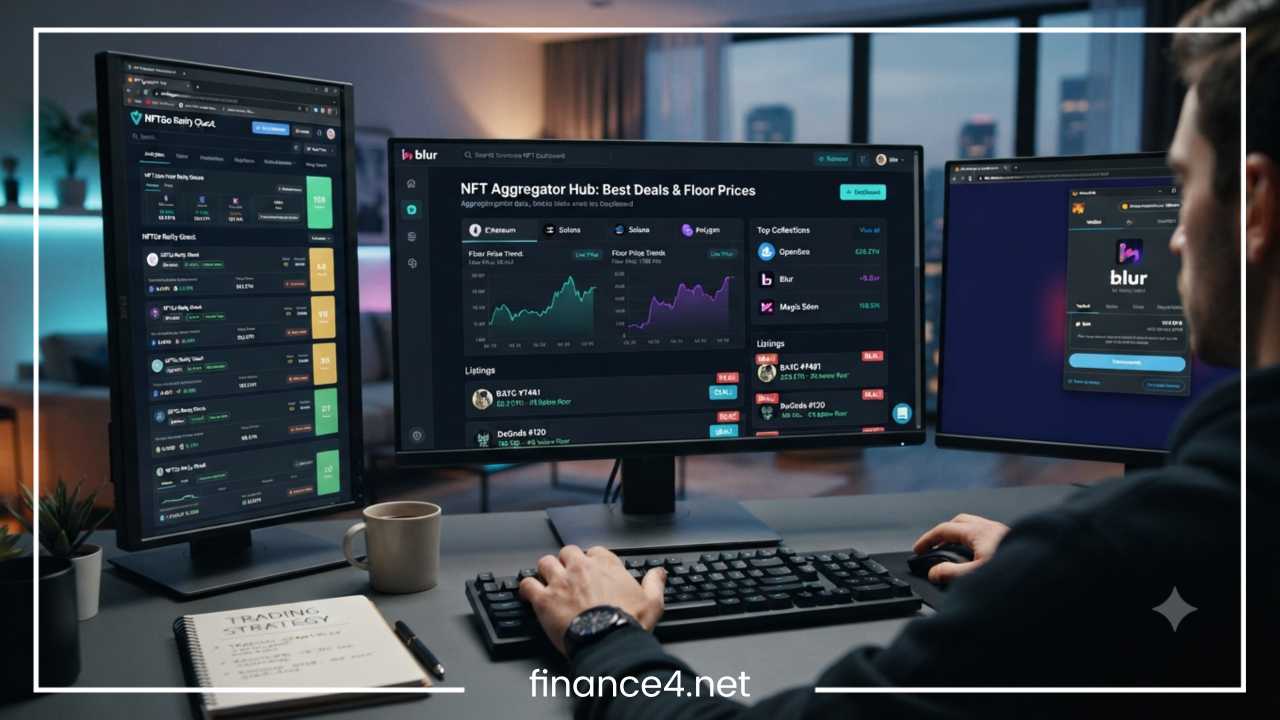
Top NFT Aggregator Sites for Finding the Best NFT Deals
The digital asset ecosystem has evolved into a vast network of decentralized networks and standalone platforms. In the early days of non-fungible tokens, collectors only had to monitor one or two centralized venues to keep track of new mints, floor prices, and trending collections. However, the explosive proliferation of specialized creators and independent marketplaces has fragmented the digital collectible landscape. Today, a single digital asset collection might have active listings spread across half a dozen platforms simultaneously, with disparate prices, varying transaction fees, and distinct listing timelines.
This fragmentation presents a significant challenge for collectors, liquidity providers, and casual traders alike. Manually navigating multiple websites to find the absolute lowest price or a specific rare trait is tedious and inefficient. To solve this problem, dedicated platforms known as non-fungible token aggregators have emerged as an essential tool within the Web3 infrastructure.
Instead of manually checking dozens of marketplaces, these specialized aggregators bring listings, prices, analytics, and deep market insights into one centralized dashboard. They offer users an efficient bird’s-eye view of total market liquidity, enabling them to discover lower prices, evaluate asset rarity, perform cross-market comparisons, and monitor trending digital collections in real time. For anyone looking to maximize capital efficiency and secure the absolute best deals, utilizing an aggregator is no longer an optional strategy; it is a foundational necessity.
What Is an NFT Aggregator?
An NFT aggregator is a specialized web platform or decentralized application that compiles, indexes, and presents real-time data and listings from multiple independent marketplaces into a single user interface. Rather than operating exclusively as an isolated storefront where users only trade items deposited within its native smart contracts, an aggregator acts as a search engine and fulfillment layer for the entire digital asset economy.
To understand the core utility of these platforms, it is helpful to look at the differences between the primary components of the modern Web3 commerce ecosystem:
-
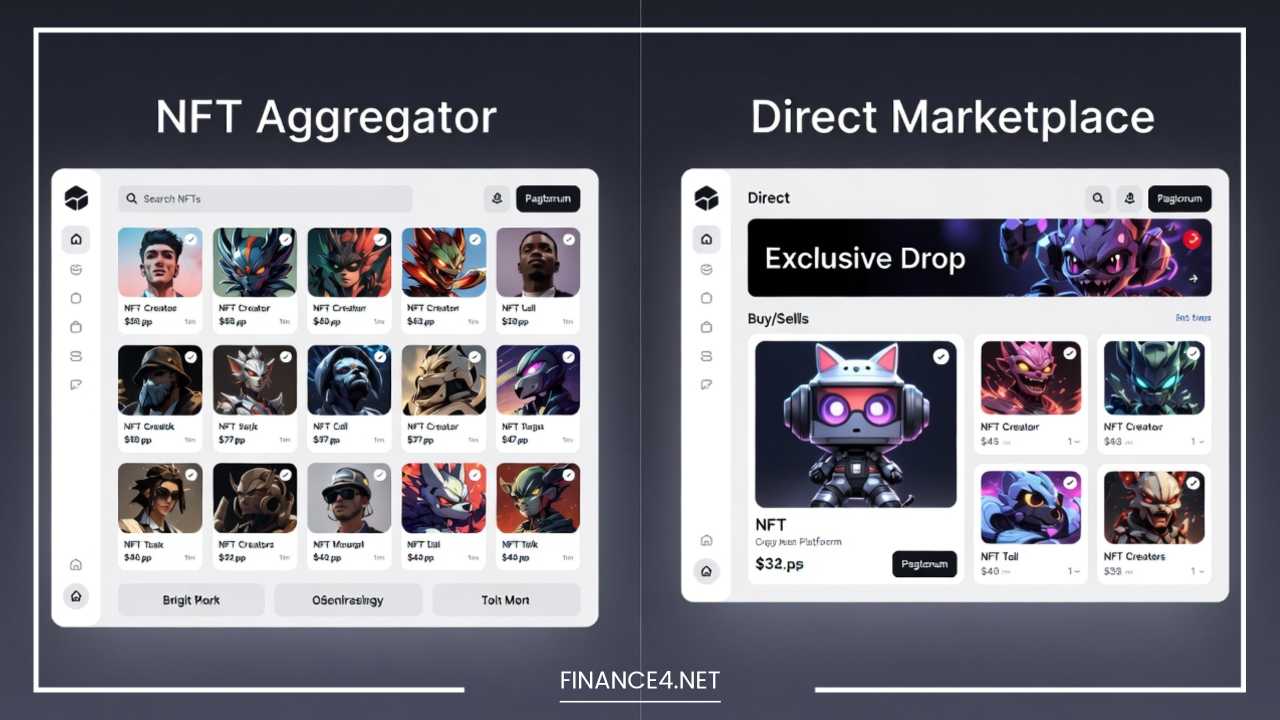
NFT Marketplace: A direct storefront where creators and collectors mint, list, buy, and sell digital assets. Transactions occur directly through the marketplace’s proprietary smart contracts. Examples include standalone platforms where primary sales and peer-to-peer secondary trading take place.
-
NFT Aggregator: A unified engine that pulls listing data from a multitude of independent marketplaces. It allows users to compare prices across different sites and execute single or bulk purchases across multiple distinct platforms simultaneously using an optimized, overarching smart contract routing system.
-
NFT Analytics Platform: A data-driven dashboard focused primarily on historical data, whale wallet tracking, macroeconomic volume trends, and on-chain forensics. While analytics tools help evaluate market health, they do not always feature the integrated transaction fulfillment layers that characterize a true aggregator.
Aggregators rely on automated software routines to index blockchain data continuously. By tapping directly into the public APIs of various independent marketplaces and monitoring smart contract events on underlying ledgers, the aggregator constructs a comprehensive, live database of every active listing.
When a user initiates a purchase through an aggregator, the platform utilizes advanced routing smart contracts to batch transactions. This means a buyer can purchase five tokens listed on three separate marketplaces in a single transaction sequence. This cross-platform interoperability effectively eliminates structural silos, smoothing out pricing inefficiencies across the decentralized web.
Why Use NFT Aggregator Sites?
The shift from browsing individual marketplaces to utilizing dedicated aggregator sites reflects the broader maturity of Web3 trading. Experienced collectors and casual participants use these platforms to unlock several core operational advantages.
Find Better NFT Deals
Because different marketplaces enforce distinct creator royalty structures, taker fees, and platform incentives, sellers frequently list identical tokens at varying prices across different websites. An aggregator allows buyers to immediately spot price discrepancies. By presenting every active listing side by side, these platforms make it simple to identify discounted items or motivated sellers who have drastically lowered their asking prices on alternative venues.
Save Time
Manually executing a search across half a dozen separate platforms involves keeping multiple tabs open, connecting Web3 wallets to various domains, and manually recalculating price points. Aggregators eliminate this administrative overhead. Collectors can search through thousands of digital assets, sort by specific attributes, and analyze historical data streams from a single, unified dashboard.
Discover New Collections
Staying ahead of market trends requires a constant pulse on ecosystem activity. Aggregators include global dashboards highlighting trending collections, upcoming mint schedules, and rapid spikes in trading volume. This global overview makes it much easier to detect organic community accumulation before individual project floors begin to climb.
Analyze Market Trends
Smart asset acquisition relies heavily on objective metrics rather than speculative hype. Aggregators compile comprehensive data sets, including historical floor prices, total cross-platform trading volumes, wallet distribution metrics, and detailed sales histories. This analytical depth allows buyers to differentiate between genuine market demand and short-term liquidity manipulation.
Reduce Research Effort
By centralizing fragmented data points, aggregators streamline the investigative phase of digital asset acquisition. Users can quickly cross-reference a token’s price history against market averages, evaluate seller trends, and confirm asset valuations without cross-checking multiple platforms, leading to better, faster decision-making for collectors and investors alike.
Key Features to Look for in an NFT Aggregator
Not all aggregator platforms provide the same level of functionality or data fidelity. When selecting a primary portal for market discovery, users should look for several essential features that ensure a comprehensive and reliable experience.
Multi-Marketplace Support
A top-tier aggregator must pull data from an extensive selection of protocols. This includes major Ethereum-based ecosystems, high-throughput alternatives like Solana marketplaces, and scaling frameworks like Polygon and other prominent Layer-2 chains. If an aggregator ignores niche or chain-specific marketplaces, it cannot guarantee that you are viewing the true lowest global price for an asset.
Advanced Search Filters
As collections grow to encompass tens of thousands of individual items, finding a specific asset becomes incredibly difficult without powerful refinement tools. Essential filtering features include:
-
Price Range and Payment Currency: Sorting listings by minimum and maximum thresholds.
-
Blockchain Networks: Isolating assets based on their native ledger.
-
Collection and Specific Traits: Finding tokens that feature precise aesthetic or functional elements.
-
Rarity Tiering: Isolating items that fall within top-percentage brackets of statistical scarcity.
Real-Time Price Tracking
Digital asset markets operate continuously, and high-demand listings can be bought within seconds of appearing on the blockchain. Successful aggregators utilize web sockets and ultra-fast indexers to provide instant updates on floor price changes, live listing notifications, and automated price alerts. This ensures traders can react to sudden sell-offs or flash sales before the broader public notice them.
NFT Rarity Analysis
An asset’s value is often directly linked to the statistical scarcity of its combined traits. Top platforms integrate built-in rarity calculations that assess individual trait rankings and assign a comprehensive rarity score to each item. Having this information embedded directly within the listing interface prevents buyers from overpaying for common items and helps them quickly spot mispriced rare assets.
Portfolio Tracking
Managing a diverse collection across multiple crypto wallet addresses requires robust tracking interfaces. Modern aggregators include personalized portfolio views that monitor connected wallets, provide a clean overview of current digital holdings, and deliver real-time calculations regarding realized and unrealized profit-and-loss metrics based on current global floor prices.
Security Features
The open-nature of Web3 means malicious actors frequently deploy fraudulent smart contracts or copycat collections to deceive buyers. Excellent aggregators implement automated security indicators, clear verification badges for authentic projects, proactive scam detection warnings, and public contract verification displays. These safety mechanisms protect users from accidentally purchasing counterfeit items.
Top NFT Aggregator Sites for Finding the Best NFT Deals
The competitive landscape of digital asset aggregation features specialized platforms built for retail collectors, hyper-efficient day traders, and multi-chain enthusiasts. Below is an evaluation of the leading platforms helping users find optimal deals across the space.
OpenSea and OpenSea Pro
OpenSea has long served as a cornerstone of the digital asset ecosystem, establishing a highly visible and accessible marketplace platform for retail collectors. While its standard interface focuses on discovery, visual curation, and an approachable user experience across multiple chains, its specialized professional trading engine, OpenSea Pro (developed out of its acquisition of the early aggregator Gem.xyz), serves as a power tool for active traders.
-
Supported Blockchains: Ethereum, Polygon, Solana, Arbitrum, Optimism, Base, and a growing roster of alternative networks.
-
Key Features: OpenSea Pro integrates live, multi-market data feeds from over 170 distinct execution venues. It offers advanced sweeping tools that allow users to buy up to 100 digital tokens in a single transaction sequence, customized gas fee optimization controls, real-time trait filtering, and dual interface modes tailored for aesthetic browsing or heavy statistical analysis.
-
Best For: Casual collectors seeking a vast directory via the main site, alongside advanced high-frequency flippers looking for deep cross-market depth via the Pro platform.
Pros and Cons
-
Pro: Gives users access to an exceptionally large pool of aggregated cross-platform listings.
-
Pro: Provides highly optimized bulk order routing that saves on network gas fees.
-
Con: The comprehensive Pro data dashboard can feel overwhelming for complete beginners.
-
Con: Advanced trading features focus heavily on mainnet Ethereum listings.
Blur
Blur disrupted the digital collectible market by designing an ecosystem optimized specifically for professional traders and institutional liquidity providers. Operating simultaneously as a zero-fee marketplace and a high-speed data aggregator, the platform prioritizes rapid execution, deep order book mechanics, and programmatic bidding incentives over traditional gallery aesthetics.
-
Supported Blockchains: Ethereum and Layer-2 scaling ecosystems like Blast.
-
Key Features: Real-time data feeds that update every fraction of a second, an interactive market depth chart resembling traditional financial order books, automated bulk listing sweeps, and integrated lending protocols that allow users to borrow liquidity using their digital collections as collateral.
-
Best For: Professional momentum traders, volume flippers, and advanced DeFi users who treat digital assets as sophisticated financial instruments.
Pros and Cons
-
Pro: Zero marketplace transaction fees allow traders to preserve their profit margins.
-
Pro: Lightning-fast search, sweep, and execution infrastructure reduces slippage during high-volume events.
-
Con: Interface lacks creative descriptions and large-scale imagery, making it unappealing for fine-art collectors.
-
Con: Bidding incentive systems can sometimes create artificial volume patterns.
OKX NFT Marketplace
As part of its expansive Web3 self-custody ecosystem, the OKX NFT Marketplace functions as a robust multi-chain aggregator that pulls active listings from major platforms. It bridges the gap between traditional cryptocurrency trading and decentralized web applications by embedding an open asset aggregator directly within a secure, multi-chain wallet interface.
-
Supported Blockchains: Ethereum, Solana, Bitcoin (including Ordinals and Runes), Polygon, BNB Chain, Avalanche, and dozens of EVM-compatible networks.
-
Key Features: Comprehensive support for Bitcoin-based digital artifacts, zero platform service fees, direct multi-chain listing comparisons, and centralized access to primary launchpads alongside secondary market liquidity pools.
-
Best For: Multi-chain collectors who want a single portal to trade assets across fundamentally different blockchain architectures.
Pros and Cons
-
Pro: Outstanding cross-chain support, particularly for the expanding Bitcoin digital artifact sector.
-
Pro: Completely free of additional platform-level taker or maker fees.
-
Con: Deep integration with the specific OKX wallet application makes it less seamless for users committed to other browser extensions.
Magic Eden
Originally launched as the premier trading venue for the Solana ecosystem, Magic Eden expanded its architecture to become an influential multi-chain powerhouse. The platform combines a polished user interface with an aggregator layer, serving as a hub for gaming assets, profile picture collections, and digital culture across multiple distinct blockchains.
-
Supported Blockchains: Solana, Bitcoin, Ethereum, Polygon, Base, Arbitrum, and BNB Chain.
-
Key Features: Specialized gaming hubs with dedicated performance metrics, integrated cross-chain swapping facilities, a robust project minting launchpad, and streamlined data views that allow quick switching between different networks.
-
Best For: Web3 gamers, cross-chain collectors, and digital asset enthusiasts looking for a highly curated launchpad experience combined with broad secondary market depth.
Pros and Cons
-
Pro: Undisputed hub for Solana-based collections and early gaming initiatives.
-
Pro: Clean and approachable interface that perfectly balances artistic presentation with useful market metrics.
-
Con: Transaction fees hover around 2% on certain native chains, which is higher than zero-fee alternatives.
Rarible
Rarible stands out as a community-centered, open-source protocol and marketplace ecosystem that emphasizes decentralized governance and creator protection. It aggregates listings from across the Web3 space while ensuring that its underlying infrastructure supports flexible creator-defined loyalty options and decentralized token rewards.
-
Supported Blockchains: Ethereum, Polygon, Immutable X, Arbitrum, and Base.
-
Key Features: Aggregated cross-platform listings, robust lazy-minting tools for creators, a community-governed voting model powered by native tokens, and bulk purchasing functionality.
-
Best For: Purpose-driven collectors and independent creators who want to prioritize decentralized web ethics and community ownership.
Pros and Cons
-
Pro: Strong commitment to preserving creator royalties and supporting decentralization.
-
Pro: Highly customizable storefront creation infrastructure for independent brands.
-
Con: Lower native organic trading volume compared to primary industry giants.
NFT Price Tracking & Analytics Platforms
When executing thorough due diligence, experienced participants frequently pair transaction aggregators with pure data analysis platforms. Tools like DappRadar and Nansen provide macro-level market overviews that help contextualize the individual deals found on transactional dashboards.
-
DappRadar: Functions as a global inventory tracking engine for decentralized applications. It provides high-level data regarding cross-marketplace volume comparisons, active wallet addresses, and macroscopic industry distributions, allowing collectors to identify which platforms currently hold authentic organic interest.
-
Nansen: A premium on-chain data analytics platform famous for labeling wallet addresses. It tracks “Smart Money” movements, allowing users to see exactly when funds managed by hedge funds, high-net-worth whales, or historically profitable traders flow into specific collections.
-
Best For: Serious researchers and institutional capital allocators who want to run rigorous macroeconomic analyses before deploying significant funds.
NFT Aggregators vs NFT Marketplaces: What Is the Difference?
While both platforms allow you to acquire digital assets, their underlying operational models, technical architectures, and core value propositions serve entirely different functions.
| Feature | NFT Aggregator | NFT Marketplace |
| Lists NFTs from multiple platforms | Yes | Usually no |
| Price comparison | Yes | Limited |
| Buy NFTs directly | Sometimes | Yes |
| Market analytics | Often available | Limited |
| Best for | Research & deals | Buying/selling |
How to Find the Best NFT Deals Using Aggregators
Simply opening an aggregator site is not enough to guarantee a great deal. Finding hidden value across the digital asset space requires a systematic, analytical approach to browsing.
Compare Floor Prices
Sellers often cross-list their assets across multiple marketplaces simultaneously but fail to update their asking prices uniformly when market conditions shift. When you look at a collection on an aggregator, check the original listing source of the cheapest tokens. You will often find that an asset listed on a less prominent marketplace is priced significantly lower than an identical asset on a primary venue due to localized liquidity differences.
Analyze Trading Volume
A low floor price can be a deceptive indicator if a collection suffers from non-existent market interest. High trading volume indicates an active, highly liquid market where assets can be quickly bought and resold with minimal slippage. Conversely, low trading volume suggests a stagnant market, meaning that even if you buy an item at a deep discount, you may struggle to find a willing buyer if you decide to exit your position down the road.
Check NFT Rarity
One of the most effective ways to secure a great deal is by spotting “floor-priced rares.” This situation occurs when an inexperienced seller lists an asset with highly scarce, visually distinct traits at the baseline floor price meant for standard, common assets. By utilizing the integrated rarity filters on an aggregator, you can sort a collection to display items by their structural rarity ranking and spot instances where rare attributes are priced closely to common assets.
Track Wallet Activity
Successful collectors leave a clear trail of verifiable transactions on the public ledger. Use analytics tools and aggregator dashboards to follow the wallet activity of historically profitable collectors. By observing when these institutional entities or experienced whales begin accumulating items from a specific unheralded collection, you can uncover promising deals before the broader retail market catches wind of the movement.
Set Price Alerts
High-velocity digital asset markets shift rapidly. If you are targetting a premium project but find the current entry costs restrictive, configure automated price alerts on your chosen aggregator. Setting a threshold slightly below the current market floor ensures that you receive an instant notification the moment a motivated seller executes a rapid liquidation, allowing you to swoop in and claim the asset before others can react.
Verify NFT Authenticity
The decentralized web remains targets for malicious copycat deployments. Before finalizing any transaction through an aggregator, always verify the official smart contract address against the project’s primary documentation. Check for verified platform badges, audit the historical creator mint records, and double-check that you are interacting with the authentic, recognized collection deployment rather than a malicious counterfeit designed to mirror the original artwork.
Are NFT Aggregator Sites Safe?
Using an aggregator introduces distinct operational benefits, but navigating smart contract applications always requires a clear understanding of security principles. Users must remain vigilant against several structural and environmental risks.
Fake NFT Collections
Because aggregators automatically pull data from across the open web, malicious actors sometimes exploit these systems by generating fraudulent smart contracts that mimic the metadata and visual assets of premium, high-value collections. If an aggregator’s internal automated curation systems experience latency, these copycat listings might briefly appear alongside authentic assets.
Wallet Security Risks
Interacting with decentralized web tools requires connecting an active cryptocurrency wallet. Malicious actors frequently establish deceptive phishing sites that mirror the exact visual interface of popular aggregators. If a user inadvertently connects their wallet to a fraudulent web domain, they risk signing malicious transactions that can drain their entire digital inventory.
Smart Contract Risks
Aggregators utilize custom smart contracts to batch buy orders and route transactions through disparate external protocols. While premium platforms subject their codebases to rigorous external smart contract security audits, any code execution layer inherently carries an underlying risk of hidden vulnerabilities or unexpected exploit vectors.
Market Volatility
The fundamental valuation of digital collectibles is highly speculative and subject to extreme, rapid fluctuations. Aggregators show live pricing data, but during periods of intense network congestion or macro-market liquidation events, listed asset floor values can collapse or spike within minutes, meaning past transaction prices offer no long-term stability guarantees.
Essential Security Checklist
-
Utilize Hardware Wallets: Always secure high-value long-term assets using a cold-storage hardware device that requires physical physical button confirmations for all transaction requests.
-
Verify Web Domains: Carefully examine browser URLs before authorizing any cryptographic signatures, and bookmark official access links to avoid search engine ad-spoofing scams.
-
Audit Smart Contract Permissions: Periodically inspect and revoke unnecessary open-ended smart contract token allowances using trusted blockchain explorer tools.
Future of NFT Aggregators
As the underlying technology of the decentralized web matures, aggregator platforms will transform from simple listing indices into sophisticated, automated execution environments.
We can anticipate a significant integration of artificial intelligence engines designed to deliver automated valuation metrics. These tools will continuously evaluate individual asset traits, historical ownership records, and macro-market trends to provide real-time appraisals, flagging instantly when an asset falls below its true mathematical value.
Furthermore, the continuing expansion of Layer-2 scaling ecosystems will drive the necessity for flawless cross-chain search and instantaneous liquidity routing. Future aggregators will allow collectors to seamlessly swap an asset native to Solana for an asset native to an Ethereum scaling network in a single transaction sequence, completely abstracting away the complex bridging steps that currently limit mainstream adoption.
As digital assets expand beyond simple profile pictures into the realms of virtual gaming worlds, tokenized real-world real estate, and digital IP rights, aggregators will serve as the unified, highly advanced search interfaces powering global Web3 commerce.
Final Thoughts
Navigating the modern digital collectible ecosystem without a reliable aggregator is like searching the open web without a modern search engine. As listings continue to fragment across an expanding array of layer-two solutions, cross-chain hubs, and independent creator storefronts, these platforms provide the clarity and efficiency needed to make informed collection choices.
By unifying disjointed pricing data, delivering deep statistical rarity breakdowns, and offering gas-optimized bulk transaction tools, aggregators empower collectors to find excellent deals while protecting their underlying capital efficiency.
Your choice of a primary portal depends on your specific goals: casual collectors will naturally value the approachability and extensive multi-chain footprint of platforms like OpenSea or Magic Eden, while high-velocity flippers will favor the speed and order-book depth of Blur. Explore multiple NFT aggregator platforms and compare features before making your next digital asset purchase.
Frequently Asked Questions
Which NFT aggregator platforms support cross-chain trading?
Several leading NFT aggregator platforms offer robust multi-chain and cross-chain tracking capabilities. OpenSea Pro, Magic Eden, and the OKX NFT Marketplace allow users to monitor and trade digital assets across fundamentally different networks—such as Ethereum, Solana, Bitcoin, Polygon, and various Layer-2 scaling solutions like Base and Arbitrum—from a unified interface.
How do I use an NFT price tracking site to find mispriced assets?
To find mispriced digital assets, you should utilize an aggregator’s integrated rarity filters and sort functions. By setting the view to display items by “Rarity Rank” rather than just the lowest absolute price, you can quickly spot instances where rare, high-tier attributes are listed at or near the baseline floor price by motivated or inexperienced sellers.
What is the best NFT deal finder website for professional traders?
Blur is widely considered the top platform for high-frequency professional traders due to its zero-fee architecture, real-time data streaming feeds, and advanced market depth charts. For traders who prefer a broader multi-chain ecosystem alongside advanced bulk-sweeping tools, OpenSea Pro serves as an incredibly powerful alternative.
Are NFT marketplace comparison tools safe for connecting Web3 wallets?
Established, heavily audited aggregator platforms are generally safe, but they carry inherent smart contract risks. To protect your digital assets when using these tools, always verify that you are on the official web domain to avoid phishing scams, use a hardware wallet for high-value collections, and regularly revoke open-ended contract permissions using blockchain verification tools.
How do NFT analytics platforms calculate individual trait rarity scores?
NFT analytics tools determine rarity scores using statistical formulas that evaluate how often a specific attribute appears across an entire collection. The platform calculates the percentage frequency of each individual trait on an asset, converts those metrics into a statistical scarcity score, and sums them up to assign a definitive global rarity rank to the token.
Can I buy multiple digital assets at once using bulk sweeping features?
Yes, one of the primary benefits of using top aggregator engines is the ability to execute bulk purchases, often referred to as “sweeping.” Platforms like Blur and OpenSea Pro allow you to select dozens of tokens listed across entirely different independent marketplaces and purchase them simultaneously in a single transaction sequence, drastically minimizing your network gas fees.