Must-Have NFT Portfolio Tools
 by
by 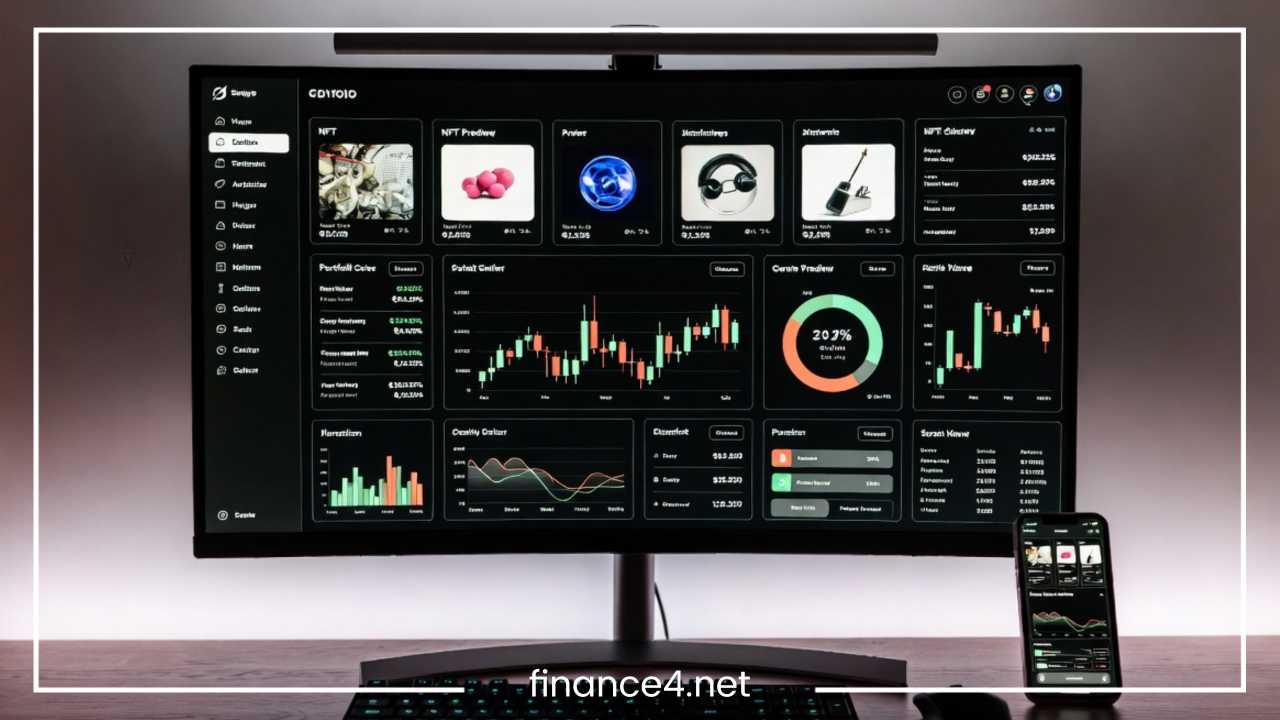
Must-Have NFT Portfolio Tools | Track, Manage & Optimize Your NFTs
The rapid evolution of non-fungible tokens (NFTs) has transformed digital property rights, creating multi-billion-dollar markets spanning digital art, virtual real estate, gaming assets, and unique brand memberships. However, as the ecosystem expands across various Layer 1 and Layer 2 blockchains, collectors face a significant challenge: fragmentation. An active collector might hold unique assets across multiple software wallets, hardware devices, and distinct blockchain networks like Ethereum, Solana, Base, and Polygon. Managing these digital holdings through manual inputs or decentralized marketplace profiles becomes highly inefficient and introduces significant room for error.
Portfolio management is no longer just a luxury for elite institutional traders; it is a fundamental necessity for anyone seeking to protect capital and spot hidden market opportunities. When digital assets are scattered across diverse environments, evaluating total net worth, tracking historical entry values, and monitoring active listings requires constant manual overhead. Without cohesive monitoring systems, collectors risk missing valuable airdrops, failing to track floor price corrections, or losing assets to security vulnerabilities.
Dedicated NFT portfolio tools solve this widespread problem by consolidating fragmented data streams into unified, real-time dashboards. These specialized software platforms connect directly to public blockchain ledger addresses, pulling metadata, transaction records, and market values into a central interface. By utilizing automated analytics tools, collectors can move past speculative guesswork and build structured, data-driven approaches to tracking, managing, and optimizing their growing digital art and utility asset positions.
What Is an NFT Portfolio?
An NFT portfolio is a comprehensive, aggregated collection of non-fungible tokens held by an individual or entity across multiple cryptographic wallet addresses and distinct blockchain ecosystems. Unlike standard cryptocurrency holdings, which are fungible and uniform, each item within an NFT portfolio is entirely unique, carrying its own historical ownership data, smart contract constraints, metadata characteristics, and fluctuating market liquidity.
Modern collections have grown far beyond basic digital pictures to include a diverse variety of specialized digital tokens:
-
Art NFTs: High-value 1-of-1 digital masterpieces or generative algorithmic art collections where value relies heavily on the creator’s cultural influence and community demand.
-
Collectibles: Profile picture (PFP) projects built around community access, brand recognition, and shared intellectual property rights.
-
Gaming Assets: In-game items, virtual characters, functional weapons, and digital land parcels that provide interactive utility within specific decentralized applications and virtual worlds.
-
Utility NFTs: Dynamic access passes, software subscriptions, event ticketing tokens, and real-world asset (RWA) digital twins that guarantee physical or digital permissions to the holder.
Managing an NFT portfolio introduces unique technical layers that do not exist in traditional, fungible crypto-only portfolios. While a standard crypto asset like Ethereum or Bitcoin has a single global market price across major exchanges, an NFT’s valuation is highly complex and individualized. Two tokens from the exact same digital collection can have vastly different market values based on specific visual traits, historical ownership, or rarity scores. This asset-level differentiation requires portfolio tools to analyze contract-specific metadata alongside macro-market floor prices to provide accurate valuation estimates.
Why NFT Portfolio Management Matters
The inherent nature of non-fungible token markets presents unique operational challenges that make structured, data-backed portfolio tracking indispensable. The primary market drivers—marked by high price volatility and low asset liquidity—mean that market conditions can shift rapidly within hours. Unlike fungible tokens that execute instantly via automated market makers, selling an NFT relies on finding an individual buyer willing to pay a specific price for a unique asset. Active management tools give collectors the visibility needed to adjust listing parameters before market momentum shifts.
The operational complexity of managing modern Web3 portfolios further underscores the need for dedicated tooling:
| Operational Challenge | Risk Implication | Portfolio Tool Solution |
| Multi-Wallet Fragmentation | Loss of oversight, missed trends, and unorganized asset tracking. | Unified dashboard aggregating assets across cold, hot, and multi-signature addresses. |
| Multi-Chain Proliferation | Missing cross-chain movements, gas fee inflation, and blind spots on newer Layer 2s. | Real-time indexing across Ethereum, Polygon, Solana, Base, and alternative chains. |
| Trait and Rarity Variance | Underpricing a rare asset upon listing or overpaying for a common token. | Integrated metadata sniffers and real-time rarity scoring systems. |
| Tax Compliance & Bookkeeping | Severe legal liabilities, inaccurate capital gains tracking, and lost cost-basis data. | Automatic trade history parsing and structured capital gains accounting exports. |
| Malicious Security Exploits | Devastating wallet drains via compromised approval permissions or phishing links. | Active smart contract approval scanners and proactive security monitoring. |
Relying on emotional intuition instead of raw historical data is a frequent pitfall for retail collectors. When markets experience sharp sentiment drops, fear or excitement often leads to poor execution choices, such as panic-selling rare items or over-allocating funds to unverified generative projects. Utilizing a data-driven portfolio dashboard grounds trading actions in verifiable metrics, allowing collectors to optimize exit targets, track net asset values cleanly, and make objective entry decisions based on historical performance.
Key Features of NFT Portfolio Tools
To effectively navigate decentralized markets, a portfolio tracking utility must offer a comprehensive set of baseline capabilities. A truly useful management platform goes beyond simply scanning a public wallet address and displaying token images; it acts as an intelligent data layer that translates raw blockchain data into clean, actionable financial records.
The foundation of any robust tool relies on complete multi-wallet tracking and wide multi-chain support. A serious collector rarely relies on a single hot wallet. Portfolios are routinely split between hardware cold storage devices for long-term protection, multi-signature setups for collaborative assets, and browser extensions for daily minting operations. The platform must effortlessly aggregate these separate addresses across different networks, ensuring changes on an Ethereum Layer 1, a Base rollup, or a Solana network update simultaneously in a central hub.
Advanced analytics systems require the integration of several core data functionalities:
-
Real-Time Floor Price Tracking: Continuous scraping of major decentralized marketplaces to update the absolute lowest buy-in price for collections, protecting users from relying on stale cache data.
-
Rarity Scoring and Trait Analysis: Instant processing of on-chain metadata to highlight if a newly acquired token possesses scarce attributes that justify a premium over the current collection floor.
-
Profit and Loss (P&L) Tracking: Deep calculation engines that factor in initial mint costs, secondary purchase values, marketplace platform fees, and associated network gas fees to present an accurate return on investment (ROI).
-
Transaction History Aggregation: Clean formatting of chaotic block explorer data into human-readable logs showing transfers, historical burns, mints, and secondary sales.
-
Intelligent Alerts and Notifications: Immediate push alerts or webhook updates tracking sudden floor price crashes, unexpected listing activity, or wallet eligibility for token airdrops.
The ultimate utility of these features depends heavily on the user interface. While a desktop web dashboard is necessary for deep analytical research, custom custom charting, and preparing accounting records, responsive mobile app companions are crucial for monitoring volatile markets on the move. A balanced combination of both form factors ensures collectors maintain complete control over their digital assets at any time.
Types of NFT Portfolio Tools
The digital asset management software ecosystem contains several specialized product categories. While some platforms aim to be generalized hubs for all Web3 assets, others focus on highly specific niches like forensic security or programmatic marketplace execution. Understanding these distinctions helps collectors assemble the ideal software stack for their specific investment needs.
NFT Portfolio Trackers
These platforms focus primarily on high-level aggregation and clear asset visualization. Their main goal is to solve the multi-wallet fragmentation problem by allowing users to watch multiple public blockchain addresses simultaneously. These trackers excel at displaying current estimated valuations, historical cost bases, and visual galleries of entire collections without requiring users to share private keys or sign wallet transactions. They serve as an essential overview layer for monitoring overall net worth across separate positions.
NFT Analytics Platforms
Analytics platforms are engineered specifically for active traders, quantitative researchers, and high-frequency minters. Instead of monitoring a user’s personal holdings, these tools look outward at the broader market, tracking smart money wallet activity, whale accumulation trends, trading volume velocity, and real-time mint patterns. They provide deep, granular insight into contract code, historical marketplace listing depth, and momentum indicators, helping collectors spot undervalued assets before they reach mainstream notice.
Portfolio Management Dashboards
These comprehensive hubs track a collector’s entire on-chain footprint, blending fungible cryptocurrency balances, decentralized finance (DeFi) liquidity pools, staking rewards, and NFT holdings into a single financial overview. Management dashboards give users a holistic view of their complete Web3 net worth, making it easier to manage risk across different asset classes and maintain proper asset allocation between liquid cryptocurrencies and illiquid digital collectibles.
Trading and Marketplace Tools
Trading-focused tools prioritize immediate action and programmatic execution. Often built as trading terminals, these platforms integrate directly with major decentralized marketplace protocols, allowing users to execute bulk bidding strategies, list dozens of assets across separate markets in a single transaction, and snipe underpriced rare listings directly from live data feeds. They strip away heavy visual interfaces in favor of pure speed and raw execution efficiency.
Tax and Accounting Tools
Tax compliance software focuses entirely on financial accountability and regulatory reporting. These engines import historical wallet ledgers, map out every non-fungible transaction, and automatically calculate capital gains and losses based on local regulatory standards. By cleanly factoring in complex variables like fluctuating crypto values at the exact moment of a trade and adjusting for associated network gas costs, these platforms save collectors from hours of manual bookkeeping when filing financial reports.
Must-Have NFT Portfolio Tools
To construct an effective ecosystem tracking strategy, collectors must familiarize themselves with the premier production platforms leading the digital asset management landscape. Rather than relying on a single piece of software, experienced market participants often utilize a curated suite of tools, pairing broad tracking dashboards with hyper-focused analytics engines.
General Portfolio Trackers and Dashboards
For general, comprehensive wallet aggregation, platforms like CoinStats, DeBank, and Zerion offer exceptional utility. CoinStats excels at tracking assets across hundreds of centralized exchanges and decentralized wallets within a clean, user-friendly interface. It includes integrated functionality for generating basic capital gains and loss reports.
DeBank and Zerion provide unparalleled visibility into advanced on-chain positions. While DeBank maps out deep smart contract interactions across more than 50 distinct blockchain layers, Zerion offers a polished, mobile-first dashboard that unifies token balances, active DeFi staking positions, and visual NFT galleries. These tools are ideal for everyday collectors who need a clean, dependable overview of their total cross-chain net worth without managing multiple disconnected interfaces.
Deep Analytics and Market Intelligence Platforms
When market research and data precision take priority, Nansen, Dune Analytics, and CryptoSlam serve as the industry gold standards. Nansen provides premium, institutional-grade data, tracking high-net-worth whale wallets and labeling smart money movements so users can see where experienced capital is flowing in real time.
Dune Analytics offers open-source flexibility, allowing data analysts to write custom SQL queries and build free, public dashboards that track collection floor prices, marketplace volumes, and unique holder distributions. For broad market tracking, CryptoSlam provides comprehensive, cross-chain sales volume rankings, aggregate mint histories, and historical pricing data spanning dozens of distinct ecosystems, making it a vital resource for verifying authentic market demand.
Rarity Analysis and Specialized Tooling
For checking asset-specific traits and automating transactions, Rarity Sniper and Mintify provide critical advantages. Rarity Sniper acts as a massive community database for calculating trait scarcity instantly upon a project’s contract reveal, helping users spot underpriced rare tokens listed by sellers who missed the trait breakdown. Mintify operates as a high-speed multi-chain trading terminal, allowing advanced traders to analyze marketplace order books, track real-time listing feeds, and execute lightning-fast purchases across separate trading protocols from a single dashboard.
How to Choose the Right NFT Portfolio Tool
Selecting the proper asset tracking software depends heavily on aligning a tool’s capabilities with your specific investment style, technical background, and budget parameters. A retail collector focusing on long-term digital art preservation requires an entirely different software setup than a high-frequency trader flipping generative assets on fast Layer 2 rollups.
To determine the right tool, you should first categorize yourself as either a beginner collector or an advanced active trader. Beginner collectors should look for tools that offer multi-chain visual galleries, simple read-only wallet tracking, automated floor price alerts, and low-cost or free basic tiers. Examples of such tools include Zerion, CoinStats, and DeBank. Conversely, advanced traders should prioritize tools offering real-time metadata sniping, granular order book depth, whale wallet tracking APIs, and options for custom scripting. Tools suitable for this category include Nansen, Mintify, and Dune Analytics.
The first structural filter to evaluate is blockchain network compatibility. Before diving into a platform’s secondary feature list, ensure it fully indexes the specific chains where your assets live. A tool that provides exceptional data processing for Ethereum mainnet assets is virtually useless if your portfolio is primarily built around low-fee Solana collectibles or rapidly expanding Base projects.
Next, balance user interface simplicity against analytical depth. Beginners should prioritize clean layouts that emphasize asset security, basic profit and loss tracking, and clear floor price monitoring. Advanced users, conversely, should look for data-heavy terminals that offer developer APIs, raw transaction logs, custom charting options, and high-speed execution layers.
Finally, consider pricing tiers and inherent data security. Many trackers provide highly capable free versions, but gating features like real-time whale alerts or historical cost-basis analytics often requires premium monthly subscriptions. Never sacrifice security for features. The ideal tracking solution should operate on a read-only basis, requiring only your public wallet addresses to monitor positions. Avoid platforms that insist on importing private seed phrases or demand unnecessary smart contract transaction approvals just to track asset balances.
How to Use NFT Portfolio Tools Effectively
Simply registering accounts across multiple tracking platforms will not inherently improve your portfolio performance. True optimization comes from integrating these systems into a disciplined, daily operational workflow. The process begins with establishing secure habits when connecting your Web3 wallets to external platforms.
Step-by-Step Secure Tool Integration
Operational Insight: Optimize your strategy by prioritizing long-term capital efficiency over vanity metrics. Focus your dashboard metrics on net return on investment (ROI) after subtracting marketplace platform fees and network gas costs, rather than tracking your raw total token count.
Diversification remains a core pillar of health when managing volatile digital assets. Use your management dashboard’s allocation charts to verify that your portfolio isn’t overly concentrated in a single speculative project or a single blockchain ecosystem. Spreading exposure across high-value historical art, functional utility tokens, and liquid stablecoins creates a more stable, resilient digital asset footprint.
Common Mistakes in NFT Portfolio Management
Many digital asset investors struggle because they interpret tracking metrics incorrectly or rely on skewed data feeds. Identifying these structural analytical blind spots early can save a collector from making costly, misinformed trading decisions.
Overvaluing Floor Price Snapshots
The single most common error is treating a collection’s floor price as a guaranteed liquidation value for every token held within that project. The floor price simply represents the absolute lowest price a seller is currently accepting for the most common, least desirable item in that collection. If you hold mid-tier or rare traits, assuming your asset will instantly sell at or above that price during a market downturn is a major mistake. Real portfolio value must always be adjusted against true asset liquidity and active order book depth.
Disregarding Network Gas and Platform Fees
Failing to track secondary transaction expenses can quietly drain an otherwise profitable portfolio. Flipping an asset for a minor profit on a high-fee network can easily turn into a net financial loss once you account for initial mint gas, secondary marketplace listing costs, creator royalty cuts, and final execution fees. High-quality portfolio tools automatically subtract these frictional network expenses from your gross returns, providing an accurate look at your true net profitability.
Fragmenting Tracking Across Disconnected Tools
Using separate, unlinked software applications for different wallets or blockchains often leads to broken data pipelines. When data is scattered, calculating an accurate historical cost basis or tracking total risk exposure across your entire portfolio becomes nearly impossible. Collectors should aim to funnel all tracking activities into a single, comprehensive dashboard that handles multi-chain data natively, keeping their overarching financial data accurate and reliable.
Future of NFT Portfolio Tools
As the underlying architecture of Web3 shifts from isolated digital collectibles toward interconnected financial assets, portfolio management software must adapt accordingly. The next wave of platform development will likely move away from manual user configurations, evolving instead into automated, highly predictive data engines.
In the past, portfolio management was limited to manual address entry, scraping stale floor prices, and viewing static images of assets. The future of this technology will instead utilize account abstraction, AI-powered valuation models, and deep integration with decentralized finance utility.
The introduction of machine learning models is set to transform asset valuation processes. Instead of relying entirely on the lowest available listing price, AI-powered NFT valuation engines will instantly analyze variables like historical trait premiums, community sentiment trends, past whale transactions, and overall market velocity to calculate a fairer, more accurate appraisal of unique assets. This advancement will provide collectors with realistic portfolio value estimates, even for highly illiquid, 1-of-1 digital masterpieces.
Furthermore, the expansion of decentralized finance (DeFi) integrations will turn static portfolios into active, capital-efficient financial assets. Future management interfaces will likely allow users to track cross-chain asset movements seamlessly, use their digital collections as collateral for automated lending protocols, rent out gaming utilities natively from their dashboards, and access advanced tax automation systems. This shifting landscape will blur the line between basic asset tracking and comprehensive wealth management, providing a unified command center for all on-chain capital.
Final Thoughts
Successfully navigating the fast-moving, multi-chain non-fungible token market requires moving past speculation and adopting a organized, data-driven approach. Managing assets across separate wallets and distinct blockchain layers without dedicated portfolio tooling is no longer sustainable. Advanced portfolio management software solves this problem by connecting fragmented blockchain ledgers into a clean, actionable overview.
Using top-tier tracking dashboards, market analytics tools, and automated rarity calculators allows collectors to protect their capital, streamline complex tax reporting, and confidently uncover genuine market value. Embracing these advanced tracking utilities ensures your digital investment strategies remain grounded in objective on-chain data, keeping your assets secure, well-organized, and optimized for long-term growth.
Frequently Asked Questions
How can I track the value of my NFT collection across multiple wallets?
To track the value of your NFT collection across multiple wallets, you should use a unified NFT portfolio tracker. These platforms allow you to input your public wallet addresses from various networks—such as Ethereum, Solana, and Polygon—to aggregate your holdings into a single dashboard. By using read-only access, these tools provide a real-time overview of your total net worth and asset distribution without requiring you to share sensitive private keys.
What is the best NFT analytics tool for checking rarity scores?
The best tools for checking rarity scores include platforms like Rarity Sniper or NFT-specific analytics dashboards that integrate metadata sniffers. These tools automatically process on-chain data to rank the scarcity of specific traits within a collection, helping you identify if a token you own or are looking to purchase is rarer than the current floor price suggests.
How do I calculate profit and loss for my NFT trades?
Calculating profit and loss (P&L) for NFT trades requires factoring in the initial mint cost, secondary purchase price, marketplace platform fees, and network gas fees. Advanced portfolio management dashboards automate this by pulling your complete transaction history from the blockchain and subtracting all associated costs from your final sale price, giving you an accurate, data-backed ROI for every asset.
Are NFT portfolio trackers safe to connect to my digital wallet?
Yes, NFT portfolio trackers are generally safe if you only provide your public wallet addresses. A reputable tracker only requires “read-only” access to monitor your balances and transaction history. You should strictly avoid any tool or platform that requests your private seed phrase, requires you to sign transaction approvals for asset “verification,” or asks for access to transfer tokens on your behalf.
Why is my NFT floor price not reflecting the actual value of my assets?
The floor price of an NFT collection represents only the lowest available price for the most common items in that group. It does not account for the unique rarity, specific visual traits, or historical provenance of your individual tokens. To determine the true value, you must use analytics tools that evaluate your asset’s specific metadata against recent sales of similar items rather than relying on the general collection floor.
What is the most effective way to monitor my NFTs for tax reporting?
The most effective way to handle tax reporting is by using specialized Web3 tax and accounting software. These tools import your full transaction ledger from the blockchain, categorize your mints, sales, and transfers, and calculate your capital gains and losses automatically. By maintaining an accurate, updated log of your transactions throughout the year, you can simplify the tax filing process and ensure compliance with local regulations.