NFT Flipping Strategies
 by
by 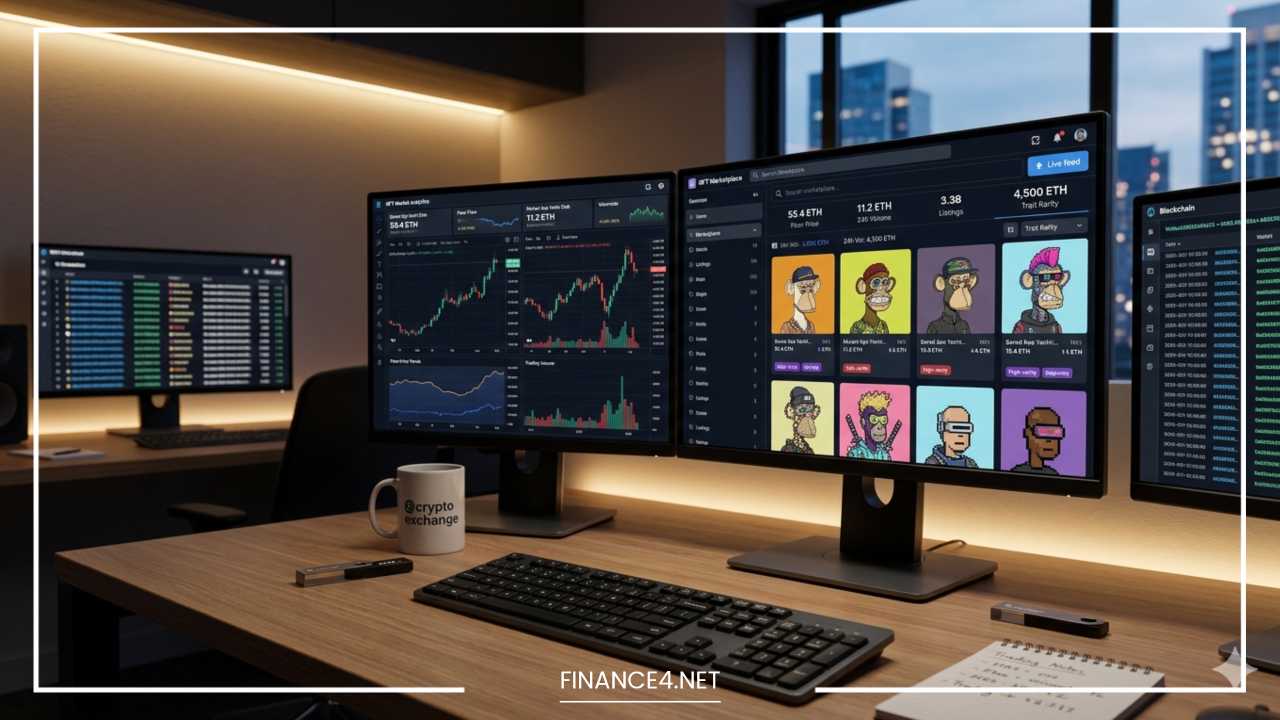
NFT Flipping Strategies: The Ultimate Guide to Profits
The digital asset landscape has undergone a seismic shift since the inception of non-fungible tokens. What began as a niche interest for cryptographers and digital artists has evolved into a multi-billion dollar economy. At the heart of this economy lies a high-octane trading practice known as NFT flipping. While many view NFTs through the lens of art appreciation or long-term digital identity, a dedicated segment of market participants approaches these assets with a singular objective: buying low and selling high within a compressed timeframe.
NFT flipping is the art of identifying undervalued digital assets, acquiring them, and exiting the position for a profit as market demand peaks. It is a strategy built on the pillars of speed, information asymmetry, and an acute understanding of social sentiment. Unlike traditional stock trading or even standard cryptocurrency investing, NFT flipping requires navigating a market that is illiquid, highly emotional, and driven by cultural narratives.
This guide is designed to move beyond the surface-level hype. We will explore the mechanics of the market, the specific strategies used by professional flippers, and the rigorous risk management protocols required to survive in an environment where volatility is the only constant. Whether you are a beginner looking for your first win or an intermediate trader aiming to systematize your approach, this comprehensive breakdown covers the essential components of a profitable NFT flipping career.
What Is NFT Flipping?
At its most fundamental level, NFT flipping is a short-to-medium-term investment strategy. While a “HODLer” might buy a blue-chip NFT like a Bored Ape or a CryptoPunk with the intent of holding it for years, a flipper is looking for the “meat of the move.” They want to capture the price appreciation that occurs between specific market catalysts.
The Flipping Spectrum
Flipping is not a monolithic activity; it varies based on the trader’s risk tolerance and time horizon.
-
Mint Flipping (Minutes to Hours): This involves participating in the initial “mint” or creation of an NFT. If the project has significant hype, the secondary market price on platforms like OpenSea or Blur may instantly jump to 2x or 5x the mint price. The flipper sells immediately to lock in gains before the initial excitement cools.
-
Trend Flipping (Days to Weeks): This focuses on riding a specific wave. If “AI-generated art” or “Gaming NFTs” become the dominant narrative of the month, a flipper will rotate capital into those sectors, holding for a few days until the trend reaches a local ceiling.
-
Project-Based Flipping (Weeks to Months): This requires a deeper dive into project roadmaps. A flipper might buy an NFT ahead of a major game demo release or a partnership announcement, intending to sell the “news” once the event occurs.
A Practical Example
Imagine a new generative art project mists for 0.05 ETH. Due to strong Twitter engagement and a “doxxed” (publicly identified) team, the demand far outstrips the supply of 10,000 items. Within thirty minutes of the mint closing, the floor price on the secondary market hits 0.15 ETH. A flipper who secured two mints sells both immediately, netting a 0.20 ETH profit (minus gas fees and royalties) without ever intending to own the art long-term.
How the NFT Market Works
To flip successfully, you must understand the infrastructure that facilitates these trades. NFTs are primarily issued on smart-contract-enabled blockchains, with Ethereum being the historical leader, followed by high-speed alternatives like Solana and Bitcoin (via Ordinals).
The Marketplace Landscape
Marketplaces are the “exchanges” of the NFT world. However, unlike the New York Stock Exchange, these platforms have different fee structures and user bases:
-
OpenSea: The original giant. It has the highest brand recognition and a massive retail user base, making it a great place to sell to “entry-level” buyers.
-
Blur: Designed specifically for pro traders. It offers zero marketplace fees and advanced “sweeping” tools that allow traders to buy dozens of NFTs in a single transaction.
-
Magic Eden: The dominant force on Solana and a growing player in the Bitcoin Ordinals space.
Key Metrics for Decision Making
Before committing capital, a flipper looks at a specific set of “on-chain” data points:
-
Floor Price: The lowest price at which an item from a specific collection can be purchased. This is the primary indicator of a project’s entry cost.
-
Volume: The total amount of currency traded within a specific timeframe (e.g., 24 hours). High volume is essential; without it, you are stuck with an “illiquid” asset that no one wants to buy.
-
Listings Percentage: If a collection has 10,000 items but only 200 are listed for sale (2%), the supply is “tight,” which can lead to rapid price increases if demand spikes. If 20% are listed, there is too much sell pressure.
-
Unique Holders: A high ratio of unique holders to total supply suggests a healthy, distributed community rather than a few “whales” who could crash the price by dumping their bags.
Types of NFT Flipping Strategies
This section details the specific methods used to extract value from the market. Successful traders usually specialize in one or two of these rather than trying to master them all at once.
1. Mint Flipping
The most common entry point for flippers is the “initial offering.”
-
The Strategy: You secure a spot on a “Whitelist” (Allowlist) by engaging with the community or winning raffles. This allows you to buy the NFT at a set price before the general public.
-
The Exit: Many projects experience a price surge immediately after the mint and a second surge right before the “Reveal” (when the placeholder image turns into the actual unique art). Professional flippers often sell half their bag during the pre-reveal hype to “free-roll” the rest.
2. Floor Sweeping
Floor sweeping is a momentum-based strategy.
-
The Strategy: When a project starts gaining traction, the “floor” (the cheapest NFTs) begins to disappear. A flipper will “sweep” or buy the bottom five or ten NFTs in a collection, effectively raising the floor price themselves and signaling to the market that the project is “pumping.”
-
The Exit: As other traders notice the rising floor and FOMO (Fear Of Missing Out) kicks in, the flipper sells their acquired assets into the new, higher demand.
3. Rarity Sniping
Not all NFTs in a collection are created equal. Most collections use “traits” (different hats, eyes, backgrounds) to create a hierarchy of rarity.
-
The Strategy: Use tools like Rarity Sniper to identify “mispriced” rares. Occasionally, a seller who doesn’t understand the value of a specific trait will list a rare NFT at the “floor” price.
-
The Exit: The sniper buys the rare item at the floor price and immediately relists it for 2x or 3x the floor, targeting collectors who are specifically looking for high-rarity items.
4. Trend Flipping
Markets move in narratives. One week, everyone wants “Pixel Art”; the next, everyone wants “3D Meta-Avatars.”
-
The Strategy: Monitor social media (specifically “Crypto Twitter”) to see what the “Alpha Callers” (influential traders) are discussing. Position yourself in projects within that niche before the general public rotates their capital into it.
-
The Risk: Trends in the NFT space move at lightning speed. If you are twenty-four hours too late, you become the “exit liquidity” for those who got in early.
5. News-Based Flipping
This mirrors traditional stock trading.
-
The Strategy: Buy into projects with upcoming catalysts. This could be a “burn mechanic” (where supply is reduced), a token airdrop for holders, or a major partnership with a physical brand.
-
The Exit: “Buy the rumor, sell the news.” The peak price is often reached minutes before or during the announcement, not after.
Tools Every NFT Flipper Should Use
You cannot compete in the modern NFT market using only a basic web browser. You need data-driven tools to provide an edge.
Analytics Platforms
-
Dune Analytics: A powerful tool for high-level market data. You can find “dashboards” created by data scientists that track everything from marketplace market share to specific project “wash trading” (fake volume) alerts.
-
Nansen: The gold standard for “Smart Money” tracking. Nansen labels wallets, allowing you to see what experienced, high-net-worth traders are buying in real-time.
Market Trackers
-
Blur Analytics: Even if you don’t trade on Blur, their real-time activity feed is the fastest in the industry. It shows “sales” and “listings” the second they happen on the blockchain.
-
Alpha Groups: These are private Discord communities (often requiring an NFT to enter) where experienced traders share “alpha” (insider insights and early project discoveries).
Social Monitoring
-
Twitter/X: The town square of the NFT world. Following the right developers, artists, and “whale” wallets is the most effective way to gauge sentiment.
-
LunarCrush: This tool aggregates “Social Intelligence,” measuring the social volume and engagement of various NFT projects to predict upcoming price action.
How to Identify Profitable NFT Projects
Selection is the most difficult part of flipping. To separate the “gems” from the “rug pulls” (scams), you must perform rigorous due diligence across several categories.
Team Credibility
Who is behind the project? A “doxxed” team with a history in tech, art, or gaming is significantly less likely to disappear with the mint funds. If the team is anonymous, look at their “On-Chain” reputation. Have they successfully launched other projects? Do they have the respect of other known builders in the space?
Community Strength
Numbers can be faked. A Discord with 100,000 members but only 50 people talking is a red flag (likely botted). Look for “organic engagement.” Are people creating fan art? Are the conversations focused on the technology and art, or just “When moon?” and “When reveal?” Healthy communities sustain floor prices; “mercenary” communities dump at the first sign of trouble.
Roadmap Realism
Avoid projects that promise “a triple-A video game” or “a Hollywood movie” within three months. These are almost always lies designed to drive mint volume. Look for realistic, incremental goals: “Launching a merch store,” “Hosting a holder-only event,” or “Implementing a staking protocol.”
Red Flags to Watch For:
-
Copycat Art: If a project looks exactly like a Bored Ape but with a different hat, it is a low-effort derivative that will likely go to zero.
-
Paid Influencer Shills: If several large accounts post the exact same “I’m so bullish on [Project X]” tweet at the same time, it is a paid marketing campaign, not organic growth.
-
Low Liquidity: If a project has 0.1 ETH volume over the last week, do not buy it. You will not be able to sell it when you want to exit.
Risk Management Strategies
Flipping is essentially a form of high-stakes gambling if it isn’t backed by a risk management framework. Most flippers fail because they ignore the math of the game.
The Golden Rule: Never Invest More Than You Can Lose
This sounds like a cliché, but in NFTs, it is a technical necessity. Unlike a stock, an NFT can go to “zero” liquidity. You might have an asset that the screen says is worth 1 ETH, but if no one bids on it, its actual value is zero. Only use “risk capital.”
Profit Targets and Exit Plans
Before you click “buy,” you must know when you will “sell.”
-
Scaling Out: If you buy three NFTs in a project, sell one when the price doubles to cover your initial investment (becoming “risk-free”). Sell the second at 3x, and leave the third as a “moonbag” to see how high it can go.
-
Stop-Loss Mindset: Because you can’t set “automatic” stop-losses on most NFT marketplaces, you must have the discipline to sell at a loss if the “thesis” changes. If the lead developer leaves or a major exploit is found, exit immediately at the floor. A 20% loss is better than a 90% loss.
Diversification
Do not “ape” your entire wallet into a single project. The NFT market is prone to “Black Swan” events. By spreading your capital across 5–10 different flips, you ensure that one bad project doesn’t wipe out your entire portfolio.
Common Mistakes to Avoid
The learning curve in NFT trading is paved with expensive lessons. Here are the most frequent pitfalls:
-
Ignoring Gas Fees: On the Ethereum network, “gas” (transaction fees) can be massive. If you buy an NFT for $100 and pay $40 in gas, then sell it for $150 and pay another $40 in gas, you have actually lost money despite the “flip” being successful on paper. Always factor in round-trip gas costs.
-
Holding Too Long: “Marrying” your bags is the quickest way to lose profit. Fliers often see a 2x gain, get greedy hoping for a 10x, and then hold the asset all the way back down to zero. Take profits aggressively.
-
Buying the Top: Never buy when the “green candles” are at their peak and everyone on Twitter is celebrating. By the time the hype is that loud, the smart money is already selling.
-
Falling for Scams: Never click links in Discord DMs. Never share your “Seed Phrase.” Use a “Burner Wallet” (a wallet with minimal funds) when minting from new, unverified websites.
NFT Flipping vs. Other Crypto Strategies
How does flipping compare to other ways of making money in the digital asset space?
| Feature | NFT Flipping | Crypto Day Trading | Staking/DeFi |
| Liquidity | Low (Hard to sell fast) | High (Instant selling) | High |
| Potential Return | Extremely High (10x-100x) | Moderate | Low/Steady (5-15%) |
| Effort Level | High (Social monitoring) | High (Technical analysis) | Low (Passive) |
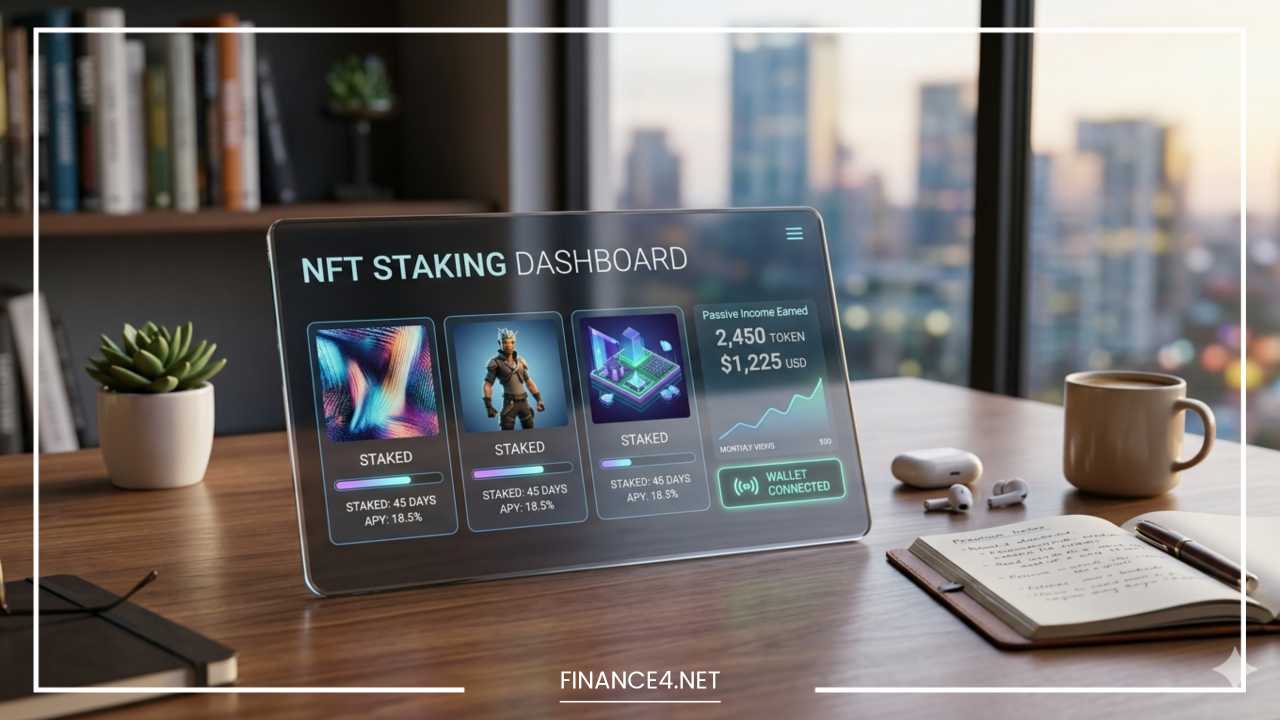
| Risk | Very High | High | Moderate |
NFT flipping offers the highest potential for “asymmetric upside”—where a small investment can turn into a life-changing sum. However, it lacks the “exit liquidity” of fungible tokens like Bitcoin or Solana. You can sell $1 million worth of Bitcoin in a second; selling $1 million worth of NFTs could take weeks or months.
The Future of NFT Flipping
The market is maturing. The days of “easy money” on low-effort profile picture (PFP) projects are largely over. The future of flipping lies in Utility and Integration.
Gaming and the Metaverse
Flipping will likely shift toward functional assets—virtual real estate, in-game armor, or “yield-bearing” items. These assets have “intrinsic” value because they produce something or provide a specific advantage in a digital world, making their price action slightly more predictable than pure art.
Institutional and Brand Adoption
As major fashion and tech brands continue to experiment with NFTs as digital “loyalty cards” or “authenticity certificates,” flippers will begin to look at “Brand Equity.” Flipping a Nike-backed NFT is a different risk profile than flipping a random internet meme.
Final Thoughts
NFT flipping is a pursuit that rewards the disciplined, the curious, and the fast. It is a unique intersection of psychology, technology, and finance. To be a successful flipper, you must develop a “sixth sense” for sentiment while maintaining the cold objectivity of a data scientist.
Remember that the goal of flipping is capital preservation and growth. Do not get distracted by the “art” or the “culture” to the point where you forget to click the sell button. Every successful flip provides the “dry powder” you need for the next opportunity.
Stay informed, use the tools at your disposal, and never stop questioning the hype. The NFT market is a frontier; those who map it carefully are the ones who will ultimately profit from it. Success isn’t about being right every time—it’s about being right often enough, and managing your losses well enough, that you’re still in the game when the next big wave hits.