How to Stake Bridging Aggregator Tokens With Node Providers
 by
by 
Staking Aggregator Tokens via Node Providers: A Complete Guide
The burgeoning multi-chain landscape of Web3 has given rise to a critical need for seamless asset and data transfer between disparate blockchain networks. This is where bridging aggregators come into play, offering optimized routes and enhanced user experiences for cross-chain transactions. As these aggregators gain prominence, so too does the opportunity for participants to contribute to their security and functionality through staking their native tokens.
This article delves into the intricate world of staking bridging aggregator tokens with node providers, offering a comprehensive guide for both nascent and experienced crypto enthusiasts.
Understanding the Landscape: Bridging Aggregators and Their Tokens
Before diving into the specifics of staking, it’s crucial to grasp the fundamental concepts of bridging aggregators and their associated tokens.
What are Bridging Aggregators?
Imagine a vast network of islands, each representing a different blockchain (e.g., Ethereum, Solana, Polygon, Avalanche). To travel between these islands, you need a bridge. Historically, these bridges were often standalone, dedicated to connecting just two chains. However, as the number of blockchains exploded, navigating this fragmented landscape became cumbersome.
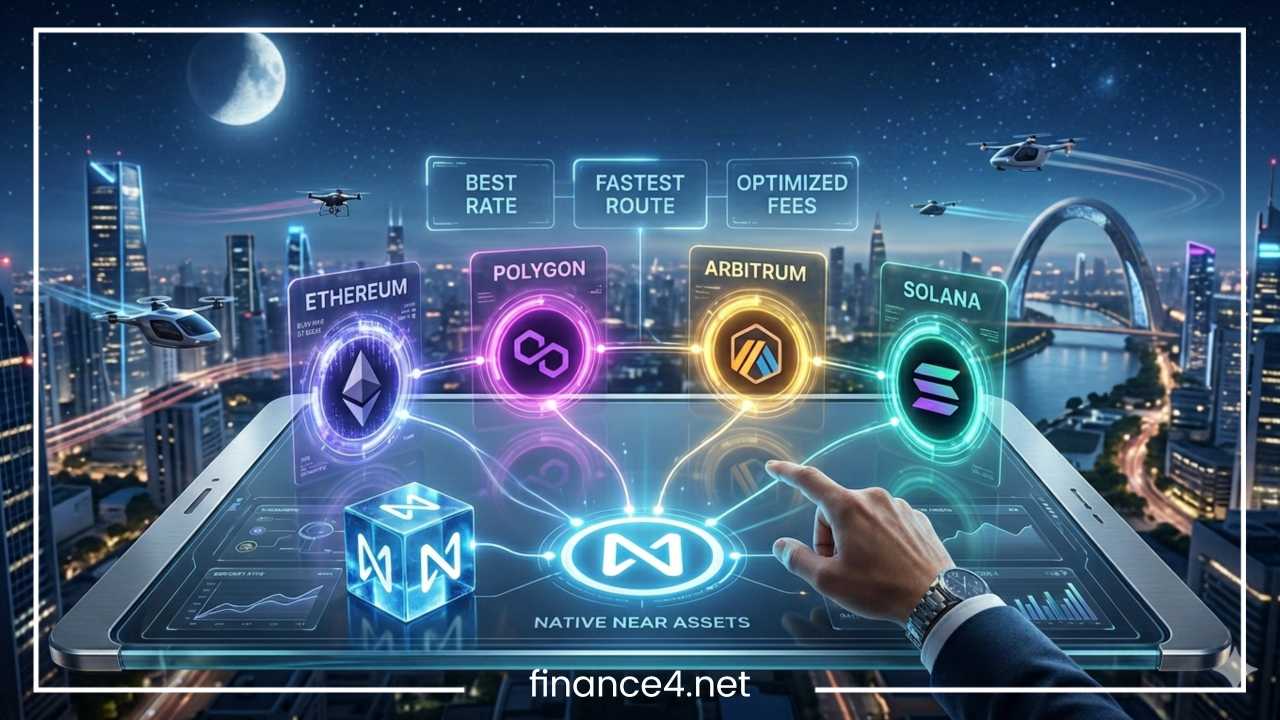
Bridging aggregators emerged to solve this problem. They are platforms that consolidate multiple cross-chain bridges, offering users a single interface to find the most efficient, secure, and cost-effective route for their asset transfers. Think of them as a “Google Maps” for cross-chain movements, optimizing for factors like speed, fees, and security.
Key features of bridging aggregators often include:
- Route Optimization: They analyze various underlying bridges to find the best path for your transaction.
- Liquidity Aggregation: They tap into liquidity across multiple bridges and decentralized exchanges (DEXs) to ensure smooth swaps.
- Enhanced User Experience: They simplify the complex process of cross-chain transfers, often integrating with popular wallets and providing clear transaction tracking.
- Security Features: Many aggregators implement additional security layers, such as multi-signature schemes or decentralized oracle networks, to mitigate risks.
Examples of prominent bridging aggregators include LI.FI, Rango Exchange, and Socket.
The Role of Bridging Aggregator Tokens
Many bridging aggregators issue their own native tokens. These tokens often serve multiple purposes within their ecosystems, including:
- Governance: Token holders typically have the right to vote on key protocol upgrades, fee structures, and future developments, fostering decentralized governance.
- Staking Rewards: Staking these tokens is often a core mechanism for participants to earn a share of the protocol’s revenue (e.g., bridge fees) or newly minted tokens.
- Incentivization: Tokens can be used to incentivize liquidity providers on their aggregated bridges or to reward users for active participation.
- Security Collateral: In some models, staked tokens act as collateral, with validators facing “slashing” (loss of staked tokens) if they act maliciously or fail to perform their duties.
The Power of Staking: Why Stake Bridging Aggregator Tokens?
Staking, in essence, is the act of locking up your cryptocurrency holdings to support the operations of a blockchain network. For bridging aggregator tokens, staking typically contributes to the security, decentralization, and efficiency of the cross-chain infrastructure.
The primary motivations for staking bridging aggregator tokens include:
- Passive Income Generation: This is often the most significant draw. Stakers earn rewards, which can be in the form of the native token itself, a share of platform fees, or a combination of both. Annual Percentage Yields (APYs) can be attractive, though they are subject to market conditions and network activity.
- Network Security and Stability: By staking, you contribute to the economic security of the bridging aggregator’s underlying mechanisms. In Proof-of-Stake (PoS) models, a higher amount of staked tokens makes the network more resilient to attacks, as malicious actors would need to acquire a significant portion of the total staked supply to compromise it.
- Decentralization: Staking promotes decentralization by distributing control and validation power among a wider network of token holders, rather than concentrating it in the hands of a few.
- Governance Participation: As a staker, you often gain voting rights, allowing you to influence the future direction of the bridging aggregator protocol. This can include decisions on new chain integrations, fee adjustments, and security enhancements.
- Supporting Interoperability: By staking, you actively participate in the growth and functionality of the broader multi-chain ecosystem, helping to foster seamless communication and asset flow across blockchains.
Staking with Node Providers: A Practical Approach
While some advanced users might consider running their own validator nodes for bridging aggregator tokens, the technical complexity, hardware requirements, and significant upfront capital (minimum stake amounts can be high) make this option impractical for many. This is where node providers offer a crucial service.
Node providers are entities (companies or decentralized autonomous organizations) that operate and maintain the necessary infrastructure (validator nodes) on behalf of individual stakers. They essentially “pool” the tokens of many users, allowing even those with smaller holdings to participate in staking and earn rewards without the technical overhead.
How Staking with a Node Provider Works:
-
Choose a Reputable Node Provider: This is perhaps the most critical step. Factors to consider include:
- Reputation and Track Record: Look for providers with a proven history of reliability, security, and transparent operations. Check for community reviews, audit reports, and public statements.
- Fees: Node providers typically charge a commission on the staking rewards you earn. Compare fees across different providers to find a competitive rate. Be wary of unusually low or high fees, as they might indicate hidden costs or unsustainable practices.
- Security Measures: Inquire about their security protocols, such as multi-signature wallets, cold storage practices, and incident response plans. Ensure they have undergone security audits.
- Uptime and Performance: A good node provider will have high uptime, ensuring their validators are consistently online and participating in block validation, thus maximizing your rewards and minimizing slashing risks.
- Supported Tokens and Chains: Confirm that the provider supports the specific bridging aggregator token you wish to stake and the underlying blockchain network.
- Customer Support: Responsive and knowledgeable customer support can be invaluable, especially if you encounter any issues.
- Slashing Insurance/Guarantees: Some providers offer insurance or guarantees against slashing events caused by their own operational failures. While not always available, it can provide an extra layer of protection.
- Delegation Method: Understand how you delegate your tokens. It should involve a smart contract that allows you to retain custody of your assets (non-custodial staking), meaning the provider cannot directly access or move your funds.
-
Acquire the Bridging Aggregator Token: Purchase the native token of the bridging aggregator on a reputable decentralized exchange (DEX) or centralized exchange (CEX).
-
Set up a Compatible Wallet: You’ll need a non-custodial wallet (e.g., MetaMask, Ledger, Trust Wallet) that supports the blockchain on which the bridging aggregator token resides. This wallet will hold your tokens and facilitate the staking process.
-
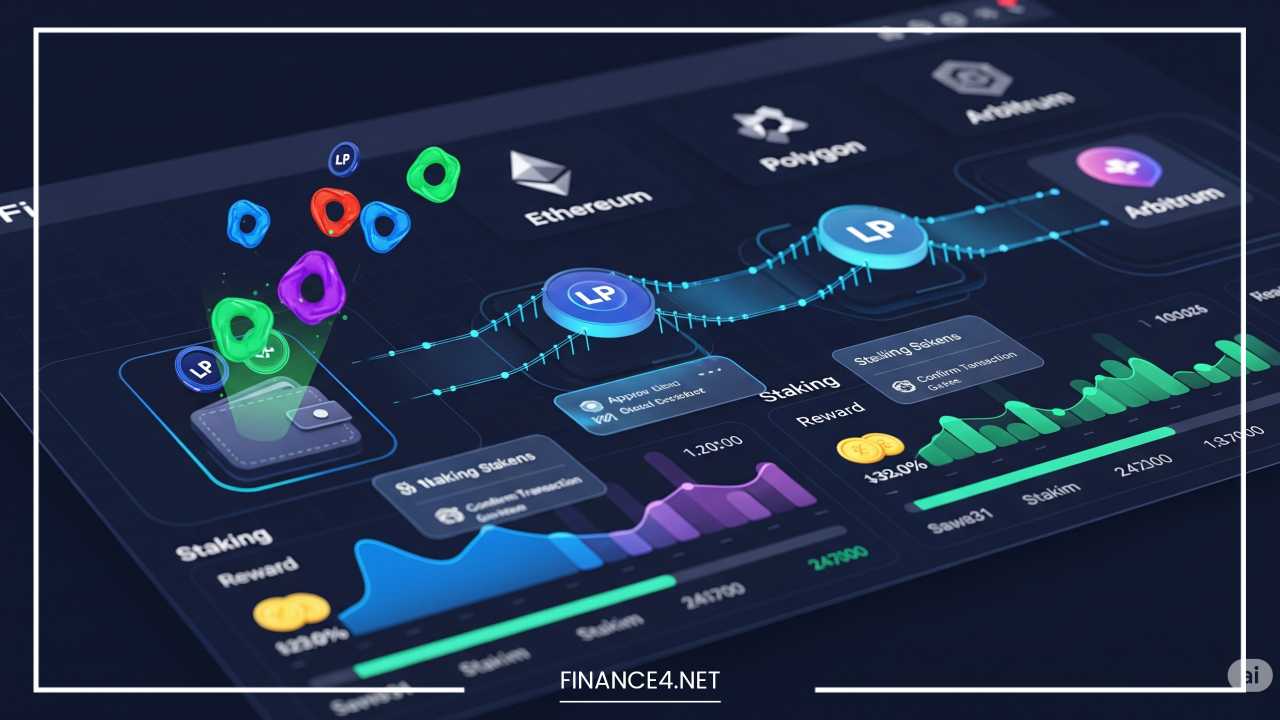
Connect to the Node Provider’s Platform or Staking Interface: Access the chosen node provider’s website or staking dApp. This interface will guide you through the delegation process.
-
Delegate Your Tokens:
- Select the Validator: From the list of available validators run by the node provider, choose one to delegate your tokens to.
- Enter the Amount: Specify the amount of tokens you wish to stake. Be aware of any minimum staking requirements set by the protocol or provider.
- Approve and Confirm Transaction: Your wallet will prompt you to approve a transaction that locks your tokens into a staking smart contract. Crucially, your tokens remain in your wallet’s control, but they are “locked” and cannot be moved or traded until you unstake them.
- Review Transaction Details: Always double-check the transaction details, including the recipient address (the staking contract), the amount, and the gas fees, before confirming.
-
Monitor Your Staked Assets and Rewards: Most node providers offer dashboards or interfaces where you can track your staked balance, accumulated rewards, and validator performance. Regularly monitor these to ensure everything is operating as expected.
-
Claim Rewards (if not auto-compounded): Depending on the protocol and provider, rewards may be automatically compounded or require manual claiming. Understand the claiming process and any associated gas fees.
-
Unstaking (when desired): If you wish to unstake your tokens, there will typically be an “unbonding” or “lock-up” period during which your tokens are still locked but no longer earning rewards. This period is a security measure for the network. Once the unbonding period is complete, you can withdraw your tokens back to your wallet.
Technical Considerations:
While staking with a node provider significantly reduces technical overhead compared to running your own node, it’s still beneficial to be aware of some underlying technical aspects:
- Blockchain Network: Understand the specific blockchain network on which the bridging aggregator token operates (e.g., Ethereum, BNB Chain, Polygon). This dictates the wallet compatibility and gas fees.
- Smart Contracts: The staking process is governed by smart contracts. It’s important to understand that you are interacting with code, and while reputable providers undergo audits, inherent smart contract risks always exist.
- Gas Fees: Transactions on blockchains incur gas fees. Be prepared for these costs during staking, claiming rewards, and unstaking.
- Slashing Conditions: Familiarize yourself with the slashing conditions of the bridging aggregator protocol. While node providers aim to avoid slashing, understanding the potential risks is important. Slashing can occur due to validator downtime, double-signing transactions, or other malicious behavior.
Risks and Rewards of Staking Bridging Aggregator Tokens
Like any investment, staking bridging aggregator tokens comes with both potential rewards and inherent risks.
Potential Rewards:
- Attractive APYs: Staking rewards can be significantly higher than traditional financial instruments, offering a compelling passive income stream.
- Capital Appreciation: If the bridging aggregator protocol gains adoption and its native token increases in value, your staked assets will also appreciate.
- Contribution to Ecosystem Growth: You play a direct role in securing and decentralizing a crucial piece of Web3 infrastructure.
- Early Access to Features/Airdrops: Some protocols reward loyal stakers with early access to new features or exclusive airdrops.
Risks to Consider:
- Price Volatility: The value of cryptocurrency tokens can be highly volatile. Even if you earn staking rewards, a significant drop in the token’s price could offset or even negate your gains. This is often referred to as “impermanent loss” in liquidity providing, but the concept of market value depreciation applies here as well.
- Smart Contract Risk: Despite audits, smart contracts can contain bugs or vulnerabilities that could lead to loss of funds.
- Slashing Risk: If the node provider you delegate to performs maliciously or experiences prolonged downtime, a portion of your staked tokens could be “slashed” (forfeited) by the protocol. While reputable providers strive to prevent this, it’s a risk to be aware of.
- Liquidity Risk (Lock-up Periods): Many staking mechanisms involve a lock-up or unbonding period, during which your tokens are inaccessible. This means you cannot react quickly to market downturns or seize new opportunities.
- Centralization Risk of Node Providers: While staking aims for decentralization, relying on a few large node providers could reintroduce a degree of centralization risk. Diversifying your stake across multiple providers is a good practice.
- Inflation: If the staking rewards are generated through new token issuance, this can lead to inflation, potentially diluting the value of existing tokens. Assess the tokenomics of the bridging aggregator.
- Regulatory Risk: The regulatory landscape for cryptocurrencies is still evolving. Future regulations could impact staking activities or the value of your assets.
Best Practices for Staking Bridging Aggregator Tokens
To maximize your potential returns and mitigate risks, consider these best practices:
- Thorough Research (DYOR): Never stake without conducting extensive due diligence on both the bridging aggregator protocol and the chosen node provider.
- Start Small: If you’re new to staking, begin with a smaller amount you’re comfortable losing to understand the process and risks involved.
- Diversify: Don’t put all your eggs in one basket. Diversify your staking across different bridging aggregator tokens or even other staking opportunities within DeFi.
- Understand Tokenomics: Gain a clear understanding of the token’s supply, inflation schedule, and utility within the ecosystem.
- Monitor Performance: Regularly check your staking rewards, validator uptime, and any news or updates from the bridging aggregator and node provider.
- Security First: Use strong, unique passwords, enable two-factor authentication (2FA) wherever possible, and consider using a hardware wallet for significant holdings. Never share your seed phrase.
- Stay Informed: The crypto space is dynamic. Stay updated on market trends, protocol developments, and potential security vulnerabilities.
- Be Aware of Scams: Be vigilant against phishing attempts, fake websites, or promises of unrealistic returns. Only use official channels and trusted platforms.
- Understand Tax Implications: Staking rewards are often considered taxable income. Consult with a tax professional in your jurisdiction to understand your obligations.
The Future of Bridging Aggregators and Staking
The future of bridging aggregators and their associated staking mechanisms appears promising as the multi-chain paradigm solidifies. We can anticipate:
- Increased Sophistication of Aggregators: Expect more advanced routing algorithms, deeper liquidity integration, and potentially even cross-chain intent-based systems that abstract away the complexities of bridging entirely.
- Evolving Staking Models: Staking models may become more dynamic, perhaps incorporating elements of restaking (staking on multiple protocols simultaneously) or more nuanced incentive structures to reward specific contributions to network security and efficiency.
- Enhanced Security Measures: As bridges remain a prime target for exploits, continuous innovation in security, including zero-knowledge proofs and more robust decentralized oracle networks, will be paramount.
- Institutional Adoption: As the infrastructure matures and regulatory clarity emerges, more institutional players may enter the staking arena, bringing significant capital and demand for reliable node providers.
- Integration with DeFi Primitives: Bridging aggregator tokens and their staking opportunities will likely become even more deeply integrated into the broader DeFi ecosystem, potentially becoming collateral for lending, used in yield farming strategies, or integrated into decentralized autonomous organizations (DAOs).
Staking bridging aggregator tokens with node providers presents a compelling opportunity for passive income generation and active participation in the evolving multi-chain Web3 landscape. By carefully selecting reputable providers, understanding the inherent risks, and adhering to best practices, individuals can contribute to the security and decentralization of cross-chain infrastructure while potentially reaping significant rewards. As the demand for seamless interoperability grows, the role of bridging aggregators and the value proposition of staking their tokens are set to expand, offering a fascinating frontier for crypto enthusiasts.