Building an NFT Brand Community
 by
by 
Building an NFT Brand Community | Grow & Engage Your Web3 Audience
In the burgeoning landscape of Web3, where digital ownership and decentralized ecosystems reign supreme, Non-Fungible Tokens (NFTs) have emerged as a revolutionary asset class. However, the true enduring power of an NFT project extends far beyond its artistic merit or technological novelty. It lies, unequivocally, in the strength and vibrancy of its community. An NFT brand, at its core, is a collective identity forged by its holders, enthusiasts, and creators.
In this comprehensive article, we will delve into the intricate art and science of building a robust, engaged, and thriving NFT brand community from the ground up, exploring the foundational principles, practical strategies, and critical considerations for long-term success.
Why Community is the Backbone of NFT Brands
The very ethos of Web3 is built on decentralization and ownership. Unlike traditional brand loyalty, where consumers are often passive recipients of marketing messages, the NFT space empowers individuals with direct stakes in the projects they support. This fundamental shift transforms passive consumers into active participants, co-owners, and brand evangelists.
The success stories of pioneering NFT projects like Bored Ape Yacht Club (BAYC) and Azuki are inextricably linked to their exceptionally strong communities. BAYC, initially a collection of 10,000 unique ape avatars, transcended its digital art origins to become a cultural phenomenon, largely due to its exclusive community of holders who were granted commercial rights to their NFTs and access to a vibrant ecosystem of events, merchandise, and collaborations. Similarly, Azuki cultivated a devoted following by focusing on high-quality art, a clear vision, and a commitment to delivering value to its community members.
In the NFT realm, the community is not merely a marketing channel; it is often the product itself. The value proposition of many NFTs is inherently tied to the perceived value and exclusivity of the community they represent. This symbiotic relationship means that a strong community can drive demand, foster liquidity, and act as a powerful engine for innovation and growth. Without a dedicated and engaged community, even the most artistically brilliant NFT project risks fading into obscurity.
Defining Your Brand & Community Identity
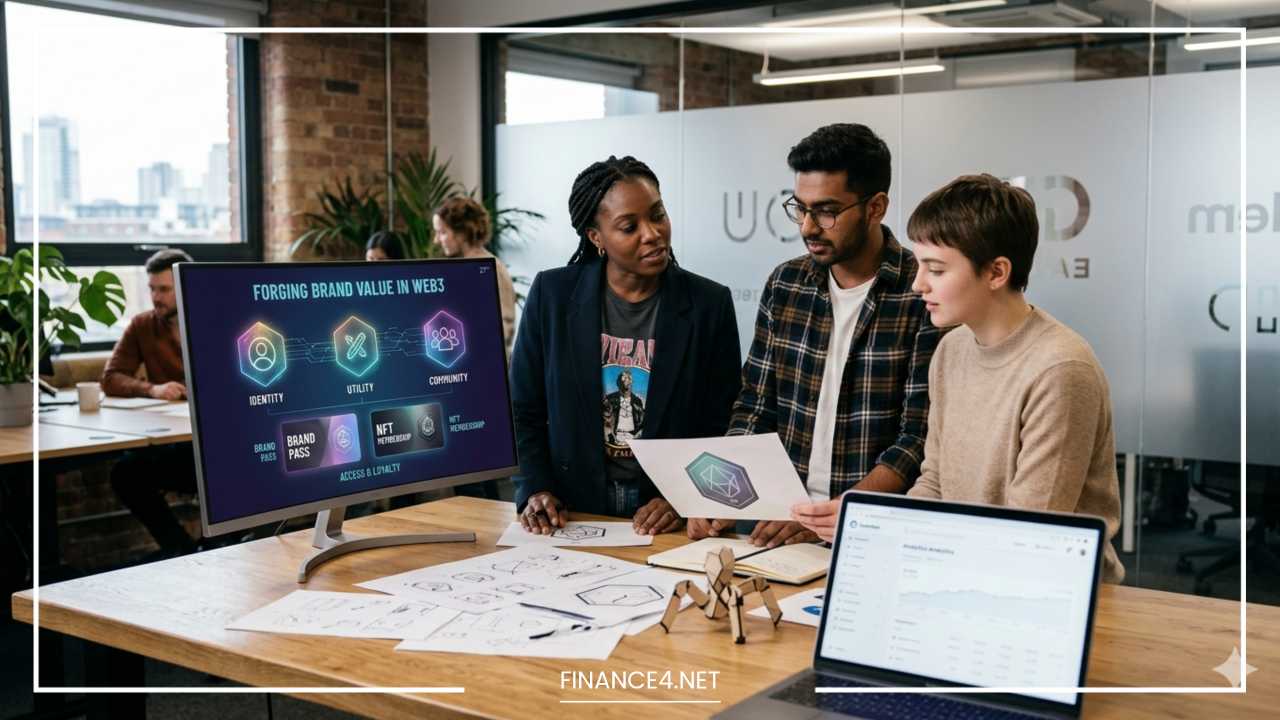
Before embarking on community-building, it’s paramount to establish a clear and compelling identity for your NFT brand. This foundational step dictates every subsequent decision, from the art style to communication strategies.
Firstly, clarify your mission, vision, and values. What problem does your NFT project solve? What future do you envision for your community? What core principles will guide your decisions and interactions? For instance, a project focused on digital art could have a mission to empower emerging artists, while a gaming NFT might aim to revolutionize play-to-earn mechanics. These foundational elements will resonate with individuals who share similar beliefs and aspirations.
Secondly, identify your target audience with precision. Are you aiming for seasoned NFT collectors, artists, gamers, philanthropists, or a broader mainstream audience? Understanding your demographic will inform your art style, utility offerings, and communication channels. A project targeting high-end art collectors will have a vastly different approach than one catering to casual blockchain gamers.
Finally, build your brand voice and tone for consistency across all platforms. Is your brand playful and irreverent, or serious and educational? Are you approachable and informal, or authoritative and professional? Consistency in your brand voice builds trust and recognition, making your community feel more cohesive and aligned. This identity forms the bedrock upon which your community will gather and thrive.
Choosing the Right Platforms
The digital landscape offers a multitude of platforms, each with its own strengths and weaknesses for community engagement. Strategic platform selection is crucial for maximizing reach and fostering meaningful interactions.
Discord is unequivocally the primary hub for Web3 community engagement. Its multi-channel functionality allows for organized discussions, announcements, support, and even exclusive, token-gated access. Create dedicated channels for different topics: announcements, general chat, frequently asked questions, fan art, and specific utility discussions. Implement clear moderation guidelines and leverage bots for automation and security. An organized and intuitive Discord server is essential for a positive user experience.
Twitter/X remains an indispensable tool for public communication, announcements, and driving initial awareness. It’s the go-to platform for viral marketing, thought leadership, and engaging with the broader crypto community. Use it for sneak peeks, countdowns to drops, AMAs, and sharing project updates.
Consider secondary platforms to diversify your reach and cater to different preferences. Telegram is popular for quick updates and announcements, especially in regions where Discord might be less prevalent. Reddit offers an excellent forum for in-depth discussions, community-driven content, and addressing complex topics. Emerging platforms like Farcaster and Lens Protocol are gaining traction as decentralized social networks, offering new avenues for direct engagement and community building on a Web3 native stack. Integrating these platforms strategically can broaden your community’s reach and provide diverse interaction opportunities.
Creating Meaningful Engagement
The gravest mistake an NFT project can make is to rely solely on “hype-only” engagement driven by endless giveaways, memes, and fleeting promises of riches. While these can provide initial bursts of activity, they rarely foster lasting community loyalty. True engagement is built on genuine connection and shared purpose.
Prioritize two-way communication. Host regular Ask Me Anything (AMA) sessions with the team, inviting members to submit questions and directly addressing their concerns. Establish dedicated feedback channels where community members can suggest improvements, report bugs, or share ideas. Conduct polls to gather opinions on future roadmap decisions, art iterations, or utility implementations. This demonstrates that you value their input and empowers them as co-creators.
Empower your superfans and most active members. Identify individuals who consistently contribute positively and offer them moderator roles, ambassador programs, or exclusive access to early information. These individuals become invaluable extensions of your team, helping to maintain a positive environment, answer questions, and amplify your message. Recognizing and rewarding their dedication fosters deeper loyalty and encourages others to become more involved.
Examples of successful engagement campaigns include community-led art contests where winners receive exclusive NFTs or merchandise, collaborative storytelling initiatives where community members contribute to the project’s lore, or even virtual events like watch parties or gaming tournaments for projects with a gaming focus. The key is to create opportunities for genuine interaction and shared experiences.
Utility, Incentives & Exclusivity
Beyond the aesthetic appeal of the NFT art, the most successful NFT brands offer tangible utility, compelling incentives, and exclusive experiences to their holders. This goes beyond mere speculation and provides concrete reasons for individuals to join and remain part of the community.
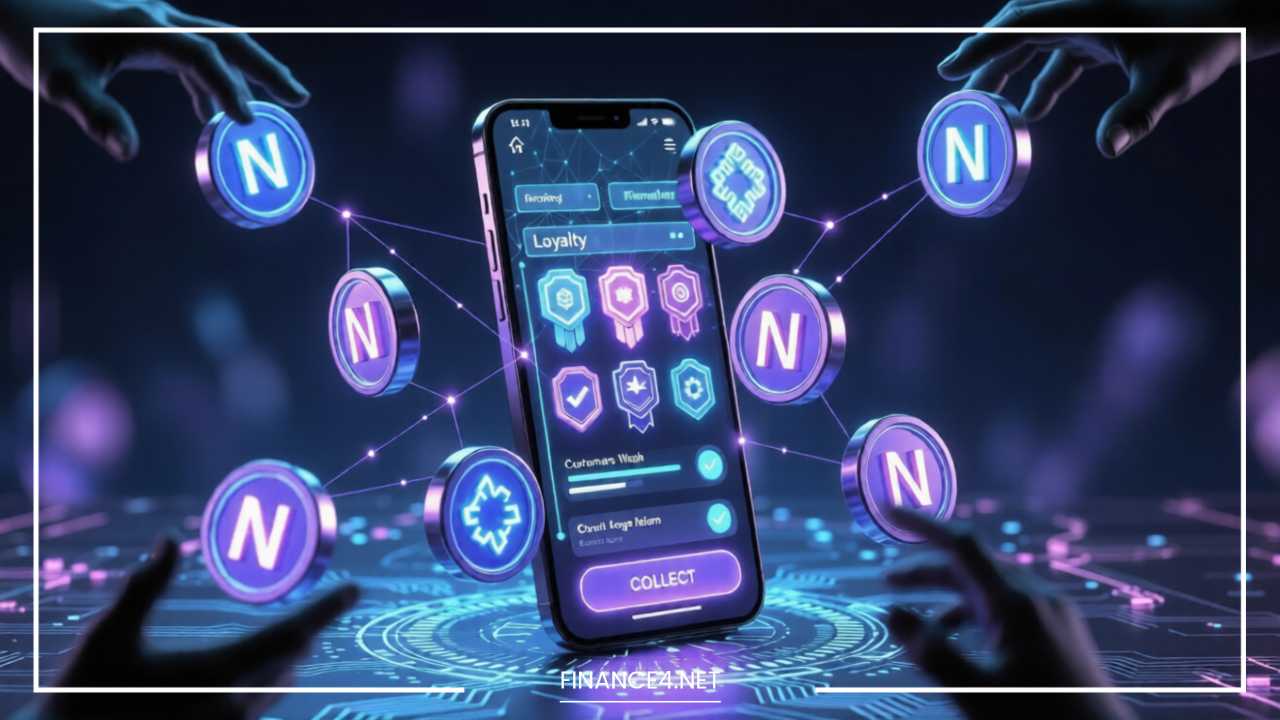
Consider a diverse range of utilities. Airdrops of additional NFTs, tokens, or merchandise reward early supporters and active participants. Staking mechanisms allow holders to lock up their NFTs to earn rewards or governance tokens. Whitelist access to future mints, partner projects, or exclusive events provides a clear benefit. Offering access to IRL events like conferences, art exhibitions, or exclusive parties can significantly enhance the sense of belonging and value.
Implement role-based rewards to acknowledge different levels of activity and longevity within the community. For example, early supporters could receive “OG” roles with special perks, while active contributors could be recognized for their consistent engagement.
Token-gated experiences are a powerful way to provide exclusivity. Utilizing tools that verify NFT ownership, you can create exclusive Discord channels, websites, or even physical events accessible only to holders. This reinforces the idea that holding the NFT unlocks a privileged tier of interaction and benefits, strengthening the community’s bond and perceived value. The more diverse and meaningful the utility, the stronger the incentive to hold and engage.
Building Trust & Transparency
In a decentralized and often anonymous landscape, trust and transparency are paramount. The longevity and success of an NFT brand community hinge on its ability to build and maintain the confidence of its members.
One crucial aspect is the team’s identity. While some projects thrive on anonymity, a growing trend favors doxxed teams – where core team members reveal their real-world identities. This significantly enhances trust, as it holds the team accountable for their actions and commitments. If doxxing isn’t feasible, establish a strong, consistent digital identity with a track record of transparent communication and delivery.
Commit to transparent roadmaps and treasury updates. Clearly outline your project’s short-term and long-term goals, and provide regular, easily understandable updates on progress. For projects with a community treasury, transparently share how funds are being managed and allocated. This fosters a sense of collective ownership and accountability.
Be prepared to handle conflict resolution and address FUD (Fear, Uncertainty, and Doubt) proactively and calmly. The crypto space is prone to speculation and misinformation. Respond to concerns with factual information, empathy, and a commitment to finding solutions. Ignoring FUD or engaging in defensive outbursts can quickly erode community trust. A transparent and calm approach to challenges reinforces the team’s integrity and commitment to the community’s well-being.
Growing & Scaling Your Community
Once a strong core community is established, the next phase involves strategic growth and scaling without diluting the existing bonds.
Influencer and creator collaborations can expose your project to new audiences who align with your brand’s values. Choose influencers who genuinely understand and appreciate your project, rather than those solely focused on paid promotions. Authentic endorsements resonate far more powerfully.
Cross-community partnerships with other reputable NFT projects can be mutually beneficial. Collaborations on limited edition drops, joint events, or shared utility can introduce your project to their community and vice versa, expanding your reach to a pre-vetted audience.
Leveraging viral moments and trends responsibly can provide significant visibility. However, exercise caution. Participating in trends should align with your brand identity and values. Avoid chasing every fleeting trend, as it can make your brand appear opportunistic and unauthentic. When a genuine opportunity arises, be swift and creative in your response to maximize its impact. The goal is organic growth driven by genuine interest, not manufactured hype.
Handling Challenges & Community Fatigue
Even the most robust NFT communities face challenges, particularly during market downturns or periods of slow development. Anticipating and addressing these issues is crucial for long-term sustainability.
Keeping engagement healthy during slow market periods is a significant hurdle. When prices are stagnant or declining, morale can dip. This is when genuine utility, consistent communication, and a focus on long-term vision become even more critical. Organize community-only events, re-engage with earlier roadmap items, or launch small-scale, community-driven initiatives to maintain momentum.
Avoiding burnout for both the team and the community is essential. Community management is demanding. Implement rotations for moderators, provide breaks for the core team, and encourage community members to manage their engagement levels. Foster a culture where it’s okay to take a step back when needed.
Learning from communities that have collapsed can provide valuable insights. Often, these failures stem from a lack of transparency, broken promises, insufficient utility, or an inability to adapt to changing market conditions. Analyzing these pitfalls can help your project avoid similar mistakes and build a more resilient community. Transparency during difficult times, acknowledging setbacks, and outlining clear recovery plans are vital for retaining trust and commitment.
Case Studies
Examining successful NFT brand communities offers invaluable lessons in strategic execution.
Bored Ape Yacht Club (BAYC): From its humble beginnings as a collection of unique digital avatars, BAYC skyrocketed to mainstream recognition. Its success wasn’t just about the art; it was about the exclusive membership, commercial rights granted to holders, access to “The Bathroom” (a collaborative digital graffiti board), and high-profile real-world events like ApeFest. BAYC successfully transcended its digital form to become a lifestyle brand, demonstrating the power of utility and community exclusivity.
World of Women (WoW): WoW distinguished itself by focusing on inclusivity and empowering women and underrepresented groups in the NFT space. Their vibrant art, coupled with a strong mission of representation and philanthropy, attracted a dedicated community. WoW actively invested in supporting women artists and creators, demonstrating a commitment to its stated values, which resonated deeply with its holders and attracted a diverse and engaged following.
Pudgy Penguins: After an initial tumultuous period, Pudgy Penguins experienced a remarkable comeback under new leadership. Their strategy involved a strong emphasis on building a tangible brand beyond the digital realm, including launching a successful toy line and engaging in high-profile collaborations. This shift towards an IRL (in real life) brand strategy, combined with renewed community focus and transparent communication, revitalized the project and cemented its place as a top-tier NFT brand. These case studies underscore the diverse paths to community success, emphasizing utility, values, and adaptability.
Final Thoughts
Building an NFT brand community is not a sprint; it is a marathon. It demands intentionality, patience, and unwavering consistency. It’s about cultivating genuine relationships, fostering a sense of shared ownership, and delivering tangible value beyond the initial digital asset.
The journey begins with a clear brand identity and a deep understanding of your target audience. It then progresses through strategic platform selection, the creation of meaningful engagement opportunities, and the provision of compelling utility and exclusivity. Crucially, trust and transparency must be the bedrock of all interactions, especially when navigating challenges and market fluctuations.
Ultimately, a strong NFT brand community is a living, breathing entity that evolves with its members. It’s a testament to the power of collective action and shared vision in the decentralized future of the internet. For aspiring NFT creators and existing projects alike, the invitation is clear: take the first step towards building a truly engaged community, or join the ongoing conversation in this exciting and ever-evolving space. The future of Web3 brands belongs to those who prioritize connection over speculation, and community over mere collection.