How to Run a Multi-Chain DAO
 by
by 
How to Run a Multi-Chain DAO: A Guide for the Evolving Web3 Ecosystem
A Decentralized Autonomous Organization (DAO) is an organizational structure that’s defined by code and governed by its members, not by a central authority. Think of it as a community-owned company where all decisions, from treasury management to protocol upgrades, are made through proposals and voting by token holders. Initially, most DAOs were built on a single blockchain, primarily Ethereum. However, as the Web3 landscape has grown, so have the limitations of single-chain operation. This has led to the emergence of multi-chain DAOs, which operate and govern across multiple blockchains.
The ability to exist across different chains is crucial for scalability, accessibility, and tapping into diverse ecosystems. This article explores the mechanics of running a multi-chain DAO, covering everything from architectural choices and tooling to governance design and security.
Understanding Multi-Chain Architecture
A multi-chain environment is a landscape of multiple, interconnected blockchains. A single-chain DAO operates exclusively on one blockchain, like Ethereum. All its smart contracts, governance tokens, and treasury assets live on that chain. This setup is simple but suffers from the limitations of its host chain, such as high gas fees and slow transaction speeds on Ethereum.
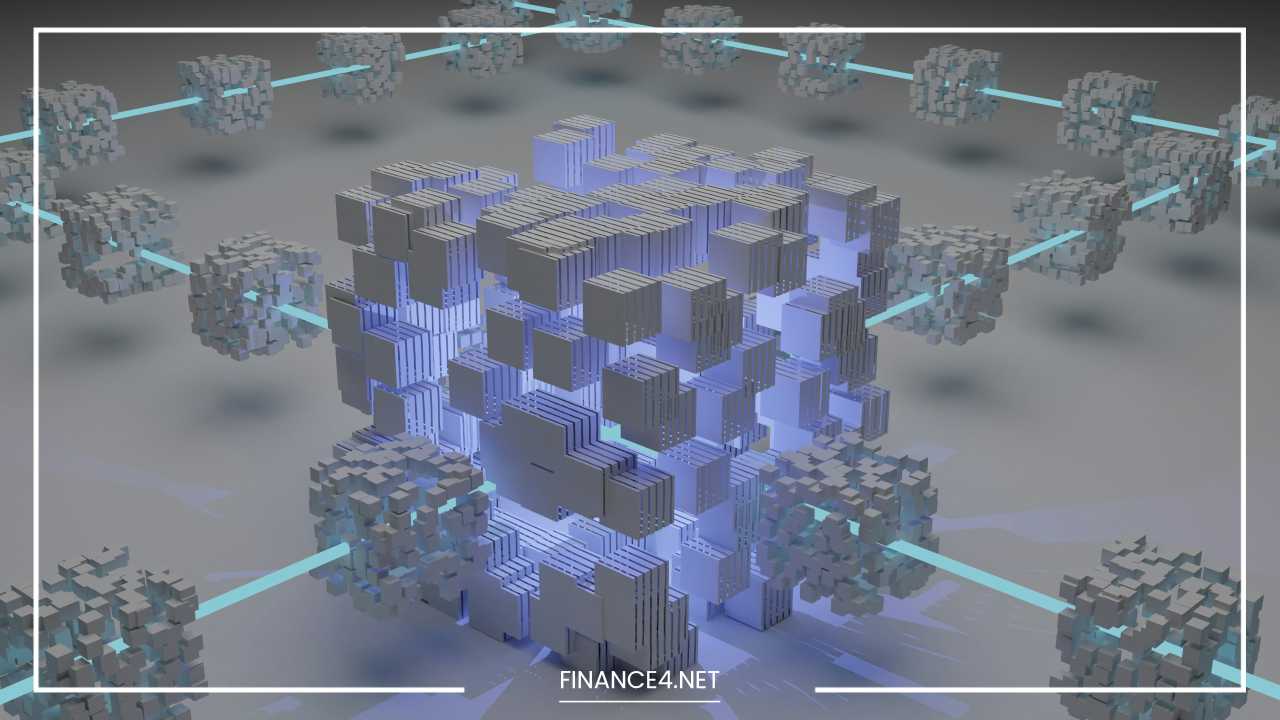
A multi-chain DAO, by contrast, deploys its contracts and manages its operations across several blockchains. This approach offers significant benefits. It enhances scalability by leveraging chains with higher transaction throughput. It improves user access by allowing members to participate on chains with lower gas fees, making governance and protocol interaction more affordable. This also fosters interoperability, enabling the DAO to interact with various applications and communities across different networks.
However, this architecture isn’t without its challenges. The biggest hurdle is fragmentation—the DAO’s assets, governance tokens, and community can be spread across multiple chains. This complicates coordination, as a proposal might need to be voted on and executed on several different networks. Ensuring that all parts of the DAO remain in sync is a complex task.
Choosing the Right Chains
Selecting the right blockchains is a critical first step for any multi-chain DAO. This decision shouldn’t be taken lightly, as it directly impacts the DAO’s long-term success. Several key factors should be considered:
- Community Size and Ecosystem: A chain’s vibrancy is a major indicator of its health. A larger community and a robust developer ecosystem mean more potential users, collaborators, and a wider range of dApps to integrate with.
- Security: The underlying security of a blockchain is paramount. Chains with a proven track record, strong decentralization, and robust security models (like Ethereum’s Proof-of-Stake) are often preferred for storing significant assets.
- Cost (Gas Fees): High transaction fees can be a barrier to participation. For DAOs focused on frequent, small-scale operations, using a chain with low gas fees (like Polygon or Arbitrum) is essential to encourage member engagement.
- Interoperability Support: Consider whether the chain is EVM-compatible (Ethereum Virtual Machine). EVM-compatible chains like Polygon, Optimism, and Arbitrum share a similar architecture, making it easier to deploy existing smart contracts and for developers to move between them. Non-EVM chains like Solana, Cosmos, and Polkadot have different architectures but often offer unique benefits and specialized interoperability protocols.
Popular Chains for DAOs:
- EVM-Compatible: Ethereum remains the most secure and decentralized base layer. Arbitrum and Optimism are Layer 2 solutions that offer scalability and lower fees, making them ideal for everyday operations. Polygon is a sidechain that provides a similar benefit with a massive user base.
- Non-EVM: Solana is known for its high throughput and low fees, attracting projects that require speed. Cosmos and Polkadot are ecosystems designed with interoperability in mind, built to allow blockchains to connect and communicate seamlessly.
Cross-Chain Communication Mechanisms
For a multi-chain DAO to function, its different parts must be able to communicate effectively. This is where cross-chain communication mechanisms come in.
The most common method is using bridges. Bridges are protocols that enable the transfer of assets or data between two different blockchains. They work by locking assets on the source chain and minting a wrapped version on the destination chain. Popular examples include Wormhole, LayerZero, and Axelar. LayerZero, for example, is a protocol that aims to provide a secure and efficient way for applications to communicate across chains without relying on a single, centralized relayer.
Another approach is using interoperability protocols that are native to a specific ecosystem. The Inter-Blockchain Communication (IBC) protocol is a core part of the Cosmos ecosystem, enabling chains within it to send messages and assets to each other securely and trustlessly. Similarly, Cross-Chain Message Passing (XCM) is Polkadot’s solution for communication between its main Relay Chain and its various parachains.
While bridges are essential, they also pose significant risks. They are often complex and can be a single point of failure. Numerous high-profile hacks have targeted bridges, leading to the loss of millions of dollars in assets. It’s crucial for DAOs to choose reputable, audited bridges and to understand the underlying security model.
For DAOs to stay in sync across chains, a key strategy is to use a canonical token model. This involves having the primary governance token live on one main chain (e.g., Ethereum), and using a bridge to create wrapped versions on other chains. The canonical token acts as the single source of truth, ensuring that the total supply is consistent and that voting power is tied to the main chain.
DAO Tooling for Multi-Chain Operations
Running a multi-chain DAO requires a specialized set of tools that can manage operations across different networks.
Cross-chain governance platforms are essential for managing proposals and voting. Platforms like Tally and DAOhaus have evolved to support multi-chain operations, allowing DAOs to create and track proposals that affect contracts on multiple networks. Snapshot X is a notable example that integrates with the popular off-chain voting platform Snapshot, allowing for decentralized, on-chain execution of proposals voted on off-chain, across different chains.
Multi-chain treasury management tools are critical for securing and managing the DAO’s funds. Safe (formerly Gnosis Safe) is a widely used multi-signature wallet that can be deployed across various chains, providing a secure way for multiple signers to approve transactions. Tools like Llama and Gnosis Chain provide dashboards and frameworks to monitor and manage a DAO’s treasury across different chains, helping to track asset allocations and execute transactions efficiently.
DAOs often use a combination of on-chain and off-chain voting. On-chain voting, where votes are submitted as transactions, is secure and fully decentralized but can be expensive. Off-chain voting, typically done on platforms like Snapshot, is free and gas-less. While a vote on Snapshot is not a direct on-chain action, tools like Snapshot X and Zodiac modules can be used to execute the outcome of an off-chain vote on-chain, effectively bridging the two.
Automation tools are also becoming increasingly important. Gelato is a decentralized protocol that automates smart contract functions. A multi-chain DAO could use Gelato to automate tasks like recurring treasury payments or executing a proposal on multiple chains simultaneously, reducing the need for manual intervention and potential errors.
Governance Design in a Multi-Chain Context
Designing an effective governance structure is one of the most significant challenges for a multi-chain DAO. The fragmentation of the community and assets necessitates a carefully considered approach.
One key decision is the balance between centralized and federated governance. A centralized model might have a core governing body on a single chain that makes decisions for the entire DAO. This is simple but goes against the principles of decentralization. A federated model, on the other hand, empowers sub-communities or “tribes” on different chains to make decisions for their specific network while adhering to a broader set of rules defined by the DAO’s core governance.
Delegate systems are crucial for managing voting power across chains. Instead of every member having to vote on every proposal, they can delegate their voting power to a trusted representative. This becomes even more important in a multi-chain context where participating in every on-chain vote could be costly and cumbersome.
Managing proposals and voting across networks requires a robust system. A proposal might originate on the main chain but require a vote from token holders on a secondary chain to execute an action there. This can be handled by a “canonical governance” model, where all proposals are initiated and voted on the main chain, with a mechanism to relay the approved decision to other chains.
Examples of governance models:
- The Cosmos Hub uses a model where governance decisions on the Hub can affect other chains within the ecosystem that are connected via IBC.
- Polkadot’s parachain governance allows each parachain to have its own governance, but they all ultimately rely on the security and core logic of the Polkadot Relay Chain.
- Optimism’s Superchain model envisions a future where multiple chains within the Optimism ecosystem can be governed by a single, cohesive framework, with shared security and a common vision.
Security and Risk Management
The expanded surface area of a multi-chain DAO makes security a top priority. Operating on multiple chains introduces new multi-chain attack vectors. An attacker could exploit a vulnerability in a bridge to drain the treasury, or they could manipulate governance on a less-secure secondary chain to execute malicious proposals on the main chain.
Audits and monitoring are more important than ever. All smart contracts, especially those related to cross-chain communication, should undergo rigorous audits by reputable firms. DAOs should also implement continuous monitoring tools to detect and respond to suspicious activity across all their deployed contracts.
Securing bridges and smart contracts involves not only using audited code but also implementing best practices like multi-sig wallets for critical functions and time locks on treasury withdrawals. A time lock delays the execution of a proposal for a set period, giving the community time to react and veto a malicious action.
Finally, treasury risk diversification across chains is a wise strategy. A DAO should not keep all its assets on a single chain. By spreading the treasury across different networks, the DAO reduces its exposure to a single point of failure and makes it more resilient to a chain-specific attack or outage. This also allows the DAO to use its assets more effectively for yield farming or other activities on various chains.
Case Studies or Examples
Examining real-world examples provides valuable insight into how multi-chain DAOs operate.
Aave is a prime example of a successful multi-chain DAO. Aave started on Ethereum but has since expanded to Polygon, Avalanche, and other chains. This move allowed Aave to attract a new user base by offering its lending and borrowing services on chains with lower fees. Aave’s governance, however, remains centralized on Ethereum, where the primary AAVE token is held. Proposals are initiated and voted on Ethereum, and then executed on the relevant chains. The main challenge for Aave has been ensuring that the governance decisions on Ethereum are effectively and securely executed on other chains, requiring a robust cross-chain execution mechanism.
Osmosis, a decentralized exchange built on Cosmos, is a great example of a DAO that is multi-chain by design. Using the IBC protocol, Osmosis allows users to trade tokens from different chains within the Cosmos ecosystem without a traditional bridge. This enables a seamless and trustless user experience. The DAO governance of Osmosis is also built to manage the protocol and its treasury on a single chain, with proposals and voting directly affecting the Osmosis chain itself, but with the ability to interact with the broader ecosystem.
Gitcoin is another notable case. While not a DAO in the traditional sense, Gitcoin’s mission to fund open-source projects has been inherently multi-chain from the start. Its grants program has supported projects on different networks, and it has embraced a cross-chain approach to funding rounds, leveraging different chains to reach a wider audience and reduce transaction costs for donors. The challenge for Gitcoin has been coordinating funding, governance, and identity across these disparate networks.
These examples highlight the benefits of multi-chain operation—increased user access, liquidity, and a broader reach—as well as the complexities of maintaining a cohesive governance and security model.
Best Practices & Lessons Learned
Running a multi-chain DAO is a complex undertaking, but some key practices can increase the chances of success.
First, start small and scale up. Don’t try to launch on ten chains at once. Begin with a single secondary chain and a clear purpose. Learn from that experience before adding more. This allows the DAO to test its governance and technical infrastructure in a controlled environment.
Second, maintain strong documentation. With operations spread across multiple chains, it’s crucial to have clear and accessible documentation for developers and community members. This includes explaining how governance works, which chains are supported, and how to use cross-chain tools.
Third, community coordination tips are essential. The community is the lifeblood of the DAO. Use forums, Discord, and other communication channels to keep members informed about multi-chain proposals and activities. Create channels dedicated to specific chains to foster a sense of local community while still being part of the broader DAO.
Finally, governance transparency is non-negotiable. All governance actions, votes, and treasury movements must be easily verifiable and transparent across all supported chains. This builds trust and ensures that the DAO remains true to its decentralized principles.
Final Thoughts & Future Outlook
Multi-chain DAOs represent the next evolution of decentralized governance. While the challenges of fragmentation and security are significant, the benefits of scalability, user access, and interoperability are too great to ignore. The future of Web3 is inherently multi-chain, and DAOs that can effectively navigate this environment will be best positioned to succeed.
The next generation of multi-chain DAOs will likely see more sophisticated governance models, with a focus on seamless cross-chain communication and automated execution. The development of more secure and efficient interoperability protocols will be a key enabler. As the ecosystem matures, we can expect to see DAOs that are not just multi-chain but truly interoperable, with a single, cohesive governance framework that works effortlessly across all networks. Ultimately, the multi-chain DAO is not just a technical solution—it’s a fundamental shift in how we build and govern decentralized communities in a global and interconnected Web3 world.