Best Free NFT Minting Tools
 by
by 
Best Free NFT Minting Tools | Top Platforms
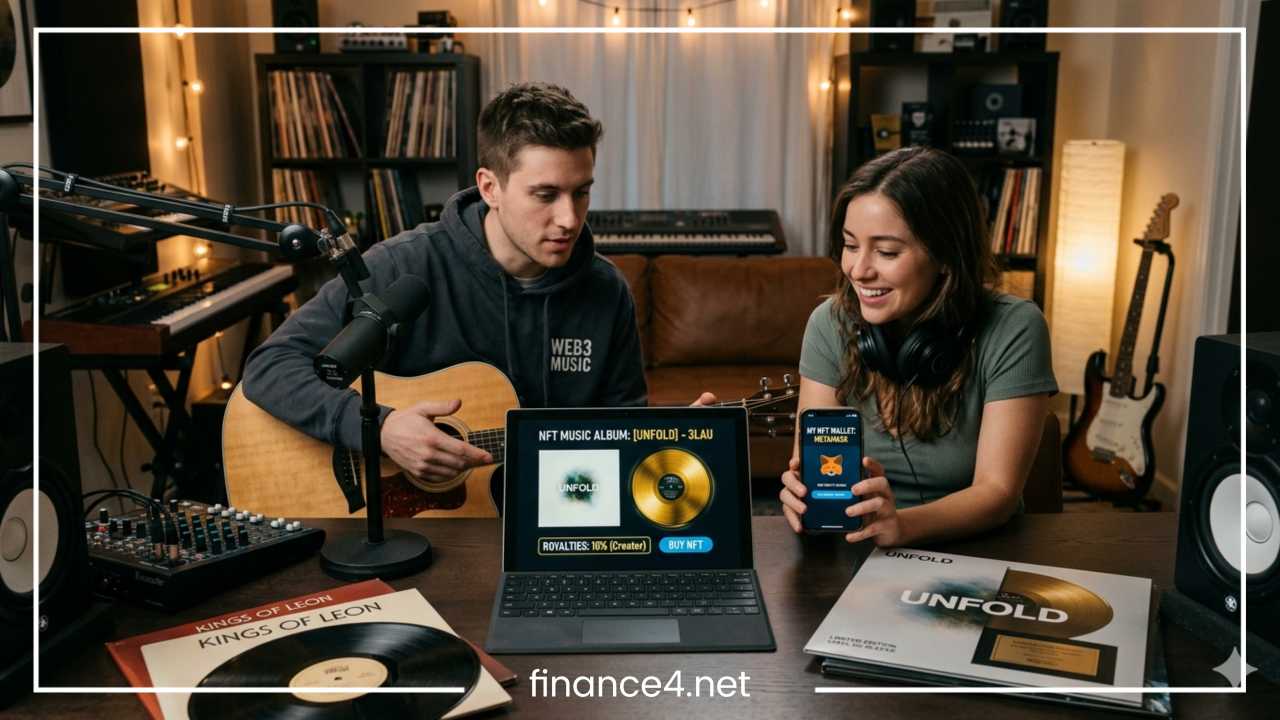
The digital landscape has undergone a tectonic shift, moving from a centralized web where creators were at the mercy of platform algorithms to a decentralized frontier defined by ownership. At the heart of this revolution is the Non-Fungible Token (NFT). These unique digital certificates, verified by blockchain technology, have redefined how we perceive ownership, art, and value. From multi-million dollar digital paintings and music albums to in-game assets and virtual real estate, NFTs have opened a new dimension for creators to monetize their work directly.
However, for many aspiring artists, the barrier to entry has traditionally been the cost. “Minting”—the technical process of turning a digital file into a blockchain-based asset—frequently involves gas fees. These are transaction costs paid to network validators to process and secure data on the ledger. On popular networks like Ethereum, these fees can fluctuate wildly, sometimes exceeding the value of the artwork itself. This financial hurdle often discourages beginners from taking their first step into the ecosystem.
This is where free NFT minting tools become essential. By offering “gasless” or “lazy” minting options, these platforms allow creators to list their work without any upfront financial risk. These tools are democratizing the space, enabling anyone with a digital creation and an internet connection to participate in the decentralized economy. This comprehensive guide explores the top free NFT minting platforms, providing the deep insights needed to choose the right tool for your creative journey.
What is NFT Minting?
To understand free minting, one must first understand the mechanics of the blockchain. NFT minting is the act of publishing a unique instance of your digital token on a blockchain so that it can be bought, sold, and traded. It is the digital equivalent of a minting press for coins; however, instead of physical currency, you are producing a one-of-a-kind cryptographic asset.
How Minting Works on a Blockchain
When you mint an NFT, you are executing a smart contract—a self-executing piece of code—that assigns ownership and manages the transferability of the asset. Once a file (such as a JPEG, MP4, or 3D model) is minted, it is assigned a unique identifier recorded on a distributed ledger. This record is immutable, meaning it cannot be altered or deleted. The metadata—which includes the title, description, and the link to the file—is also stored, ensuring the provenance and history of the item are transparent to the entire world.
Gas Fees vs. Free Minting Options
In a standard minting scenario, the creator pays a gas fee to the network to process the transaction immediately. Free minting options typically utilize a method called Lazy Minting.
In lazy minting, the NFT isn’t actually written to the blockchain the moment you “create” it on a marketplace. Instead, the data is held in a “pending” state on the platform’s servers. The actual minting transaction—and the associated gas fee—only occurs at the moment a buyer purchases the item. In most cases, the buyer covers the cost of the gas as part of the purchase price, making it a zero-risk proposition for the artist.
Benefits of Using Free NFT Minting Tools
-
Financial Accessibility: Removes the “pay-to-play” barrier, allowing creators from all economic backgrounds to enter the market.
-
Lower Risk: You don’t lose money if your NFT doesn’t sell immediately or if you decide to change the price later.
-
Easier Experimentation: Beginners can test different styles, genres, and collections without a heavy financial commitment.
-
Scaling: Creators can upload large collections (100+ items) without needing a massive upfront crypto balance.
Types of NFT Minting Platforms
Navigating the NFT landscape requires understanding the different environments where minting occurs. Platforms are generally categorized by how they handle the blockchain interface and user permissions.
Centralized Platforms
Centralized platforms (often called managed marketplaces) act as intermediaries. They provide a “Web2” feel, handling technical complexities like wallet interactions or metadata hosting behind a user-friendly interface. While they offer ease of use, they may have more control over which creators are allowed to mint and may charge higher service fees upon sale.
Decentralized Platforms
Decentralized platforms are permissionless. Anyone can connect a crypto wallet and start minting immediately without an approval process. These platforms emphasize the core “Web3” philosophy of peer-to-peer interaction and give the creator full control over their smart contracts.
Lazy Minting Platforms
This is a specific feature found on both centralized and decentralized marketplaces. It allows the creator to sign a “minting authorization” rather than executing a full blockchain transaction. This authorization remains off-chain until a sale is triggered.
Comparison Table: Pros and Cons
| Platform Type | Pros | Cons |
| Centralized | High security, curated audience, easy UI. | Lack of full control, platform fees. |
| Decentralized | Full ownership, no gatekeepers, global reach. | Higher technical learning curve. |
| Lazy Minting | Zero upfront cost, beginner-friendly. | High gas fees for the buyer (on Ethereum). |
| L2/Sidechain | Extremely low fees, fast transactions. | Requires “bridging” assets from Mainnet. |
Key Features to Look for in Free NFT Minting Tools
When choosing a platform, looking for the “Free” label is just the start. To ensure your digital assets remain secure and valuable, look for these features:
-
Zero Gas Fees or Lazy Minting Support: Confirm the platform explicitly offers a gasless option to avoid “surprise” fees during the upload process.
-
User-Friendly Interface: For beginners, a clean, drag-and-drop interface is vital. You shouldn’t need to be a developer to mint an NFT.
-
Multiple Blockchain Support: Does the platform support low-fee blockchains like Polygon, Solana, or Tezos? Being locked into a high-fee network can deter potential buyers.
-
Customization Options: Look for tools that allow you to add detailed properties, levels, and stats to your NFTs. This is crucial for gaming assets or complex art collections.
-
Royalties: A key benefit of NFTs is the ability to earn a percentage of every secondary sale. Ensure the tool lets you set and enforce these royalties (usually between 2.5% and 10%).
-
IPFS Storage: Your NFT’s media should be stored on the InterPlanetary File System (IPFS) to ensure the image or video doesn’t disappear if the marketplace’s private servers go offline.
Top Free NFT Minting Tools and Platforms
1. OpenSea
As the largest NFT marketplace in existence, OpenSea is the primary destination for creators. It pioneered the concept of lazy minting, allowing users to build entire collections for free.
-
Overview: A massive, open-access marketplace that hosts everything from photography to virtual land.
-
Features: Multi-chain support, robust collection management, and an easy-to-use “Create” wizard.
-
Supported Blockchains: Ethereum, Polygon, Klaytn, Solana, Base, and Arbitrum.
-
How to Mint for Free: When creating a collection, select the Polygon network. This allows for gas-free minting and listing. On Ethereum, you can use their “Lazy Minting” feature where the NFT is only minted upon sale.
-
Limitations: Because it is so large, it is highly competitive. Your work can easily be buried under thousands of new listings.
-
Ideal User: Beginners and established artists who want the widest possible audience.
2. Rarible
Rarible is a community-centric platform known for its flexibility and its focus on empowering creators through decentralized governance.
-
Overview: A platform that balances high-end art with a “wild west” feel where anyone can participate.
-
Features: Detailed royalty customization (up to 50% in some cases), multi-wallet support, and the ability to mint “locked” content.
-
Supported Blockchains: Ethereum, Flow, Tezos, Polygon, and Immutable X.
-
How to Mint for Free: Rarible has a “Free Minting” toggle during the creation process. By switching this on, you utilize lazy minting, shifting the gas cost to the buyer.
-
Limitations: The interface is slightly more cluttered than OpenSea’s, which might confuse absolute novices.
-
Ideal User: Creators who value community engagement and want high royalty percentages.
3. Mintable
Mintable is specifically designed to be the “Etsy” of the NFT world. It offers one of the most straightforward gasless minting experiences available.
-
Overview: A user-friendly marketplace backed by high-profile investors like Mark Cuban.
-
Features: No-code store creation, “printable” NFTs, and batch minting for high-volume creators.
-
Supported Blockchains: Ethereum, Immutable X.
-
How to Mint for Free: Choose the “Gasless” minting option when uploading your file. Mintable handles the technical side, allowing your item to appear on the Ethereum mainnet without you spending a single wei.
-
Limitations: Items minted through the gasless shop are stored in a Mintable-shared contract rather than your own unique contract.
-
Ideal User: Beginners who want to avoid the complexities of crypto wallets and gas fees entirely.
4. Zora
Zora is a decentralized protocol designed for creators who want to own their “market” as much as their art.
-
Overview: A minimalist, highly aesthetic platform favored by digital artists and musicians.
-
Features: Focus on “Open Editions,” creator rewards, and a highly decentralized architecture.
-
Supported Blockchains: Zora Network (Layer 2), Ethereum.
-
How to Mint for Free: While Zora is decentralized, minting on the Zora L2 network is incredibly cheap (fractions of a cent). They also offer creator rewards where the protocol pays you when others “collect” your work.
-
Limitations: Requires a slightly higher level of technical comfort with Layer 2 bridging.
-
Ideal User: Professional digital artists and those looking for a “purer” decentralized experience.
5. Kalamint
For those concerned about the environmental impact of blockchain technology, Kalamint is a premier Tezos-based marketplace.
-
Overview: A curated, quality-first marketplace that operates on the energy-efficient Tezos blockchain.
-
Features: Eco-friendly minting, incredibly low fees, and a strong community of “CleanNFT” advocates.
-
Supported Blockchains: Tezos.
-
How to Mint for Free: While not strictly “lazy” minting, the cost to mint on Tezos is so low (usually less than $0.10) that it is practically free compared to Ethereum.
-
Limitations: A smaller, more niche audience compared to the Ethereum-based giants.
-
Ideal User: Eco-conscious artists and those interested in the “Tez” art scene.
6. NFTrade
NFTrade is a cross-chain aggregator that allows users to create and trade NFTs across various networks in a single hub.
-
Overview: A utility-heavy platform that serves as a bridge between different blockchain ecosystems.
-
Features: Cross-chain swaps, NFT farming, and a comprehensive all-in-one dashboard.
-
Supported Blockchains: Ethereum, Polygon, BNB Chain, Avalanche, and Moonbeam.
-
How to Mint for Free: Use the “Free Minting” toggle on the creation page. This utilizes the lazy minting standard across their supported chains.
-
Limitations: The platform is heavily focused on trading and DeFi, which might feel distracting for pure artists.
-
Ideal User: Power users who want to operate across multiple blockchains simultaneously.
7. Mintbase
Mintbase is more than just a marketplace; it is a toolkit for building your own NFT-powered business.
-
Overview: A developer-friendly platform built on the NEAR Protocol.
-
Features: Deploy your own smart contracts, set up custom “stores,” and integrate NFTs into other applications easily.
-
Supported Blockchains: NEAR Protocol.
-
How to Mint for Free: NEAR is an ultra-low-cost blockchain. Mintbase allows creators to set up stores for a very small fee, and subsequent minting is virtually free due to the network’s efficiency.
-
Limitations: Requires using a NEAR-specific wallet rather than the common MetaMask.
-
Ideal User: Advanced creators and brands looking to build a custom storefront or ecosystem.
Step-by-Step Guide to Minting Your First NFT
If you are ready to turn your digital art into an NFT for free, follow this simple, generalized workflow:
-
Choose Your Platform: For the easiest experience, start with OpenSea (on Polygon) or Rarible (using the Free Minting toggle).
-
Set Up a Wallet: Download a browser extension like MetaMask or Phantom. This acts as your digital passport. Ensure you save your “Seed Phrase” (usually 12–24 words) in a physical, secure location. Never share this phrase.
-
Prepare Your Asset: Ensure your file is in a high-quality format. Most platforms support JPEGs, PNGs, GIFs, and MP4s up to 100MB.
-
Create a Collection: On your chosen platform, go to the “Create” section. It is best to create a “Collection” first; this acts as a branded folder for your work and makes it look professional to buyers.
-
Upload and Add Metadata: Upload your file. Give it a compelling title and a description that tells the story behind the art. Add “Properties” (e.g., Color: Crimson, Mood: Ethereal) to help collectors filter your work.
-
Toggle Free Minting: Look for the “Lazy Minting” or “Free Mint” option. On OpenSea, you achieve this by selecting the Polygon blockchain in the dropdown menu.
-
Sign and List: Your wallet will pop up asking for a digital signature. This is not a transaction and will not cost gas. Once signed, your NFT is live and ready for a buyer to collect!
Tips to Maximize Free NFT Minting
Minting for free is a great start, but success in the NFT space requires a strategic approach.
-
Avoid Scams and Phishing: Never click on suspicious links or connect your wallet to sites you don’t trust. A common scam involves “support agents” asking for your seed phrase. Ignore them.
-
Use IPFS for Decentralized Storage: When minting, ensure the platform uses IPFS. This ensures that even if the marketplace website goes down, your artwork remains accessible via its cryptographic hash.
-
Start Small: Before attempting a 10,000-piece “generative” collection, try minting 5-10 unique 1-of-1 pieces. This helps you build a “floor price” and a track record of sales.
-
Promote Your Work: NFTs are heavily driven by social proof. Build a presence on platforms like X (Twitter), Discord, and Farcaster. Share “Work in Progress” shots and engage with other creators.
-
Understand Your Blockchain: If you mint on Polygon, your buyers will need MATIC or “Polygon ETH.” Make sure your promotional materials mention which network you are using so buyers can prepare.
Future of Free NFT Minting
The trend toward free and low-cost minting is only accelerating. As “Layer 2” solutions—which sit on top of Ethereum to handle transactions faster and cheaper—become the industry standard, the high gas fees of the past are becoming a relic of history.
Furthermore, the rise of AI-generated NFTs is allowing creators to produce vast amounts of content, which necessitates low-cost minting to remain economically viable. We are also seeing the emergence of “Social Minting,” where users can mint NFTs directly from a social media post or a chat message.
In the coming years, we can expect:
-
Seamless Interoperability: The ability to mint an NFT on one platform and move it to another for free.
-
Utility-First NFTs: Minting tools that allow you to easily add “utility,” such as access to a private club or a physical product, without needing to write custom code.
-
Wider Adoption: As the technical and financial barriers to the blockchain become invisible, the true value of an NFT will lie solely in the creativity of the artist and the strength of the community.
Final Thoughts
Free NFT minting tools have transformed the digital landscape, making it possible for anyone—regardless of their financial situation—to claim ownership of their digital destiny. Whether you choose the massive reach of OpenSea, the creator-friendly ethos of Rarible, or the eco-conscious environment of Kalamint, the power to tokenize your work is now at your fingertips.
When starting out, prioritize platforms that offer lazy minting and multi-chain support. Remember that while the minting might be free, your success will depend on your security practices, your choice of blockchain, and your ability to connect with an audience. The world of NFTs is a vast, ever-evolving space—go ahead and make your mark on the blockchain today.