Top NFT Aggregator for Collectible Trading Cards
 by
by 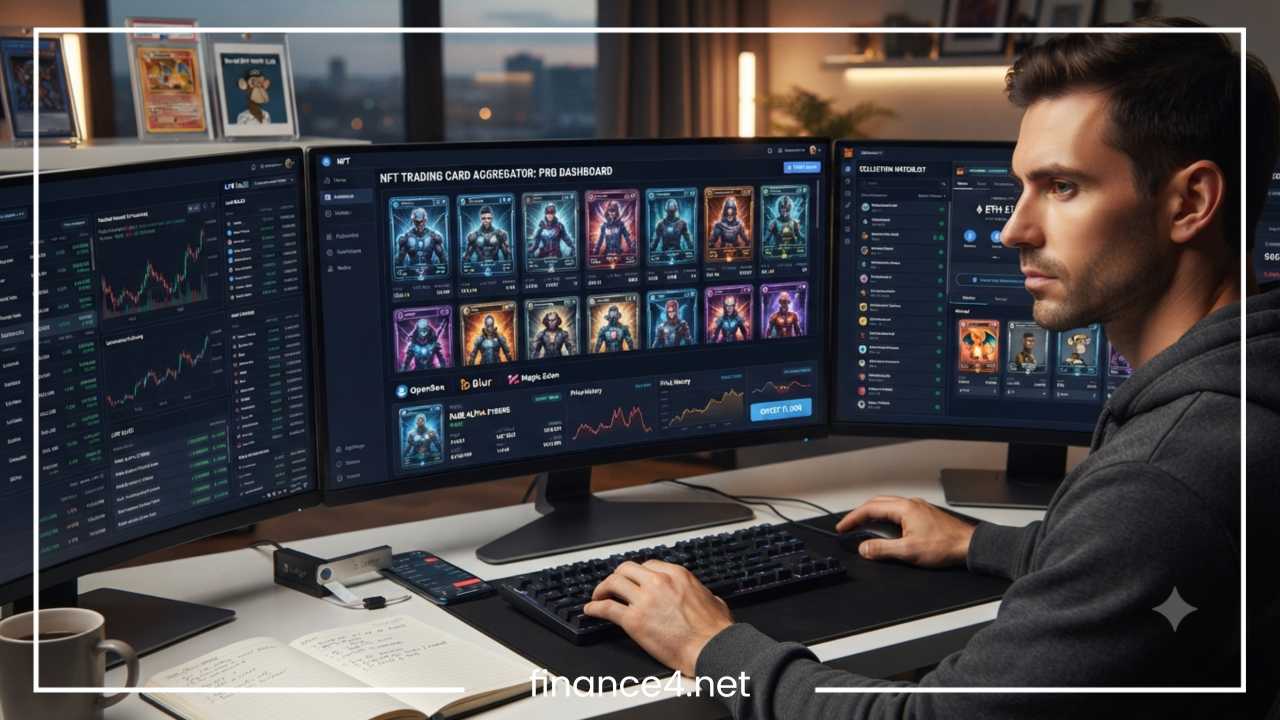
Top NFT Aggregator for Collectible Trading Cards (Ultimate Guide)
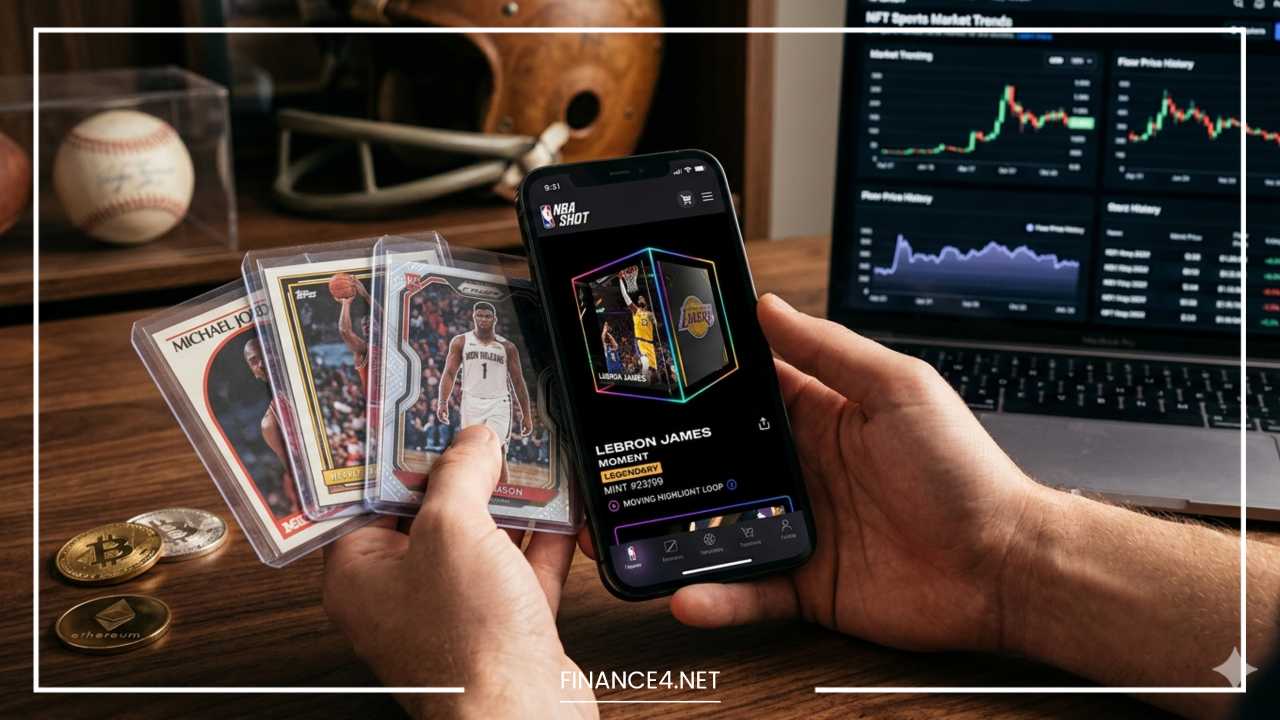
The digital asset ecosystem has transformed how enthusiasts interact with hobbies, bringing the age-old tradition of collecting trading cards firmly into the Web3 era. Collectible trading card NFTs have exploded in popularity, transitioning from niche digital novelties into a multi-million dollar global economy. Whether it is fantasy sports cards, blockchain-based tactical battle games, or digital iterations of classic tabletop franchises, tokenized cards now command significant liquidity and massive communities.
However, as the market expands, it fragments. A single trading card collection might have its supply scattered across five or six separate decentralized applications and proprietary marketplaces, each maintaining its own order books, floor prices, and transaction fees. For collectors seeking to build competitive decks or secure undervalued assets, manual cross-reference across multiple platforms is inefficient, exhausting, and financially disadvantageous.
This friction has catalyzed the rise of the NFT marketplace aggregator. By consolidating listing data from across the entire Web3 ecosystem into a single unified terminal, these specialized platforms give users a comprehensive look at the digital asset landscape.
What Is an NFT Aggregator?
An NFT aggregator is a specialized web terminal or protocol that compiles listings, pricing data, and historical transaction metrics from multiple underlying NFT marketplaces into a single user interface. Instead of requiring a user to visit several decentralized applications individually to find the best deal, an aggregator pulls real-time information from across the entire blockchain landscape, allowing traders to execute transactions across different platforms simultaneously.
How an NFT Aggregator Operates
Aggregators use custom indexers and application programming interfaces (APIs) to constantly scan the smart contracts of supported marketplaces. When a seller lists a digital trading card on any integrated platform, the aggregator immediately indexes the listing, capturing critical metadata such as token ID, specific traits, price, and the marketplace host. When a buyer executes a purchase through the aggregator, the platform routes the transaction directly through the underlying marketplace’s smart contract, functioning as an optimization layer rather than a custody provider.
Marketplace vs. Aggregator
Understanding the structural difference between a standalone marketplace and an aggregator is foundational for navigating the asset class effectively:
-
Marketplace: Actively hosts and lists non-fungible tokens directly on its proprietary platform. It relies strictly on its internal user base to generate supply, demand, and liquidity. Transactions are governed entirely by the native smart contracts of that specific site.
-
Aggregator: Does not typically maintain an exclusive, localized order book. Instead, it pulls existing listings from numerous individual marketplaces. It acts as a search engine and fulfillment mechanism, enabling unified access to diverse liquidity pools.
Core Structural Advantages
-
Better Price Discovery: By showcasing listings from multiple independent platforms side by side, aggregators instantly expose instances where the exact same card tier or specific asset is undervalued on one platform relative to another.
-
More Liquidity: Consolidating multiple order books yields a significantly deeper pool of buyers and sellers, mitigating slippage and accelerating transaction speeds.
-
One-Click Purchasing: Users can acquire multiple digital cards hosted on entirely different marketplaces in a single blockchain interaction, drastically reducing checkout friction.
-
Cross-Market Search: Advanced querying tools enable collectors to parse the entire decentralized ecosystem using a single search query, locating specific serial numbers or obscure card variants instantly.
Why Collectible Trading Card NFTs Need Aggregators
Collectible trading cards possess distinct economic structures that differentiate them from standard profile picture (PFP) collections or open-edition digital art. These distinctions make the implementation of an aggregator essential for serious collectors and active market participants.
Thousands of Complex Collections
Unlike a standard collection containing a flat volume of ten thousand unique pieces, trading card ecosystems regularly feature massive catalogs spanning multiple sets, expansions, elemental affinities, rarity tiers, and foil variations. Managing inventory across thousands of distinct card types makes standalone marketplace interfaces unwieldy and structurally insufficient for comprehensive discovery.
Listings Fragmented Across the Web
Because card games often launch proprietary localized marketplaces while secondary trading continues on general-purpose applications, supply becomes heavily fragmented. An essential utility item needed for a competitive tournament deck might be listed on a specialized gaming marketplace, a broad-market Ethereum protocol, and a high-frequency layer-2 application simultaneously. Aggregators eliminate this fragmentation by unifying the ecosystem.
Arbitrage and Price Variance
Due to differing platform traffic and localized seller behavior, significant price discrepancies emerge for identical assets across separate platforms. An unverified or casual seller might list a highly sought-after holographic card on a general platform for a fraction of its true market value on a dedicated gaming marketplace. Aggregators highlight these discrepancies instantly, letting rapid buyers capitalize on mispriced items.
Rare Card Discovery
In competitive card gaming, specific attributes—such as unique serialized printing numbers, rare tournament stamps, or specific cosmetic borders—command massive premiums. Aggregators feature deep trait-filtering infrastructure that can scan multi-marketplace inventories simultaneously, allowing collectors to isolate these rare variations without manually checking dozens of pages.
Centralized Portfolio Tracking
Active collectors hold assets scattered across various protocols and chains. An aggregator serves as a command center, displaying the aggregate real-time value of an entire trading card portfolio by compiling floor prices and recent sales data from all major transactional hubs.
High-Velocity Execution
When a card becomes highly dominant in a competitive meta, demand spikes instantly. Aggregators allow traders to execute bulk orders within seconds, clearing out undervalued floor stock across multiple distinct storefronts simultaneously before the broader market can adjust.
Features to Look for in an NFT Aggregator
Not all aggregation terminals provide identical utility. When selecting a platform specifically for managing and acquiring digital trading cards, several highly technical components dictate long-term profitability and operational efficiency.
Multi-Marketplace Support
The absolute core metric of an aggregator is the breadth of its integration network. The terminal must index not only the massive, general-purpose transactional hubs but also the niche decentralized applications and native protocols where gaming assets are primarily traded.
Fast Search Performance
Digital card asset values fluctuate rapidly based on tournament outcomes, patch updates, and real-world hype cycles. The aggregator’s backend indexing infrastructure must refresh order books within seconds of a listing being posted or cancelled on an underlying marketplace, preventing failed transactions caused by attempting to purchase expired or already-filled listings.
Collection Filters
A premium aggregator offers granular filtering capabilities that let users parse through complex gaming ecosystems. Users must be able to organize results by specific card sets, distinct expansion waves, release years, or specific faction attributes rather than merely viewing a chaotic wall of chronological listings.
Trait Filters
For trading cards, traits represent everything from attack power and defensive metrics to specific card text and foil patterns. An optimized terminal allows users to input highly specific string queries and mathematical ranges (e.g., searching for cards with a specific stat value greater than eighty) across the entire aggregated supply pool.
Lowest Price Detection
Advanced routing algorithms within the aggregator should automatically calculate the true net cost of an asset. This means assessing the base list price alongside platform-specific taker fees and fluctuating network gas costs to present the actual, absolute lowest cost option to the end consumer.
Wallet Integration
Broad compatibility with hardware and software web3 wallets across multiple cryptographic networks ensures smooth operation. The aggregator must handle secure transaction signing for disparate smart contracts smoothly, converting multi-step marketplace calls into basic, understandable wallet prompts.
Bulk Buying (Floor Sweeping)
A mandatory feature for high-volume traders, bulk buying allows users to select dozens of distinct digital cards from an array of separate underlying marketplaces and purchase them simultaneously in a single, combined transaction. This significantly minimizes network transaction overhead.
Bulk Listing
For collectors looking to liquidate assets or adjust portfolio weights, bulk listing capabilities allow them to list dozens of cards onto multiple secondary marketplaces with variable pricing structures from a single, unified inventory screen, minimizing time spent configuring individual listings.
Real-Time Updates
Static pages are a major disadvantage in high-frequency trading environments. The platform should leverage real-time data streaming to update pricing charts, volume metrics, and individual order book additions dynamically without requiring manual webpage refreshes.
Mobile Compatibility
Valuable listings can appear at any time. A highly functional aggregator requires either a dedicated mobile application or a meticulously responsive web design that preserves deep analytics charts, rapid search tools, and secure web3 wallet connectivity on mobile viewports.
Top NFT Aggregators for Collectible Trading Cards
Evaluating the premier aggregation systems requires analyzing their architecture, protocol compatibility, fees, and operational strengths when dealing with complex trading card environments.
Magic Eden
Originally built as a specialized venue for the high-throughput Solana ecosystem, Magic Eden has grown into a powerful multi-chain marketplace and aggregation network. It serves as a major hub for digital trading cards due to its native integrations across multiple Layer-1 and Layer-2 blockchains.
-
Supported Chains: Solana, Ethereum, Bitcoin (Ordinals), Polygon, Base, Arbitrum, and ApeChain.
-
Trading Card Collections: Hosts deep volume for major blockchain card games, parallel-universe strategy cards, and various multi-chain fantasy sports projects.
-
Pros: Highly responsive user interface; deep institutional connections with Web3 gaming studios; native support for non-EVM digital artifacts like Bitcoin Ordinals.
-
Cons: Aggregation functions are sometimes secondary to its proprietary launchpad assets; localized fee adjustments vary by chain.
-
Best for: Multi-chain collectors who want a balanced blend of traditional marketplace design and cross-network asset discovery.
OpenSea
As a true pioneer of the non-fungible token economy, OpenSea features massive general-purpose volume while integrating its advanced “OpenSea Pro” terminal infrastructure to provide native aggregation capabilities across the digital asset space.
-
Strengths: Unparalleled historical data depth, extensive collection indexing, and comprehensive metadata tracking for legacy digital trading cards.
-
Card Ecosystem: The largest historical archive of early digital trading cards, fantasy sports tokens, and community-driven indie card games.
-
Supported Chains: Ethereum, Polygon, Arbitrum, Optimism, Avalanche, Base, Solana, Flow, Ronin, and Monad.
-
Pros: Massive built-in liquidity pool; deeply trusted smart contract architecture; incredibly robust trait-filtering tools for complex cards.
-
Cons: Platform fees on secondary sales remain a consideration compared to zero-fee platforms; general interface can feel cluttered due to the sheer variety of non-gaming assets.
Blur
Blur was engineered from the ground up as a hyper-fast trading terminal catering specifically to professional market participants and high-volume institutional liquidity providers. It treats NFTs like traditional financial instruments, prioritizing speed over visual aesthetics.
-
Suitability for Professional Traders: Blur features zero platform fees, real-time data updates, detailed candlestick charts, and native floor-sweeping tools that operate faster than general consumer platforms. For users treating digital cards as high-frequency trading vehicles, its bidding pools offer deep financial optimization.
-
Supported Chains: Ethereum and Blast.
-
Pros: Unmatched execution speed; zero native platform fees; powerful loyalty point allocations and incentives; advanced bulk order execution.
-
Cons: Interface has a steep learning curve for beginners; completely lacks support for non-EVM networks like Solana or Bitcoin.
Tensor
Tensor represents the premier high-frequency trading and aggregation protocol native to the Solana blockchain, operating with an architecture similar to Blur but optimized for Solana’s speed and low fees.
-
Solana Coverage: It provides deep real-time analytics, automated market-making (AMM) liquidity pools, and comprehensive coverage of all major Solana-based trading card networks and utility tokens.
-
Supported Chains: Solana.
-
Pros: Lightning-fast transaction handling; advanced financial options such as price locks; comprehensive automated collection bidding.
-
Cons: Strictly confined to the Solana ecosystem; terminal presentation can overwhelm casual collectors.
Uniswap NFT Aggregator
Following its acquisition and integration of legacy aggregation protocols like Gem, Uniswap developed a unified interface that lets users trade digital assets alongside its core decentralized finance (DeFi) liquidity pools.
-
Overview: Focuses heavily on smart contract efficiency, utilizing optimized routing algorithms to bundle multi-marketplace purchases into a single, highly cost-effective transaction payload.
-
Supported Chains: Ethereum and major Layer-2 scaling networks.
-
Pros: Excellent gas optimization during bulk checkouts; clean user interface; backed by one of the most trusted security profiles in decentralized finance.
-
Cons: Feature set is basic compared to dedicated gaming terminals; lacks granular filtering for highly complex gaming traits.
OKX NFT Marketplace
Housed within the broader OKX Web3 ecosystem, this platform serves as a powerful multi-chain aggregator that pulls order book data across numerous distinct decentralized networks.
-
Overview: Provides a highly globalized, multi-chain gateway that aggregates listings across major external platforms while linking directly with the OKX non-custodial wallet infrastructure.
-
Supported Chains: Ethereum, Solana, Polygon, Arbitrum, Optimism, Base, BNB Chain, and Avalanche.
-
Pros: Broad multi-chain aggregation footprint; excellent integration with structural wallet tools; zero additional platform listing fees.
-
Cons: Discovery elements are highly general; can lack the deep, targeted gaming data structures found on specialized platforms.
Element Market
Element Market is a community-driven, multi-chain aggregation protocol explicitly engineered to lower gas costs and provide high-efficiency bulk trading tools for retail participants.
-
Overview: Features an optimized cross-marketplace toolkit, including bulk purchasing, collection bidding, and real-time asset compilation across diverse network standards.
-
Supported Chains: Ethereum, BNB Chain, Polygon, Avalanche, Arbitrum, Optimism, Base, and Linea.
-
Pros: Consistently low gas usage due to custom smart contract routing; inclusive rewards systems; responsive listing updates.
-
Cons: Brand presence is smaller, resulting in lower direct localized order book liquidity compared to absolute industry leaders.
Comparison Table
The following matrix provides a comparative analysis of the leading aggregation terminals across core operational metrics:
| Aggregator | Chains Supported | Platform Trading Fees | Bulk Checkout (Sweeping) | Portfolio Analytics | Best For |
| Magic Eden | Solana, ETH, BTC, Polygon, Base, Arbitrum | Varies by chain/source | Yes | Intermediate | Multi-Chain Gamers |
| OpenSea | ETH, Polygon, Arbitrum, Sol, Base, Optimism, etc. | ~0.5% – 2.5% depending on track | Yes | Basic to Advanced | Casual Collectors & Legacy Assets |
| Blur | Ethereum, Blast | 0% | Yes | Advanced | High-Volume Pro Day Traders |
| Tensor | Solana | Collection dependent | Yes | Advanced | Solana Power Users |
| Uniswap | Ethereum, Layer-2 Networks | 0% additional | Yes | Basic | Gas-Conscious DeFi Users |
| OKX NFT | ETH, Solana, Polygon, BNB, Base, etc. | 0% additional | Yes | Intermediate | Global Multi-Chain Investors |
| Element | ETH, BNB, Polygon, Avalanche, Arbitrum, etc. | 0% additional | Yes | Intermediate | Cost-Sensitive Retail Traders |
Benefits of Using an NFT Aggregator
Integrating a premier aggregation platform into a trading routine provides substantial long-term benefits across financial and operational metrics.
Massive Time Savings
Instead of opening multiple browser tabs, logging into separate accounts, and executing repetitive search terms across disconnected platforms, a collector uses one unified search bar. The aggregator parses millions of data points instantly, returning comprehensive market availability within fractions of a second.
Unlocking Lower Net Costs
Because aggregators sort the global supply by absolute cost (including calculated network gas costs and platform platform fees), users are guaranteed to secure the cheapest available option for a specific card tier. This eliminates the hidden financial penalty of buying a higher floor price asset simply because it was listed on a more recognizable standalone marketplace.
Capitalizing on Enhanced Liquidity
Deep consolidated liquidity means orders fill rapidly and spreads remain tight. For active investors attempting to exit large card positions or acquire complex plays containing dozens of distinct assets, accessing a combined order book ensures orders are filled quickly with minimal price distortion.
Unified Wallet Operations
Aggregators allow collectors to interact with numerous decentralized applications without directly connecting their web3 wallets to dozens of unverified, separate domain spaces. Managing transactions through a single reputable aggregation layer helps protect sensitive cryptographic keys.
Streamlined Discovery Mechanics
Advanced algorithmic organization tools let users sort available trading card inventories by rapid momentum shifts, historical sales spikes, or sudden contractions in floor depth. This data enables collectors to identify macro-trends across the trading card space early.
Deep Analytics Integration
Premium aggregators provide historical price trend charts, individual wallet holding distributions, volume indicators, and detailed trait scarcity matrices. These comprehensive metrics transform speculative purchasing decisions into calculated, data-backed financial plays.
Finding Mispriced Rare Cards
Casual players frequently list highly valuable cards featuring top-tier competitive stats or rare aesthetic cosmetics based entirely on standard floor pricing, unaware of the premium their specific traits command. Aggregators allow eagle-eyed collectors to immediately isolate these undervalued assets out of a massive global pool.
Challenges and Risks
While aggregation protocols offer clear optimization benefits, navigating these high-throughput trading terminals presents inherent technical risks and operational hazards that require strict vigilance.
Fake and Counterfeit Collections
Malicious bad actors frequently mint exact visual duplicates of popular trading card assets, hosting them under subtly altered project names across less regulated or unverified marketplaces. If an aggregator indexer parses these fraudulent contracts without rigorous filtering, an unwary buyer might accidentally purchase a worthless counterfeit card thinking they secured a discounted authentic asset.
Smart Contract Vulnerabilities
Aggregators rely on complex codebases to bundle interactions and route calls through external marketplace protocols. If an exploit or vulnerability is discovered within the aggregator’s routing contract, users could potentially expose their transacting funds to security risks.
Volatile Gas Fee Calculations
Executing bulk transactions involves interacting with multiple distinct smart contracts simultaneously. If network traffic surges mid-transaction, the gas fees required to process a complex multi-card buy can spike unexpectedly, sometimes exceeding the financial savings gained by using the aggregator in the first place.
Phishing and Malicious Domain Impersonation
Because aggregators handle high transaction volumes, they are prime targets for cybercriminals. Phishing groups frequently deploy visually identical clone sites hosted on lookalike domains. Connecting a web3 wallet to these malicious interfaces can result in unauthorized draining of digital assets.
Wash Trading and Artificially Inflated Metrics
Manipulative entities often trade assets back and forth between controlled wallets across separate marketplaces to simulate organic market demand and manipulate floor prices. Aggregators compile these raw transaction histories indiscriminately. Collectors must verify that volume metrics stem from legitimate, widely distributed organic participants rather than a small cluster of coordinated wallets.
General Security Best Practices
-
Verify Contract Address Verification: Always cross-reference the unique smart contract hash of a trading card collection against the official game documentation before finalizing a purchase.
-
Utilize Dedicated Hot Wallets: Never connect a primary long-term storage hardware wallet directly to active trading terminals. Instead, use a separate hot wallet containing only the precise capital required for immediate purchases.
-
Double-Check URLs: Bookmark verified aggregator web spaces directly and avoid accessing platforms via unverified social media links or sponsored search engine results.
How to Choose the Right NFT Aggregator
The optimal aggregator depends heavily on an individual’s specific experience level, available capital, and overarching collecting strategy.
Beginners
For new entrants simply looking to collect their first digital trading cards, minimizing interface complexity is key. Beginners should prioritize user-friendly aggregators like OpenSea or Magic Eden. These platforms feature straightforward, clean visual interfaces, basic filtering systems, clear verification badges, and comprehensive educational materials to ensure safe asset acquisition.
Professional Traders
High-frequency market participants prioritizing raw speed, automated execution, and deep financial tools require advanced terminals like Blur (for Ethereum ecosystems) or Tensor (for Solana networks). These platforms cater to users who need detailed technical charts, absolute zero-fee listing layers, deep collection bidding strategies, and instant floor sweeping tools.
Collectors
True hobbyists focused on hunting down historical variants, specific serial numbers, or rare cosmetic attributes should prioritize aggregators that offer advanced metadata filtering and rich trait analysis tools. OpenSea excels here due to its comprehensive historical collection indexing and highly detailed trait query tools.
Investors
Speculators focused on portfolio metrics, floor price momentum charts, and asset concentration tracking require aggregators with heavy analytical backing. Platforms offering deep wallet distribution insights, historical volume liquidity tracking, and clean cross-marketplace sales histories provide the necessary framework for managing large digital asset portfolios.
Multi-Chain Users
Collectors who actively manage assets across a wide variety of independent layer-1 and layer-2 scaling solutions require multi-chain hubs like Magic Eden or OKX NFT Marketplace. Choosing an aggregator that supports multiple chains allows users to seamlessly manage assets across diverse ecosystems under a single dashboard.
Future of NFT Aggregators
As the digital asset landscape matures, aggregation terminals are shifting from basic search tools into highly advanced financial interfaces.
AI-Powered Recommendations
Future aggregation layers are incorporating machine learning models to analyze a collector’s transaction history, deck composition habits, and historical playing styles. These models can automatically highlight undervalued cards, flag tactical upgrades, and alert users to emerging market opportunities across the global ecosystem before they hit mainstream popularity.
Cross-Chain Trading
The next major structural shift centers on native cross-chain liquidity routing. Future aggregators will enable a user holding assets on Solana to purchase an Ethereum-based trading card in a single checkout step, handling the underlying token swaps, bridging mechanisms, and smart contract execution seamlessly behind the scenes.
Real-World Asset (RWA) Collectibles
The boundary between physical and digital spaces is blurring. Aggregators are expanding to support tokenized variants of physical trading cards—where real-world sports and gaming cards are kept in secure, climate-controlled vaults and represented on-chain via fractionalized or fully backed non-fungible tokens. This allows physical card collectors to utilize the high-speed liquidity, instant tracking, and advanced trading tools of Web3 networks.
Gaming Card NFTs
As Web3 gaming models evolve, digital trading cards are gaining deep utility within complex virtual economies. Aggregators are building specialized tools to track card utility, in-game win rates, active rental yields, and staking rewards directly alongside traditional floor prices.
Instant Liquidity Swaps
Integrating automated market maker (AMM) tech directly into aggregation contracts will allow collectors to instantly swap unwanted cards for desired deck assets, bypassing traditional escrow order books entirely to enable instant inventory adjustments.
Predictive Analytics
Advanced predictive modeling will soon help traders forecast potential floor price shifts by evaluating historical tournament results, active community sentiment trends, deck popularity shifts, and broader on-chain whale wallet accumulation patterns in real time.
Final Thoughts
NFT aggregators have evolved from convenient utility applications into foundational infrastructure for the digital trading card economy. By eliminating market fragmentation, consolidating liquidity, and providing professional-grade analytical tools, these terminals allow collectors and traders to navigate the complex digital asset space efficiently.
When selecting an aggregator, it is vital to balance your specific trading style against the platform’s supported chains, execution speeds, and gas-routing efficiencies. Whether you are a casual player assembling a competitive casual deck, a dedicated collector hunting down rare serialized variants, or a professional day trader executing high-frequency plays, utilizing the right aggregation terminal is essential for maximizing value and staying competitive in the digital asset landscape.
Frequently Asked Questions (FAQ)
What is the best NFT aggregator for digital trading cards?
The best platform depends entirely on your specific trading strategy and network choice. For professional traders looking for high-velocity execution and zero fees on Ethereum and Layer-2 scaling solutions, Blur is widely considered the top analytical terminal. If your primary focus is the high-performance Solana network, Tensor offers the deep liquidity and automated floor-sweeping tools required for fast-paced trading. For general collectors looking for multi-chain capabilities across Bitcoin Ordinals, Solana, and EVM networks, Magic Eden serves as an incredibly powerful hub.
How do NFT marketplace aggregators lower transaction costs?
Aggregators reduce transactional overhead using optimized smart contract routing protocols. Instead of making you buy ten distinct trading cards through ten individual blockchain interactions—which forces you to pay network gas fees for every single checkout—an aggregator allows you to batch these listings into a single transaction payload. By executing multiple smart contract interactions simultaneously, you save significantly on net gas costs. Furthermore, many dedicated aggregation protocols operate with zero native platform fees, helping you secure assets at true cost.
Can I buy collectible trading cards from different marketplaces simultaneously?
Yes, this is the core feature of Web3 aggregation terminals, frequently referred to as “floor sweeping” or bulk buying. The platform’s internal indexer combines active listings from across multiple independent storefronts into a unified interface. You simply select the specific cards you want to add to your cart—regardless of whether they are hosted on separate localized marketplaces—and purchase them all with a single click from your connected Web3 wallet.
Are digital trading cards safer to collect than physical cards?
Digital trading cards offer several unique security advantages over physical collectibles, though they carry their own distinct tech risks.
-
The Digital Advantage: On-chain cards are entirely immune to physical degradation, moisture damage, creases, or surface scratching, meaning their condition remains permanently preserved. Additionally, blockchain ledger history provides instant, unalterable proof of authenticity, completely eliminating the need for expensive third-party grading services to identify counterfeits.
-
The Operational Risk: While physical cards are vulnerable to theft or misplacement, digital cards are vulnerable to smart contract exploits, phishing websites, and malicious wallet drainers. Using dedicated hardware cold-storage wallets is mandatory to keep your digital collection safe.
How do I find rare NFT cards using trait filters?
Because trading card games rely heavily on intricate variables like attack power, elemental affinity, set editions, and cosmetic foil patterns, standard marketplace interfaces can be incredibly difficult to parse. Aggregators solve this by pulling complete metadata sets across every indexed marketplace. Using the terminal’s advanced trait-filtering sidebar, you can set highly specific parameters—such as isolating a card with a specific stat value higher than eighty or querying a specific serialized print run number—across the entire global supply pool instantly.
Why do identical NFT trading cards have different prices on separate platforms?
This phenomenon is known as market fragmentation. Because individual NFT marketplaces rely on their own localized traffic and user bases, a casual seller might list an undervalued card on a general-purpose platform, unaware that the card’s competitive utility has driven up its value on a dedicated gaming marketplace. Because these platforms do not share order books, the price variance remains until an aggregator highlights the discrepancy, allowing rapid buyers to capitalize on the arbitrage opportunity.