Best Ways to Track NFT Trends
 by
by 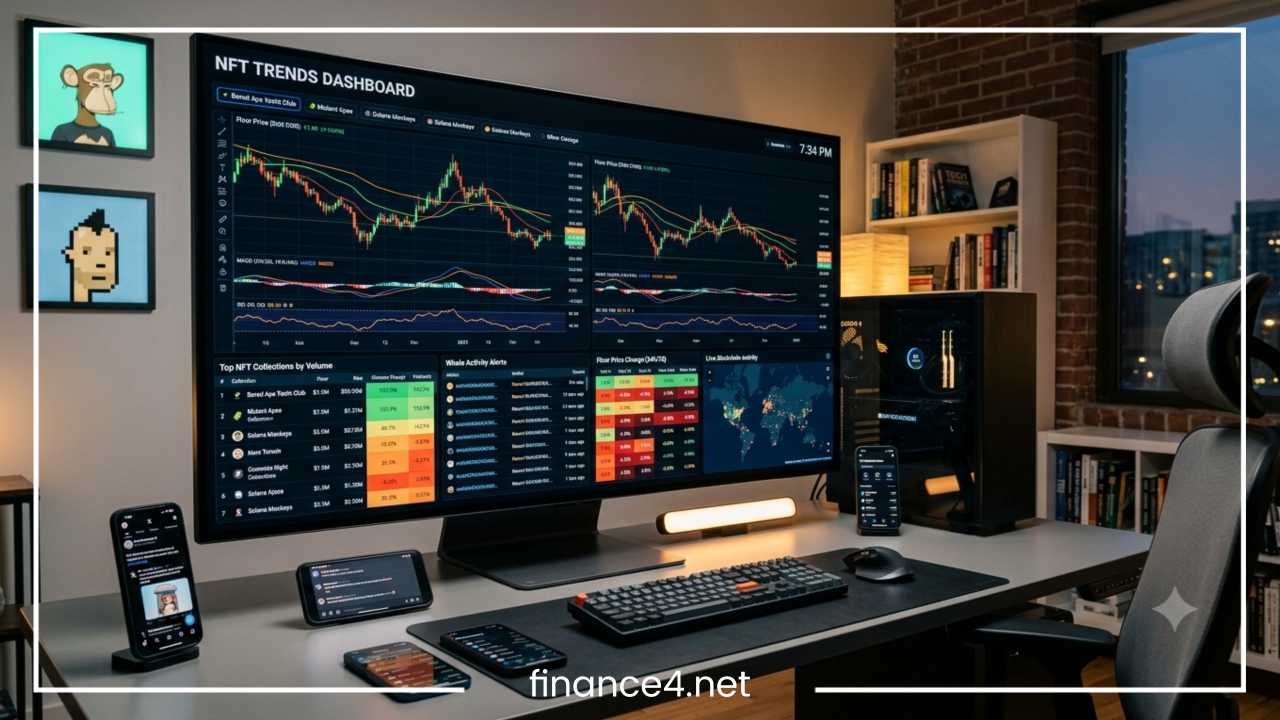
Best Ways to Track NFT Trends: Top Tools & Strategies
The non-fungible token market operates at a breakneck pace, driven by rapid technological advancements, shifting cultural narratives, and speculative trading cycles. What captures the market’s attention one week might be entirely forgotten the next. This immense volatility is exactly why understanding the best ways to track NFT trends is an absolute necessity for anyone participating in this space. Whether you are a digital art collector curating a portfolio, an active trader looking for the next breakout asset, a creator attempting to understand market demands, or an institutional investor seeking exposure to digital property rights, staying ahead of the curve is mandatory.
NFT trends change rapidly because they are deeply intertwined with community sentiment, macro-economic shifts, and the underlying technology of blockchain ecosystems. A sudden technological upgrade, a high-profile brand partnership, or even a viral social media post can instantly redirect liquidity from one category of digital assets to another.
In this comprehensive guide, readers will learn exactly how to navigate this fast-moving landscape. We will cover how trends emerge across different ecosystems, where to find reliable data, how to validate market movements using quantitative and qualitative methods, and the most common mistakes traders make when attempting to ride the hype wave. By the end of this article, you will have a robust framework and a curated toolkit to confidently identify and capitalize on the next wave of NFT market trends.
What Are NFT Trends?
Before diving into the tools and strategies, it is crucial to understand what NFT trends actually look like. They are not monolithic; they manifest across various sectors and layers of the Web3 economy.
Rising collections are the most visible type of trend. These are specific profile picture projects or digital art series that suddenly experience massive spikes in trading volume and public attention. However, trends also emerge at the infrastructure level, such as growing blockchain ecosystems. For example, a surge of liquidity moving from Ethereum to Solana or newer layer-two scaling solutions represents a massive trend that dictates where future successful collections will launch.
Other significant trends include gaming NFTs, where in-game assets and interoperable characters drive value through actual utility and gameplay. AI-generated NFTs have recently surged in popularity, blending machine learning algorithms with digital scarcity. Utility NFTs, which offer real-world perks, software access, or digital rights, are constantly evolving. Furthermore, membership NFTs that grant access to exclusive decentralized autonomous organizations or premium content represent a steady growth sector.
We also see trends in how users interact with the ecosystem, such as the rise of specific NFT marketplaces offering lower fees or better token incentives, and the organic growth of dedicated NFT communities rallying around shared cultures. Identifying these diverse trends early can provide immense financial and strategic opportunities, but it also carries the inherent risk of buying into temporary hype before a sharp market correction.
Why Tracking NFT Trends Is Important
Tracking NFT trends is the difference between blindly gambling and strategically allocating capital. The primary benefit of proactive tracking is the ability to discover projects before they become popular. Getting into a promising collection during its mint phase or early secondary market trading often yields the highest upside potential. However, to do this successfully, you must be able to read the underlying data.
By monitoring trends, you can accurately identify market sentiment. Is the broader market in an accumulation phase where investors are holding long-term, or is it in a distribution phase characterized by rapid flipping and profit-taking? This sentiment analysis helps you understand collector behavior, providing clues on whether retail buyers or institutional “smart money” are driving the current price action.
Furthermore, diligent tracking helps you avoid declining collections. By recognizing early signs of dwindling liquidity and declining community engagement, you can exit positions before a massive loss of value. Beyond individual collections, tracking allows you to spot emerging blockchain ecosystems. If developers and creators are migrating to a new blockchain network due to lower gas fees and better user experience, savvy investors will follow that migration to find early alpha. Ultimately, utilizing reliable NFT tracking tools enables you to make more informed buying and selling decisions based on objective data rather than pure emotion.
Best Ways to Track NFT Trends
Monitor NFT Marketplaces
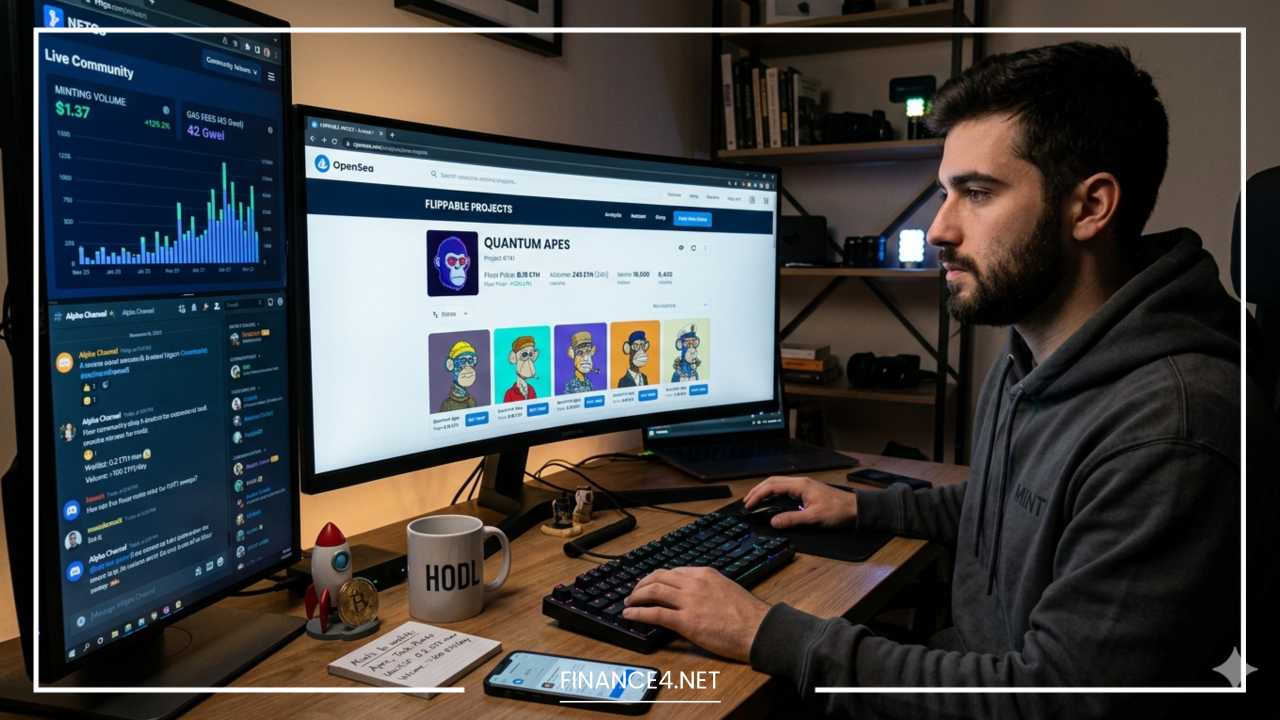
The most direct way to gauge current market interest is by keeping a close eye on major NFT marketplaces. Platforms like OpenSea, Blur, Magic Eden, and Tensor serve as the frontline for secondary trading. By monitoring the native leaderboards on these platforms, you can instantly spot trending collections.
Top sales leaderboards provide insight into where high-net-worth individuals are allocating large sums of capital. Observing new launches on marketplace launchpads can give you a read on the current appetite for primary mints. However, the two most critical metrics to monitor are trading volume and floor prices.
Trading volume indicates the total amount of capital flowing into or out of a collection over a specific timeframe. A collection might have a high valuation, but without substantial trading volume, that valuation is illiquid and purely theoretical. Floor prices represent the lowest price at which an asset in a collection is currently listed for sale. Watching how rapidly a floor price moves up or down in correlation with trading volume gives you a real-time snapshot of supply and demand dynamics.
Use NFT Analytics Platforms
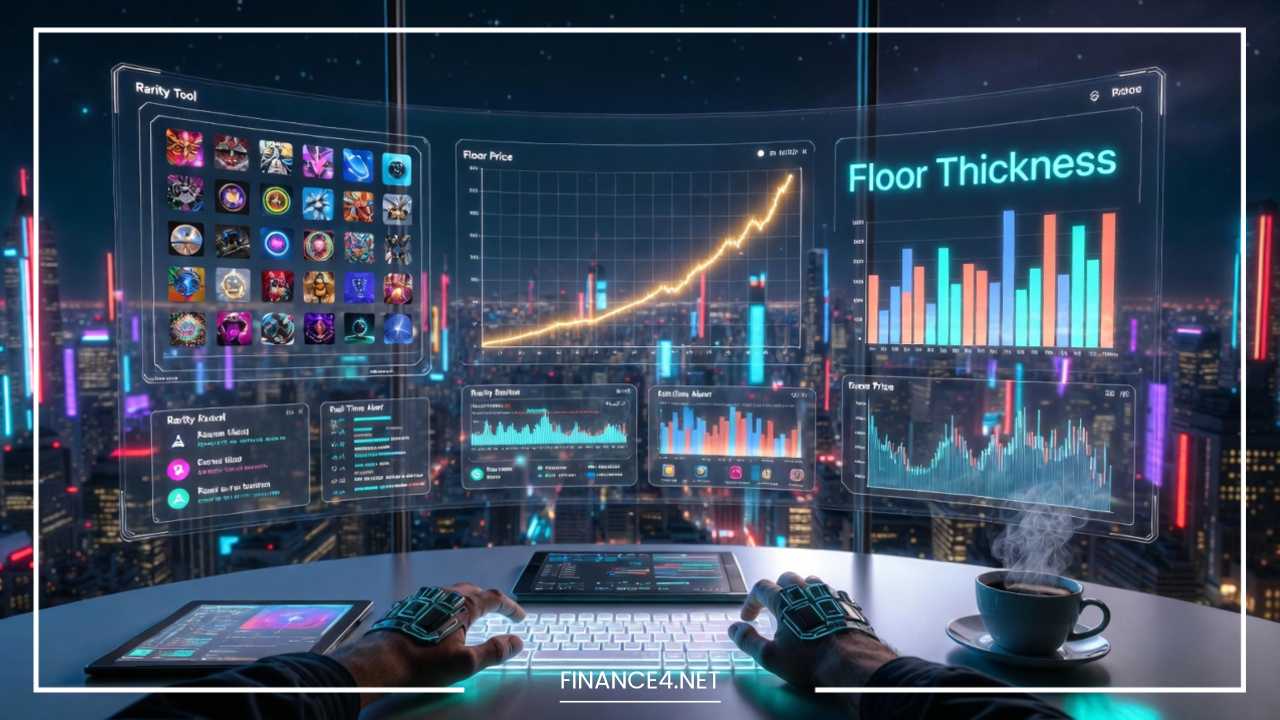
While marketplaces provide surface-level data, dedicated NFT analytics tools offer the granular insights necessary for professional NFT market analysis. Platforms like Nansen, Dune, NFTGo, and CryptoSlam aggregate vast amounts of blockchain data and present it through highly customizable dashboards.
When using these platforms, you should scrutinize the floor price history to understand if a collection is experiencing steady, organic growth or a volatile, manipulated pump. Volume metrics should be broken down into daily and weekly averages to spot sudden divergences. Holder distribution is paramount; you want to see a collection distributed among many unique wallets rather than concentrated in the hands of a few whales who could dump the price at any moment.
Additionally, analyzing whale activity through an NFT wallet tracker reveals whether the most profitable and experienced traders are accumulating or distributing a specific asset. Liquidity analysis determines how easily you could sell an asset at its current valuation without crashing the market. Finally, sales frequency and advanced price charts allow you to apply traditional technical analysis to digital collectibles.
Follow Social Media Communities
The culture and community surrounding a project often precede its financial success. Therefore, monitoring social media is one of the most effective ways to identify trends before they reflect in market data. X (formerly Twitter) remains the global town square for Web3, where creators, developers, and collectors share alpha, announce partnerships, and debate the merits of various ecosystems.
Discord is where the actual community building happens. By joining project servers, you can gauge the organic enthusiasm of the holders, assess the responsiveness of the development team, and monitor the general atmosphere. Telegram serves a similar purpose, often utilized for real-time trading alerts and localized community discussions. Reddit remains a hub for longer-form analysis and skeptical deep dives, which are crucial for vetting projects. Newer, decentralized social protocols like Farcaster are also becoming increasingly vital, as they attract highly technical and early-adopting Web3 crowds. Oftentimes, these communities discover and vet projects weeks before mainstream NFT marketplaces highlight them.
Watch Blockchain Activity
Because blockchain networks are public ledgers, you can view every single transaction in real time. This transparency allows for deep blockchain analytics. Wallet tracking involves identifying and monitoring the addresses of successful traders, venture capital funds, or project founders. By observing “smart money” wallets—addresses with a documented history of high profitability—you can mirror their trades or understand their macroeconomic positioning.
Whale purchases often signal insider confidence or an impending marketing push for a collection. Monitoring large transactions across the network can alert you to sudden liquidity shifts between different sectors of the digital economy. Furthermore, observing mint activity—how quickly a new contract is being interacted with and how much gas users are willing to pay to secure an asset—is a massive leading indicator of demand. On-chain data is undeniable; it often reveals the true state of NFT trends long before social media influencers begin discussing them.
Track NFT Calendar Websites
For those looking to enter projects at the ground level, NFT calendar websites are indispensable tools. These platforms aggregate upcoming NFT launches across various blockchains, allowing you to plan your capital allocation and time your research.
Mint schedules dictate exactly when public and private sales occur. Many calendars also highlight free mint opportunities, which have become a massive trend as they allow users to acquire assets with zero initial capital risk, paying only network transaction fees. Calendars are also essential for tracking allowlists—pre-approved lists of wallets that get early or guaranteed access to a mint. By reviewing the project roadmaps linked on these calendars, you can determine if a launch aligns with current market demands, helping you identify promising early-stage projects before the masses arrive.
Monitor NFT News Websites
Broader market context is just as important as on-chain data. NFT news websites provide the qualitative information necessary to understand why certain assets are moving. Tracking general market news keeps you informed about regulatory changes, macroeconomic shifts, and broad industry sentiment.
News regarding partnerships is highly actionable. When a major Web2 corporation announces a partnership with a Web3 infrastructure provider, the corresponding assets usually experience a surge in interest. Gaming announcements, such as the release of new gameplay footage or integration with major game engines, can instantly validate gaming NFTs. Brand collaborations bring mainstream attention and fresh retail capital into the ecosystem. Finally, blockchain updates—such as network upgrades that reduce transaction costs—often trigger increased activity on those specific networks. Major announcements act as catalysts, profoundly influencing NFT trading volume and price action.
Use Google Trends
While often overlooked by crypto-native traders, Google Trends is an exceptional, free tool for gauging retail interest. Because most new market participants begin their journey with a simple search engine query, search interest can be a highly accurate leading indicator of broader market adoption.
A rising curve in search volume for terms like “how to buy NFTs on Solana” indicates growing popularity and an influx of new capital. You can also identify seasonal demand or track how interest fluctuates alongside the broader cryptocurrency market. Geographic interest data is particularly useful; if a specific digital asset is trending heavily in a particular country, it might correlate with regional marketing campaigns or localized utility. Monitoring search data helps identify emerging NFT categories before they saturate the crypto-specific social media echo chambers.
Subscribe to Newsletters
The sheer volume of information in the Web3 space is overwhelming. Relying entirely on raw data and real-time social media feeds can lead to burnout and poor decision-making. Subscribing to high-quality newsletters is one of the best ways to track NFT trends while saving time.
Look for publications that cover overall NFT markets, providing objective data on weekly winners and losers. Newsletters focused on Web3 investing often provide deeper, fundamental analysis on infrastructure and protocol-level trends. Crypto trends newsletters help contextualize the NFT market within the broader digital asset landscape. Weekly market summaries curate the noise, delivering only the most critical news, data points, and emerging narratives directly to your inbox. This curated information allows you to maintain a macro perspective while executing on micro opportunities.
Follow Influencers Carefully
Influencers, including NFT analysts, developers, artists, collectors, and researchers, command significant attention and can single-handedly move markets. Following them provides insight into current narratives and community sentiment.
However, this strategy requires immense caution. The Web3 space is rife with undisclosed sponsorships and coordinated promotional campaigns. You must learn to distinguish between genuine, data-backed analysis and paid marketing. Developers and researchers tend to offer the most objective insights regarding technological trends and security. Artists and collectors can provide context on aesthetic shifts and cultural relevance. Regardless of the influencer’s reputation, you must always verify their claims using independent NFT analytics tools rather than blindly following their financial advice. Use influencers as a source of discovery, not a source of conviction.
Analyze NFT Project Fundamentals
Hype and momentum can drive short-term price action, but sustainable value is built on solid fundamentals. To truly understand long-term NFT trends, you must evaluate the core foundation of the projects driving the market.
Start with the team. Are they publicly known (doxxed) with a track record of success, or are they anonymous? Investigate the utility of the token—does it provide actual value, software access, or yield, or is it purely speculative? The strength of the community is a massive fundamental indicator; highly engaged, organic communities are far more resilient during market downturns. Analyze the roadmap to ensure the team has a realistic, actionable plan for the future. Investigate their partnerships to confirm they are actively building out their ecosystem. Monitor holder growth to see if the project is consistently attracting new users. Ultimately, assessing a project’s long-term vision ensures you are investing in fundamental value rather than fleeting hype.
Key Metrics to Watch When Tracking NFT Trends
To effectively navigate the market, you must be fluent in the specific data points that indicate health and momentum. Below is a detailed breakdown of the most critical metrics to monitor.
| Metric | What It Indicates |
| Trading Volume | The total monetary value of assets traded. High volume confirms strong market interest and liquidity. |
| Floor Price | The lowest asking price for an item in a collection. It indicates the minimum entry barrier and general baseline value. |
| Market Cap | The estimated total value of the collection (usually calculated by multiplying the floor price by the total supply). |
| Number of Holders | The total unique wallets holding at least one asset from the collection. Higher numbers suggest broader adoption. |
| Holder Concentration | The percentage of the supply held by the top wallets. High concentration indicates risk of massive price drops if whales sell. |
| Mint Price | The original cost to generate the asset on the blockchain. Useful for calculating the baseline profitability of early adopters. |
| Daily Sales | The frequency of transactions occurring within a 24-hour period. High frequency indicates an active, liquid market. |
| Secondary Sales | Revenue generated after the initial mint. Strong secondary sales show sustained interest beyond the initial launch hype. |
| Wallet Growth | The rate at which new, unique users are buying into the collection over time. |
| Listing Percentage | The percentage of the total supply currently listed for sale. A low listing percentage (e.g., under 5%) indicates strong holder conviction. |
Common Mistakes to Avoid
Even armed with the best NFT tracking tools, traders frequently fall into behavioral traps that lead to substantial financial losses. Recognizing and avoiding these pitfalls is crucial for long-term success.
The most prevalent mistake is following hype only. Buying an asset simply because it is trending on social media usually means you are serving as exit liquidity for early adopters who are ready to take profits. Ignoring liquidity is another critical error. An NFT might have a high listed floor price, but if no one is actually buying (low volume), you will be unable to sell your asset when you need to.
Buying because influencers recommend it without doing your own due diligence is a fast track to losing capital, as influencers often have conflicting financial interests. Similarly, not checking wallet distribution can leave you exposed; if the top 10 wallets hold 40% of the supply, your investment is entirely at the mercy of their trading decisions.
Many participants also fail by ignoring project utility, purchasing assets that have no underlying use case or sustainable demand. FOMO (Fear Of Missing Out) investing causes traders to buy the top of a market rally out of panic, leading to immediate drawdowns. Overlooking security risks, such as interacting with malicious smart contracts or failing to use hardware wallets, can result in the total loss of your assets. Ultimately, skipping research is the root cause of almost all failed Web3 investments.
Future of NFT Trend Tracking
As the Web3 ecosystem matures, the tools and methodologies for tracking NFT market trends are becoming exponentially more sophisticated. The next iteration of market analysis will heavily feature AI-powered analytics. Artificial intelligence will soon be able to parse through millions of transactions and social media posts simultaneously, identifying complex patterns that humans cannot see.
We are already seeing the development of predictive market tools that utilize historical data to forecast future price movements and volatility with increasing accuracy. Cross-chain NFT tracking is becoming standard, allowing users to seamlessly monitor liquidity flows between Ethereum, Solana, Bitcoin Ordinals, and various Layer-2 networks from a single dashboard.
Real-time alerts are becoming more customizable, triggering notifications based on complex, multi-variable on-chain events rather than simple price targets. Wallet intelligence is deepening, with platforms not only tagging wallets but analyzing their behavioral risk profiles. Furthermore, the implementation of machine learning for sentiment analysis will allow traders to instantly quantify the emotional state of a community on Discord or X. Ultimately, the integration with Web3 data platforms will create a unified, institutional-grade environment for tracking digital assets.
Final Thoughts
Successfully navigating the digital asset landscape requires diligence, emotional control, and access to accurate data. When considering the best ways to track NFT trends, the most important realization is that no single tool is enough. A holistic approach is mandatory.
You must combine the quantitative data from NFT analytics tools and marketplaces with the qualitative insights gathered from social media communities and NFT news outlets. Real-time on-chain data and NFT wallet trackers will give you an edge, but only if you contextualize that data within broader Web3 trends and macroeconomic environments.
Always prioritize deep, fundamental research over fleeting social media hype. The market is designed to extract capital from emotional, uninformed participants. By taking a methodical approach, utilizing multiple indicators, and carefully vetting the fundamentals of every project, you can confidently identify true NFT market trends and make intelligent, data-driven investment decisions.
Frequently Asked Questions
What are the best free NFT analytics tools for beginners?
For beginners who want robust data without expensive monthly subscriptions, platforms like NFTGo, CryptoSlam, and Dune Analytics are excellent starting points. NFTGo offers an intuitive dashboard tracking market caps, floor prices, and whale movements for free. CryptoSlam is the gold standard for tracking volume and historical sales across multiple different blockchain ecosystems. Dune Analytics allows users to access thousands of free, community-created dashboards that pull real-time on-chain metrics, though it has a slightly higher learning curve.
How do I use a crypto wallet tracker to follow smart money?
To follow “smart money” (highly profitable traders), you first need to identify successful wallet addresses using platforms like Nansen or NFTGo’s Whale Tracking feature. Once you copy these wallet addresses, you can paste them into tools like EtherDrops, DeBank, or Cielo. These tracking platforms allow you to set up real-time telegram or browser notifications. Every time that specific wallet mints a new project, purchases an asset on the secondary market, or transfers liquidity, you will be instantly alerted.
Why does NFT trading volume matter more than the floor price?
Floor price only indicates the lowest price an asset is currently listed for, but trading volume represents actual liquidity. A collection can artificially manipulate its floor price upward if a few holders list their assets at high prices. However, if the trading volume is close to zero, nobody is buying. High volume confirms that there is a deep, active market of willing buyers and sellers. This ensures that you can quickly sell your asset (exit your position) without drastically dropping the price.
What is the safest way to find upcoming NFT mints early?
The safest way to discover early-stage projects is by cross-referencing reliable NFT calendar websites (like Rarity Sniper or upcoming tabs on Magic Eden) with on-chain data. Once you find a project, verify their official links through their official X (Twitter) account. Always verify the smart contract safety on a tool like PeckShield or use a dedicated “burner wallet”—a separate crypto wallet containing only the exact amount of funds needed for the mint—to protect your primary assets from malicious drainer scripts.
How can I tell if an NFT trend is organic or manipulated?
To separate genuine community growth from market manipulation, look at two key metrics: holder distribution and listing percentage. An organic trend typically features a high number of unique holders (a low concentration of whales) and less than 5% to 10% of the total supply listed for sale on marketplaces. If the floor price is skyrocketing but the transaction history shows the same three or four wallets trading the assets back and forth, you are looking at “wash trading,” a common manipulation tactic designed to trap emotional retail buyers.