Bridging Polkadot to Fantom
 by
by 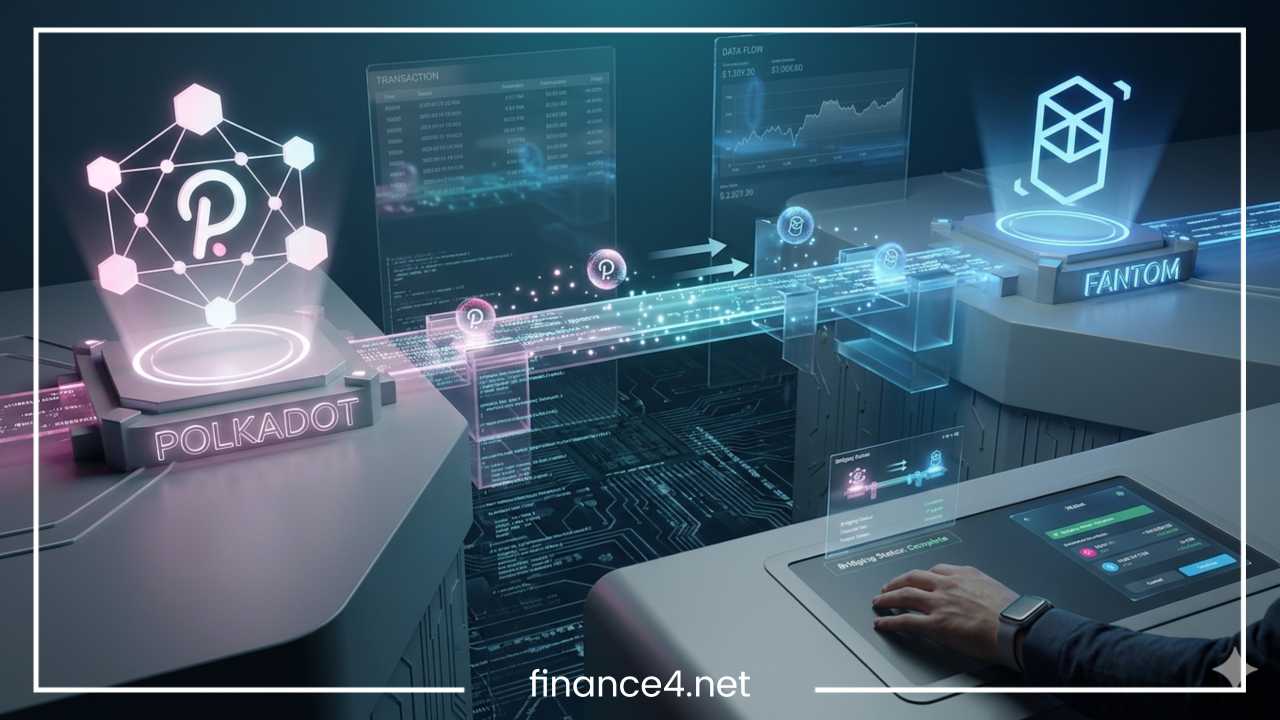
Bridging Polkadot to Fantom: A Complete Guide
The modern blockchain landscape has evolved from a collection of isolated islands into an increasingly vibrant, interconnected archipelago. As the number of specialized blockchains—each optimized for different use cases—continues to grow, so does the demand for seamless liquidity and asset mobility across these disparate networks. Investors and developers are no longer content to remain confined to a single ecosystem; they are actively seeking the best yields, the most efficient protocols, and the most robust security models, regardless of where they originate.
Bridging assets between different blockchains has become a foundational pillar of decentralized finance. It allows users to unlock capital, moving tokens from one network to another and effectively breaking down the barriers between siloed projects. Two of the most compelling networks in this space are Polkadot and Fantom. Polkadot, a sophisticated layer-zero infrastructure, offers a unique approach to horizontal scalability and shared security. Fantom, conversely, is a high-performance, developer-centric layer-one chain renowned for its incredible transaction speed and its deep, liquidity-rich decentralized finance environment.
This guide provides a comprehensive, deep-dive exploration of how to navigate the process of moving assets from the Polkadot ecosystem to the Fantom network. Whether you are a yield farmer looking to deploy capital into Fantom’s specialized DeFi protocols, or simply a user looking to diversify your portfolio, understanding the mechanics, risks, and benefits of bridging is essential. By the end of this guide, you will possess a professional-grade understanding of blockchain bridges, the unique architectures of Polkadot and Fantom, the specific security pitfalls to avoid, and the practical, step-by-step methods required to transfer your digital assets safely and efficiently.
Understanding Blockchain Bridges
What Is a Blockchain Bridge?
A blockchain bridge is a specialized protocol that facilitates communication and the transfer of data or assets between two independent blockchain networks. These networks often operate on entirely different consensus rules, token standards, and architectural frameworks. Bridges provide the essential cross-chain interoperability required to move value from an origin chain to a destination chain, enabling a more fluid and integrated crypto economy that transcends the limitations of a single ledger.
How Bridges Work
To maintain the integrity of cross-chain transfers while ensuring that assets remain pegged in value, bridges typically employ one of several sophisticated models:
-
Lock-and-Mint Model: This is the most common approach. The bridge locks the native asset on the source chain (Polkadot) within a secure smart contract. Once the lock is verified, a corresponding “wrapped” or derivative token is minted on the destination chain (Fantom). This ensures the total supply remains constant.
-
Burn-and-Release Model: In this scenario, the bridge burns or destroys tokens on the source chain, which triggers a corresponding release or unlocking of an equivalent amount of tokens from a reserve vault on the destination chain. This model is often used for assets that have native versions on both chains.
-
Liquidity-Based Bridges: These bridges act more like automated market makers (AMMs). They maintain massive liquidity pools of assets on both sides of the bridge. When a user deposits an asset on one side, the protocol automatically swaps it for the equivalent asset from the liquidity pool on the other side, providing a near-instant transfer experience.
Why Bridges Matter
Bridges are critical for maintaining asset mobility and market efficiency. Without them, liquidity would remain trapped, and users would be unable to engage with decentralized applications (dApps) outside their native environment. By leveraging bridges, users can access diverse DeFi ecosystems, utilize different financial products, and achieve significantly greater capital efficiency. This fluidity allows capital to flow toward protocols that offer the highest utility, the most attractive returns, or the most advanced technical features at any given moment.
What Is Polkadot?
Overview of Polkadot
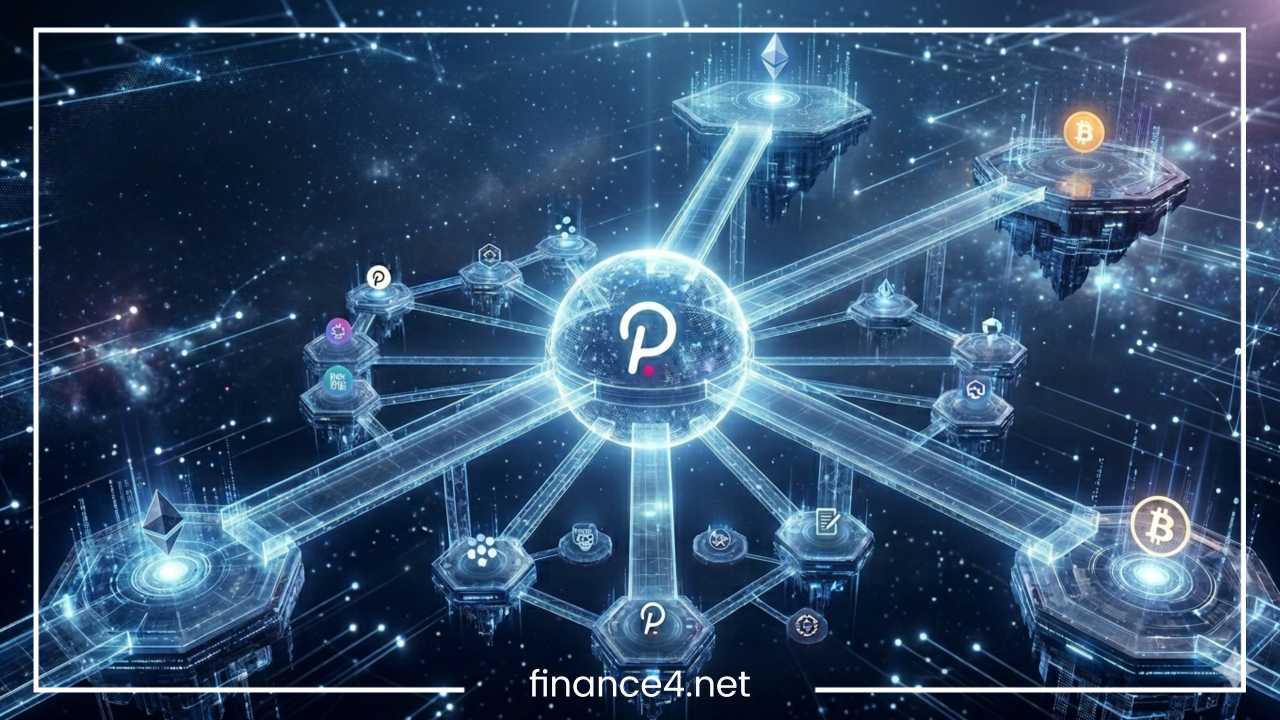
Polkadot is widely recognized as a layer-zero network because it provides the underlying framework that allows other blockchains, known as parachains, to communicate and scale together. Unlike traditional blockchains that focus on being “the” network, Polkadot focuses on being the “network of networks.” By connecting these independent chains through a central, highly secure Relay Chain, Polkadot achieves a level of shared security and interoperability that is difficult for standalone blockchains to replicate.
Key Features
-
Relay Chain: The central hub of the Polkadot ecosystem, responsible for the network’s shared security, consensus, and cross-chain communication.
-
Parachains: Specialized, custom blockchains that run in parallel. Each parachain can be optimized for a specific use case, such as identity, gaming, or finance, while benefiting from the security of the Relay Chain.
-
Cross-Consensus Messaging (XCM): A revolutionary standard that enables different parachains to send tokens, data, and smart contract calls to one another seamlessly.
-
Scalability: Polkadot uses parallel processing to handle many transactions across multiple parachains simultaneously, effectively preventing the network bottlenecks that plague older monolithic blockchains.
Popular Assets in the Polkadot Ecosystem
The ecosystem features a variety of assets that serve distinct functions within the network:
-
DOT: The native utility token, used for staking to secure the network, bonding parachains, and participating in governance.
-
USDT and USDC: Stablecoins that have been bridged into various parachains to provide liquidity for trading.
-
ACA: The native token of the Acala network, which provides a decentralized financial hub for Polkadot.
-
GLMR: The native token of the Moonbeam network. Moonbeam is particularly relevant for this guide, as it is an EVM-compatible parachain that serves as a natural gateway for moving assets from Polkadot to other EVM chains like Fantom.
What Is Fantom?
Overview of Fantom
Fantom is a highly efficient, fast, and secure layer-one smart contract platform. It was built specifically to solve the “blockchain trilemma” by offering a network that is simultaneously decentralized, secure, and highly scalable. Fantom attracts a vast number of developers and users who prioritize lightning-fast transaction speeds and minimal costs for their daily on-chain operations.
Key Features
-
Lachesis Consensus: This is Fantom’s proprietary asynchronous Byzantine Fault Tolerant (aBFT) consensus mechanism. It allows the network to process transactions independently without waiting for other nodes to confirm, resulting in near-instant transaction finality.
-
EVM Compatibility: Fantom is fully compatible with the Ethereum Virtual Machine (EVM). This means that developers can take dApps, smart contracts, and tools built for Ethereum or other EVM chains and deploy them on Fantom with almost no modification.
-
Low Fees: Transactions on Fantom generally cost a fraction of a cent. This makes it an ideal environment for users who participate in frequent rebalancing, micro-transactions, or high-frequency trading.
-
Fast Finality: Unlike many chains where transactions stay in a “pending” state for several minutes, Fantom transactions reach a state of absolute finality in just seconds.
Popular Use Cases
Fantom has cultivated a dense, highly active DeFi ecosystem, which includes:
-
DeFi Protocols: A wide range of decentralized exchanges, lending markets, and yield aggregators.
-
Yield Farming: Sophisticated liquidity provision strategies that capitalize on the high volume of assets moving through the Fantom network.
-
Staking: Users can stake FTM tokens to help secure the network and earn consistent, predictable rewards.
-
NFT Marketplaces: High-speed trading of non-fungible tokens, where the low transaction fees allow for frequent trading and minting.
Why Bridge Assets from Polkadot to Fantom?
Accessing Fantom’s Specialized DeFi Ecosystem
The primary driver for bridging is the desire to interact with Fantom’s rich, fast-moving suite of DeFi applications. By moving assets, you can participate in liquidity pools, engage in aggressive yield farming, or utilize lending platforms that may offer higher annual percentage yields (APYs) or unique financial instruments not currently available within the Polkadot ecosystem.
Optimizing Transaction Costs
While Polkadot is highly efficient, Fantom is specifically optimized for high-frequency, low-cost interactions. For users who actively manage their portfolios, perform frequent rebalancing, or participate in complex yield-compounding strategies, the ultra-low transaction costs on Fantom can significantly improve net profitability compared to using chains with higher gas fees.
Capitalizing on Faster Settlement
Fantom’s Lachesis consensus provides near-instant finality. When moving assets into the Fantom ecosystem, you gain the benefit of rapid transaction processing. This is critical for users who need to capitalize on time-sensitive market opportunities, such as arbitrage or entering a new farming pool before APYs decay.
Achieving Portfolio Diversification
Bridging allows you to spread your holdings across different technological foundations. By holding assets on both Polkadot and Fantom, you mitigate the risk of being overly reliant on the performance, stability, or roadmap of a single blockchain ecosystem. This cross-chain diversification is a vital strategy for long-term crypto asset management.
Prerequisites Before Bridging
Wallet Requirements
You must have wallets capable of interacting with both ecosystems. For Polkadot, a wallet such as Polkadot.js, Talisman, or SubWallet is typically required. For Fantom, you will need an EVM-compatible wallet, such as MetaMask, Rabby, or Coinbase Wallet, configured specifically with the Fantom network settings (RPC, Chain ID, and Explorer).
Tokens Needed
Before beginning, ensure you hold the assets you intend to bridge in your source wallet. Additionally, you must always hold a small amount of the native tokens of both networks—DOT on the Polkadot side and FTM on the Fantom side—to cover the gas fees for the respective bridging transactions.
Network Knowledge
It is vital to understand that you are moving assets from a non-EVM environment (Polkadot) to an EVM environment (Fantom). This almost always involves a “wrapping” process where the bridge generates a derivative version of your asset on the destination chain. These wrapped assets, while usually pegged 1:1, are distinct entities from the original tokens.
Security Checklist
-
Verify URLs: Always use bookmarks from official, verified sources. The crypto space is rife with phishing sites designed to look like legitimate bridge interfaces.
-
Double-Check Addresses: Triple-check that your destination wallet address is correct. Once funds are sent to an incorrect address on a blockchain, they are usually unrecoverable.
-
Start Small: Always perform a “test” transaction with a tiny, non-critical amount of assets before moving your full balance. This verifies the bridge’s health and your own understanding of the steps.
Methods for Bridging Polkadot to Fantom
Option 1: Using Cross-Chain Bridges
These are dedicated platforms specifically designed to bridge assets between chains.
-
Native/Direct Bridges: Some projects build their own bridges to facilitate traffic between their parachains and major EVM networks.
-
Third-Party Bridge Aggregators: These are often the most popular choice. They aggregate liquidity from various sources and offer a unified interface to move tokens between many different blockchains. These platforms generally provide the most seamless user experience.
Option 2: The Centralized Exchange (CEX) Route
This method is often the simplest for beginners, provided the CEX supports both the specific Polkadot parachain and Fantom network.
-
Deposit: Send your assets from your Polkadot wallet to your account on a centralized exchange.
-
Swap: Sell your assets for a base currency that is supported on the Fantom withdrawal network (such as USDT or USDC).
-
Withdraw: Select the Fantom (FTM) network as the withdrawal method and enter your Fantom wallet address.
Advantage: High liquidity, very simple interface, and lower complexity for the user. Disadvantage: Requires KYC/AML compliance, reliance on a centralized entity, and potential withdrawal limits.
Option 3: Multi-Hop Transfers
Sometimes, there may not be a direct bridge path from your specific Polkadot parachain to Fantom. In these cases, you may need to use an intermediary chain, such as Ethereum or an EVM-compatible parachain like Moonbeam.
-
Polkadot to Moonbeam/Ethereum: Use a bridge to move the asset into an EVM-compatible environment.
-
EVM to Fantom: Use a standard, high-liquidity bridge (like Stargate or a similar cross-chain protocol) to move the asset from that EVM environment to Fantom.
Advantage: Provides a path forward when direct bridges are unavailable. Disadvantage: Higher cumulative gas fees and increased risk of error due to the multi-step process.
Step-by-Step Guide to Bridge Polkadot Assets to Fantom
Step 1: Connect Your Wallets
Navigate to the official website of the bridge you have chosen. Connect both your Polkadot-compatible wallet and your Fantom-compatible wallet (e.g., MetaMask).
Step 2: Select Source Network (Polkadot)
From the bridge’s dropdown menu, select the specific Polkadot parachain or network where your assets currently reside. Ensure your wallet is unlocked and correctly connected to that specific network.
Step 3: Select Destination Network (Fantom)
Set Fantom as the target destination in the bridge interface. If your wallet is not configured for Fantom, the bridge interface will often offer a button to “Add Network Automatically” to your MetaMask.
Step 4: Choose Asset and Amount
Select the asset (e.g., DOT, USDT, or another token) you wish to transfer. Input the specific amount, but be mindful of the “minimum” and “maximum” limits imposed by the bridge.
Step 5: Review Fees and Slippage
Examine the estimated gas fees for both the source and destination chains, as well as any bridge service fees. Pay close attention to “slippage”—the difference between the expected price and the actual price received after the swap, which is common in liquidity-based bridges.
Step 6: Approve the Transaction
The bridge will ask for a signature to allow the smart contract to interact with your tokens. This “approval” transaction is a standard security measure.
Step 7: Confirm Bridge Transfer
Once approved, confirm the final transaction. This action deposits your assets into the bridge’s smart contract on the source side.
Step 8: Verify Receipt on Fantom
After the specified transfer time, check your MetaMask wallet on the Fantom network. You may need to import the contract address for the “wrapped” token if it does not appear in your balance automatically.
Fees, Costs, and Transfer Times
Understanding the full cost structure is vital for managing your capital effectively. Bridging is rarely free; it is a series of transactions that each incur costs.
| Factor | Polkadot | Fantom |
| Avg Fee | Low (Sub-cent) | Very Low (Micro-cent) |
| Finality | Parachain-dependent | Near-instant |
| Transfer Speed | Minutes (Variable) | Seconds |
Bridge Fees: Most bridges charge a service fee, which typically ranges from 0.1% to 0.5% of the transaction value. This fee covers the cost of maintaining liquidity pools and the bridge’s operational infrastructure.
Network Fees (Gas): You will pay gas fees for the source chain (to lock the asset) and the destination chain (to mint or release the wrapped token).
Liquidity Fees: Some bridges implement dynamic fees based on the balance of the liquidity pools. If a bridge is heavily used in one direction, the fees may rise to incentivize liquidity providers to rebalance the pools.
Risks of Bridging Between Polkadot and Fantom
Smart Contract Risks
Bridges are complex software entities. They rely on multi-chain smart contracts that must be perfectly executed. If a vulnerability exists in the code, malicious actors may exploit it to drain the liquidity held within the bridge’s reserves.
Bridge Exploits
Because bridges act as massive “honeypots” of liquidity, they are prime targets for sophisticated hackers. Always research the historical security track record and the audit history of the specific bridge protocol you are utilizing.
Liquidity Shortages
If a bridge does not have sufficient liquidity of the specific asset you are moving on the Fantom side, your transaction may be delayed or fail entirely. This requires you to wait for liquidity providers to replenish the pool or potentially find a different route.
User Errors
In the world of decentralized finance, there is no “undo” button. Sending assets to an incorrect address, selecting the wrong network (e.g., sending to an ERC-20 address instead of a Fantom address), or losing your private keys results in the permanent loss of funds. Always verify your inputs twice.
Network Congestion
Periods of extreme market volatility often lead to high network congestion. This can cause transactions to stall or fail to be picked up by validators, leading to long, stressful wait times for your assets to move across the bridge.
Security Best Practices
-
Stick to Reputable Bridges: Only use bridges that have been live for an extended period, have a high volume of total value locked (TVL), and have undergone multiple public audits by well-respected firms.
-
Verify URLs and UI: Bookmark the official URL. Never click links from unverified social media messages or emails that claim to be “official bridge updates.”
-
Small Test Transfers: Before bridging a significant portion of your portfolio, send a small, non-critical amount to verify that the destination address receives the tokens correctly.
-
Utilize Hardware Wallets: Connect your browser-based wallet (like MetaMask) to a hardware wallet (like Ledger or Trezor). This ensures that even if your browser or computer is compromised, your private keys remain safe offline.
-
Monitor Community Channels: Join the official Discord or Telegram channels of the bridge provider. These channels often provide real-time updates regarding network status or maintenance, which can save you from attempting a transfer during a planned outage.
Troubleshooting Common Bridge Issues
-
Transaction Pending Too Long: If a transaction is stuck, check the blockchain explorers for both the source and destination chains. If the source chain transaction is confirmed but the destination has no record, the bridge’s relayer may be lagging.
-
Tokens Not Appearing: If the transfer is marked as “success” but your wallet balance hasn’t updated, you likely just need to add the custom token contract address to your wallet. Use a site like FTMScan to find the correct contract address.
-
Insufficient Gas Fees: If a transaction fails immediately, ensure your destination wallet holds enough native FTM to process the incoming transaction.
-
Wrong Network Selected: If you accidentally bridge to the wrong network, don’t panic. Check if you can add that network to your wallet. Often, the tokens are sitting on the correct address, just on a network you weren’t looking at.
-
Failed Transactions: If a transaction fails, the gas fees paid are generally non-refundable. Check the transaction logs on the block explorer to see the specific error code provided by the network.
The Future of Cross-Chain Interoperability
The future of blockchain technology is shifting toward a seamless, “omnichain” experience. We are rapidly moving toward a state where the average user will not need to know which chain they are using; the underlying protocols will handle the routing, bridging, and asset conversions automatically in the background.
Polkadot’s XCM is leading this charge by creating a unified language for communication between parachains, while innovations in zero-knowledge proofs (ZK-proofs) are making cross-chain bridges far more secure and efficient by allowing for mathematical verification of state transitions rather than relying on centralized relayers. As these technologies mature, the friction of moving assets between ecosystems like Polkadot and Fantom will continue to decrease, paving the way for a truly global, interconnected decentralized financial system.
Final Thoughts
Bridging assets from Polkadot to Fantom is a powerful, albeit technically involved, way to leverage the unique advantages of both ecosystems. Polkadot provides a robust, shared-security foundation for custom chains, while Fantom offers the high-speed, low-cost environment necessary for active, daily DeFi participation.
By understanding the underlying mechanics of blockchain bridges, adhering to strict security protocols, and following the correct technical procedures, you can safely unlock liquidity and explore a wider array of financial opportunities than ever before. While the process involves inherent risks—specifically concerning smart contract vulnerabilities and user error—these can be effectively mitigated by using reputable, audited platforms and performing diligent, small-scale test transfers. As interoperability standards continue to improve and evolve, the bridge between Polkadot and Fantom will only become more reliable, faster, and easier to navigate. Whether you are a casual enthusiast or an advanced DeFi participant, mastering these cross-chain transfers is an essential skill for navigating the modern, multi-chain landscape of digital finance.
Frequently Asked Questions
How can I bridge my assets from Polkadot to the Fantom network safely?
To bridge assets safely, always use reputable, audited cross-chain platforms. Start by performing a small test transaction to ensure the bridge is functioning correctly and the destination address receives the funds. Never share your private keys or seed phrases with any bridge interface, and always verify that you are on the official website URL to avoid phishing attacks.
Is there a direct way to transfer DOT to Fantom?
There is no “native” one-click bridge between the Polkadot Relay Chain and the Fantom Opera network because they operate on different architectures. Most users bridge by moving assets into an EVM-compatible environment first (such as a Moonbeam parachain) and then using a secondary bridge (like a liquidity-based aggregator) to transfer the tokens into the Fantom ecosystem.
What are the primary risks involved in using a cross-chain bridge?
The main risks include smart contract vulnerabilities, where bugs in the bridge’s code can be exploited by hackers, and potential liquidity shortages, which can cause your transaction to stall. Additionally, there is the risk of user error, such as sending funds to an incorrect address or choosing an incompatible network, which can lead to permanent loss of assets.
Why do my bridged tokens not show up in my MetaMask wallet?
If your transaction is confirmed on the blockchain but your tokens are invisible, it is usually because you have not added the “wrapped” token contract address to your wallet. Use a block explorer like FTMScan for the Fantom network to find the specific contract address for the bridged version of your token and import it into your MetaMask.
How do gas fees work when bridging between these two ecosystems?
You will typically need to pay transaction fees (gas) on both the source chain (to trigger the transfer out of Polkadot) and the destination chain (to complete the minting or release of tokens on Fantom). Ensure you hold enough native tokens on both chains (DOT for Polkadot and FTM for Fantom) before initiating the bridge.
What is the difference between a trusted and a trustless bridge?
A trustless bridge relies entirely on smart contract code and decentralized consensus mechanisms to verify transfers, minimizing human intervention. A trusted bridge is often managed by a central committee or multi-signature account that controls the reserves. While trusted bridges can be fast, they introduce a centralized point of failure that is often targeted by hackers.
Can I use a centralized exchange as a bridge for Polkadot and Fantom?
Yes, many users prefer using a centralized exchange (CEX) as an intermediary. By depositing your DOT into an exchange that supports both Polkadot and Fantom withdrawals, you can sell your DOT for a stablecoin or another asset and then withdraw that asset directly to your Fantom wallet address using the Fantom network. This avoids the complexities of smart-contract bridges but requires KYC verification and trust in the exchange.