Best Multi-Chain NFT Collection Ideas
 by
by 
Best Multi-Chain NFT Collection Ideas | Top Concepts for 2025
The non-fungible token (NFT) market has exploded in popularity, transforming digital ownership and creating new avenues for artists, creators, and businesses. Initially largely confined to the Ethereum blockchain, the NFT landscape is rapidly evolving. The emergence of new, faster, and more cost-effective blockchains has highlighted both the limitations and potential of a single-chain ecosystem. This is where the concept of multi-chain NFTs comes into play, promising a more interconnected, accessible, and versatile future for digital assets.
Introduction to Multi-Chain NFTs
NFTs, at their core, are unique digital assets that represent ownership of a specific item or piece of content. These can range from digital art and music to virtual real estate and in-game items, all secured on a blockchain. The blockchain acts as a transparent and immutable ledger, verifying the authenticity and ownership of each NFT.
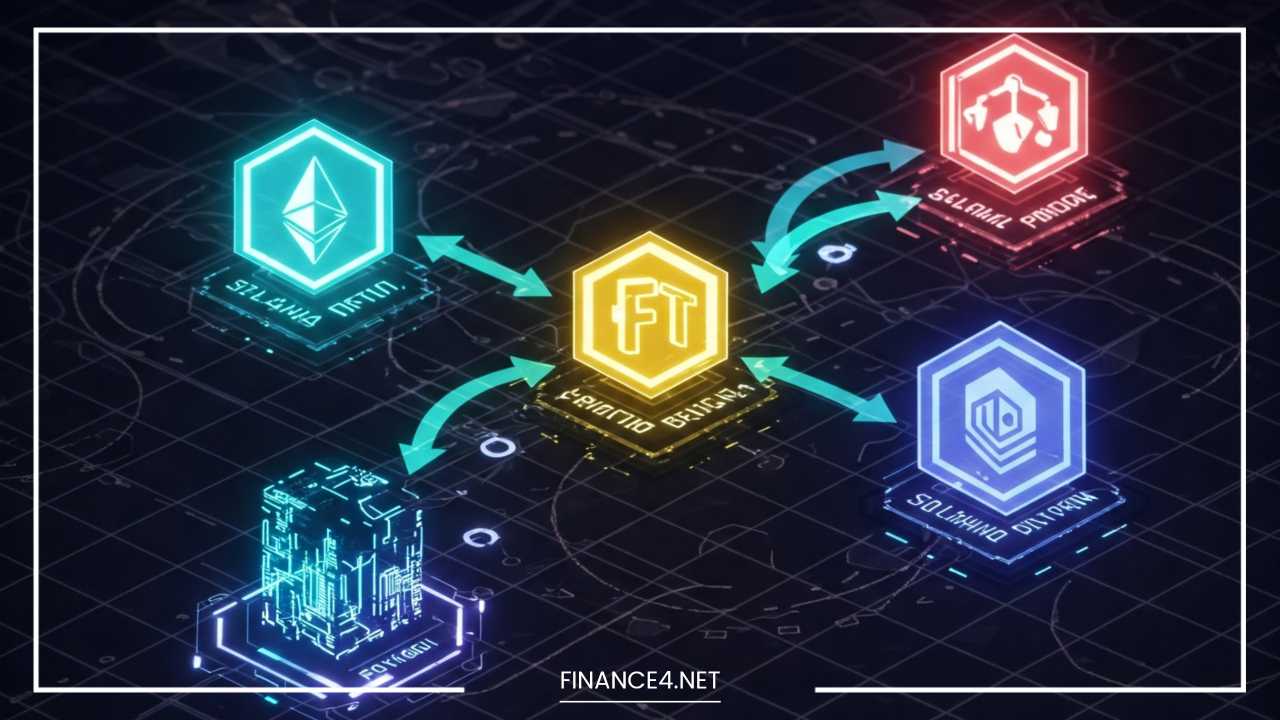
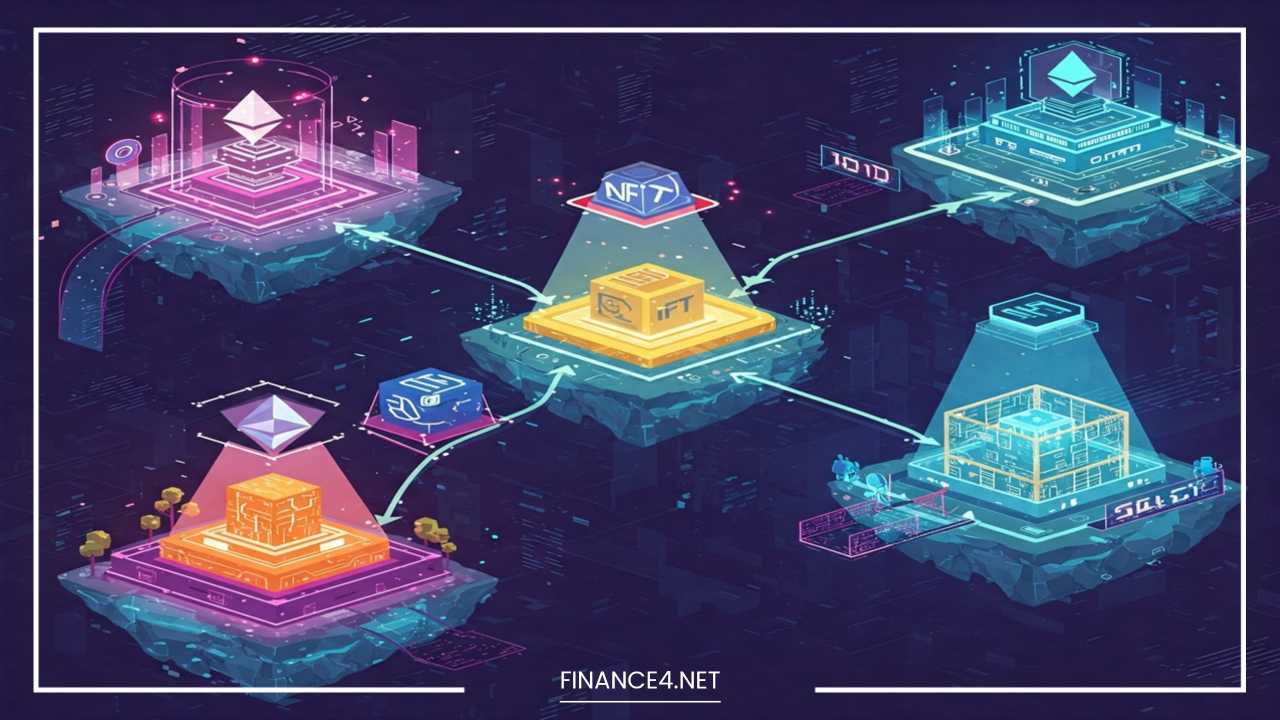
The term “multi-chain” in the NFT context refers to the ability of an NFT project or collection to exist and function across multiple distinct blockchain networks. This means that an NFT might be minted on one chain (e.g., Polygon) and then be transferable or recognized on another (e.g., Ethereum or Solana).
In 2025, multi-chain compatibility is becoming increasingly crucial for the NFT space due to several key factors. Interoperability allows for seamless movement and interaction of assets across different ecosystems, unlocking new use cases and increasing liquidity. Wider reach becomes possible as creators can tap into the user bases of various blockchains. Addressing the issue of gas fees is also paramount; by leveraging chains with lower transaction costs, creators can improve the user experience and make NFTs more accessible. Ultimately, multi-chain collections offer significant benefits over single-chain collections by mitigating the risks associated with relying on a single network and maximizing potential.
Key Blockchains for Multi-Chain NFT Projects
Choosing the right blockchains is fundamental for any multi-chain NFT project. Each network offers a unique set of features, advantages, and disadvantages for NFT creators:
- Ethereum: The pioneering blockchain for NFTs, with the largest ecosystem, established marketplaces (OpenSea, LooksRare), and a vast community. Pros: Strong security, large user base, established smart contract standards (ERC-721, ERC-1155). Cons: High gas fees, scalability issues (though Layer-2 solutions are improving this).
- Polygon: A Layer-2 scaling solution for Ethereum, offering significantly lower gas fees and faster transactions while still benefiting from Ethereum’s security. Pros: Low gas fees, fast transactions, EVM compatibility, growing NFT ecosystem. Cons: Still reliant on Ethereum, potentially less decentralized than standalone chains.
- Solana: A high-performance blockchain known for its speed and low transaction costs. Pros: Extremely fast transactions, very low gas fees, growing NFT community and innovative projects. Cons: Different programming language (Rust), smaller ecosystem compared to Ethereum, historical network stability concerns (though improving).
- Avalanche: Another fast and low-cost blockchain with its own growing NFT ecosystem and subnet capabilities. Pros: Fast finality, low gas fees, EVM compatibility (via the C-Chain), customizable subnets for specific applications. Cons: Smaller ecosystem compared to Ethereum and Polygon.
- BNB Chain (formerly Binance Smart Chain): A popular blockchain with a large user base and lower fees than Ethereum. Pros: Lower gas fees, large user base, EVM compatibility. Cons: Perceived as more centralized, some concerns about project quality.
- Immutable X: A Layer-2 scaling solution specifically designed for NFTs on Ethereum, focusing on gas-free minting and trading. Pros: Gas-free minting and trading, high scalability, strong focus on gaming NFTs. Cons: Limited to NFTs, centralized sequencer.
- LayerZero or cross-chain tech (like Wormhole, LayerZero, etc.): These protocols enable seamless communication and asset transfer between different blockchains. Pros: Facilitates true interoperability, unlocks complex multi-chain functionalities. Cons: Can introduce additional technical complexity and security considerations.
Creators need to carefully weigh these pros and cons based on their project’s specific needs and target audience.
Why Go Multi-Chain? The Strategic Advantage
Adopting a multi-chain strategy offers several compelling advantages for NFT creators:
- Wider audience reach: By deploying on multiple blockchains, creators can tap into the distinct communities and user bases of each network, significantly expanding their potential audience and collector base.
- Lower gas fees = better user experience: High gas fees on certain blockchains can be a significant barrier to entry for many users. By offering options on lower-fee chains, creators can make their NFTs more accessible and attractive to a broader range of collectors.
- Future-proofing collections: The blockchain landscape is constantly evolving. By having a presence on multiple chains, creators mitigate the risk of their collection being tied to the fate of a single network. If one chain faces issues or declines in popularity, the collection can still thrive on others.
- Avoiding reliance on one ecosystem: Each blockchain ecosystem has its own strengths and weaknesses, as well as its own set of dominant marketplaces and communities. Diversifying across multiple chains reduces reliance on any single platform or community, providing more flexibility and control.
In essence, a multi-chain approach allows creators to leverage the unique strengths of different blockchains while mitigating their individual weaknesses, ultimately leading to a more robust and successful NFT project.
Technical Ways to Launch Multi-Chain NFT Collections
Launching an NFT collection across multiple chains can be achieved through various technical approaches:
- Minting on multiple chains simultaneously: This involves creating and deploying separate smart contracts on each target blockchain and minting the NFTs independently on each. While straightforward, this can lead to fragmented supply and potential inconsistencies if not managed carefully.
- Bridging NFTs between chains: This involves using cross-chain bridges to transfer NFTs from one blockchain to another. When an NFT is bridged, it is typically locked or burned on the original chain and a wrapped version is minted on the destination chain. Protocols like Wormhole and LayerZero facilitate this.
- Platforms and tools: Several platforms and protocols are emerging to simplify the multi-chain NFT deployment process. Rarible Protocol is an open-source, cross-chain NFT protocol that allows creators to mint and manage NFTs across multiple chains. Crossmint offers APIs and tools for minting and distributing NFTs across different blockchains. LayerZero enables omnichain fungible tokens (OFTs) and has the potential to be used for NFTs as well. Mintable supports minting on multiple chains.
- Smart contract considerations: When developing smart contracts for multi-chain NFTs, developers need to consider factors like cross-chain messaging, maintaining metadata consistency across chains, and handling potential bridge vulnerabilities. Utilizing interoperable smart contract standards or building custom solutions using cross-chain communication protocols are key considerations.
Choosing the right technical approach depends on the project’s specific requirements, technical expertise, and desired level of interoperability.
Best Multi-Chain NFT Collection Ideas
The possibilities for multi-chain NFT collections are vast and exciting. Here are some creative and market-ready ideas:
-
🌍 Global Cultural Passports: Imagine NFTs that serve as digital passports, granting holders access to cultural insights, virtual events, and even real-world experiences related to different cultures represented across various blockchains.
- Visual/metaphorical examples: Think of a pixelated passport with stamps representing different blockchain ecosystems, or a digital artifact that evolves its metadata to reflect cultural information gleaned from different chain-based interactions.
- Monetization possibilities: Selling the initial passports on multiple chains, offering tiered access based on rarity or the number of chains the passport has “visited” (interacted with), partnering with cultural organizations for exclusive NFT-gated events.
- Community engagement ideas: Hosting virtual cultural festivals accessible only to passport holders across different metaverses, allowing holders to vote on which cultures are featured next, creating a decentralized cultural exchange powered by NFTs.
-
🎮 Cross-Chain Game Assets: Break down the silos between blockchain games by creating NFTs representing in-game assets like weapons, skins, or avatars that can be used across multiple compatible games on different blockchains.
- Visual/metaphorical examples: A legendary sword initially appearing as a 2D sprite on a low-fee chain and evolving into a high-fidelity 3D model usable in a more graphically intensive game on another chain. An avatar with traits that are recognized and rendered differently based on the game’s engine and the underlying blockchain.
- Monetization possibilities: Selling universal game assets that can be used in multiple games, offering royalties to the NFT creators based on their usage within different game economies, creating “asset packs” that are interoperable across a suite of games.
- Community engagement ideas: Collaborating with game developers to integrate the NFTs into their games, hosting cross-game tournaments where asset ownership is verified via the multi-chain NFTs, allowing players to trade and rent their universal assets across different gaming ecosystems.
-
🎨 Generative Art That Evolves on Different Chains: Create generative art NFTs where certain traits, colors, or even the entire aesthetic of the artwork changes or unlocks based on the blockchain it currently resides on or the activities associated with its wallet address on different chains.
- Visual/metaphorical examples: An abstract artwork that displays different color palettes on Ethereum (representing its vibrant DeFi ecosystem) versus Polygon (representing its more playful and accessible nature). An image that gains new layers or elements when the NFT is bridged to a new chain or when its owner interacts with specific dApps on different networks.
- Monetization possibilities: Selling the initial evolving art pieces, with rarity determined by the potential for unique evolutions across different chains, offering “evolution packs” or interactions that trigger specific changes based on cross-chain activity.
- Community engagement ideas: Encouraging collectors to bridge their art pieces to different chains to discover new evolutions, creating a visual history of the NFT’s journey across blockchains, allowing the community to vote on which cross-chain interactions trigger specific artistic changes.
-
🛡️ Identity or DAO Membership NFTs: Develop NFTs that serve as portable digital identities or grant membership to Decentralized Autonomous Organizations (DAOs) across multiple blockchain ecosystems.
- Visual/metaphorical examples: A sleek, minimalist NFT that displays verified credentials from different blockchains, or a multi-faceted crystal that glows with different colors depending on the DAOs the holder is a member of across various networks.
- Monetization possibilities: Issuing identity NFTs that can be used for verification across various platforms (potentially with premium tiers offering enhanced verification), DAOs issuing multi-chain membership tokens that grant voting power and access to resources across their different blockchain deployments.
- Community engagement ideas: Allowing holders to customize their identity NFT with badges or achievements earned on different chains, creating cross-chain DAO proposals and voting mechanisms that are tied to the multi-chain membership NFTs, fostering a more unified and interoperable decentralized governance landscape.
-
💎 DeFi-Integrated NFTs: Create NFTs that can be staked or used to generate yield on different DeFi platforms across multiple blockchains, potentially offering different interest rates or rewards depending on the chain.
- Visual/metaphorical examples: A dynamic NFT that displays its current staking yield and the blockchain it’s currently deployed on, or a “DeFi totem” that accumulates different tokens based on its cross-chain staking activity.
- Monetization possibilities: Offering NFTs that provide access to exclusive DeFi yield farms across multiple chains, charging a premium for NFTs with higher cross-chain staking potential, allowing users to “upgrade” their NFTs to unlock access to more DeFi protocols on different networks.
- Community engagement ideas: Creating leaderboards for the highest-yielding multi-chain NFTs, hosting cross-chain DeFi strategy discussions within the NFT holder community, developing decentralized tools that help users optimize their cross-chain NFT staking strategies.
-
🎫 Event Tickets Valid on Any Chain: Reimagine event ticketing with NFTs that are blockchain-agnostic, allowing holders to easily prove ownership and gain access to IRL events, conferences, or festivals regardless of their preferred blockchain ecosystem.
- Visual/metaphorical examples: A holographic ticket that displays a scannable code verifiable on any supported blockchain, or a dynamic NFT that updates with event information regardless of the chain it resides on.
- Monetization possibilities: Selling event tickets as multi-chain NFTs, potentially offering different tiers or VIP access through rarer NFTs, allowing for seamless transfer and resale of tickets across different blockchain marketplaces.
- Community engagement ideas: Creating digital “swag bags” delivered as NFTs to ticket holders on their preferred chain, offering exclusive NFT drops or experiences for attendees who hold their tickets across multiple blockchains, using the NFTs for post-event engagement and access to recordings or future events.
-
🧬 Evolving DNA NFTs: Develop NFTs with underlying “genetic” traits that can grow, mutate, or combine based on the blockchain the NFT is interacted with on or the history of its owner’s on-chain activity across different networks.
- Visual/metaphorical examples: A pixelated creature whose appearance changes based on the types of transactions its owner makes on different chains (e.g., interacting with DeFi protocols might make it more “liquid,” while engaging with art marketplaces might make it more “artistic”). A digital plant that “grows” different types of leaves or flowers depending on the blockchain where its metadata is last updated.
- Monetization possibilities: Selling the initial “DNA seeds,” with rarity determined by the potential for unique evolutions, offering “catalyst” NFTs that can trigger specific mutations when interacted with on certain chains, creating a marketplace for evolved DNA NFTs with desirable traits.
- Community engagement ideas: Hosting “evolutionary events” where specific cross-chain interactions trigger rare mutations, allowing collectors to breed their DNA NFTs to create new and unique combinations, creating a community-driven narrative around the evolution of these digital organisms.
-
🏪 Multi-chain Loyalty/Rewards Programs: Businesses can leverage multi-chain NFTs to create more engaging and versatile loyalty and rewards programs for their customers, offering benefits and perks that can be redeemed across different blockchain-based platforms or even integrated with real-world experiences.
- Visual/metaphorical examples: A tiered loyalty card represented as an NFT that unlocks different benefits depending on the blockchain where it’s presented, or reward tokens airdropped as NFTs that can be redeemed for discounts on various platforms or even exchanged for other cryptocurrencies on different chains.
- Monetization possibilities: Businesses issuing branded multi-chain loyalty NFTs to incentivize customer engagement, offering exclusive NFT drops or experiences to loyal customers, partnering with other businesses to offer cross-chain redemption of loyalty points represented as NFTs.
- Community engagement ideas: Creating exclusive online communities or forums accessible only to holders of the loyalty NFTs across different chains, allowing customers to trade or gift their loyalty NFTs, gamifying the loyalty program with challenges and rewards tied to cross-chain interactions.
These are just a few examples, and the true potential of multi-chain NFTs lies in the creativity and innovation of creators who can envision new ways to leverage the unique capabilities of different blockchain networks.
Challenges & Risks of Multi-Chain NFT Projects
While multi-chain NFTs offer significant advantages, they also come with their own set of challenges and risks:
- Technical complexity: Deploying and managing smart contracts and assets across multiple blockchains requires significant technical expertise and careful planning. Ensuring consistency and seamless interoperability can be challenging.
- Smart contract vulnerabilities: Each smart contract deployed on different chains represents a potential point of failure. Thorough auditing and security measures are crucial, and cross-chain interactions can introduce new attack vectors.
- User confusion: Navigating multiple blockchain ecosystems, understanding bridging mechanisms, and managing assets across different wallets can be confusing for users, potentially hindering adoption.
- Marketplace fragmentation: While multi-chain compatibility aims to increase reach, it can also lead to fragmentation of liquidity and community across different marketplaces on various chains.
- Cross-chain bridging risks: Cross-chain bridges, while essential for interoperability, are also complex systems that have been targets of hacks and exploits, potentially putting bridged NFTs at risk.
Creators need to be aware of these challenges and take appropriate measures to mitigate them, including thorough testing, user education, and choosing secure and reputable cross-chain infrastructure.
Future Trends in Multi-Chain NFTs
The future of multi-chain NFTs is likely to be characterized by increasing sophistication and seamless interoperability:
- AI-generated NFTs evolving per chain: Imagine AI algorithms that generate NFT art or music that adapts and evolves its characteristics based on the specific blockchain it resides on, reflecting the dominant themes or data within that ecosystem.
- Interoperable metaverse assets: As the metaverse develops, multi-chain NFTs will likely play a crucial role in enabling true digital ownership of avatars, land, and items that can seamlessly move between different virtual worlds on various blockchains.
- Standardization of NFT protocols: Efforts towards standardizing NFT metadata and transfer protocols across different chains will be crucial for facilitating smoother interoperability and reducing technical friction.
- Chain-agnostic wallets: Wallets that can seamlessly manage assets across multiple blockchains with a unified interface will become increasingly important for improving the user experience and simplifying multi-chain NFT ownership.
These trends suggest a future where the underlying blockchain technology becomes more transparent to the user, and the focus shifts towards the utility and portability of the NFT itself, regardless of the chain it originated on.
Final Thoughts: Are Multi-Chain NFTs the Future?
Multi-chain NFTs represent a significant step forward in the evolution of digital assets. By breaking down the silos between different blockchain ecosystems, they offer numerous benefits, including wider reach, lower fees, increased flexibility, and future-proofing for NFT projects.
While challenges related to technical complexity, security, and user experience remain, the potential of a truly interconnected NFT landscape is immense. As cross-chain technologies mature and user-friendly tools emerge, multi-chain strategies will likely become increasingly prevalent for NFT creators looking to maximize their impact and reach a global audience.
The time is ripe for experimentation and innovation in the multi-chain NFT space. By embracing interoperability and exploring the unique capabilities of different blockchains, creators can unlock new possibilities and shape the future of digital ownership. The call to action for creators is clear: explore the multi-chain universe and build the next generation of groundbreaking NFT collections.