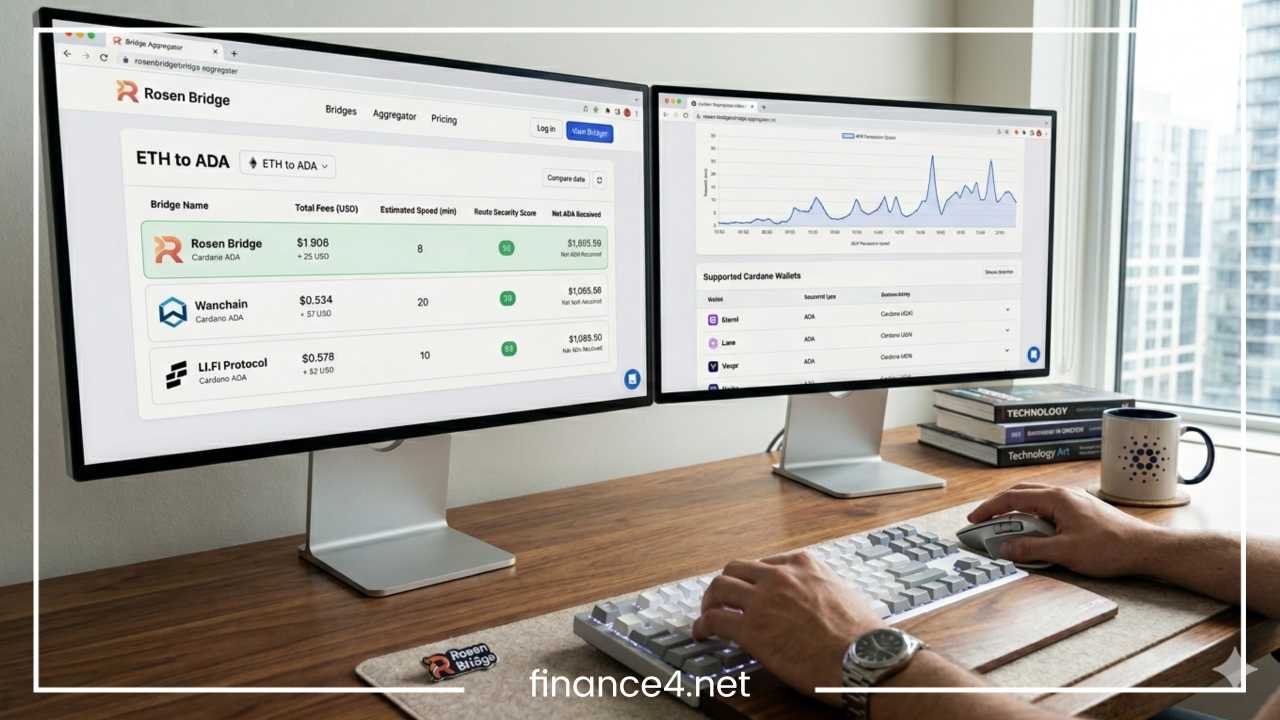
Bridging Cardano to Ethereum
 by
by 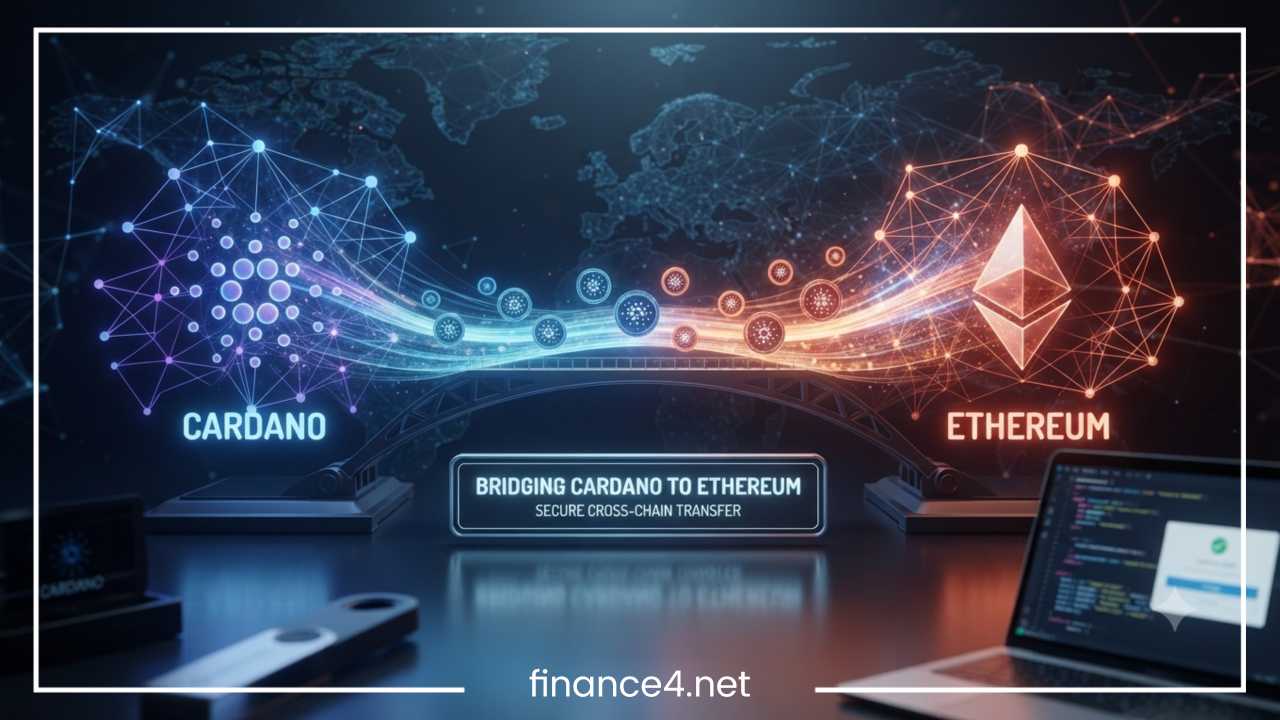
Bridging Cardano to Ethereum: Step-by-Step Guide
The modern blockchain landscape is characterized by a vibrant multi-chain ecosystem. For years, individual networks operated as isolated silos, creating fragmented liquidity and isolated user bases. Today, cross-chain interoperability has emerged as a vital pillar of decentralized finance, enabling different distributed ledgers to communicate, share data, and transfer value. Among the most sought-after pathways is the integration between Cardano and Ethereum.
Users frequently look to bridge assets between Cardano and Ethereum to leverage the unique strengths of both networks. While Cardano offers a robust, academic-driven Proof of Stake architecture with low transaction costs and native multi-asset support, Ethereum boasts the world’s largest decentralized finance ecosystem, extensive smart contract infrastructure, and deep liquidity pools. Moving assets across these two networks opens up new financial horizons, enabling cross-chain trading, lending, yield farming, and portfolio diversification.
This comprehensive guide is designed to walk you through every facet of the process. You will learn the foundational mechanics of cross-chain bridges, evaluate supported tokens, prepare your digital environment, follow a rigorous step-by-step transfer workflow, and master security best practices. Because bridging involves interacting with complex smart contracts and cross-chain validators, success requires choosing reputable protocols and maintaining strict vigilance. By the end of this resource, you will possess the knowledge required to navigate the Cardano bridge ecosystem safely and effectively.
Understanding Cardano and Ethereum
To appreciate why users move assets across networks, it is essential to examine the distinct architectural foundations and ecosystems of both Cardano and Ethereum.
What Is Cardano?
Cardano is a decentralized Proof of Stake blockchain platform founded on peer-reviewed research and evidence-based development. Unlike many older systems, Cardano utilizes Ouroboros, a provably secure Proof of Stake protocol designed to achieve high energy efficiency without sacrificing decentralization or security.
A defining characteristic of Cardano is its extended UTXO model, which handles accounting differently from traditional account-based blockchains. Cardano supports ADA as its native utility and governance token, but it also natively supports custom tokens and native assets without requiring smart contracts for basic token creation. Its smart contract ecosystem, powered by Plutus, allows developers to build secure, deterministic decentralized applications tailored to various use cases, ranging from identity management to decentralized finance.
What Is Ethereum?
Ethereum is a pioneer in the realm of programmable blockchains. Launched with a vision to expand blockchain utility beyond simple value transfer, Ethereum introduced the Ethereum Virtual Machine and Turing-complete smart contracts. This innovation catalyzed the creation of decentralized finance, non-fungible tokens, and decentralized autonomous organizations.
The Ethereum ecosystem is vast, featuring thousands of decentralized applications spanning lending protocols, decentralized exchanges, derivatives markets, and digital art marketplaces. The vast majority of standard tokens on Ethereum adhere to the ERC-20 token standard, ensuring seamless compatibility across wallets, smart contracts, and liquidity pools. Ethereum remains a primary hub for global crypto liquidity, making it a frequent destination for users seeking advanced financial operations.
Why Users Move Assets Between the Two
The motivation to bridge assets from Cardano to Ethereum stems from the desire to combine the security and low operational costs of the Cardano ecosystem with the expansive financial opportunities available on Ethereum.
Many participants hold long-term positions in ADA or Cardano-native assets but wish to participate in Ethereum DeFi without liquidating their holdings. By utilizing an Ethereum bridge, users can access deep liquidity, engage in advanced lending and borrowing markets, diversify their portfolios across different network assets, and participate in cross-chain trading strategies. This interoperability bridges the gap between two distinct communities, creating a more integrated and flexible digital asset experience.
What Does Bridging Cardano to Ethereum Mean?
Bridging assets between distinct blockchains requires specialized infrastructure known as cross-chain bridges. Understanding how these systems operate helps demystify the transfer process and highlights the underlying trust assumptions involved.
Cross-chain bridges are protocols or networks that facilitate the transfer of information and value between independent blockchains. Because Cardano and Ethereum run on entirely different consensus mechanisms, ledger designs, and state machines, they cannot communicate natively. A bridge acts as an intermediary layer or a cryptographic relayer that reads state changes on one chain and mirrors them on the other.
The prevailing mechanism for asset transfer is the locked-and-minted model. When you initiate a transfer from Cardano to Ethereum, the bridge protocol locks your original tokens into a secure smart contract or multi-signature treasury address on the Cardano network. Once the bridge verifies this deposit, it mints an equivalent amount of wrapped assets on the Ethereum network. These wrapped tokens represent the underlying native assets at a one-to-one ratio. When you decide to bridge back, the wrapped tokens are burned on Ethereum, and the original locked assets are released on Cardano.
This model relies heavily on validators, light client verification, or decentralized relayer networks to ensure that minting and unlocking actions only occur when legitimate deposits take place. Because these protocols manage substantial value, users must carefully evaluate their trust assumptions, as vulnerabilities in bridge smart contracts can pose security risks.
To visualize the standard transfer lifecycle, consider the following workflow:
-
Deposit asset on Cardano into the designated bridge contract or vault.
-
Bridge network or validator set verifies the successful deposit transaction.
-
Wrapped token is created and minted on the Ethereum destination network.
-
User receives the bridged assets directly in their designated Ethereum wallet.
Assets You Can Bridge
Not every digital asset on Cardano is instantly compatible with every bridge protocol. Knowing what you can move helps prevent transaction errors and failed transfers.
The most commonly bridged asset is ADA. Because it is the native coin of Cardano, liquidity for wrapped ADA on Ethereum is typically the highest among cross-chain assets. Beyond ADA, users can often bridge stablecoins issued natively on Cardano, specialized Cardano-native tokens, and, in some ecosystem-specific bridges, non-fungible tokens.
However, limitations abound. Bridge protocols must establish specific smart contracts and liquidity pools for each token. If a particular Cardano-native token lacks a corresponding wrapped representation on Ethereum, the bridge will reject the transfer or fail to support it. Always consult the official documentation of your chosen cross-chain bridge to verify their current list of supported assets before initiating any transfer.
Prerequisites Before Bridging
Proper preparation is the cornerstone of a successful cross-chain transfer. Before you interact with any bridge interface, ensure you have established the necessary operational environment.
Wallet
You will need two distinct cryptocurrency wallets: one for the source chain and one for the destination chain.
-
Cardano Wallet: A self-custodial wallet that supports native assets and interaction with smart contract-based bridges. Examples include hardware-supported software wallets like Eternl, Yoroi, or Nami.
-
Ethereum Wallet: A secure, EVM-compatible wallet capable of holding wrapped tokens and paying transaction fees. MetaMask, Rabby, or hardware wallets integrated with browser extensions are widely used.
Gas Fees
Cross-chain transfers require paying transaction fees on both participating networks.
-
ADA Transaction Fee: You must maintain a small balance of ADA in your Cardano wallet to cover the cost of submitting the deposit transaction to the Cardano network.
-
Ethereum Gas Fees: Because minting tokens and interacting with smart contracts on Ethereum requires computational power, you must have ETH in your destination Ethereum wallet to cover Ethereum gas fees. Neglecting to fund your Ethereum wallet with gas will leave your bridged tokens trapped or unable to be claimed.
Supported Tokens
Verify that the specific token you intend to send is officially supported by the bridge protocol. Attempting to send unsupported tokens can result in permanent loss of funds.
Network Selection
Ensure your wallet network selectors are pointed correctly. When interacting with the bridge, your Cardano wallet must be active on the mainnet, and your Ethereum wallet must be tuned to the Ethereum mainnet rather than a testnet or alternative layer network, unless specifically instructed otherwise by the bridge architecture.
Internet Security
Security breaches during cross-chain operations often stem from user error or malicious actor interference.
-
Official Bridge Websites: Always navigate to bridge platforms via verified links, official community channels, or trusted aggregators to avoid lookalike domains.
-
Hardware Wallets: Whenever possible, connect your software wallets to a physical hardware device to add an extra layer of cryptographic authorization.
-
Avoid Phishing: Never click on sponsored search engine links that lead to unfamiliar URLs, as threat actors frequently purchase ads targeting bridge keywords.
Step-by-Step Guide to Bridge Cardano to Ethereum
Executing a transfer requires careful attention to detail at every stage. Follow this structured sequence to move your assets safely and efficiently.
Step 1: Choose a Trusted Bridge
The first and most critical action is selecting a reputable protocol. Evaluate potential bridges using strict criteria:
-
Security: Review their historical track record and incident response history.
-
Audits: Ensure the smart contracts have undergone rigorous third-party security audits by reputable auditing firms.
-
Liquidity: Check the depth of the liquidity pools to ensure large transfers will not experience excessive slippage or delays.
-
Reputation: Research community feedback, developer activity, and ecosystem adoption.
-
Supported Assets: Confirm your target token is fully integrated.
Step 2: Connect Your Wallets
Navigate to the official interface of your chosen bridge protocol. Locate the wallet connection module, typically found in the top right corner of the application interface.
-
Connect your Cardano wallet by approving the connection request in your browser extension.
-
Connect your Ethereum wallet by selecting your preferred EVM provider and signing the connection prompt. Ensure both wallets display the correct addresses on the interface.
Step 3: Select the Asset
Within the bridge transfer dashboard, configure your transfer parameters:
-
Choose your source network as Cardano and your destination network as Ethereum.
-
Select ADA or your desired supported token from the asset dropdown menu.
-
Enter the precise amount you wish to transfer. Pay attention to minimum and maximum transfer limits enforced by the protocol.
Step 4: Review Bridge Details
Before confirming the transfer, the interface will generate a summary of the transaction parameters. Carefully review:
-
Estimated Fees: Review both the Cardano network fee and the estimated Ethereum gas fee required to finalize the process.
-
Exchange Ratio: Confirm the conversion rate between the native asset and the wrapped destination asset, which is typically one-to-one.
-
Destination Network: Verify that the receiving address is your correct Ethereum wallet address.
-
Estimated Completion Time: Note the expected duration, keeping in mind that cross-chain finality can take anywhere from a few minutes to over an hour depending on network congestion and validator confirmation requirements.
Step 5: Confirm the Transaction
Once satisfied with the summary, authorize the transfer:
-
Click the confirmation button on the bridge interface.
-
Your Cardano wallet will pop up requesting approval for the deposit transaction. Review the transaction details within your wallet and sign using your spending password or hardware device.
Step 6: Wait for Confirmation
After signing, the transaction enters the processing queue.
-
Blockchain Confirmations: The Cardano network must achieve a specified number of block confirmations to ensure the deposit is immutable.
-
Bridge Verification: The bridge’s relayers or validator nodes detect the confirmed deposit and initiate the minting sequence on Ethereum. Monitor the progress bar provided by the bridge dashboard.
Step 7: Receive Tokens on Ethereum
Once the bridge processes the transaction on the destination chain:
-
Open your Ethereum wallet and check your balance.
-
If the wrapped token does not appear automatically, use the contract address provided by the official bridge documentation to add a custom token to your wallet interface.
-
Verify that your balance reflects the correct amount of bridged assets.
Common Challenges When Bridging
Even with careful preparation, users occasionally encounter operational friction. Understanding these common hurdles helps you troubleshoot effectively.
Delayed Transactions
Cross-chain transfers rely on multiple independent systems. If network congestion spikes on either Cardano or Ethereum, transaction propagation slows down. Patience is often required, as transactions may take longer than usual to clear validator checks.
High Ethereum Gas Fees
Ethereum gas prices fluctuate based on network demand. If gas fees spike unexpectedly during the claiming phase of a transfer, users may find that the cost to complete the transaction outweighs the value of the transferred assets. Always check gas trackers before initiating transfers.
Unsupported Assets
Attempting to bridge custom tokens that lack official protocol support results in stalled transactions or failed deposits. Always verify asset compatibility prior to execution.
Wallet Connection Problems
Browser extension conflicts, outdated wallet software, or cache issues can prevent wallets from communicating smoothly with bridge interfaces. Clearing browser cache, updating extensions, or switching browsers often resolves these connectivity bottlenecks.
Incorrect Network Selection
Sending assets while your Ethereum wallet is connected to a test network or an incompatible layer network will cause funds to appear missing. Reverting your wallet settings to the correct mainnet environment restores visibility to your assets.
Pending Transactions
If a transaction remains stuck in a pending state, check the transaction hash on a blockchain explorer. Avoid submitting duplicate transactions with higher fees unless you fully understand nonce management and replacement transactions on the respective network.
Security Best Practices
Protecting your capital requires adhering to rigorous security disciplines when interacting with cross-chain infrastructure.
-
Verify URLs: Always double-check domain names against official project channels to steer clear of sophisticated phishing scams.
-
Avoid Fake Bridges: Stick to established, heavily audited protocols with proven track records in the multi-chain ecosystem.
-
Test with a Small Amount First: When using a new bridge or transferring a significant sum, execute a small test transaction first to confirm the entire pipeline functions correctly.
-
Double-Check Wallet Addresses: Manually verify destination addresses before signing, and beware of clipboard malware that alters copied addresses.
-
Never Share Seed Phrases: Legitimate bridge support staff will never ask for your recovery phrase or private keys under any circumstances.
-
Use Hardware Wallets: Keep your primary funds secured behind hardware devices that require physical button approval for every outgoing signature.
-
Review Approvals Before Signing: Inspect token spending caps and smart contract permissions carefully before granting approval to any decentralized application.
Benefits of Bridging Cardano to Ethereum
Unlocking cross-chain capabilities provides users with substantial operational advantages.
By moving assets to Ethereum, Cardano holders gain immediate entry into the world’s most robust decentralized finance ecosystem. This grants access to advanced financial primitives such as decentralized lending markets, liquidity provisioning, yield generation opportunities, and sophisticated derivatives platforms. Furthermore, the Ethereum ecosystem hosts vast NFT marketplaces and diverse multi-chain investment vehicles.
Bridging enhances portfolio flexibility, allowing investors to move dynamically between ecosystems to capture opportunities without being permanently locked into a single technological environment. It fosters greater asset utility and expands the horizons of decentralized wealth management.
Risks and Limitations
While interoperability offers immense utility, it is essential to maintain a balanced perspective regarding the inherent risks involved.
-
Smart Contract Risk: Cross-chain bridges rely on complex smart contracts across multiple networks. Any undiscovered bug or vulnerability in the code can be exploited by malicious actors.
-
Bridge Exploits: History shows that cross-chain bridges are high-value targets for hackers, making protocol security audits paramount.
-
Custodial Risk: Certain centralized or federated bridge designs rely on a small group of validators or custodians to secure locked assets, introducing centralized points of failure.
-
Network Congestion: High traffic on either Cardano or Ethereum can lead to severe operational bottlenecks and elongated transfer times.
-
Gas Costs: Unpredictable Ethereum gas expenses can eat into transfer margins, particularly for smaller transactions.
-
Slippage: Swapping wrapped assets for other tokens upon arrival can introduce price slippage depending on pool liquidity.
-
Wrapped Asset Risk: Wrapped tokens derive their value from the backing of underlying assets. If a bridge experiences a catastrophic failure, wrapped tokens can de-peg or lose their redemption value entirely.
-
Temporary Downtime: Bridges occasionally undergo scheduled maintenance or face emergency shutdowns during protocol upgrades, temporarily halting cross-chain movement.
Alternatives to Bridging
Direct cross-chain bridging is not the only method for moving between ecosystems. Users seeking exposure to both networks can explore several alternative avenues.
Centralized cryptocurrency exchanges serve as a straightforward alternative. By depositing ADA into a centralized exchange, selling it for ETH or stablecoins, and withdrawing those assets to an Ethereum wallet, users bypass the technical complexities of smart contract bridges entirely. However, this method involves custodial risk and identity verification requirements.
Cross-chain swap aggregators and native interoperability solutions are also emerging across the industry, offering automated routing between different ledgers. Additionally, the continuous growth of Layer-2 scaling ecosystems and upcoming cross-chain messaging protocols will continue to redefine how value moves across the blockchain landscape.
Best Practices for Successful Cross-Chain Transfers
To maximize your chances of a seamless transfer experience, keep these professional guidelines in mind:
-
Start with a Small Transfer: Always test the waters with a minimal denomination before moving large volumes of capital.
-
Keep Enough ETH for Gas: Ensure your destination wallet is adequately funded with native Ethereum gas to handle post-bridge transactions.
-
Monitor Bridge Status: Keep the bridge explorer tab open and track your transaction hash through official block explorers.
-
Track Transaction Hashes: Save transaction IDs for both the source deposit and destination minting processes for easy reference if support assistance is needed.
-
Stay Updated on Bridge Maintenance: Follow official project announcements on social channels to avoid initiating transfers during scheduled protocol upgrades.
-
Use Audited Protocols: Prioritize platforms that maintain transparent security reports and continuous bug bounty programs.
Final Thoughts
Bridging assets from Cardano to Ethereum serves as a powerful gateway, enabling users to tap into Ethereum’s expansive decentralized finance ecosystem while maintaining their foundational exposure to Cardano. This cross-chain capability transforms isolated ledgers into an interconnected network of financial opportunity.
Ultimately, successful cross-chain execution depends on diligence. By choosing reputable, audited bridge protocols, thoroughly verifying every transaction detail, and managing network gas fees and security risks wisely, users can navigate the multi-chain environment with confidence. As blockchain interoperability continues to evolve, mastering these foundational steps ensures you remain agile and well-equipped in the modern digital asset economy.
Frequently Asked Questions
What is the safest cross-chain bridge to move ADA to Ethereum?
When searching for the safest way to execute a Cardano to Ethereum transfer, users typically look for decentralized, heavily audited protocols with a strong track record of zero exploits. While security varies as protocols update, platforms featuring multi-signature validation, open-source codebases, and independent third-party security audits are generally considered the most reliable choices for moving cross-chain assets.
How long does a Cardano to Ethereum bridge transfer take?
The duration of a cross-chain transfer depends heavily on network congestion and the required number of block confirmations. Typically, depositing ADA on the Cardano network takes a few minutes, while validator verification and minting the wrapped tokens on the Ethereum network can add anywhere from 10 to 30 minutes. High network traffic on either ledger can occasionally extend this processing window.
Why do I need ETH in my wallet when bridging from Cardano to Ethereum?
Even though you are initiating the transfer from Cardano, the final step involves interacting with smart contracts on the Ethereum network to mint and claim your wrapped assets. Ethereum requires native ETH to pay for computational gas fees. Without a funded Ethereum destination wallet, your bridged tokens can remain stuck or unable to be claimed until gas fees are provided.
Can I bridge Cardano-native stablecoins and custom tokens to Ethereum?
Yes, many cross-chain bridges support not only native ADA but also select Cardano-native tokens and stablecoins. However, support varies significantly by protocol. You must verify that your specific token has an active liquidity pool and a corresponding wrapped asset version on Ethereum before initiating any transaction to prevent permanent asset loss.
What happens if my Cardano to Ethereum transaction gets stuck pending?
Pending transactions are usually caused by network congestion, low gas fee selection, or delayed validator confirmation. If your transaction stalls, check the transaction hash on a public blockchain explorer for Cardano or Ethereum to diagnose the exact bottleneck. Avoid submitting duplicate transactions with higher fees unless you fully understand how to manage pending nonces on your wallet.