Top NFT Aggregator for Royalties
 by
by 
Top NFT Aggregator for Royalties: Features & Benefits
The non-fungible token landscape has transformed how digital artists, developers, and brands monetize their intellectual property. In the early days of Web3, digital ownership and secondary market monetization were straightforward. Creators launched collections, and every time an asset changed hands, a small percentage of the sale price automatically routed back to the creator. This mechanism, known as creator royalties, established a sustainable economic framework for independent digital artists.
However, as trading volumes surged, a competitive race to the bottom emerged among digital asset platforms. Marketplaces began cutting or entirely removing secondary sale fees to attract high-volume traders. This shift gave rise to a specialized ecosystem designed to navigate a highly fragmented market: the NFT aggregator.
An NFT marketplace aggregator acts as a search engine and optimization layer. It compiles listings from various independent platforms into a unified interface. For creators seeking to preserve their secondary revenue streams and traders looking to respect those fees while finding the best execution prices, selecting the right platform is critical. This comprehensive guide explores how aggregator platforms operate, evaluates their current approaches to royalty enforcement, and identifies the leading solutions available to market participants.
What Is an NFT Aggregator?
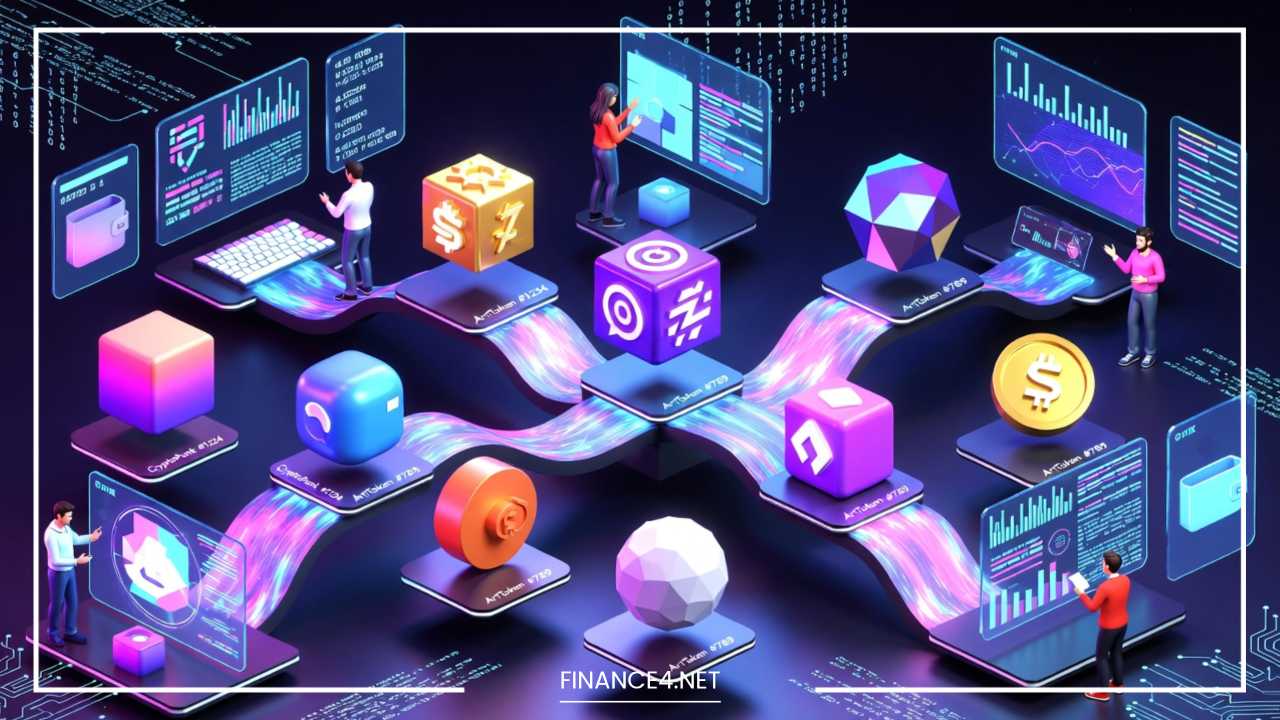
An NFT aggregator is a specialized Web3 platform that pools listings, liquidity, and data from multiple underlying marketplaces into a single user interface. Instead of requiring a trader to manually search separate platforms to find the lowest price for a specific digital asset, the aggregator performs this search automatically across the entire decentralized ecosystem.
How Aggregators Differ from NFT Marketplaces
Traditional digital asset platforms operate as independent, siloed venues. They host their own smart contracts, maintain their own order books, and manage native transactional liquidity. If an asset is listed exclusively on one platform, a user browsing a rival storefront will not see it.
Conversely, an aggregator does not typically manage an exclusive internal order book or host its own primary listings. Instead, it serves as an optimization layer built on top of the underlying infrastructure. It scans the smart contracts of dozens of distinct platforms, aggregates their real-time data, and allows users to execute trades across any of those protocols directly from a centralized dashboard.
Sourcing Listings from Multiple Platforms
To pull data from disparate ecosystems, aggregators utilize specialized Application Programming Interfaces, software development kits, and blockchain indexers. When a user requests data for a specific collection, the aggregator queries every connected marketplace smart contract simultaneously.
The engine compiles the results, sorts them by specific criteria such as price, token ID, or rare traits, and displays them as a single feed. When an order is placed, the aggregator interacts directly with the originating protocol’s smart contracts to execute the swap on behalf of the user.
Benefits for Buyers and Sellers
For buyers, the primary advantage is comprehensive market visibility and cost efficiency. Buyers can secure the absolute lowest available price across the entire Web3 ecosystem without opening multiple browser tabs. Furthermore, aggregators allow users to bundle multiple tokens from different marketplaces into a single atomic transaction, saving significant amounts on network gas fees.
Sellers benefit from broader exposure. When an asset is listed on a single marketplace that is indexed by major aggregators, the listing is automatically broadcasted to a much larger pool of active buyers. This expanded visibility shortens the time it takes to settle a sale and helps maintain deep liquidity across secondary NFT sales.
Understanding NFT Royalties
To understand why aggregators are vital to the ecosystem, one must first grasp the technical and economic mechanics of NFT royalties and how their enforcement became a central point of contention in Web3.
What Creator Royalties Are
Creator royalties are fees paid to the original artist, author, or development team every time a digital asset is resold on a secondary market. These fees typically range from 2.5% to 10% of the gross sale price. This secondary revenue model incentivized builders to focus on long-term project development, community engagement, and utility creation rather than relying solely on primary mint revenues.
How Royalties Work Through Smart Contracts
In the early stages of the digital asset boom, royalties were mistakenly believed to be hardcoded directly into individual token smart contracts, making them entirely unalterable. In practice, standard token templates did not inherently enforce financial transfers during simple token transfers.
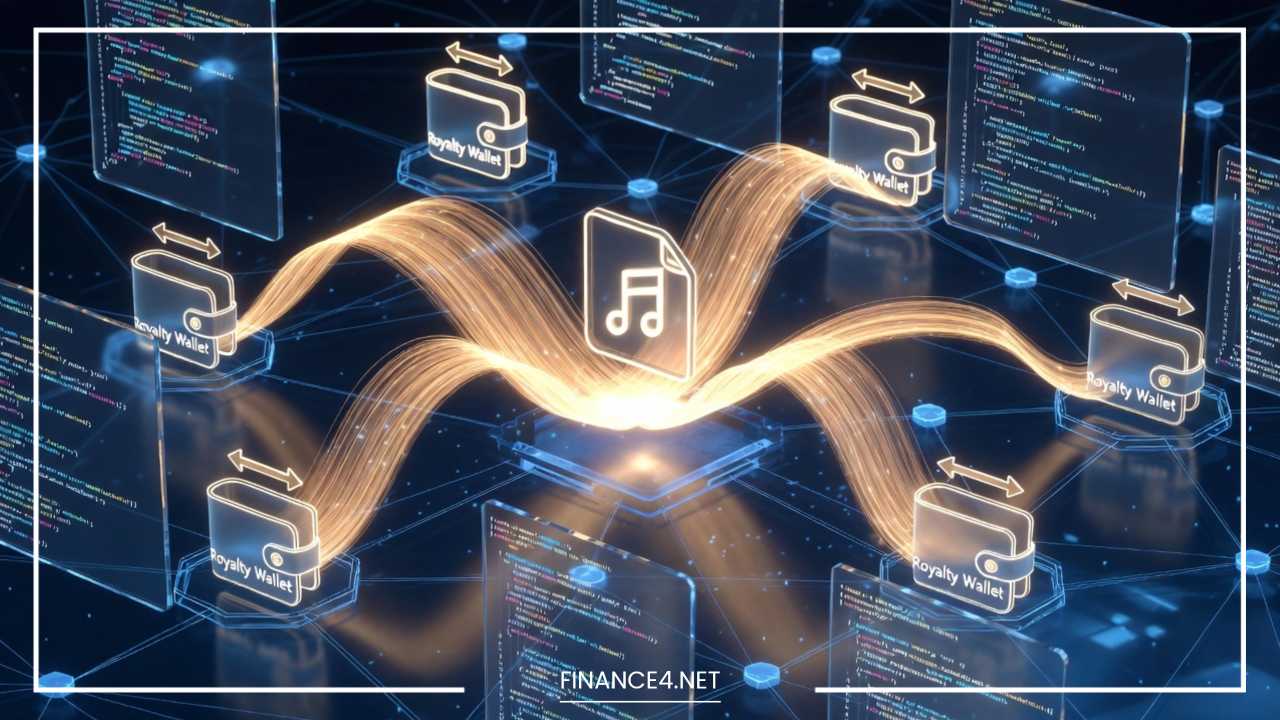
Instead, royalty payouts were managed by the marketplace smart contracts handling the trade. When a platform settled a swap, its custom code was responsible for calculating the percentage allocated to the creator’s wallet, deducting it from the seller’s proceeds, and routing it accordingly.
Optional vs Enforced Royalties
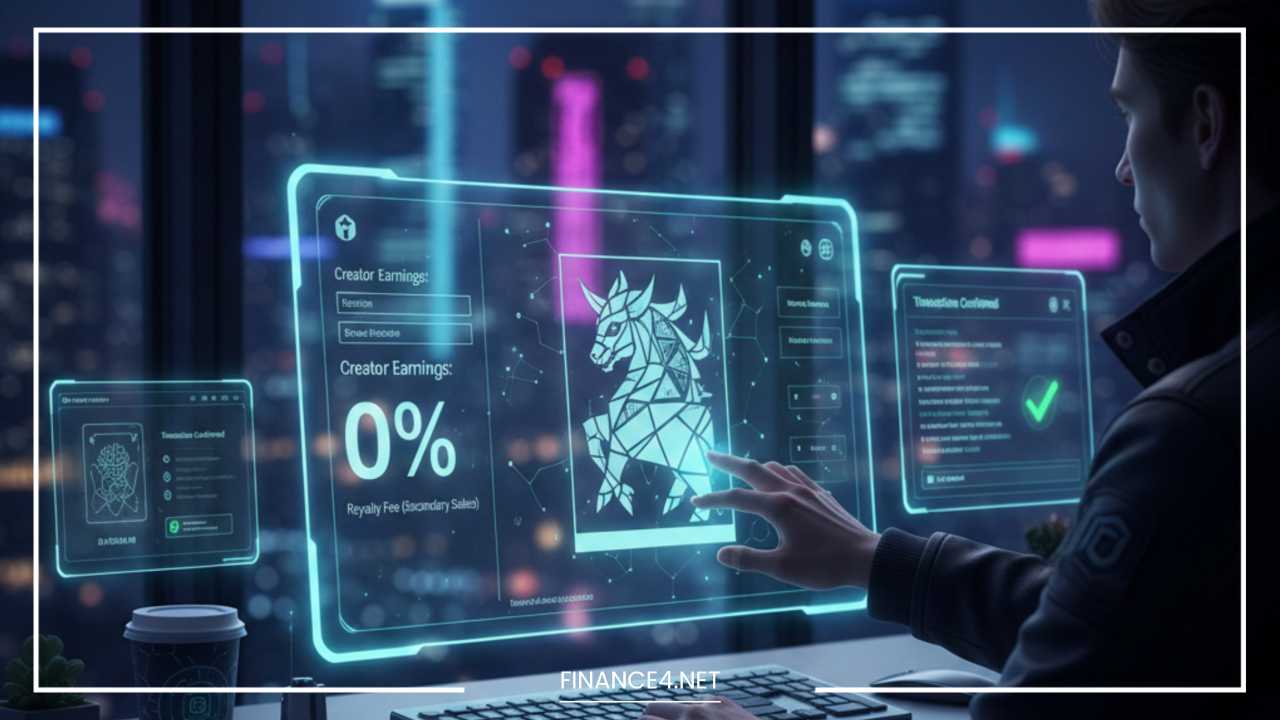
As market competition intensified, new platforms launched with zero-fee structures, rendering creator royalties entirely optional for traders. These platforms allowed buyers or sellers to manually select whether they wanted to pay the creator’s requested percentage. This development triggered an industry-wide debate. High-volume traders migrated to zero-fee venues to maximize profit margins, causing creator earnings across major collections to drop significantly.
Why Royalties Matter for Creators
For independent digital artists and Web3 developers, secondary market fees provide a reliable recurring revenue stream. This financial foundation allows teams to fund ongoing development, hire staff, host events, and build decentralized applications without needing to launch continuous dilutive token drops. Without enforceable revenue on secondary sales, the economic model for many collaborative Web3 projects becomes difficult to sustain.
Current Industry Challenges
The core challenge facing the ecosystem today is the lack of a universal, native consensus on decentralized execution networks regarding royalty enforcement. Because blockchains are designed to allow permissionless token transfers, individual marketplaces can bypass off-chain registry agreements. This technical limitation forces creators and aggregators to continuously develop new smart contract standards to protect creator earnings.
How NFT Aggregators Handle Royalties
Because an NFT marketplace aggregator routes transactions through external platforms, its relationship with creator earnings is intricate. An aggregator must carefully balance the demands of value-seeking traders with the financial survival of digital creators.
Royalty Settings
Modern aggregator platforms provide users with granular control over their transaction settings. When preparing a purchase, a user is often presented with toggles or sliders that dictate how royalties are applied. Users can choose to fully honor the creator’s requested fee, pay a modified minimum percentage, or bypass it entirely if the underlying routing marketplace permits such customization.
Marketplace-Level Enforcement
When an aggregator routes a trade, it must adhere to the specific rules of the destination marketplace hosting the listing. If a user purchases an asset through an aggregator, and that listing originates from a platform that enforces full creator earnings, the aggregator must execute the transaction under those exact terms. The aggregator cannot bypass the rules built into the origin platform’s settlement contracts.
Collection-Level Royalty Rules
To defend their revenue streams, many creator teams utilize custom registries and blocklists inside their asset deployment code. These collection-level rules prevent the tokens from being listed or traded on platforms that do not enforce royalties. A sophisticated NFT trading platform detects these code-level restrictions and automatically filters its routing options to ensure transactions succeed without violating the collection’s native code.
Smart Contract Compatibility
To handle trades smoothly, aggregators must be deeply compatible with evolving network upgrades. This includes support for cross-platform matching protocols and specialized programmatic standard layers. By integrating these shared logic engines, aggregators can programmatically check for verified royalty addresses and guarantee accurate distribution across multi-platform bundles.
Cross-Marketplace Considerations
The primary architectural hurdle for an aggregator is handling a single bulk purchase containing assets from multiple separate venues, each with distinct royalty structures. For instance, if a buyer selects five tokens from an asset line—where two are listed on a full-enforcement platform and three are hosted on an optional-fee platform—the aggregator must split the transaction payload. It accurately processes the varying fee distributions across multiple network calls within a single user click.
Features to Look for in an NFT Aggregator That Supports Royalties
When evaluating an NFT marketplace aggregator, market participants should look for a robust suite of tools that balance cost efficiency with ethical fee structures.
Multi-marketplace Aggregation
The absolute baseline requirement for an aggregator is its ability to index a vast array of underlying platforms. The engine should seamlessly scrape listings from prominent global platforms, niche community marketplaces, and native collection storefronts. A broader catalog translates to better price discovery and deeper liquidity.
Royalty-Aware Purchasing
A high-quality platform features a transparent interface that clearly itemizes creator payouts before a transaction is signed. This layout allows buyers to see exactly how much of their capital is going to the seller, how much is allocated to platform operations, and how much directly supports the creator team.
Creator Payout Transparency
For creators, the aggregator should offer clear data dashboards detailing how secondary sales are settled across its interface. Transparency tools allow development teams to easily track which aggregated venues are respecting their fees and which routes are minimizing their secondary market earnings.
Low Transaction Fees
Aggregators generally aim to keep their platform usage fees at zero, making their revenue from alternative sources or developer tools. Users should look for platforms that do not tack on additional service charges on top of the underlying marketplace fees, ensuring that capital remains available to cover actual asset costs and creator fees.
Fast Execution
In fast-moving digital asset markets, prices fluctuate rapidly. The aggregator’s backend architecture must parse on-chain block data within milliseconds. Rapid indexing ensures that users do not experience failed transactions due to buying an asset that was already purchased directly on the native host platform.
MEV Protection
Maximal Extractable Value (MEV) bots often scan public mempools to frontrun high-value digital asset purchases. Advanced aggregators integrate private transaction routing mechanisms. These tools shield user transactions from predatory frontrunning, ensuring buyers secure their assets at the listed price without paying unnecessary premiums to automated bots.
Bulk Buying
Commonly referred to as market sweeping, this feature allows users to select dozens of individual assets from a collection and purchase them simultaneously. The aggregator combines the individual fulfillment calls into one optimized smart contract interaction, significantly cutting network overhead costs.
Bulk Listing
For sellers looking to liquidate inventory or distribute listings across the web, bulk listing tools are essential. A premium aggregator allows a user to select multiple items from their personal wallet, define customized pricing strategies, and broadcast those listings to several independent platforms at once.
Cross-Chain Support
As digital art ecosystems expand beyond single foundational layers, cross-chain capability has become vital. Leading aggregators offer multi-chain compatibility, allowing users to browse, compare, and purchase assets hosted across various layer-1 blockchains and layer-2 scaling solutions from a single unified interface.
Wallet Compatibility
A versatile platform supports a broad array of Web3 wallet applications. It should accommodate standard browser extension wallets, mobile software options, and enterprise-grade hardware devices, allowing users to interact with the protocol securely regardless of their infrastructure setup.
Advanced Analytics
To make informed decisions, traders need comprehensive marketplace metrics. Useful aggregator platforms include integrated charts showing historical floor price trends, volume movements, listing depth patterns, and detailed item rarity rankings directly alongside product listings.
Top NFT Aggregators That Support Royalties
The landscape features several prominent aggregators, each taking a distinct approach to balancing transaction optimization with creator fee compliance.
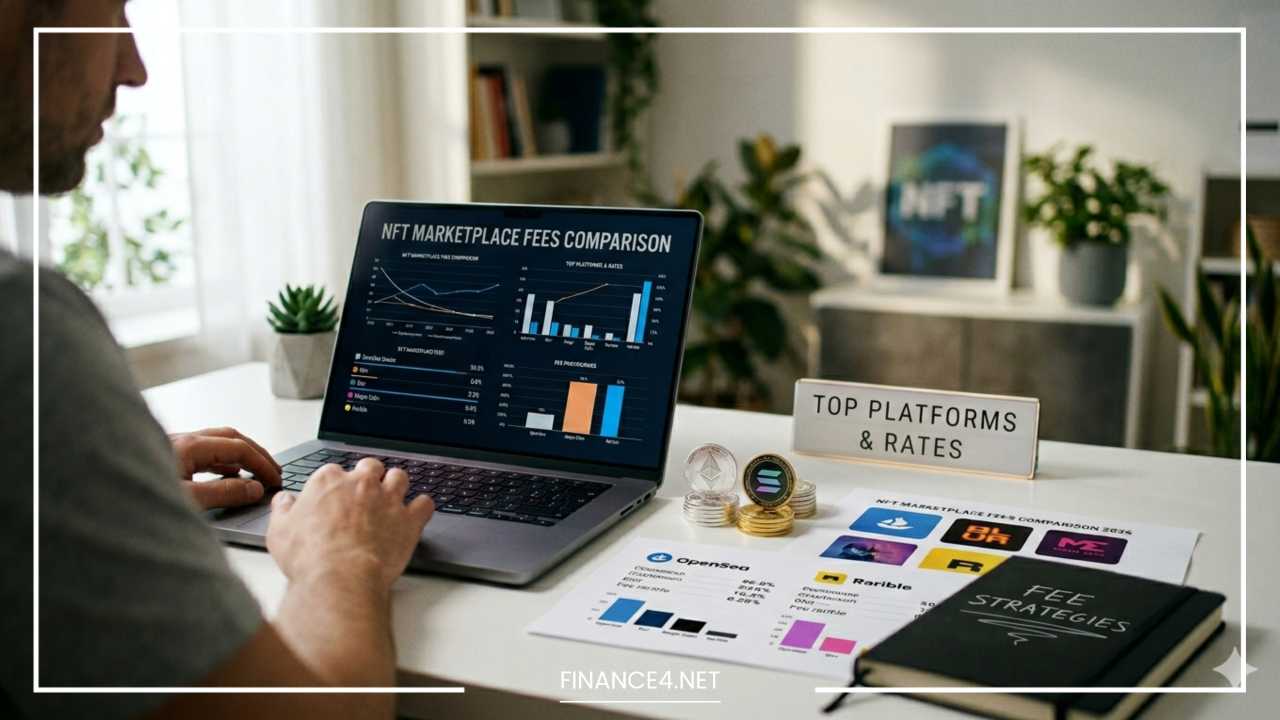
Comparison Table
| Platform | Supported Chains | Royalty Support | Aggregated Marketplaces | Fees | Best For |
| Magic Eden | Solana, Ethereum, Bitcoin, Polygon, Base | Full Enforcement via Native Policies | OpenSea, Blur, Native Contracts | 0% Aggregator Fee (Marketplace fees apply) | Multi-chain users and creators |
| Blur | Ethereum, Layer-2 Networks | Minimum 0.5% Enforced (Full optional) | OpenSea, LooksRare, X2Y2 | 0% Platform Fee | Professional high-volume day traders |
| OpenSea | Ethereum, Polygon, Solana, Base, Optimism | Optional (Honors host contract rules) | Seaport, Blur, Various Indy Venues | 0% Aggregator Fee (Native fee applies) | Retail collectors seeking simplicity |
| Gem (OpenSea Pro) | Ethereum | Configurable Settings | Over 17 Ethereum Marketplaces | 0% Promotional Fee | Advanced Ethereum power users |
| Reservoir | Multi-chain (Ethereum, Base, Arbitrum, etc.) | Custom programmatic rules via API | Modular across hundreds of custom dApps | Dependent on the individual implementation | Developers and custom platform builders |
Magic Eden
Originally launched as a specialized platform for the Solana ecosystem, Magic Eden expanded into a highly versatile multi-chain powerhouse. The platform stands out for its strong commitment to protecting creator earnings across all its supported networks.
-
Features: Magic Eden provides an incredibly polished user experience that includes native minting launchpads, cross-chain asset swaps, robust portfolio tracking, and sophisticated collection analytic charts.
-
Pros: Exceptional UI layout, deep cross-chain integration, highly responsive indexing speeds, and robust mobile applications.
-
Cons: Historically fragmented wallet management across wildly different network architectures like Bitcoin and Ethereum.
-
Royalty Support: Magic Eden has established itself as an advocate for creators. The platform enforces creator-set secondary fees across its primary marketplaces and actively configures its aggregator layer to prioritize routes that respect creator parameters.
Blur
Blur entered the ecosystem specifically catering to professional high-volume traders. It challenged traditional marketplace structures by combining an aggregator and a core trading venue into a single high-speed dashboard.
-
Features: The platform offers real-time data feeds, rapid floor sweeping tools, advanced portfolio value trackers, and native bidding liquidity pools that let users earn loyalty incentives.
-
Pros: Incredible execution speeds, advanced tooling designed for day traders, zero platform fees, and deep internal asset pools.
-
Cons: The interface can be overwhelming for casual retail buyers, and its aggressive model accelerated the industry-wide decline in creator fee percentages.
-
Royalty Policy: Blur enforces a minimum creator fee of 0.5% on its platform while allowing buyers to opt into full royalties if they choose. To balance relationships with creators, it programmatically blocks platforms that do not enforce minimum fees, protecting collections that implement matching on-chain restriction mechanics.
OpenSea
As one of the oldest and largest digital asset platforms, OpenSea contains its own native aggregator tools directly within its core ecosystem interface, drawing liquidity from its widespread Seaport protocol.
-
Aggregation Features: OpenSea automatically scans alternative platforms to display competing listings alongside its internal inventory, ensuring users can find the best deal without navigating away.
-
Creator Earnings: OpenSea transitioned its model to make creator earnings optional on secondary sales if the underlying smart contract lacks automated on-chain enforcement mechanics. It respects developer fees when routing to marketplaces where those fees are strictly required by the host contract.
-
Pros: Highly trusted brand reputation, massive organic user base, wide asset coverage, and exceptionally easy wallet onboarding tools.
-
Cons: Lower incentives for high-frequency professional traders compared to specialized trading platforms.
Gem (OpenSea Pro)
Gem was one of the early pioneering standalone Ethereum aggregator platforms before being acquired and rebranded to serve as an enterprise-grade pro layer.
-
Features: The pro layout provides deep canvas views of market data, live sales trackers, comprehensive trait filtering tools, and instant instant-liquidity wrappers.
-
Bulk Buying: Gem features highly optimized smart contracts that allow traders to purchase dozens of separate items across distinct marketplaces in a single transaction payload, dramatically lowering gas costs.
-
Marketplace Aggregation: It connects directly to every major Ethereum-based marketplace, functioning as a comprehensive point of access for high-end digital art and profile picture collections.
Reservoir-Powered Aggregators
Reservoir represents a fundamental structural shift. Rather than operating as a consumer-facing platform, it provides developer-focused open-source liquidity infrastructure.
-
Reservoir Explanation: Reservoir is a decentralized aggregation engine that pools order books and liquidity from across the entire ecosystem into a set of developer APIs and software kits.
-
Custom Marketplaces: Using Reservoir, independent creators or communities can build their own custom, branded storefronts in minutes without needing to maintain complex back-end indexers.
-
API-Based Aggregation: Because it is an API-first layer, any application built on Reservoir automatically aggregates listings from all major platforms while enforcing custom royalty rules set by the local platform creator.
Benefits of Using an NFT Aggregator
Utilizing a marketplace aggregator offers substantial technical and financial advantages over interacting with individual dApps sequentially.
Better Prices
Because aggregators cross-reference every active listing across multiple open order books, users are guaranteed to find the absolute lowest price for a specific asset. This transparency prevents buyers from accidentally overpaying on a platform that has outdated or isolated pricing data.
Access to More Liquidity
By combining the order books of dozens of distinct independent marketplaces, aggregators create a unified pool of deep NFT liquidity. This consolidation reduces slippage and allows high-volume participants to enter or exit large asset positions efficiently.
Reduced Manual Searching
An aggregator eliminates the need to maintain open browser tabs for separate platforms, track various contract addresses, or manually compare listings. The consolidated layout saves users significant time and simplifies asset discovery.
Faster Execution
Aggregators utilize highly optimized, institutional-grade indexing services. These systems process block data faster than standard public marketplace frontends, allowing users to secure highly sought-after listings before standard retail buyers even see them appear on native sites.
Bulk Transactions
The ability to bundle multiple separate purchases or listings into a single transaction wrapper is a game-changer for active collectors. Aggregators handle all the underlying routing logistics behind the scenes, presenting the user with a single simple wallet signature prompt.
Lower Gas Costs
Every interaction with a blockchain network costs gas. Aggregators use highly optimized smart contracts engineered to minimize computational overhead. By batching multiple calls into a single transaction bundle, users can save up to 30% to 40% on overall transaction gas costs compared to executing those trades individually.
Better Trading Tools
Aggregators are purpose-built for active market participants. They come equipped with professional trading tools, such as live analytical depth charts, historical floor price trends, asset scarcity breakdown graphs, and instant individual item evaluation metrics.
Easier Portfolio Management
Instead of trying to track assets spread across multiple wallets and various platforms, an aggregator provides a comprehensive overview of a user’s entire Web3 inventory. Users can monitor overall portfolio value, track historical profit and loss, and manage active listings from one secure dashboard.
Challenges and Limitations
Despite their profound utility, users and creators must navigate several persistent structural limitations inherent to aggregated architectures.
Royalty Inconsistencies
Because underlying platforms apply divergent rules regarding creator fees, aggregators occasionally display inconsistent pricing structures. A token might appear less expensive via one route simply because that specific marketplace omits the creator’s requested royalty fee, presenting a moral dilemma for the buyer.
Different Marketplace Policies
Aggregators act as intermediaries. This means that if a host platform undergoes structural contract upgrades, implements localized trading blacklists, or alters its service terms, the aggregator must rapidly update its codebase to avoid presenting users with broken links or failed transactions.
Network Congestion
During high-demand minting events or market panics, underlying blockchain networks often experience extreme traffic spikes. While an aggregator optimizes transaction code, it cannot bypass foundational network congestion or prevent gas wars when public mempools fill up.
Gas Fees
While batching transactions provides noticeable cost savings, executing complex multi-marketplace trades still requires a baseline amount of gas. If gas prices on the host network skyrocket, the cost of processing a large transaction bundle can still become prohibitively expensive for casual collectors.
Fake Collections
Malicious actors frequently deploy counterfeit contracts that copy the artwork and metadata of high-value projects. While premier aggregators implement strict verification procedures, the rapid pace of automated indexing means malicious or unverified listings can occasionally surface in search results, requiring buyers to remain vigilant.
Cross-Chain Fragmentation
While cross-chain aggregation has improved significantly, moving value across structurally distinct network environments remains a complex process. Users often have to manage multiple native token types, interact with external bridging protocols, and navigate varying block finality times.
NFT Aggregator vs NFT Marketplace
Understanding the distinct roles of these platforms helps users select the best tool for their specific needs.
| Feature | NFT Aggregator | NFT Marketplace |
| Core Source | Aggregates external listings across the web | Manages internal, native listings |
| Price Discovery | Scans multiple sources to find the lowest price | Limited to native order book pricing |
| Tool Suite | Bulk buying, sweeps, and advanced batching | Standard single-item purchasing tools |
| Search Scope | Cross-market search spanning many platforms | Isolated exclusively to internal database |
| Liquidity Level | Deep consolidated ecosystem liquidity | Dependent on native platform user volume |
| Primary Focus | Speed, cost optimization, and market efficiency | Community curation, launchpads, and primary mints |
How to Choose the Best NFT Aggregator for Royalties
Selecting the ideal platform depends heavily on a user’s individual trading volume, core network preference, and ethical stance on creator compensation.
Supported Blockchain
The first step is identifying which decentralized networks host your preferred collections. If you primarily trade assets on Solana, a platform tailored to that ecosystem is ideal. If your focus is high-end digital art on Ethereum, look for an aggregator engineered to navigate those specific layer-1 and layer-2 environments.
Creator Royalty Policy
If supporting digital artists and sustainable project ecosystems is a priority, choose an aggregator that explicitly enforces or strongly prioritizes routes that honor full creator royalties. Avoid platforms that default to zero-fee structures without giving you clear options to support creator teams.
Trading Volume
High-frequency day traders should prioritize platforms that focus heavily on raw execution speed, low latency data feeds, and advanced market sweeping capabilities. Casual collectors will likely prefer platforms that emphasize clean user interfaces and simple wallet connection options.
Security
Ensure the platform has a proven track record of security. The aggregator’s underlying smart contracts should be thoroughly audited by reputable third-party security firms. Additionally, the platform should feature clear transaction explanation screens so you know exactly what permissions you are granting when signing messages with your wallet.
Best Practices for NFT Buyers and Creators
To safely navigate the fast-paced world of digital assets, both buyers and creators should implement proactive operating strategies.
For Buyers
-
Verify Collections: Always manually double-check the unique smart contract address of a collection before executing a purchase. Do not rely solely on name text strings, as scammers frequently replicate metadata to trick automated indexers.
-
Check Royalty Settings: Take a moment to examine the breakdown of your transaction costs during checkout. If you want to support the project’s long-term roadmap, ensure that creator earnings are active and configured correctly before finalizing the purchase.
-
Compare Prices: Use the aggregator’s analytical tools to cross-reference historical floor prices and check trait scarcity values. This ensures you are paying a fair market rate for individual items.
-
Use Trusted Wallets: Interact with aggregators using reputable hardware wallets or dedicated secondary accounts containing only the funds needed for immediate purchases. This practice keeps your main digital asset reserves safely isolated from active Web3 connections.
For Creators
-
Understand Royalty Enforcement: Stay informed about the latest technological standards for asset smart contracts. Implement modern, upgradable programmatic standards that let your team manage and protect secondary marketplace rules directly via on-chain code.
-
Choose Compatible Marketplaces: Launch your primary collections on platforms that actively defend creator royalties and implement strict blocklists against malicious zero-fee venues.
-
Monitor Secondary Sales: Use data tools and developer APIs to track how your assets are trading across various aggregated platforms. This data helps you understand where your volume is coming from and which platforms are respecting your secondary revenue.
Future of NFT Royalties and Aggregators
The relationship between aggregation platforms and creator monetization will continue to adapt alongside broader Web3 infrastructure developments.
On-Chain Royalty Enforcement
The industry is moving decisively away from relying on the goodwill of individual marketplaces to enforce royalties. Developers are increasingly implementing on-chain programmable standards that mandate fee distribution directly inside the core token asset transfer logic, making royalties inescapable regardless of which aggregator routes the trade.
ERC-2981 Adoption
The widespread adoption of the ERC-2981 NFT Royalty Standard represents a major step forward for ecosystem standardization. This universal protocol standardizes royalty information retrieval across all compatible networks. It allows any aggregator or marketplace to programmatically query an asset to determine exactly who should receive payments and what percentage to apply, streamlining global fee compliance.
AI-Powered Discovery
Future aggregators will likely integrate advanced artificial intelligence engines to provide highly personalized asset discovery tools. These systems will analyze on-chain wallet behavior to recommend specific collections, identify mispriced listings across obscure platforms, and detect fraudulent or copycat projects long before they can impact retail buyers.
Final Thoughts
NFT aggregators have become indispensable components of the modern Web3 market structure. By consolidating highly fragmented ecosystems into unified, high-performance dashboards, these platforms give traders the tools needed to discover optimal pricing, tap into deep liquidity pools, and significantly reduce network gas overhead.
At the same time, the evolution of these platforms has forced a critical conversation around the sustainability of creator royalties. While the race for volume initially led to a decline in creator fees, the current generation of aggregators is adapting. Through advanced smart contract standard integrations, clear interface transparency, and customizable routing options, the market is finding a healthier balance.
Whether you are a professional day trader optimizing for rapid execution or a passionate collector looking to support your favorite artists, selecting an aggregator that aligns with your operational and financial goals is essential. By choosing platforms that respect creator preferences, you help foster a sustainable and innovative digital asset ecosystem over the long term.
Frequently Asked Questions
What is the best NFT aggregator for royalties?
The best platform depends on your target blockchain and commitment to supporting digital artists. Magic Eden is widely considered a top choice for multi-chain users because of its active support for creator-set secondary fees across Solana, Ethereum, and Polygon. For professional high-volume Ethereum day traders, OpenSea Pro (formerly Gem) and Blur provide advanced bulk-buying tools with granular, customizable settings to handle or honor minimum royalty fees.
How do NFT marketplace aggregators calculate creator earnings?
An NFT marketplace aggregator scans the smart contracts and order books of various underlying host platforms. When displaying a listing, the aggregator pulls the specific royalty data from the host contract or from standardized formats like ERC-2981. During checkout, the engine itemizes the breakdown, showing exactly what portion of the purchase price goes to the seller, the platform fee, and the digital creator.
Can an NFT trading platform bypass secondary NFT sales royalties?
Technically, if an aggregator routes a transaction through an underlying marketplace that treats royalties as optional, the buyer may be given a toggle to reduce or remove that fee. However, if the digital asset utilizes advanced, on-chain royalty enforcement code (like ERC-721C), the asset’s contract itself blocks execution on zero-fee routing options, forcing the aggregator to use full-enforcement channels.
Do cross-chain NFT marketplace aggregators support creator royalties?
Yes, premium cross-chain aggregators support creator earnings, but enforcement varies based on the destination blockchain’s standard practices. For instance, Solana-based aggregator tools highly prioritize built-in programmable royalties, while Ethereum-focused tools often interact with a mix of optional and enforced marketplace rules, depending on the routing paths selected by the user.
Why should high-volume traders use an NFT bulk buying aggregator?
An NFT bulk buying aggregator optimizes multiple transaction calls into a single atomic smart contract interaction. By bundling multiple purchases across different storefronts into one signature, traders significantly cut network gas costs. Additionally, these platforms provide protection against frontrunning bots and let users track aggregate historical floor prices across the entire Web3 ecosystem simultaneously.