Top NFT Creator Tools
 by
by 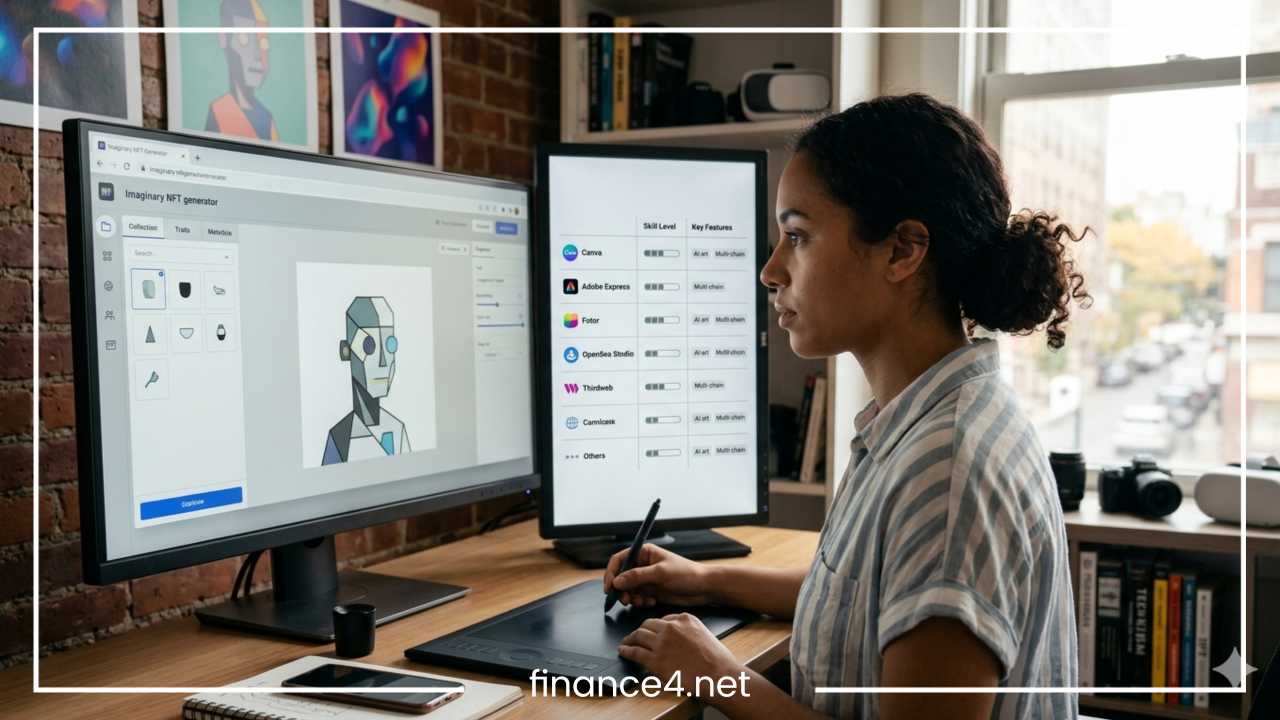
Top 10 NFT Creator Tools for Beginners and Pros
The digital landscape has undergone a profound transformation with the rise of non-fungible tokens. What began as a niche interest in digital collectibles has expanded into a massive, multi-faceted ecosystem encompassing digital art, music, photography, fashion, gaming assets, and brand loyalty programs. NFTs represent a fundamental shift toward true digital ownership, allowing creators to monetize their work directly and interact with their global communities in entirely new ways.
For artists, musicians, and developers, the barrier to entry has never been lower. You no longer need to be a blockchain engineer to participate in the creator economy. Today, a wide array of specialized tools allows individuals to design, mint, and launch their own collections with little to no coding knowledge. However, navigating the sheer number of options available can be daunting. Whether you are a beginner looking to design your first unique piece or a professional developer aiming to launch a complex, utility-driven collection, choosing the right infrastructure is critical. This guide explores the essential NFT creator tools that define the current market, helping you identify the right solution for your technical skill level and creative goals.
What Makes a Great NFT Creator Tool?
Evaluating NFT creator tools requires looking at several core pillars that determine how your project functions, scales, and survives in a competitive market. First, ease of use is paramount for beginners, while modularity, security, and granular control are essential for professionals. A great tool should provide an intuitive interface for design, but also offer the technical backbone to handle smart contract interactions seamlessly.
Blockchain support is another critical factor. Depending on your goals—whether you are aiming for massive liquidity on Ethereum, cost-efficiency on Polygon, or community-building on Solana—you need a platform that matches your roadmap. Look for platforms that prioritize security; you will be handling smart contracts that govern ownership, royalties, and potential utility. NFT minting capabilities, including gas-fee optimization and bulk-uploading features, are vital for those planning to launch larger collections.
Advanced creators should prioritize tools with robust customization options, such as the ability to deploy custom smart contracts or integrate with existing web applications via APIs. Finally, the role of artificial intelligence cannot be ignored. Modern tools now integrate AI to streamline the design process, making it possible to generate unique, high-quality assets in minutes rather than days. Balancing these technical features with your budget and long-term vision is the key to a successful launch.
Quick Comparison Table
| Tool | Best For | Skill Level | Blockchain Support | Free Plan |
| Canva | Digital Design | Beginner | N/A (Design only) | Yes |
| Adobe Express | Branding Assets | Beginner/Int. | N/A (Design only) | Yes |
| Fotor | AI Art Generation | Beginner | N/A (Design only) | Yes |
| NightCafe | AI Art Models | Beginner | N/A (Design only) | Yes |
| OpenSea Studio | Minting & Sales | Beginner | Multi-chain | Yes |
| Rarible | Marketplace Launch | Beginner/Int. | Multi-chain | Yes |
| Thirdweb | Web3 Development | Professional | Multi-chain | Yes |
| Manifold | Custom Contracts | Professional | Ethereum | Yes |
| NFT Art Generator | Bulk Generation | Intermediate | N/A (File export) | Yes |
| Bueno | PFP Collections | Intermediate | Multi-chain | Yes |
Top 10 NFT Creator Tools
Canva
Canva has become the go-to design tool for millions of non-designers globally. While it is not a direct minting platform, it is arguably the most accessible starting point for aspiring NFT creators. It offers a massive library of templates, fonts, and graphic elements that can be used to create eye-catching digital art. With recent updates, Canva now includes powerful AI image generation features that can help creators visualize complex concepts quickly. For beginners, the drag-and-drop interface removes the intimidation factor often associated with professional design software. Its primary limitation is the lack of direct blockchain integration; you must export your assets as files and move them to a secondary minting platform or marketplace to turn them into tokens.
Adobe Express
Adobe Express is designed for creators who want the power of Adobe’s creative engine in a simplified, web-based format. It excels at creating social media assets and branding materials that are essential for the marketing phase of an NFT launch. It includes excellent tools for resizing, applying professional effects, and generating AI-based imagery. Because it integrates seamlessly with the broader Adobe ecosystem, it is an ideal choice for creators who might eventually want to transition to Photoshop or Illustrator for more detailed, manual work. It offers a professional aesthetic that is often required to build initial trust with potential collectors in the crowded NFT space.
Fotor
Fotor is an all-in-one photo editing and design tool that has heavily leaned into the NFT space through its intuitive AI art generator. Users can input simple text prompts to create intricate, unique artwork that serves as the base for their NFT collections. The tool is highly efficient at applying artistic filters to existing photos, which can turn a standard portrait into a unique digital asset. It is an affordable and straightforward solution for those who want to focus more on the aesthetic quality of their collection rather than the underlying smart contract logistics. It bridges the gap between basic photo editing and generative art.
NightCafe
NightCafe is a premier destination for AI-generated art, leveraging some of the most advanced models available today, including Stable Diffusion and DALL-E. It provides access to various styles, from photorealism to abstract digital painting, allowing users to experiment with their creative identity. The community features are a standout aspect, allowing you to see what others are creating, which can serve as a massive source of inspiration for your own projects. While the tool is fantastic for creating the visual assets for an NFT, it is entirely focused on the generation process. It does not provide minting or deployment services, acting strictly as your design and ideation engine.
OpenSea Studio
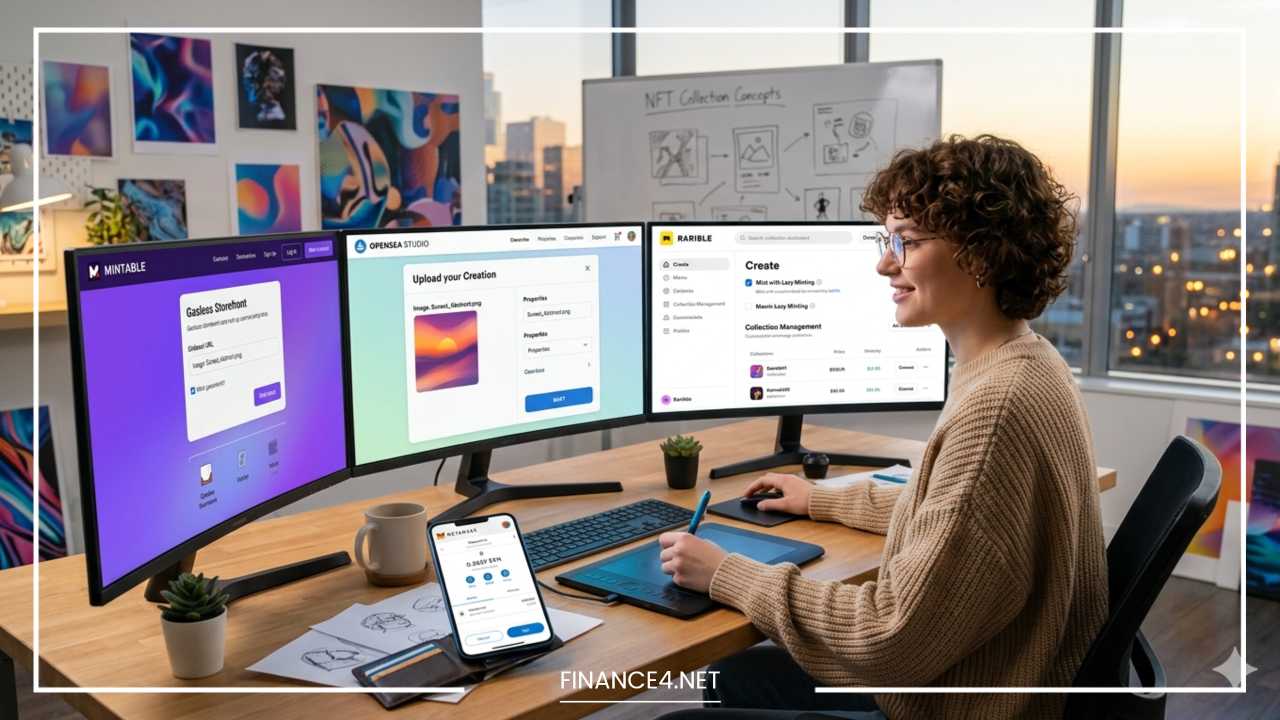
OpenSea Studio is the flagship tool provided by the world’s largest NFT marketplace. It is designed to be the ultimate starting point for those ready to mint. OpenSea has streamlined the process significantly, allowing users to create collections, upload metadata, and mint their items directly to the blockchain without writing a single line of code. Because it is tied to the industry-leading marketplace, your collection is immediately visible to a massive audience of potential buyers. It supports multiple blockchains and handles the complex backend work of NFT standards, making it the top choice for a frictionless, everything-in-one-place minting experience.
Rarible
Rarible stands out as a creator-centric marketplace that focuses on multi-chain flexibility and community ownership. Its minting process is intuitive, and it offers a lazy minting feature, which allows creators to mint their NFTs without paying gas fees upfront. Instead, the buyer pays the gas fee at the time of purchase. This is a massive benefit for creators who want to test the waters without significant financial risk. Rarible also gives creators deep control over their royalties, ensuring you earn a percentage from future secondary sales. It is an excellent middle ground for creators who want marketplace exposure combined with more flexibility than standard beginner tools.
Thirdweb
Thirdweb is the gold standard for developers and creators who need more than just a simple minting page. It provides a complete Web3 development kit, including pre-built smart contracts for NFTs, marketplaces, and membership tokens. The no-code dashboard is incredibly powerful, allowing you to deploy secure contracts with ease. While it is more technical than the design tools on this list, it is surprisingly accessible to non-engineers. For those who want to build a project with real utility—such as a token-gated website, a custom game integration, or a DAO—Thirdweb offers the professional infrastructure required to scale.
Manifold
Manifold is the preferred choice for high-end digital artists and creators who demand total ownership of their smart contracts. Unlike some platforms that use shared contracts, Manifold allows you to deploy your own custom, sovereign contracts. This gives you complete control over your work and prevents your NFTs from being tied to a single platform or marketplace. It is widely used by professional artists who value creator-owned infrastructure and longevity. The interface is clean, professional, and built for serious drops where minting quality and long-term security are the highest priorities.
NFT Art Generator
For creators looking to launch Profile Picture (PFP) projects, NFT Art Generator is a specialized tool that automates the bulk creation process. It allows you to upload different traits—such as eyes, hats, mouth shapes, and backgrounds—and uses an algorithm to combine them into thousands of unique, randomized images. It handles the generation of the metadata, including the JSON files required for marketplaces to display the traits correctly. This tool significantly reduces the manual labor required to build a large-scale collection of thousands of individual items, making it an essential tool for community-driven PFP drops.
Bueno
Bueno is a comprehensive, no-code platform designed for creators building NFT collections from the ground up. It provides a one-stop shop experience: it helps you generate your artwork, manage your traits, and build a custom, branded minting page. The minting page feature is particularly strong, as it provides a professional, personalized portal where your community can connect their wallets and mint your NFTs directly. Bueno is designed for community-focused projects and is ideal for artists who want to handle the technical side of their drop without needing to hire a full-time development team.
Deep Dive: The Evolution of NFT Creation Workflow
To truly understand why these tools are vital, one must look at the anatomy of an NFT project. Modern NFT creation is no longer just about clicking a “mint” button; it is a multi-stage lifecycle.
The Conceptualization Phase
The first stage of any successful project is the ideation phase. Tools like NightCafe and Fotor have shifted this stage from traditional sketching to prompt engineering. By using generative AI, creators can iterate through hundreds of visual concepts in hours. This is particularly useful for PFP projects where maintaining a cohesive art style across 10,000 unique variations is essential. The professional artist now acts more like an art director, curating the output of AI models to ensure the final product meets a specific brand standard.
The Asset Production and Metadata Layer
Once the visual identity is established, the production phase begins. This is where tools like NFT Art Generator and Bueno shine. An NFT collection is essentially a set of assets paired with a metadata file (usually a JSON file) that tells the marketplace how to display that specific item. If you have 5,000 items, you have 5,000 lines of metadata to manage. Doing this manually is prone to error. Professional tools automate this by ensuring that rarity traits are distributed evenly and that the link between the image and the metadata remains unbroken.
The Deployment of Smart Contracts
The most critical technical hurdle is the smart contract itself. A smart contract is the code that governs the rules of your NFT—who can mint, how many they can mint, what the royalties are, and how they interact with other applications.
-
Shared Contracts: Most marketplaces use a “shared” contract. This means your NFT technically lives inside the marketplace’s own smart contract. This is easy, but it means you don’t own the “contract” for your art.
-
Custom Contracts: Tools like Manifold and Thirdweb allow you to deploy your own smart contract. This is the difference between renting an apartment and owning a house. If you own the contract, your art is portable. You can move your collection from one marketplace to another without losing the history or the association of the original collection. This is a mark of professional-grade work.
Strategy for Scaling: From Hobbyist to Professional
The progression of an NFT creator usually follows a predictable path. Understanding this trajectory helps you decide when to upgrade your toolset.
Stage 1: The Creative Pivot
At this stage, you are likely testing the waters. You have an idea for a piece of digital art or a small photography collection. Your primary goal is to validate interest. You do not need a custom smart contract or a complex website. Your best move is to focus on high-quality design using Canva or Adobe Express, and use a marketplace like OpenSea for the minting process. This minimizes your risk and keeps your focus on building a community around your art.
Stage 2: The Community Expansion
Once you have a following, you likely want to release a collection rather than a single item. This is when the bottleneck becomes the technical management of traits and assets. You might move to using NFT Art Generator or Bueno to help manage your drop. At this stage, you should start thinking about your brand identity and the value proposition of your NFTs. Why should people hold these? Is it for status, utility, or aesthetic pleasure?
Stage 3: The Enterprise Level
At the highest level, you are building a product, not just an asset. You are working with developers or using professional-grade no-code tools like Thirdweb to integrate your NFT into other ecosystems—like a membership site, a game, or a physical-to-digital bridge. Here, sovereignty over your smart contract is non-negotiable. You are no longer just an “artist”; you are the operator of a digital ecosystem.
Understanding the Economics of NFT Tools
When selecting a tool, you must account for the hidden costs associated with each choice. While many platforms offer “free” plans, the underlying costs often manifest in other ways.
-
Gas Fees: When you mint an NFT, you are writing data to the blockchain. This requires computational energy, paid for in “gas fees.” Some platforms hide these fees through lazy minting, while others require you to pay them upfront.
-
Marketplace Fees: Most marketplaces charge a percentage of every primary sale. If you choose a professional path and use your own website (built with Thirdweb), you can bypass some marketplace fees, but you have to pay for web hosting and development time.
-
Platform Subscription Fees: Tools like Bueno or specialized generators often charge a monthly subscription or a per-mint fee. For a large collection of 5,000 items, a per-mint fee can quickly add up to thousands of dollars. You must calculate these costs against your expected sell-through rate.
Future-Proofing Your NFT Projects
In the 2026 landscape, the definition of a “valuable” NFT is changing. Projects that rely solely on speculative hype often fail within weeks. The projects that thrive are those that integrate with the broader digital economy.
Interoperability
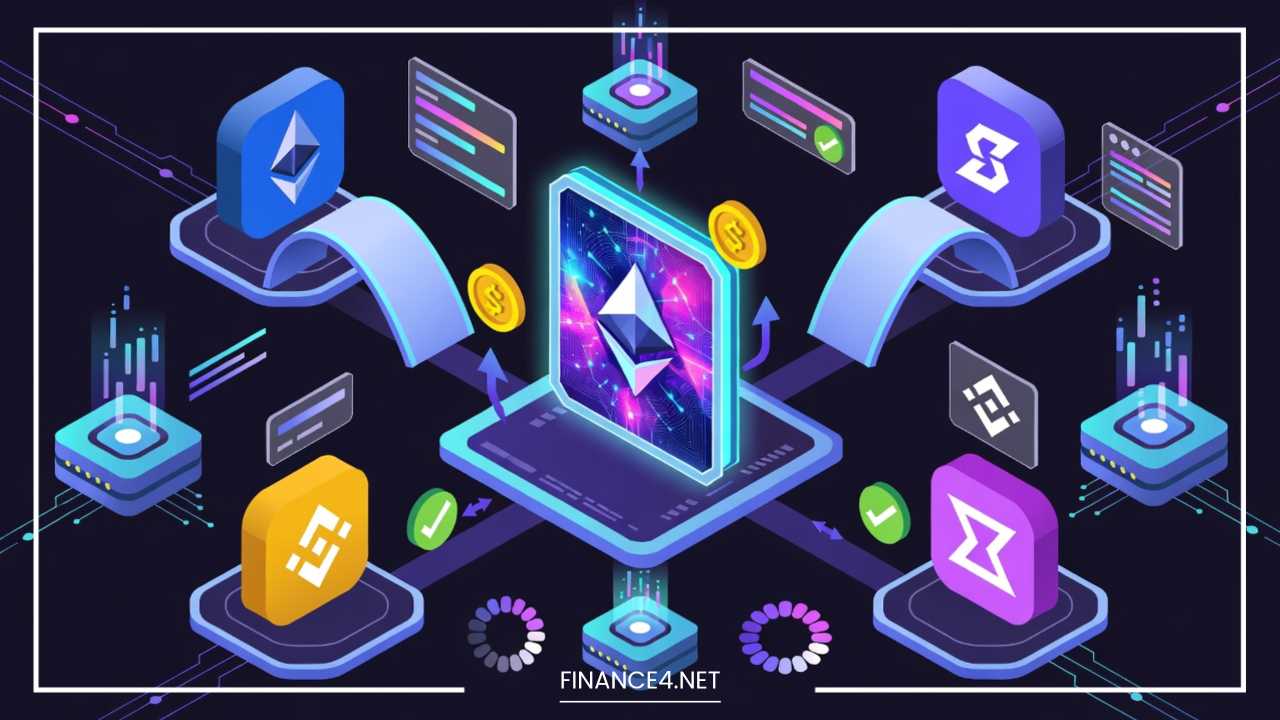
The best creator tools are now those that allow for interoperability. Can your NFT be used as an avatar in a metaverse? Can it be staked in a liquidity pool to earn rewards? Can it be “wrapped” or used across different blockchains? When selecting a tool, look for those that support multiple standards (such as ERC-721 and ERC-1155) and offer integration with other Web3 protocols.
Regulatory Compliance
As the industry matures, regulation is becoming a standard feature of the landscape. Professional tools are now incorporating features that make it easier to remain compliant—such as clear royalty tracking, creator verification, and transparent tokenomics documentation. Choosing a platform that takes compliance seriously is a form of insurance for your project’s long-term reputation.
The Shift Toward Utility
Utility-based NFTs are now the primary driver of market interest. Whether it’s an NFT that functions as a ticket to a private conference or an asset that acts as a key to a software suite, the tools you choose should be capable of supporting these complex interactions. Thirdweb, for instance, provides the hooks necessary to gate website content based on whether a user holds your token in their wallet. This “token-gating” is a hallmark of the professional creator.
Final Thoughts on Choosing Your Path
The NFT creator ecosystem is not a monolith. It is a spectrum. On one end, you have the artist looking to sell a single piece of high-quality digital work; on the other, you have a gaming studio launching 50,000 dynamic, utility-bearing tokens.
The most successful creators are those who view tools as a means to an end. Do not fall into the trap of using the most “advanced” tool if a simpler one accomplishes your current goal. Conversely, do not limit your potential by sticking with beginner-level tools when your collection outgrows them.
The path to success in the NFT space is rarely a straight line. It involves constant iteration, community listening, and, perhaps most importantly, the ability to adapt to new technology as it emerges. By understanding the unique strengths of each tool listed in this guide—from the creative freedom of Adobe Express to the sovereign control of Manifold—you are equipped to handle the demands of the modern creator economy. The infrastructure for the next generation of digital ownership is already here; your role is to define what that ownership looks like.
Frequently Asked Questions
Can I create and sell an NFT without knowing how to code?
Yes, you can create and sell NFTs without any programming experience. Many “no-code” NFT creator platforms like Thirdweb, Bueno, and OpenSea Studio allow you to deploy smart contracts and mint collections using simple drag-and-drop interfaces or web-based dashboards. These tools handle the complex backend blockchain interactions for you.
What is the cheapest way to mint an NFT for beginners?
The cheapest way to start is by using “lazy minting” features on marketplaces like Rarible or OpenSea. With lazy minting, you don’t pay the gas fees to mint your NFT at the moment of creation. Instead, the buyer pays the transaction fees when they purchase the asset, allowing you to list your work on the blockchain for free.
What are the primary differences between NFT creator tools for beginners and professionals?
Beginner tools focus on ease of use, design templates, and marketplace integration (e.g., Canva, Adobe Express). Professional tools focus on “sovereign” ownership, meaning they allow you to deploy your own custom smart contracts (e.g., Manifold, Thirdweb). Professional tools are essential if you want your collection to be independent of a specific marketplace or if you need to integrate your NFT with custom utility like token-gating.
How does NFT metadata affect the rarity and value of a collection?
NFT metadata is the descriptive file (usually JSON) that tells marketplaces what your NFT represents, including its visual traits and rarity scores. Tools like NFT Art Generator automate the creation of these files, ensuring that rarity traits are distributed mathematically. High-quality metadata is crucial because it is what rarity-ranking websites use to calculate the value and scarcity of items in your collection.
Are there risks associated with “infinite authorization” when using NFT creator platforms?
Yes, this is a significant security risk. When you interact with a new DApp or minting platform, it may ask for permission to access your wallet tokens. If you grant “infinite authorization,” a malicious contract could potentially drain your assets. Always check the authorization limit in your wallet and only approve the minimum amount required for the transaction.
Do I have to pay gas fees every time I create a digital asset?
You only pay gas fees when you perform an “on-chain” action, such as deploying a smart contract or minting an item to the blockchain. Designing your art in tools like Adobe Express or Fotor is completely free because that process happens off-chain. You only incur costs when you officially publish the asset to the network.
What is the best blockchain for launching a large-scale NFT project?
The choice depends on your target audience. Ethereum remains the gold standard for high-value art and prestige projects due to its massive liquidity. However, for large-scale PFP (Profile Picture) projects with thousands of items, many creators prefer Layer-2 solutions like Polygon or other high-throughput chains like Solana to keep gas fees low for their community members during the minting process.